
Counting the Uncountable – about rates of return in the art market
Julia Niżnik
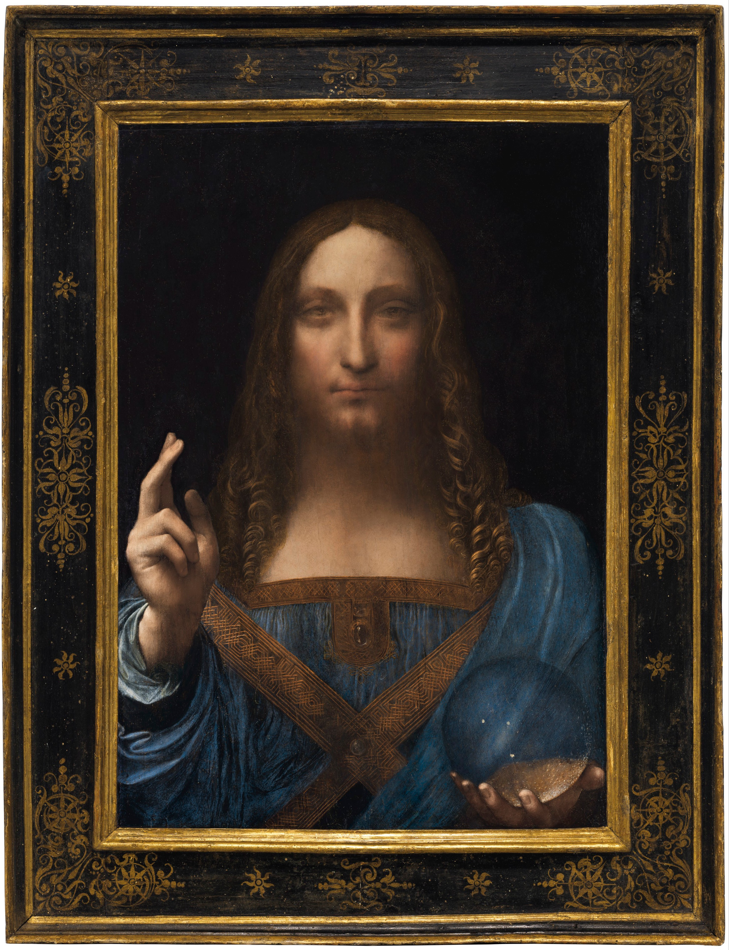
Leonardo da Vinci's painting "Salvator Mundi" was sold in 1958 at Sotheby's for 45 pounds. In 2005, the painting appeared at an American auction, where it was auctioned for $10,000. Just 8 years later, after the authenticity of the work was confirmed, it was purchased for $75 million, and a few months later, a Russian millionaire acquired it for $127.5 million. Finally, the artwork was sold in 2017 at a Christie's auction for $450.3 million.
In the art market, investors often use various measures of efficiency and risk to assess the attractiveness of a particular investment. These measures include the standard deviation of returns, median and quartile deviation, beta coefficient and Pearson correlation, Sharpe and Treynor ratios, as well as the Sharpe single-index model and the CAPM model.
These tools help understand the risk associated with an investment and the expected returns. Investors who take on greater risks often expect higher profits. However, investments with lower risk are perceived as safer but usually yield lower rates of return. However, this is not always the case in the art market, where even less risky investments can generate high returns on investment, as demonstrated by the aforementioned sale of the "Salvator Mundi" painting.
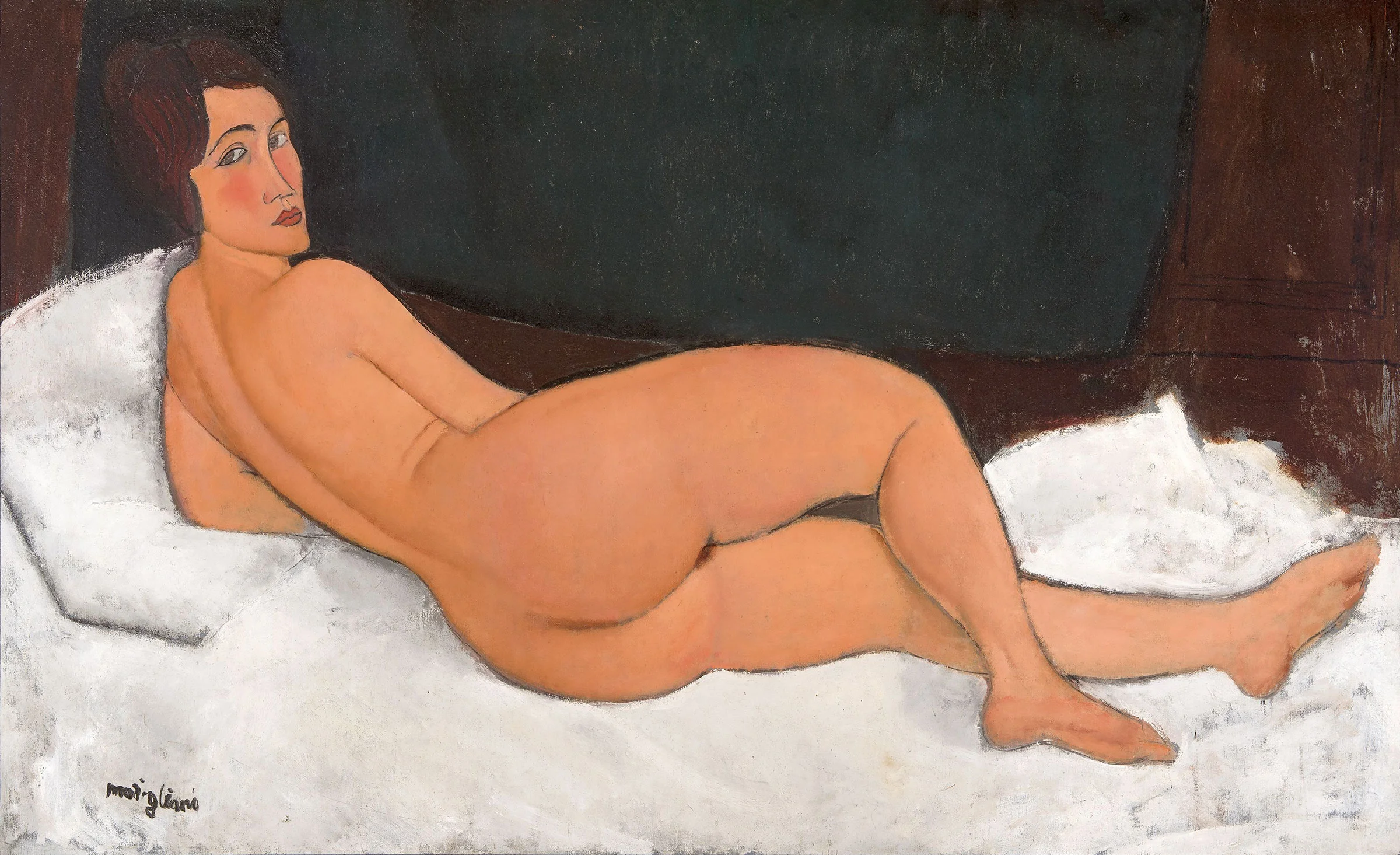
A similar case is the painting "Nu couché (Sur le côté gauche)" by the contemporary Italian artist Amadeo Modigliani, which was sold for $27 million in 2003 and auctioned for $157.2 million in 2017.
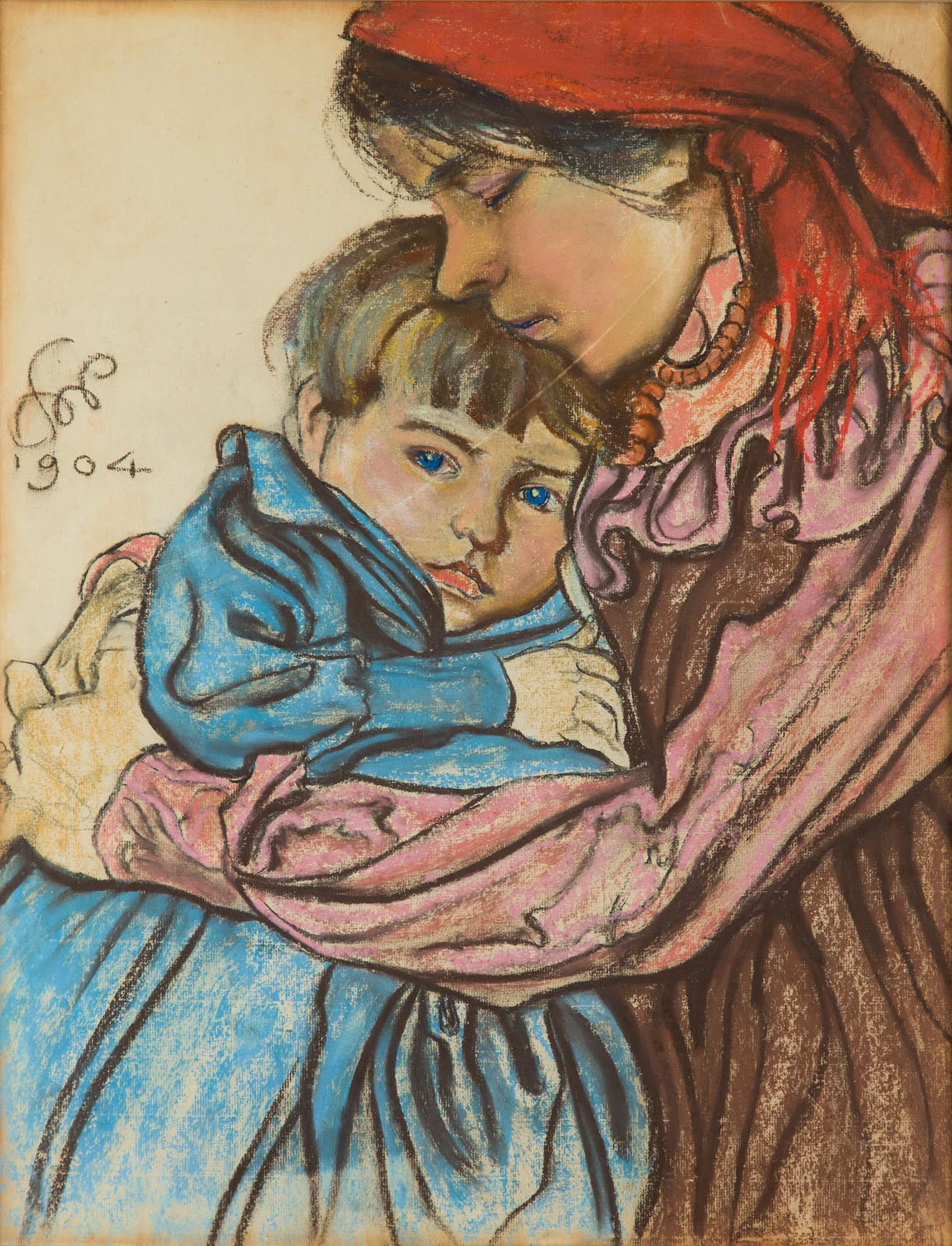
There are also examples among Polish artists of above-average price growth over time. Stanisław Wyspiański's painting "Maternity" was auctioned at the "Old Masters. 19th Century and Modern Art" auction at DESA Unicum in 2017 for a total of PLN 4.366 million (€1.013 million). In 2007, the selling price of this work was PLN 620,000 (€143,854). In just 10 years, the value of the work increased almost sixfold. A similar case is Józef Brandt's painting "Fair in the Region of Krakow," which was sold for PLN 2 million (€464,030) in 2019, and in 2021 the work was acquired for PLN 3.9 million (€904,858).
The Contemporary Art Market also records significant growth. The first public auction of Wojciech Fangor took place in 1985 at Sotheby's in New York, and his painting "38 M 56" was auctioned for €304. In light of the current hammer price for the works of this artist (amounting to hundreds of thousands of dollars), this purchase would have yielded an astronomical rate of return in the event of a potential sale. In 2023, Wojciech Fangor's painting "M39" broke its own record during the December auction "Post-War & Contemporary. Op-art and Geometric Abstraction". Just five years after being sold in 2018 for PLN 4.7 million (€1.090 million), its value increased by almost 60%, reaching a price of PLN 7.5 million (€1.740 million). Zdzisław Beksiński's "Figure" from 1978 was auctioned for PLN 69,000 (€16,000). 9 years later, the artist's work went under the hammer again, achieving a price of PLN 1.9 million (€440,779), translating into a 2,682% increase in the value of the painting. Similarly impressive increases can also be noted among living artists. For example, the price of Agata Bogacka's work "The Man Who Wasn't There (1)" nearly tripled in just three years.

So what determines the rates of return on investments?
Research conducted in the art market indicates that works by old masters generate lower returns compared to contemporary art, which, however, carries higher risk than works by pre-war artists. Moreover, selected movements or periods in art, as well as specific characteristics of the work, enhance the profitability of investments. For example, the level of returns from avant-garde painting is higher than the return from bonds, and the painting of top contemporary artists has achieved higher returns compared to investing in shares of American companies and US government bonds. An analysis of world literature also indicates that returns achieved in the art market have a significant advantage over the level of interest rates and prevailing inflation, thus providing excellent capital protection. Worth noting is also the possibility of investment opportunities in emerging markets. Studies confirm that conducting transactions in such markets, compared to mature markets like the UK, France, or the USA, generates exceptionally high returns, which are higher than those on financial markets.
Referring to the characteristics of a given work, as well as the circumstances of its sale, the innovation of the painting, the technique used, documented provenance, signature, style, dating, condition, age, or surface of the work are equally important factors for achieving high prices and rates of return. For example, the price of a work increases on average by 27% when the artist's signature is on the painting. Additionally, existing literature also mentions the artist's reputation, age, number of exhibitions or their location, presence in the press, nationality, or gender as factors influencing the height of returns. The most famous and expensive works of old artists were created at the end of their careers, while the highest prices for contemporary artists were achieved by works created at the beginning of their creative path. Picasso's work, for example, achieved the highest prices between the ages of 21 and 34. Works created after the age of 63 were valued significantly lower. This speaks to differences in attitudes toward innovation and value in a given artistic epoch. Old masters' art is valued for its painting craftsmanship, while contemporary art seeks novelty and experiments with previously unseen forms.
Further considerations should also mention the circumstances of sale, i.e., the auction house where the auction takes place, the time, place, and even the weather. Auction houses with established market positions are synonymous with quality, typically offering the best works and guaranteeing high levels of achieved prices. Research conducted in 2012 by De Silva and others indicates that even the weather during the auction affects the outcome of the transaction, as it influences the mood of the bidders. In conclusion, it should be emphasized that the mechanism of forming hammer prices and potential rates of return is driven by many factors, both related to the work itself or the artist and external factors.
References:
Czujack, C. (1997). Picasso paintings at auction, 1963–1994. Journal of Cultural Economics, 21, 229-247.
De Silva, D. G., Pownall, R. A., & Wolk, L. (2012). Does the sun ‘shine'on art prices? Journal of Economic Behavior & Organization, 82(1), 167-178.
Pesando, J. E. (1993). Art as an investment: The market for modern prints. The American Economic Review, 1075-1089.
Ursprung, H. W., & Wiermann, C. (2011). Reputation, price, and death: An empirical analysis of art price formation. Economic Inquiry, 49(3), 697-715.
The content of this publication is for informational and educational purposes only. Before each investment, one should individually assess the benefits and risks associated with the planned transaction. Before making any decisions, consider (for example, with the assistance of a financial advisor) whether the transactions are suitable in light of the interested party's specific needs and financial situation, the adequacy of investing in any assets, or the application of any investment strategies.
The information presented is based on the authors' current knowledge at the time of publication and may become outdated. It also does not constitute a guarantee that the art market will maintain its previous trends in the future. Trading in works of art is always associated with a series of risks that should be individually considered before making a transaction. No information contained in the publication constitutes investment advice or any opinion regarding the suitability of any securities, and the opinions expressed on this page should not be treated as advice regarding the purchase, sale, or possession of any securities. DESA Unicum and the author of the publication are not responsible for the decisions made by recipients of the published content, which always remain the individual choice of the parties involved in potential transactions.
Investing always carries the risk of loss, and those interested in art market transactions should seek professional financial or legal advice.