
IS THIS ORIGINAL WORK OF ART?
Brief introduction to graphic art, part I
Graphic art is a fascinating field, appreciated by collectors - one may buy an original (sic) artwork much cheaper than a painting. In order to start collecting graphic works, you have to challenge the question, just like a disease, whether a print is original - is it an original work of art in the same way as a painting is? The answer is yes. But originality of prints is driven by a slightly different mechanism. Learning and understanding it is easy and allows you to enjoy the wonderful works of art created in the graphic medium. Having answered this question, one is free to appreciate the world of Dürer, Rembrandt, Goya, Piranesi, Warhol, and Dali.
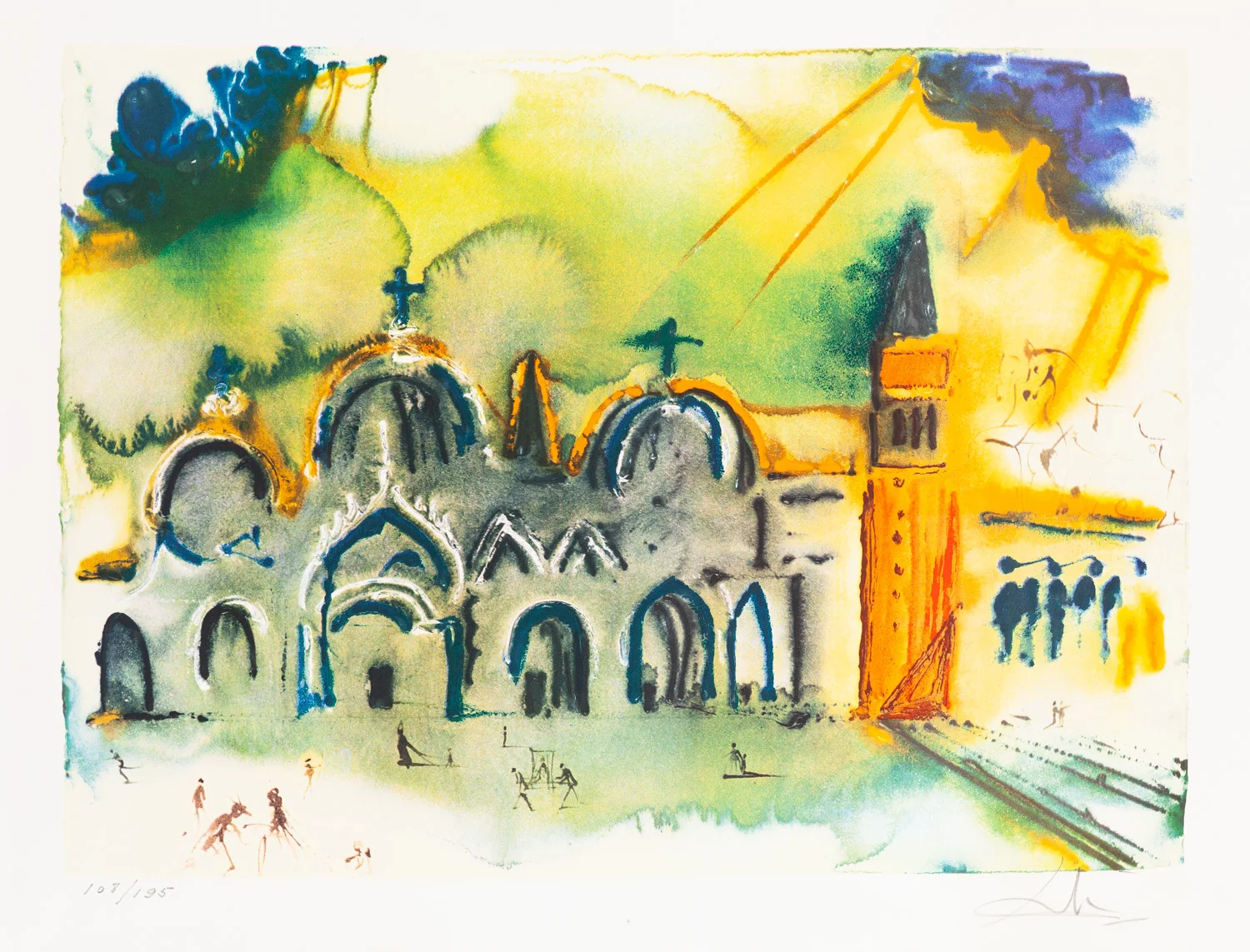
All doubts about prints stem from the fact that we are used to perceiving works of art as "marks" left by artists with the use of a tool on a physical matter or surface (brush-canvas, pencil-paper, chisel-marble). A painting is a record of the artist's work, and we feel that by looking at it (for example at a painting) we may almost grasp the author's hand.
It is a bit different with graphic works. There is one more "stage" between the artist's hand and the original work of art. This stage is creating a graphic matrix. The image created on the matrix can be impressed on paper many times. But, paradoxically - if we take painting as a reference - the original work of art is not the image on the matrix, but its impression on paper. In conclusion: the matrix "creeps in" between the artist's hand and the original artwork. One windmill created by the artist on the matrix may be used to impress, for instance, one hundred windmills on paper [see figure]. Each windmill impressed by the artist is his or her original work of art. A painter paints one, unique windmill. Accordingly, a graphic artist creates one, unique windmill (and makes multiple impressions of it). And each windmill will be an original work by the artist.
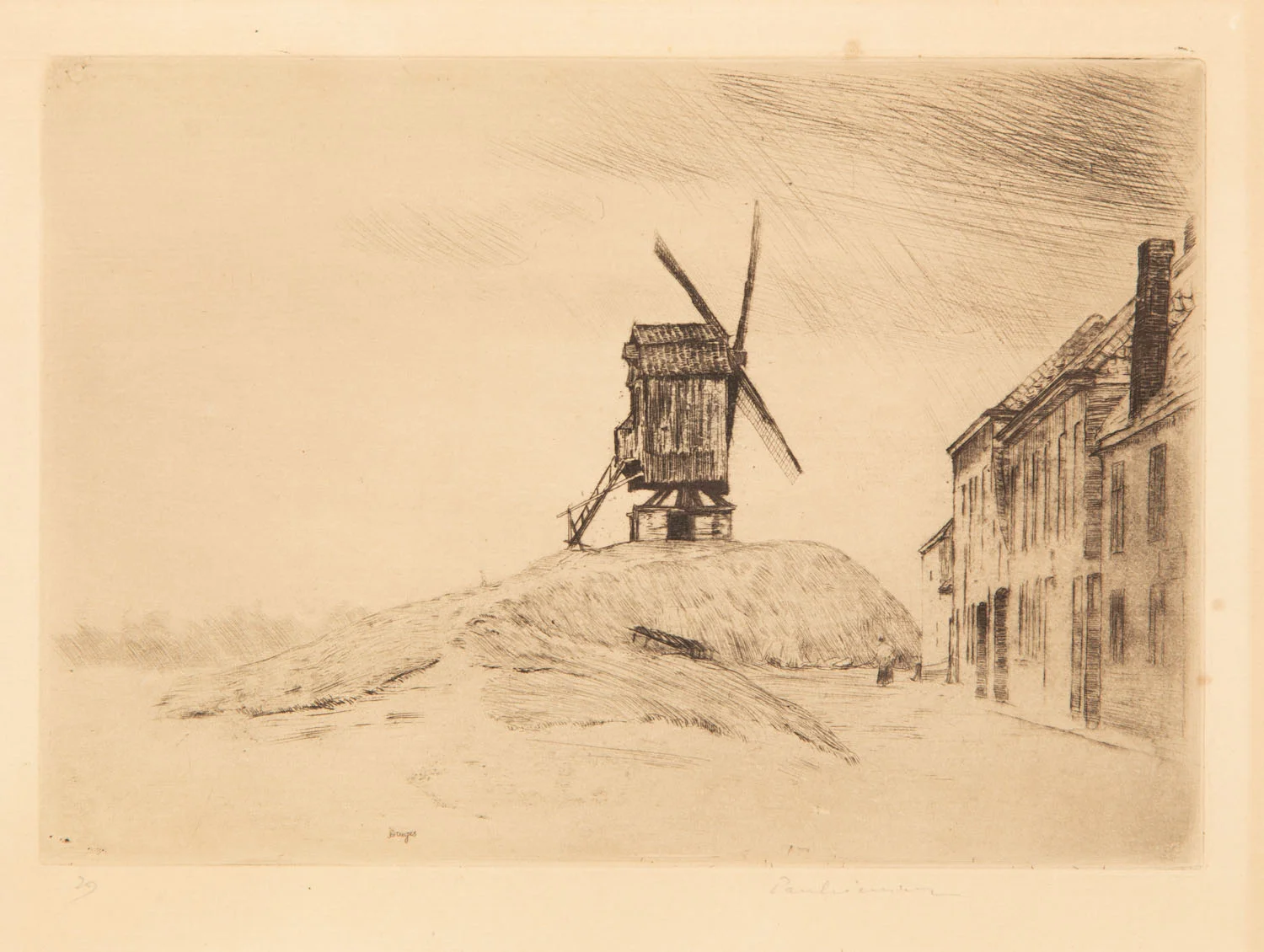
Pankiewicz's windmill was created (strictly speaking engraved on a copper plate) by Józef Pankiewicz and impressed one hundred times. Each of the hundred impressions is an original work of art by Pankiewicz. Consequently, we have one hundred windmills and each is equally original.
The content of this publication is for informational and educational purposes only. Before each investment, one should individually assess the benefits and risks associated with the planned transaction. Before making any decisions, consider (for example, with the assistance of a financial advisor) whether the transactions are suitable in light of the interested party's specific needs and financial situation, the adequacy of investing in any assets, or the application of any investment strategies.
The information presented is based on the authors' current knowledge at the time of publication and may become outdated. It also does not constitute a guarantee that the art market will maintain its previous trends in the future. Trading in works of art is always associated with a series of risks that should be individually considered before making a transaction. No information contained in the publication constitutes investment advice or any opinion regarding the suitability of any securities, and the opinions expressed on this page should not be treated as advice regarding the purchase, sale, or possession of any securities. DESA Unicum and the author of the publication are not responsible for the decisions made by recipients of the published content, which always remain the individual choice of the parties involved in potential transactions.
Investing always carries the risk of loss, and those interested in art market transactions should seek professional financial or legal advice.