
Female Pioneers of Abstraction
Rosenstein, Jarema, Tyszkiewicz, Abakanowicz, Maziarska – today we list these female artists in one breath as the most outstanding figures in Polish and world art history. It is hard to believe that their work was marginalized until recently. Regardless of their views or creative attitude, they all fought for artistic independence in spite of the stereotypical perception of "women's art" and harsh criticism. Today, women's art is being rediscovered and given its rightful place. The November " Abstractionists" exhibition may give you a different perspective on abstraction, from female pioneers of the avant-garde to representatives of the new generation.
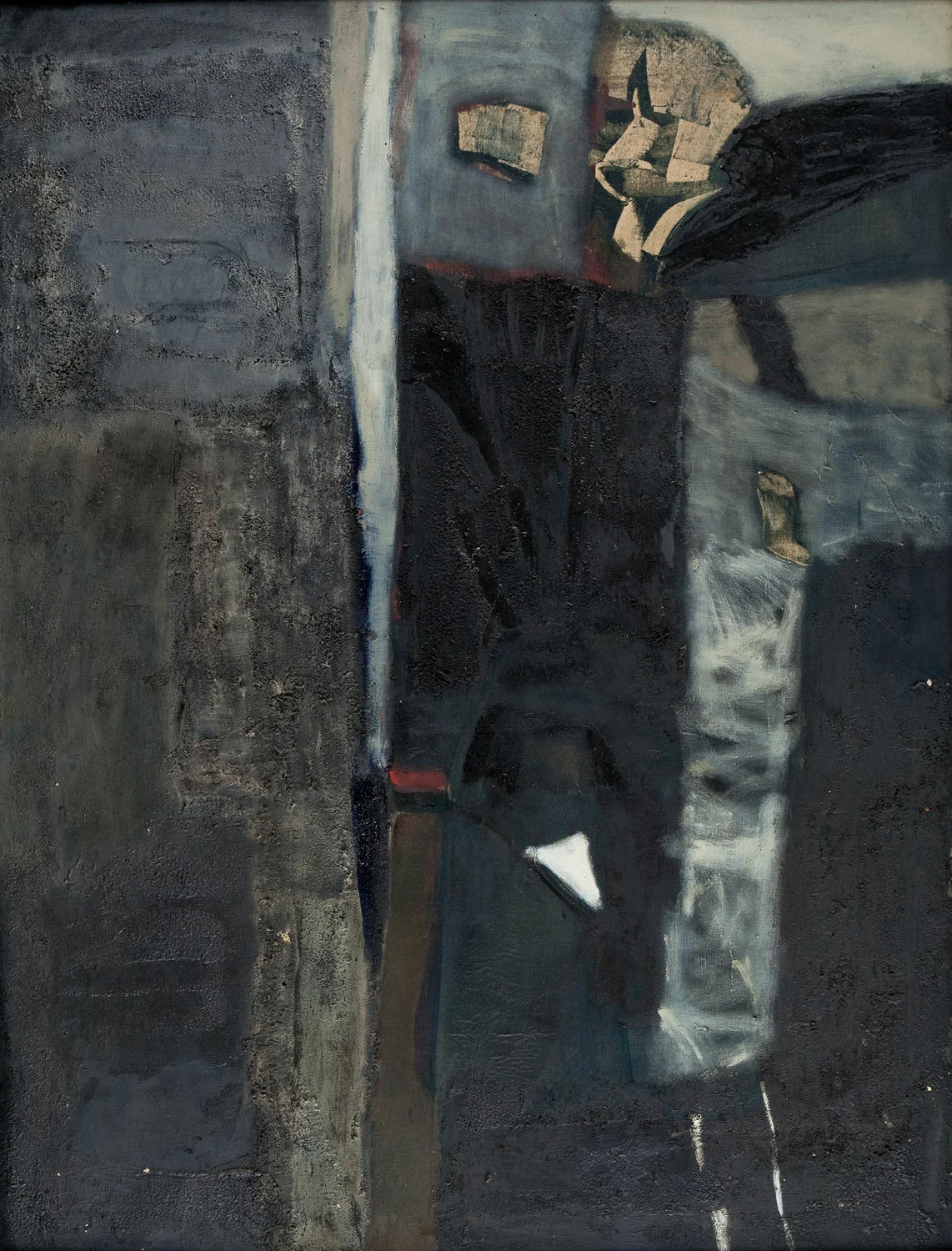
"How is it going? I just paint, I paint all the time.
So, can we say that painting is your hobby?
I think so, although it balances with my second hobby – taking care of Filip."
- Fragment of an interview with Teresa Pągowska, 22.12.1981
This is how a short interview with Teresa Pągowska begins. In 1981, the creator spent time lecturing at the Academy of Fine Arts and was one of the most important Polish artists. Her paintings were displayed, among others, at the exhibition "15 Polish Painters" in New York, where she was the only woman among men. There's a million dollars for whoever finds an interview in which a journalist describes Fangor, Gierowski, or Stażewski's painting as a "hobby." Journalists and critics tended to refer to the work by these and numerous other, even less deserving male artists, using terms like "passion," "mission," and "vocation." The perception of women's art was held to a slightly different standard.
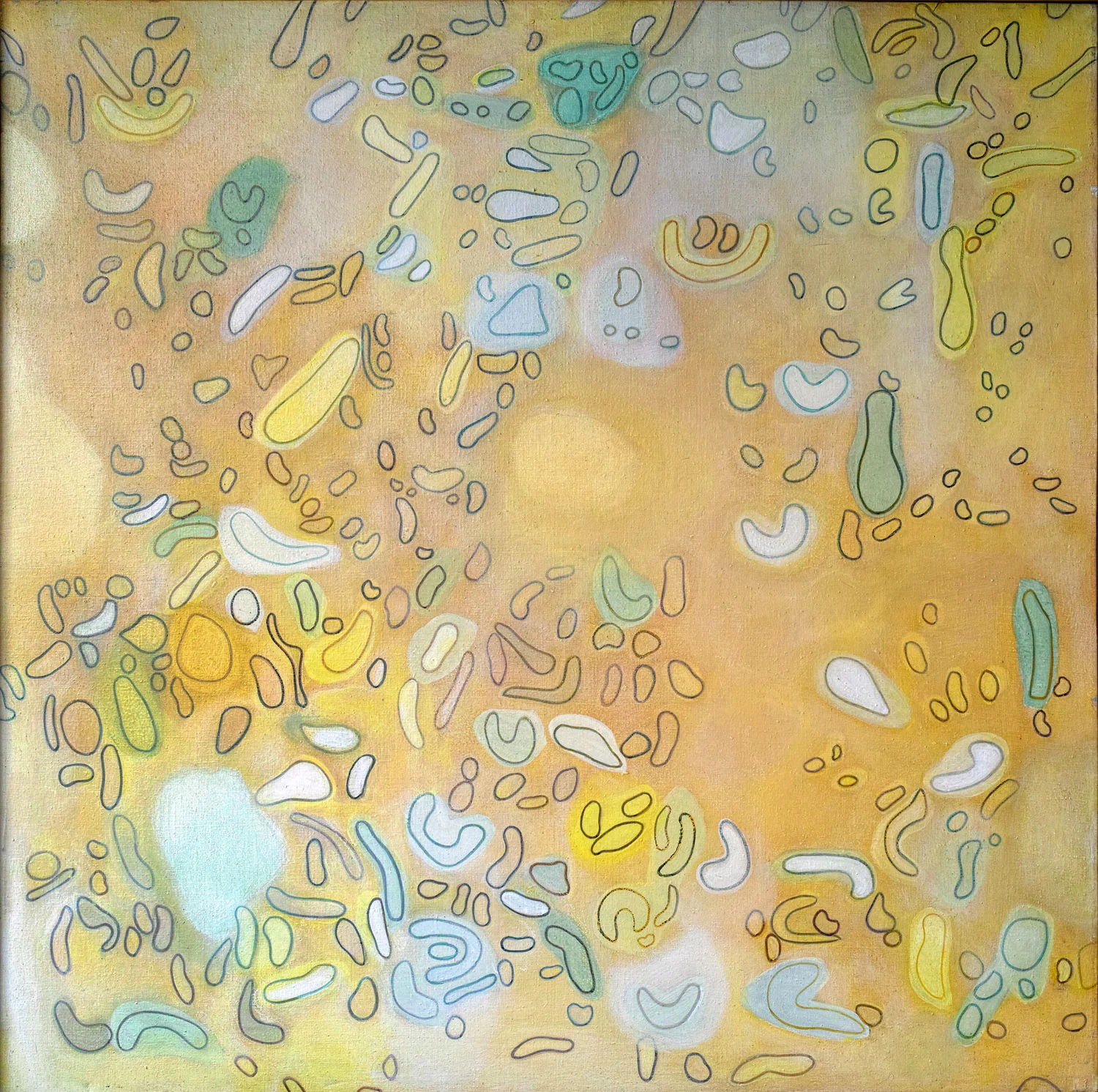
Jerzy Truszkowski wrote the following about Anna Cyronek, a representative of abstractionism from Poznań:
"On the one hand, women are typically denied the right to rationalism, to make artworks on the basis of preconceived assumptions (and this is how Anna Cyronek creates her art), and to intellectualism. Female geometrists are systematically marginalized compared to male geometrists, despite their work frequently exhibiting greater strength and power concentration."
According to Truszkowski, regardless of the degree of recognition and approval by critics, women's art had been viewed for decades through the prism of reference to their body or female experience which was opposed to rationalism. The accomplishments of female abstractionists were "incomprehensible" to critics if they could not be classified as experiences of physical or emotional femininity.
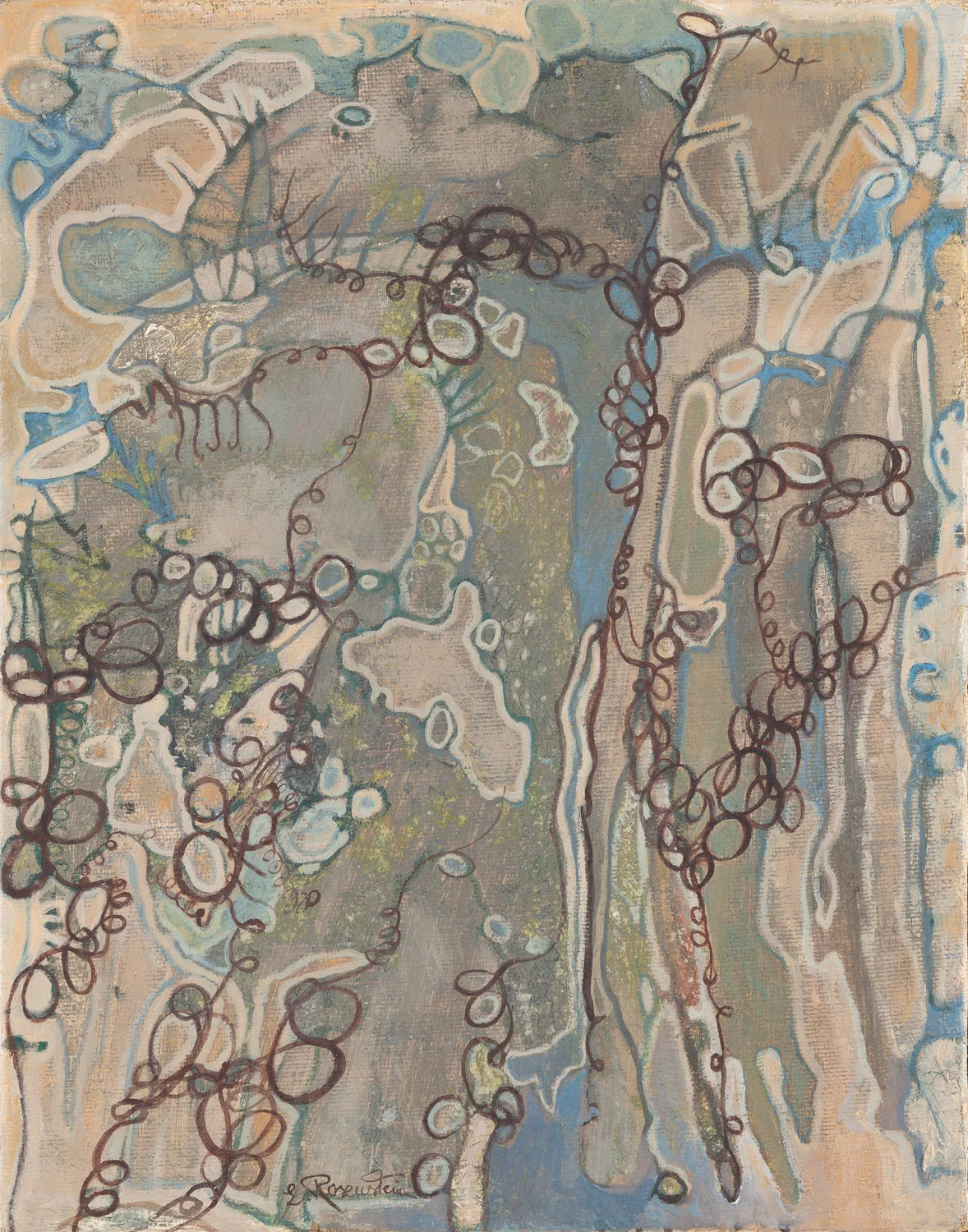
The abstractionists Erna Rosenstein and Jadwiga Maziarska are prime examples of such a misconception. Both actively participated in Polish artistic life after the war and were members of the II Krakow Group, with which they regularly displayed their works. Today, however, researchers must "discover" them based on bits of information, clippings, and loved ones' memories. Reviews of Rosenstein's 1967 solo exhibition in Zachęta prove this state of affairs. 217 works were presented in three enfilade rooms in Zachęta. Critics, however, paid more attention to the design of the exhibition by Tadeusz Kantor than to her creative output. Reading the reviews, you may think that Rosenstein played only a minor role in her own solo exhibition. "One could not have arranged this huge assemblage of works by Erna Rosenstein better than Tadeusz Kantor did in Zachęta" – wrote the outstanding critic Wiesław Borowski. Nowadays, these creators' "assemblages" of accomplishments are regarded as ground-breaking and innovative, and they are also referred to as strong, exceptional artists. Their work has been shown in numerous exhibitions and extensively discussed by art historians.
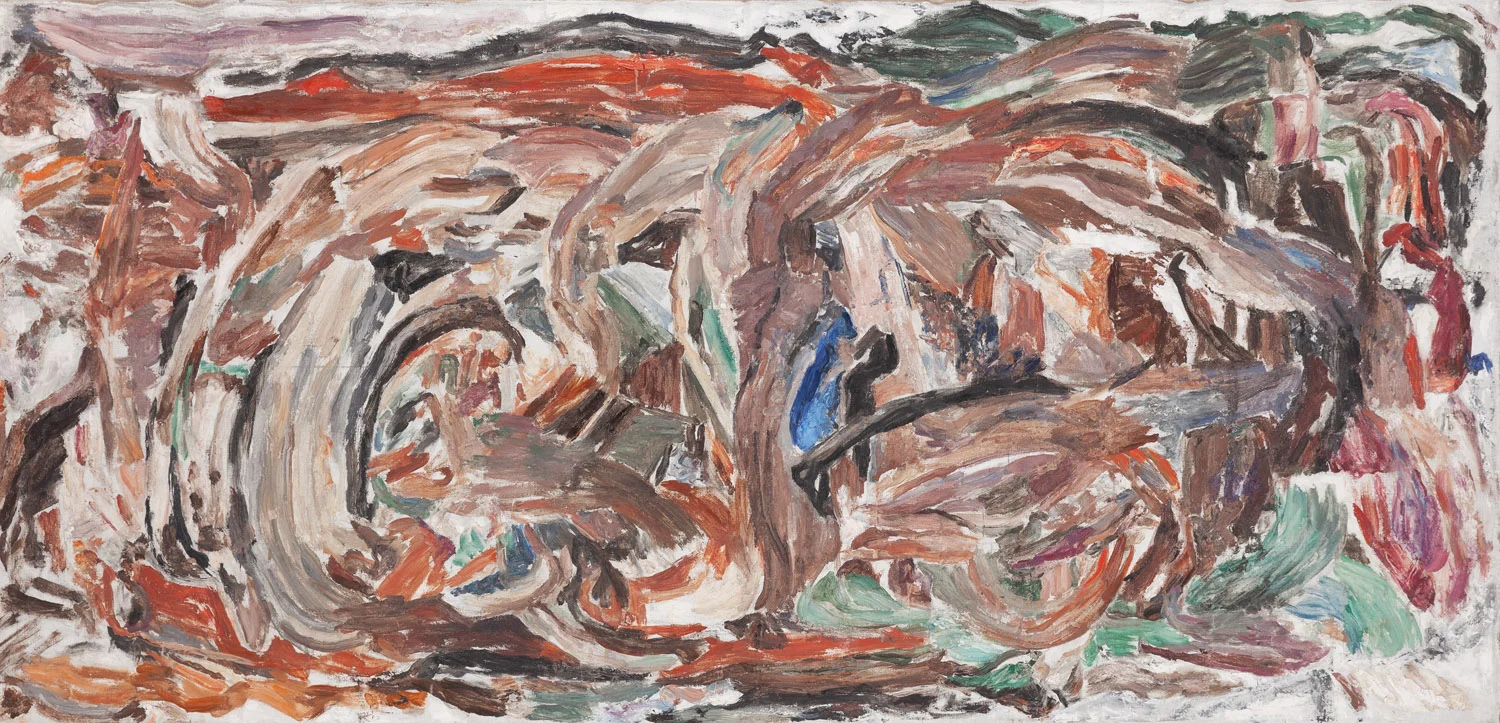
Magdalena Abakanowicz encountered another fate after being discovered outside of Poland. In the eyes of more progressive Western critics, "Abacanas" revolutionized the art of fabrics, which in Poland was regarded as a feminine craft. Her recognition on a global scale and Poland's pride taken in the talented compatriot gave rise to a monographic exhibition of her works in Zachęta in 1965. Ignacy Witz stated that "apart from the utilitarian aspect of these works, the exhibition of works by Magdalena Abakanowicz has become a really serious artistic event."
Numerous outstanding artists have reclaimed their rightful place in the history of art thanks to the efforts of male and female researchers. In most cases, people became aware of their accomplishments after the artist's death. The institutional context, which took the form of large monographic exhibitions and publications, brought the stories of these creators to the attention of a larger audience of scholars, art enthusiasts, and collectors. The "Abstractionists" exhibition offers a chance to see outstanding works by already recognized female artists as well as get familiar with new names of female authors of non-figurative art. Young female artists show that the spirit of abstraction – both expressive and constructivist – is still alive and that this artistic movement can be a brilliant carrier of meanings and ideas.