École de Paris: A short guide for collectors
The works of artists from the École de Paris circle and Polish artists settled in Paris in the first half of the 20th century were key objects in the most important private collections of Polish painting, mainly formed in the 1980s and 1990s. Currently, the works of the greatest artists of the School of Paris and painters permanently residing in Paris enjoy market triumphs and belong to the most expensive works on the Polish art market, as evidenced by record-breaking auctions of paintings by Mojżesz Kisling (2.4 million PLN/560,000 EUR), Mela Muter (1.8 million PLN/420,000 EUR), or Tadeusz Makowski (nearly 4.6 million PLN/1,060,000 EUR).
In the annual auctions dedicated to the École de Paris, we present both the most outstanding works by classic artists and the works of lesser-known but attractive artists from a collector's perspective. So what should you pay attention to when choosing works for your collection?
1. SURNAME - BRAND
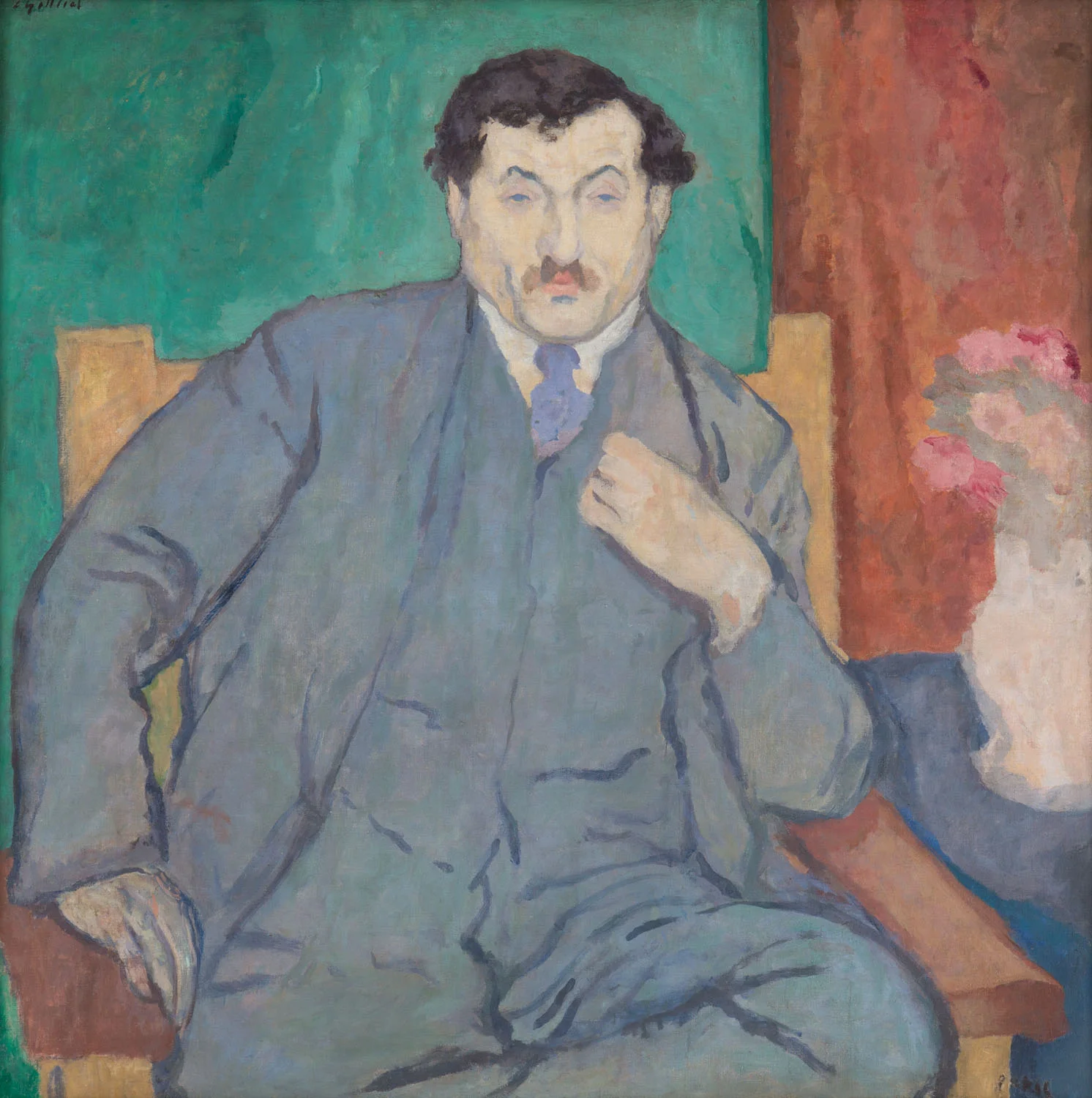
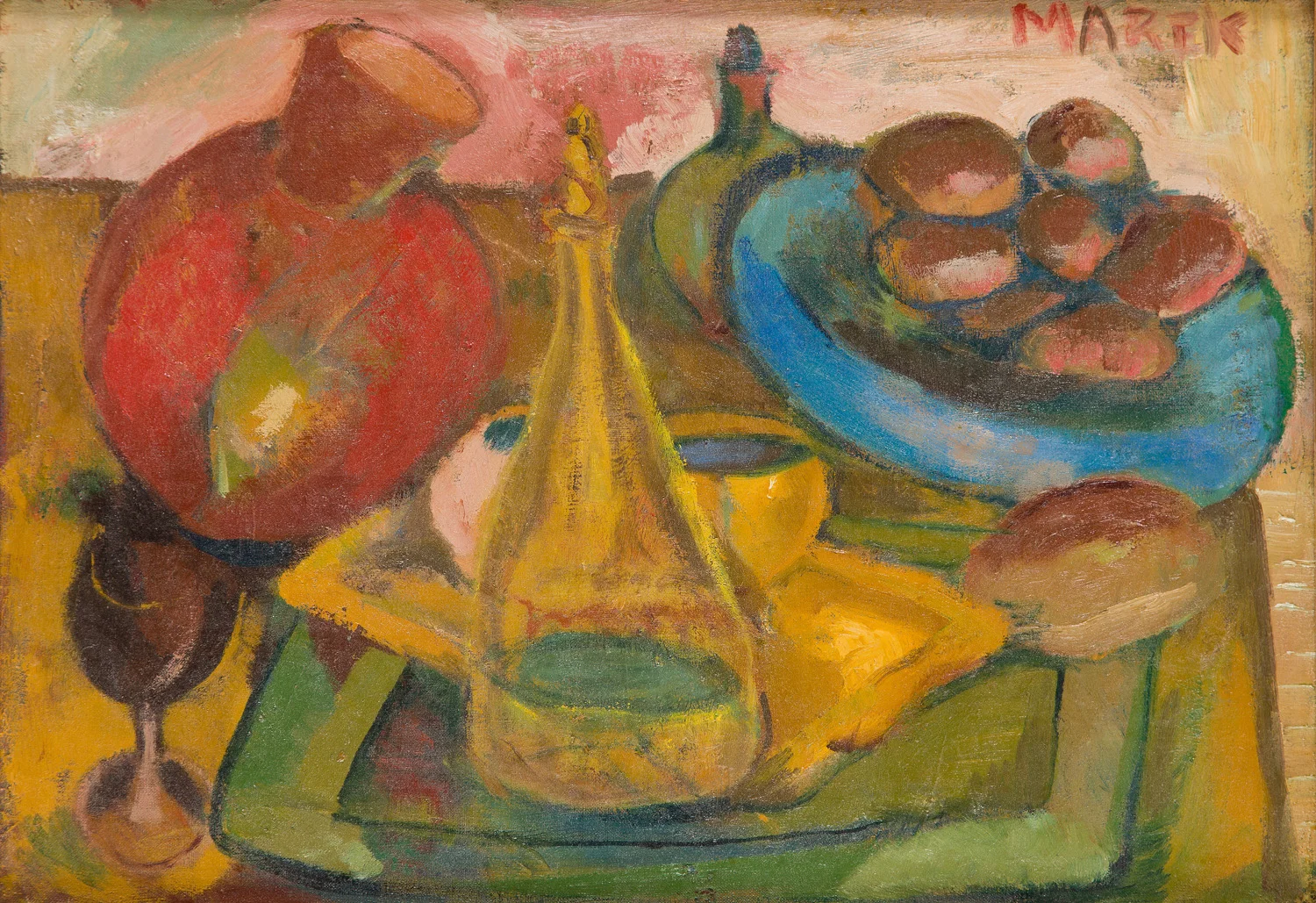
The artist's surname adds to the value of the work. The more highly esteemed the artist's name is by art historians and collectors, the higher the market value of the painting or drawing. Works by Mojżesz Kisling, Eugeniusz Zak, Henryk Hayden, or Mela Muter already belong to the European or even global canon of modern art. It is worth investing in works by recognized artists, as well as seeking works by high-class but rarer and less-known creators. Not every artist has created an oeuvre consisting of hundreds or thousands of pieces, and excellent works by Leon Kaufmann or Marek Szwarc are rare on the art market and deserve attention. They may turn out to be excellent investments in due time.
2. PROVENANCE - THE OLDER, THE BETTER
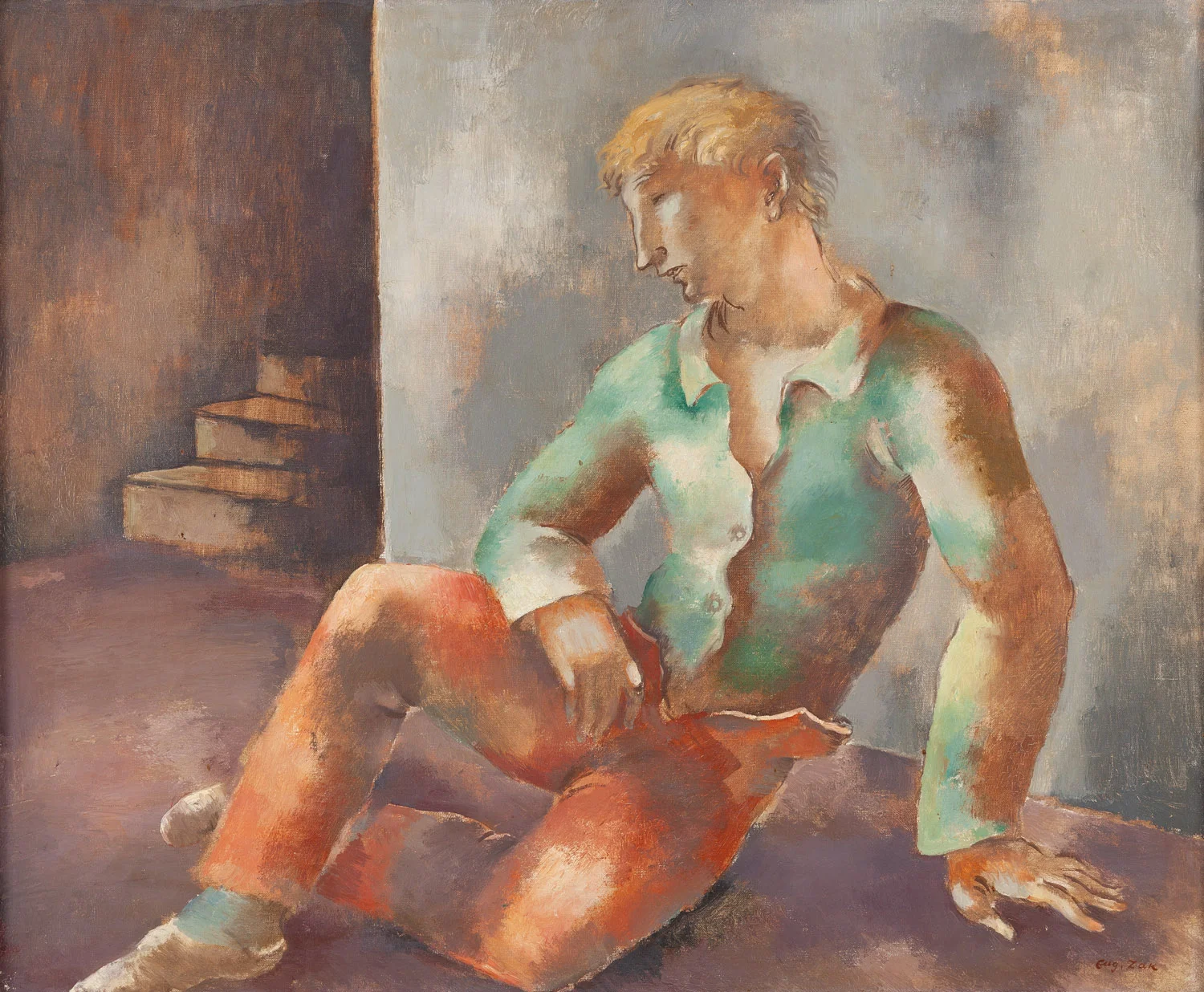
In the case of every work of art, complete, confirmed, and historically rooted provenance is a crucial aspect that builds its value. Provenance, from the moment the work of art left the artist's studio to the present day, is worth its weight in gold. Many works by Eugeniusz Zak have such provenance, as they were passed through the Paris gallery of the artist's wife, Jadwiga, to prestigious collections in America.
In the history of collecting works of the École de Paris, there are key names and institutions that first shaped the bohemian legend of this circle, and later the artistic canon. The first art collectors of the artists from the 14th arrondissement of Paris included such unconventional figures as police officer Léon Zamaron (his collection included, among others, "Still Life" by Marek Szwarc) or entrepreneur Jonas Netter (his collection included, among others, "Cubist Landscape with River" by Henryk Hayden). One of the most important collectors of the School of Paris, who dedicated his private museum Petit Palais in Geneva to this phenomenon, was Swiss entrepreneur Oscar Ghez (his collection included, among others, "Nude Lying on a Red Bedsheet" by Mojżesz Kisling).
In the last 30 years of the Polish art market's functioning, the École de Paris has been one of the key collector's phenomena, alongside the painting of Young Poland and the Munich Circle. An important role in this field was played by Wojciech Fibak and exhibitions of his Polish-Parisian collection (his collection included, among others, the painting "Fishermans' Supper" by Leopold Gottlieb) or the extraordinary activity of the private museum created by Marek Roefler, dedicated entirely to the School of Paris, Villa la Fleur in Konstancin-Jeziorna. In recent years, Villa la Fleur has hosted monographic exhibitions of lesser-known artists who soon found their way into the collector's canon, among others, Joseph Pressman and Nathan Grunsweigh.
3. TOPIC: TIMELESS
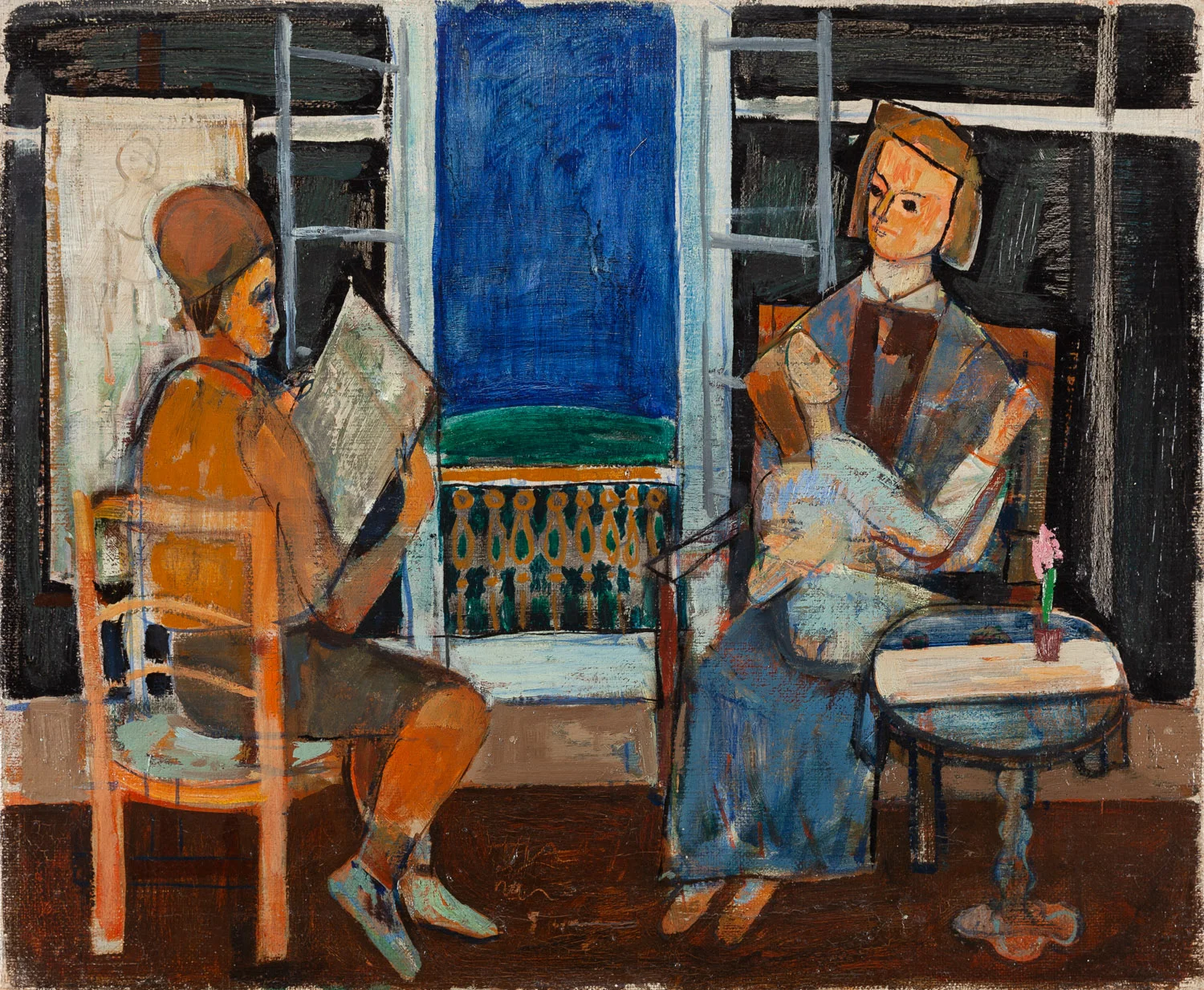
The painters of the École de Paris circle practiced art with a rich spectrum of themes, adapting their artistic ideas to the large but challenging Parisian art market of the 1920s and 1930s. . Polish artists sometimes engaged in radical dialogue with the latest trends in art, creating their own unique formulas, such as Bolesław Biegas' spherism (see), but many of their works consist of classics beloved by past and contemporary collectors, such as alluring nudes, colorful still lifes, or idyllic views of the French countryside. It is worth selecting works with themes for which a particular artist is renowned. Among the highlights of the School of Paris on the Polish art market are portraits of ethereal models with almond-shaped eyes à la Modigliani, painted by Mojżesz Kisling (see). Such works will always be attractive objects for the art market in terms of potential resale.
Furthermore, attention should be paid to masterful paintings with significant expression and themes that make them important historical documents of "museum" value. This category includes portraits of well-known figures from the Parisian bohemian scene, such as critics who shaped the face of modern art in its early decades, like Adolf Basler portrayed by Leopold Gottlieb.