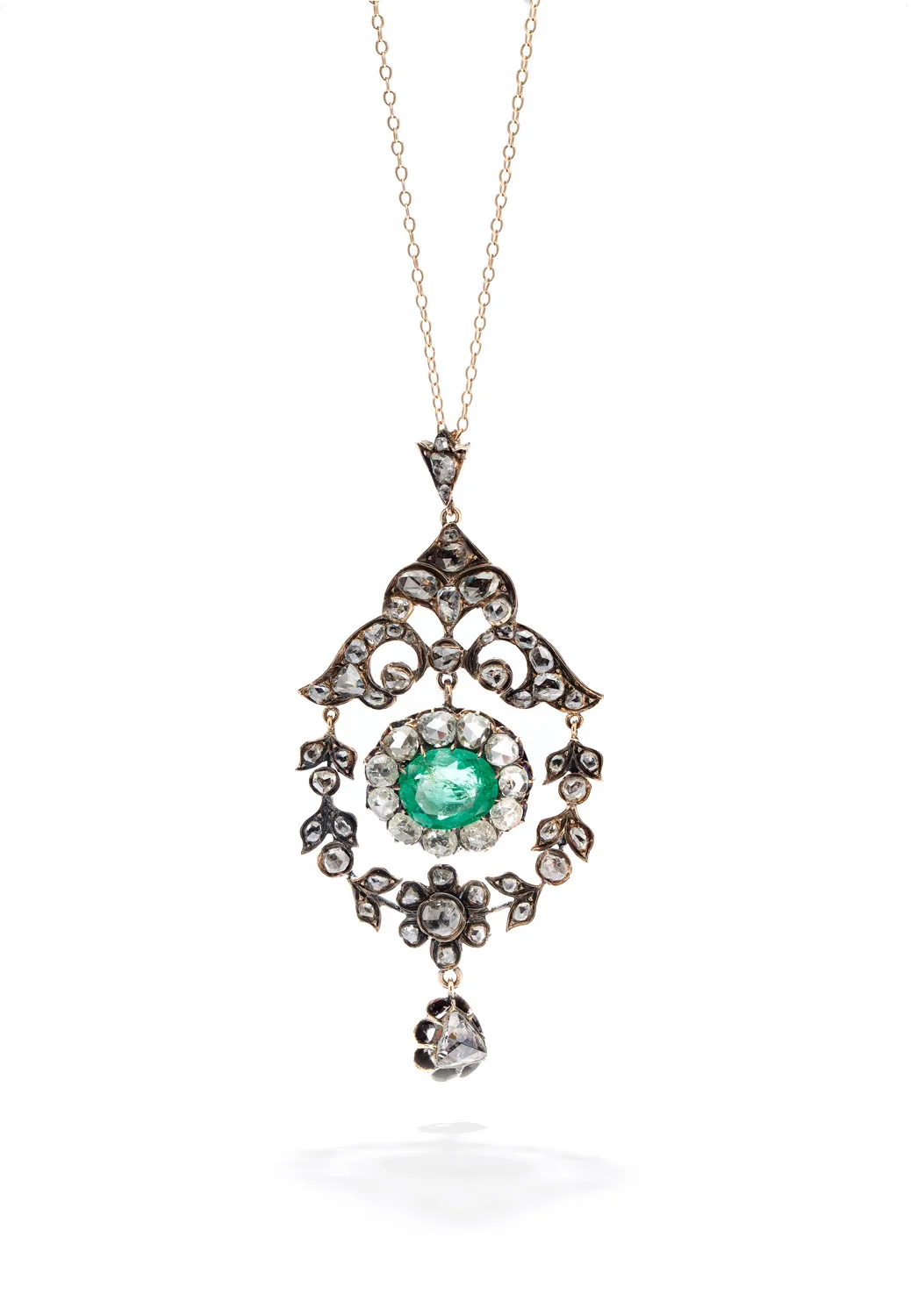
The emerald as the symbol of fidelity
The emerald stone is a type of coloured beryl that has been known and used in jewellery art since antiquity. It is the most expensive, as well as the most appreciated kind of this mineral. This beautiful, precious stone of a dark green colour has inspired awe for centuries - the list of its admirers includes those from ancient civilizations or powerful medieval empires, popes, contemporary royal families, and Hollywood celebrities.
Its name derives from the Greek smaragdos and means a ‘green stone'. Hence, in ancient times, all stones of similar colour were named after it. For centuries, the extraordinary and intense green of emeralds has been especially admired. The barely visible gradation of the green palette ranges from the colour of pale green leaves, through sharp green, to the sombre fir green. Emeralds often appear ‘foggy' due to inclusions; however, those are not considered as a defect unless there are not too many of them. Nevertheless, the most valuable emeralds are transparent stones. Columbia is considered one of the most important emerald deposits. That is where mines providing the best quality stones are.
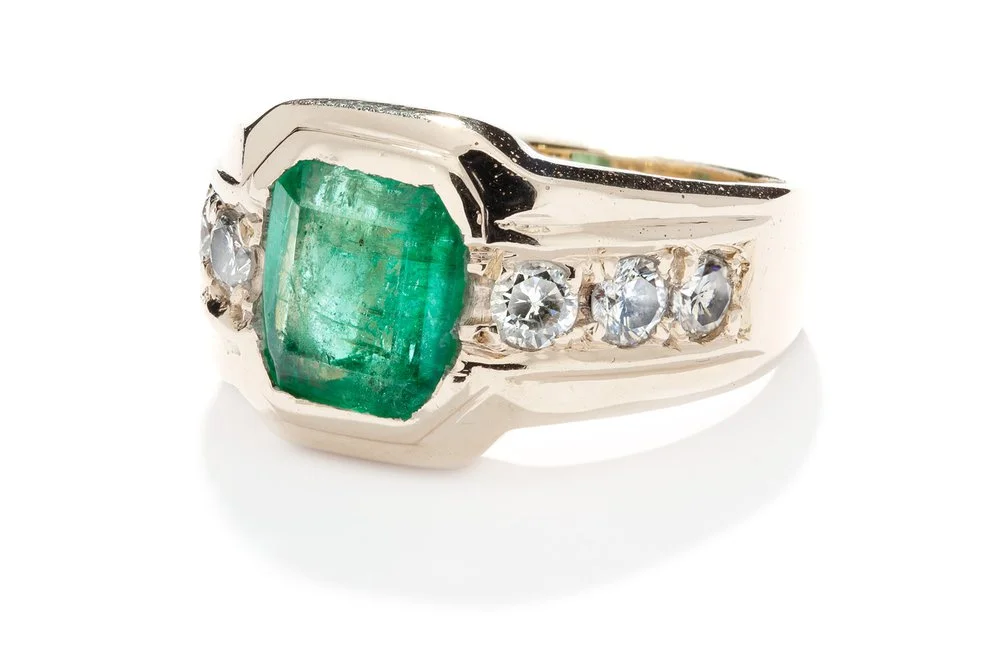
In the past, emeralds were attributed magical and healing properties, and therefore, were used as amulets. The Aztec and Inca civilizations perceived them as sacred stones, and thus, decorated death masks with these jewels. Green was also the sacred colour to the Egyptians, who buried the Pharaohs with emeralds - the symbol of eternal life. In antiquity, the largest mines of these green stones were located on the Red Sea coast. They were named the ‘Cleopatra's Mines', as emeralds were one of the favourite jewels of the Queen of Egypt. The famous Egyptian emerald mines constituted the main source of the stones in the world until significant deposits in America were discovered. Today, the ‘Cleopatra's Mines' have a purely historical value. Emeralds also played a significant role in medieval court life. Rings set with precious stones were often the prices in tournament competitions.
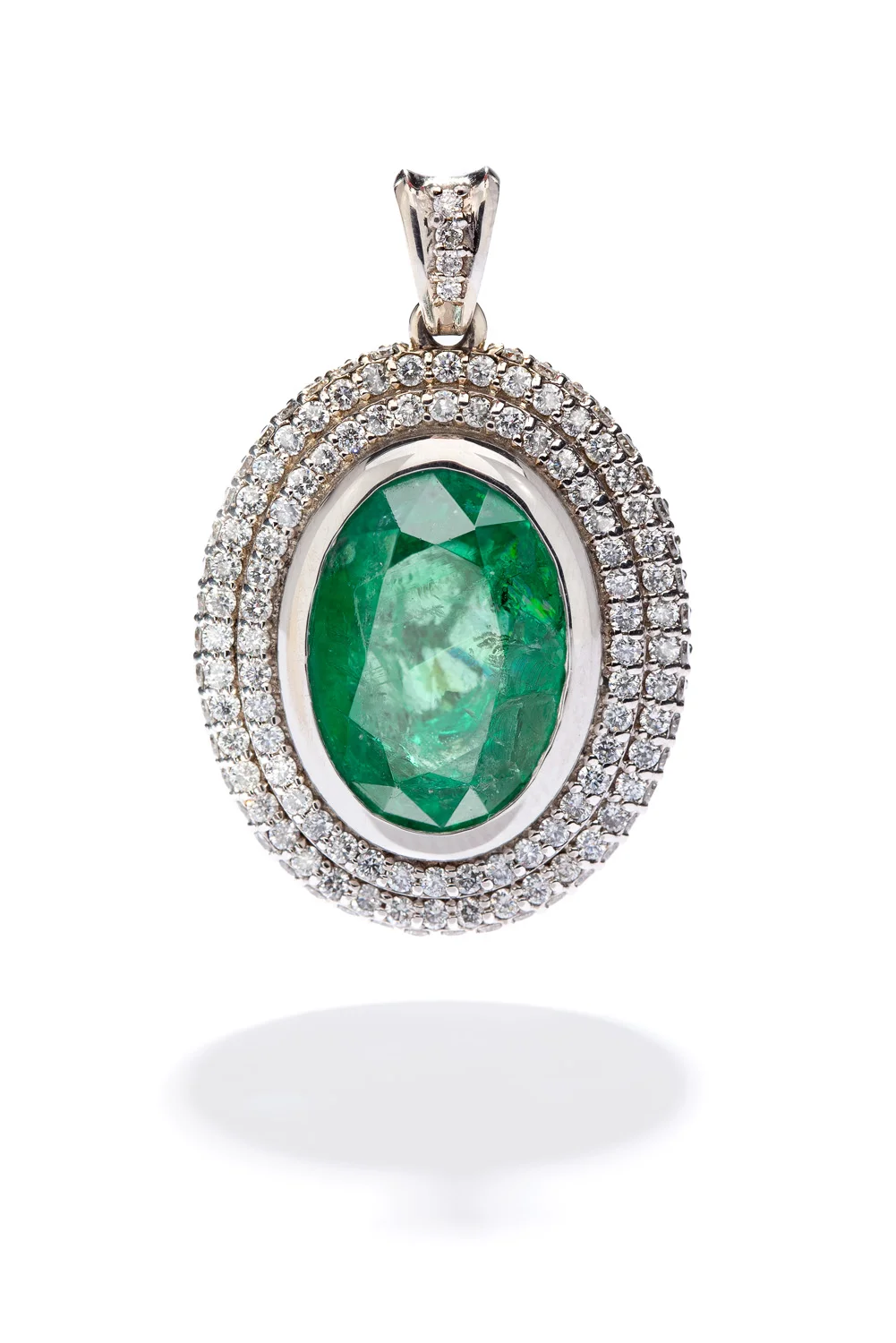
Due to the inaccessibility of the gem, it has been an object of desire for rulers over the centuries and has been associated with the symbol of majesty and wealth. One of the biggest and most awe-inspiring emerald collections was assembled by the Iranian monarchy. It consists of tiaras, thrones, necklaces, swords, shields, snuffboxes, and crowns - all set with emeralds. The so-called ‘Pahlavi Crown' is one of the most valuable insignia from the collection and contains five large emeralds of a total value of 200 carats. Also, the British royal family adores emeralds. Many of the fine jewellery pieces were set with green emeralds, also referred to as Cambridge emeralds. Among others, the Cambridge emeralds have adorned the tiara belonging to Mary of Teck, the wife of King-Emperor George V. The Queen ordered to have it made for the coronation of the British rulers as the Emperor and Empress of India in 1911.
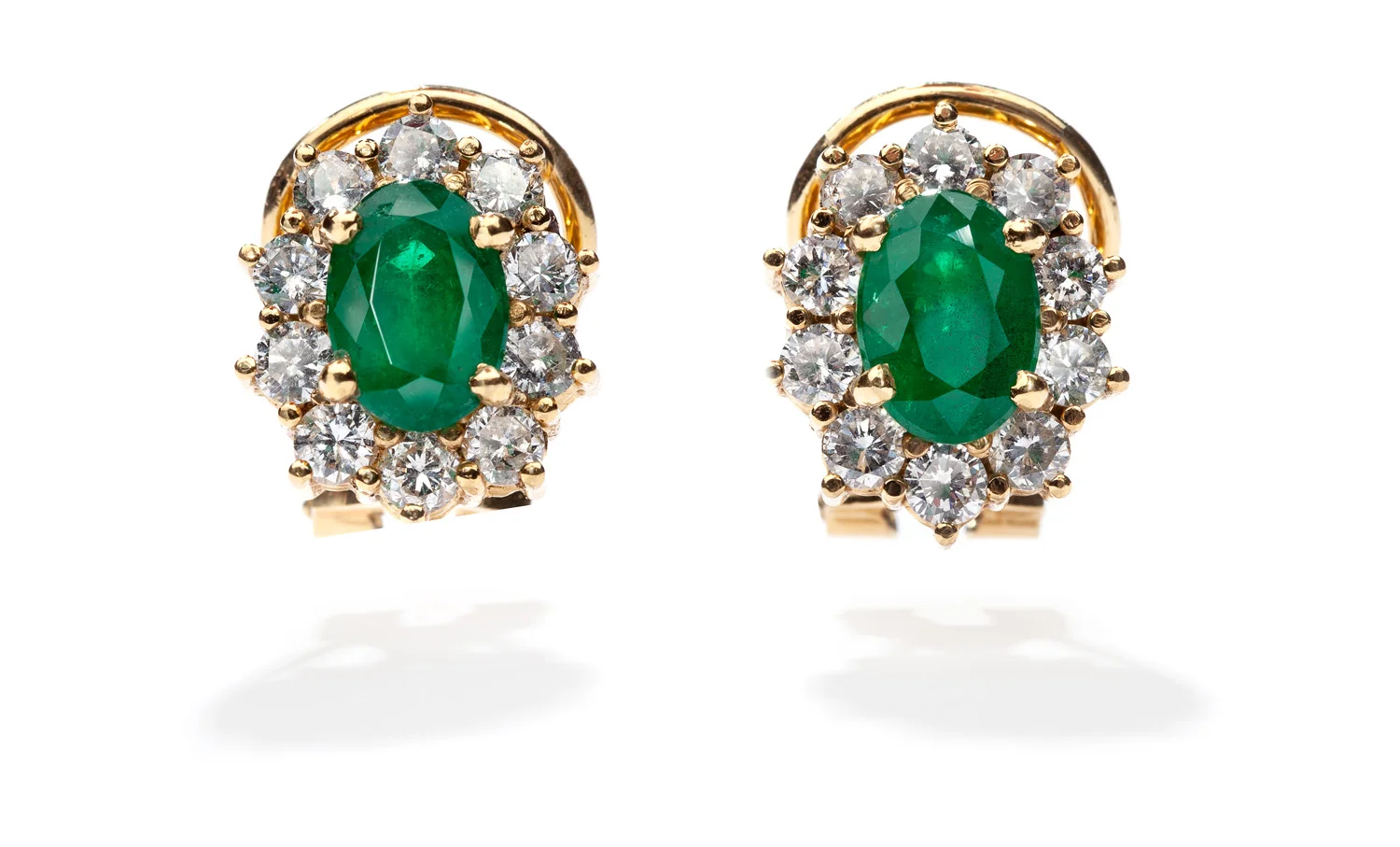
The emerald, for centuries considered as the symbol of fidelity, is also regarded as the stone that makes a perfect engagement ring. An almost 3-carat emerald, alongside a 2.88-carat diamond, served as the setting for Jackie Kennedy's engagement ring. An emerald Bulgari brooch was presented to Elizabeth Taylor by Richard Burton as an engagement gift. In the later years, the actress received a necklace, earrings, a bracelet, and a ring from her husband - all of them set with emeralds, making Taylor the owner of a valuable emerald set. Emerald jewellery may also be a perfect gift for a 55th, emerald, wedding anniversary.