
Erna Rosenstein’s exhibition at Zacheta
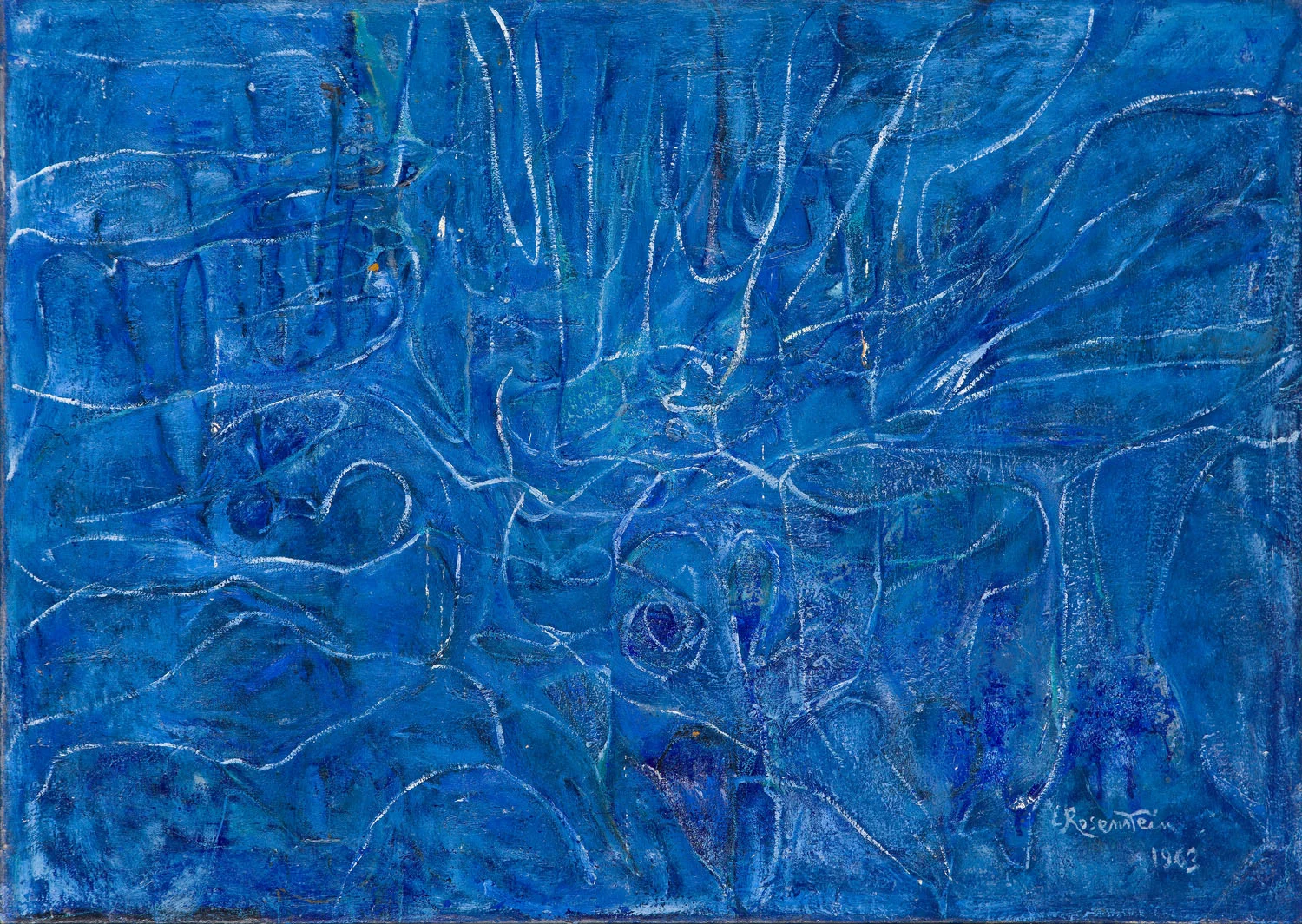
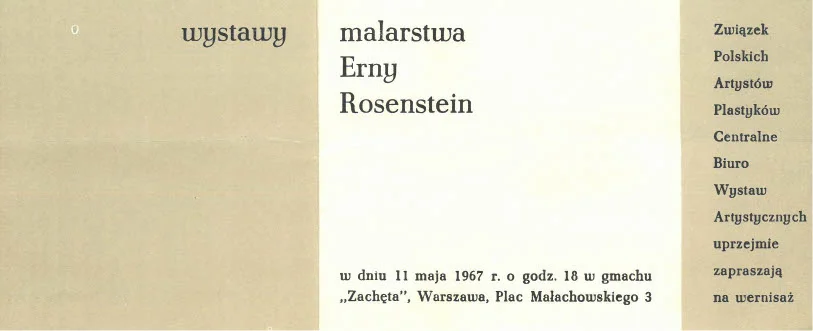
“Echa Niebieskie" from 1963 is one of the best examples of Erna Rosenstein's artworks from the prime time of her artistic activity. It was originally presented during a solo exhibition in Warsaw's Zachęta in 1967. During the exhibition the artist exhibited 217 other artworks created between 1949 and 1966.
See
Read
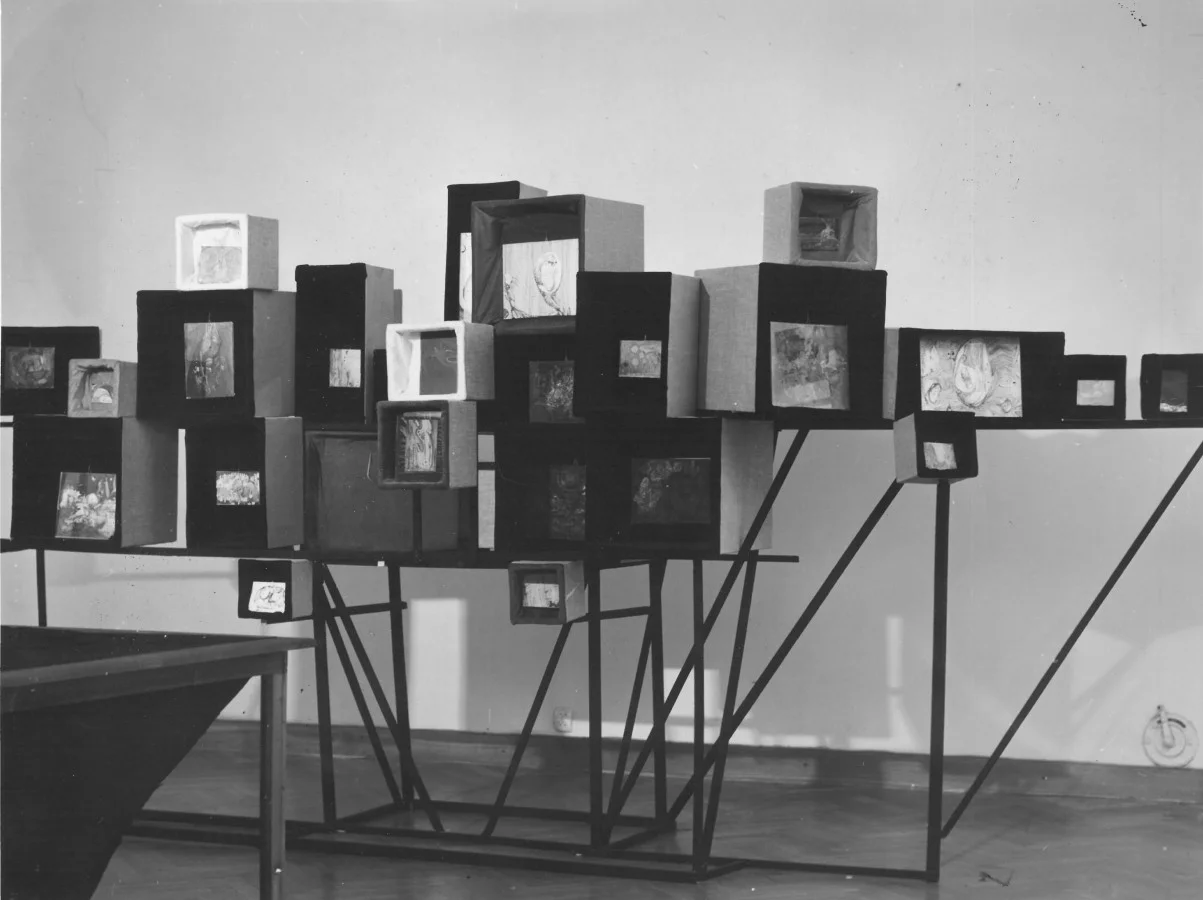
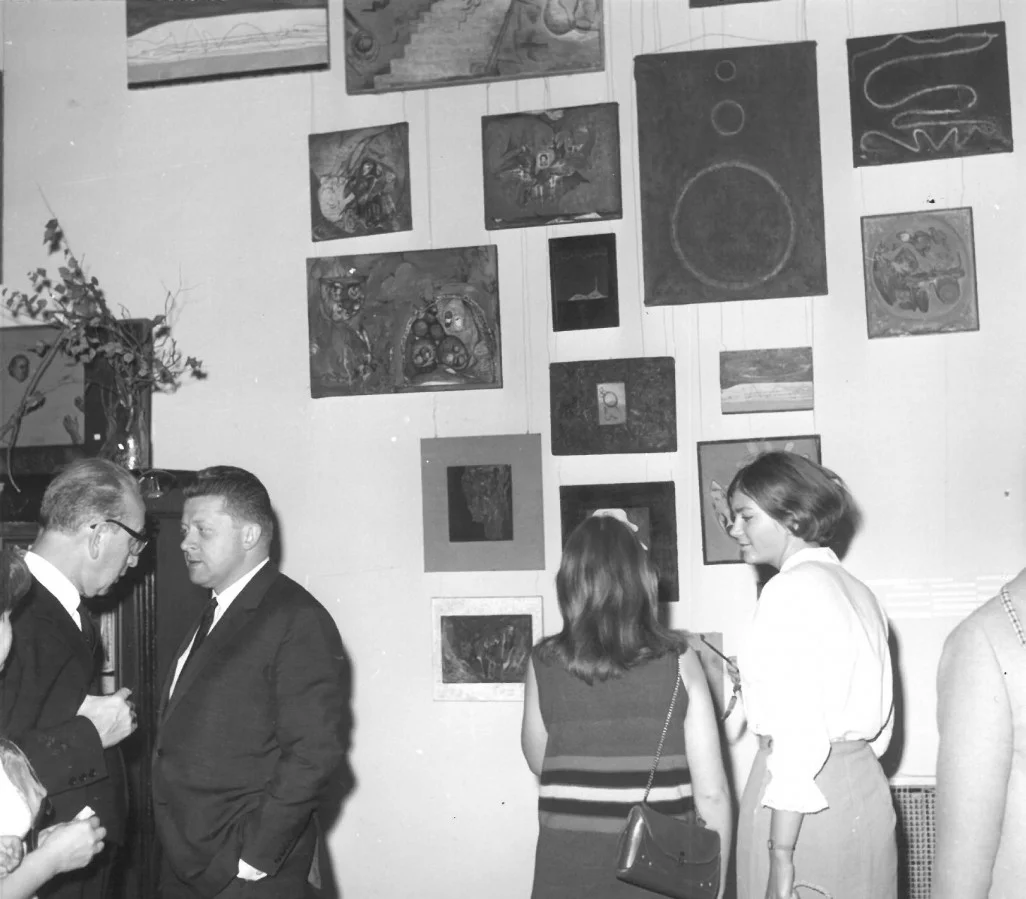
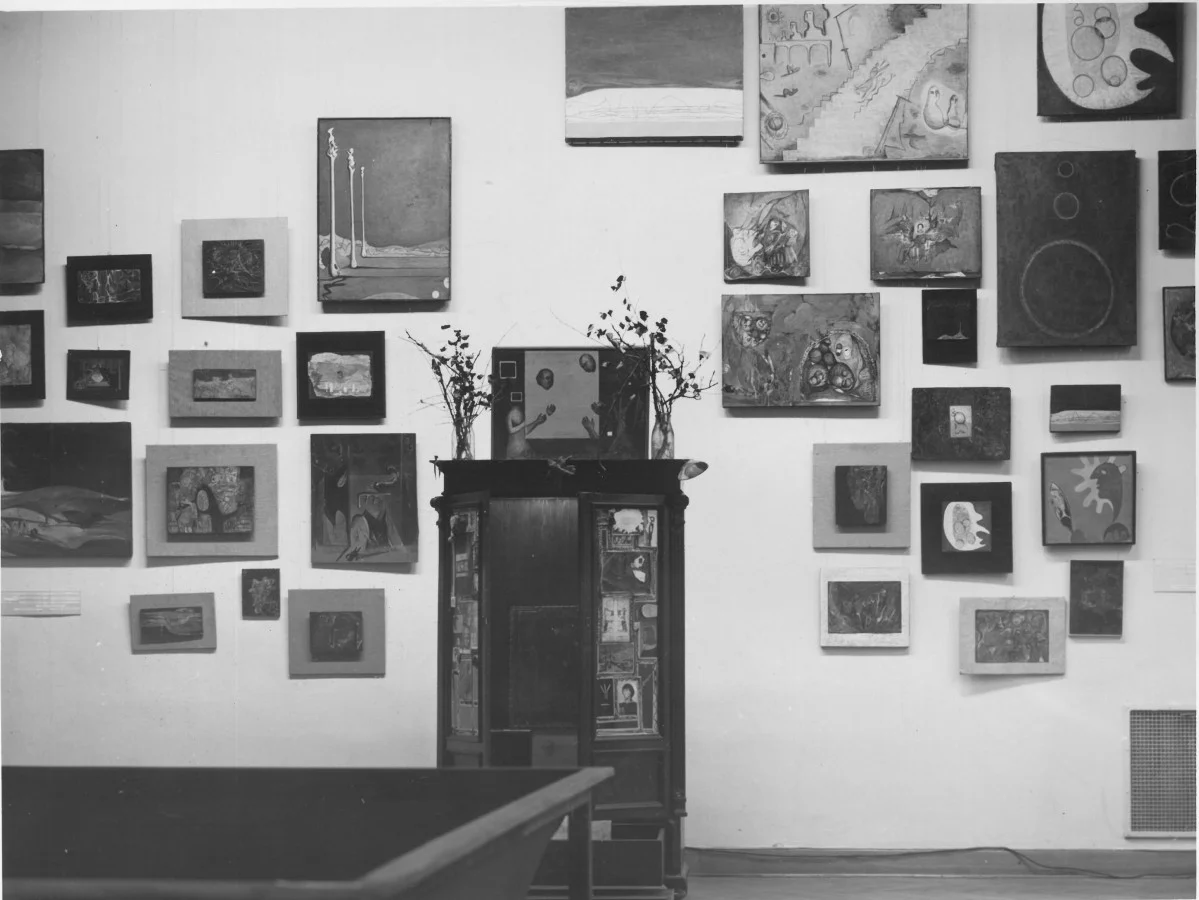
From today's perspective, the exhibition is remembered as one of the most interesting ones out of the CBWA history, especially considering the presentation by Tadeusz Kantor which exceeded the standards at the time. He showcased the process of shaping an artistic style in an unconventional way, starting with early sources of influence. In one of the reviews Wiesław Borowski wrote:
“There was no other way of presenting such a large group of artworks by Erna Rosentein than it was showcased by Tadeusz Kantor at Zachęta Art Gallery. He scattered some of her works on the wall behind ‘the closet', he placed small formats in chests padded with velvet in a range of different colors; other paintings in ‘closets' where they can only be seen if you were to sit on a chair. A big painting was placed on the floor in a ‘crater' with narrowing edges, and the rest in a canvas maze which filled the entire room. Unconventional, amazingly tactfully and accurately he understated the gravitas of the exhibition. Without interfering, he simply understood Erna Rosenteins works, Kantor bridged the gap between the artists genre and essence and the audience, and gave them a better chance to see individual works".
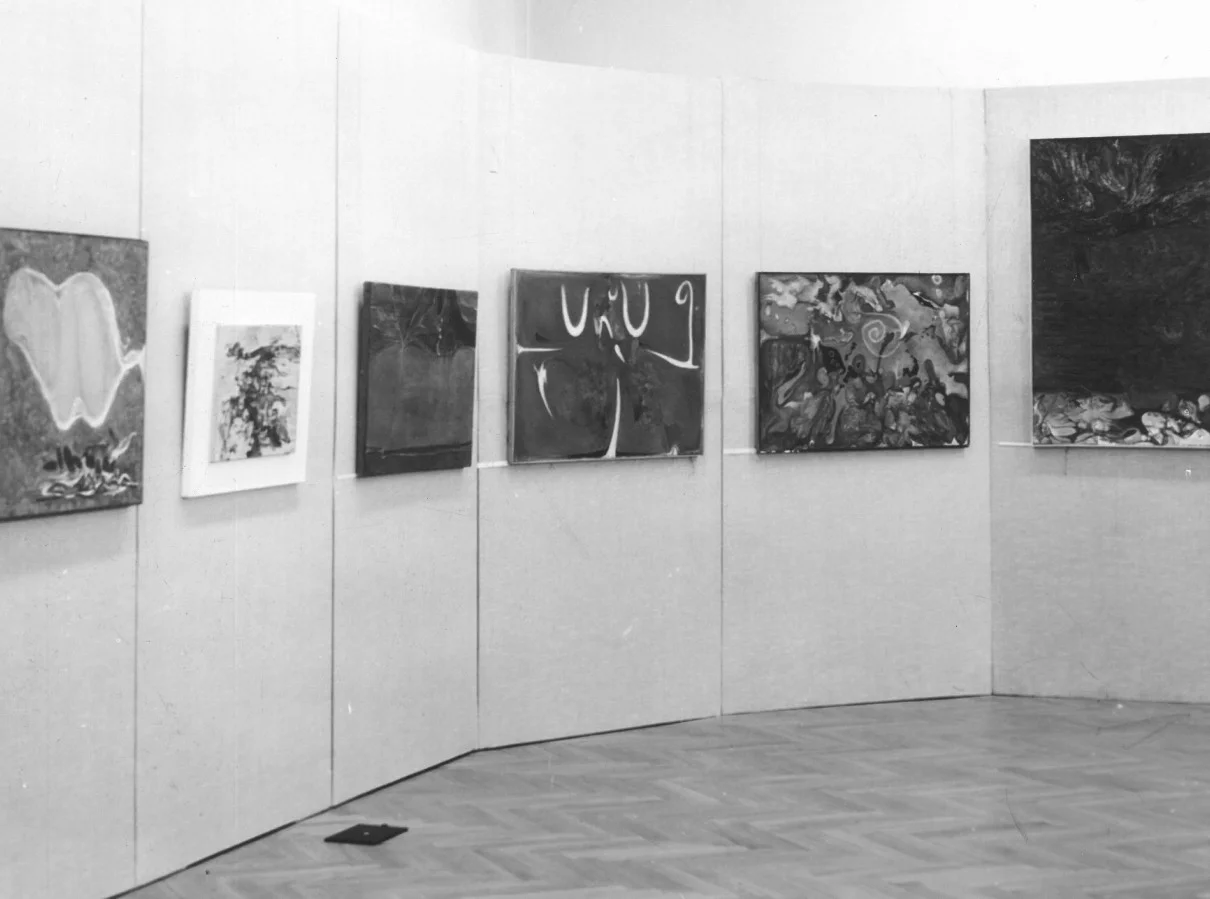
“Echa Niebieskie" is also a composition corresponding with the widely critically acclaimed stages of the artist's entire oeuvre. A line of paint guided by the surface of the canvas is Rosenstein's signature style especially during the 60s. “Echa Niebieskie" also has smooth shapes interpenetrating on the canvases surface in its decorative layer. The artists signature contour marks split colorful spots. A white line contrasting with a blue background is whirled with a fast yet balanced movement, suggesting an automatic drawing – a specific style of work practiced by the French surrealists. When Doritos Jarecka nad Barbara Piwowarska tried to capture the role of subconsciousness in Rosensteins works, they wrote:
“According to a well-known Freudian analysis the subconsciousness itself purses repetition and whatever is displaced ends up being pushed out to the surface of consciousness. Rosenstein's entire oeuvre is divided by the works of the consciousness which saves the individual's integrity, protecting it from falling into malaise and melancholy and the sphere that cannot be either named nor controlled. A sphere that is still emerging what's new and unknown"
(Dorota Jarecka, Barbara Piwowarska, Erna Rosenstein. ‘Mogę powtarzać tylko nieświadomie', Warsaw 2014, p.9).