
Decades: Masters of 20th Century Art on the Crest of Wave
One of the most intriguing theories that has shaped contemporary art history is the so-called "wave theory" (Wellentheorie). It is mainly thanks to this theory that artists' achievements are divided into periods and styles. The wave theory originated in the field of literary theory and was later transferred to the realm of art theory by the Swiss art historian Heinrich Wölfflin, one of the key theorists of early last century's architecture. In his university habilitation thesis, Wölfflin analyzed the reasons for style changes in art, aiming to develop certain patterns for a broader description of historical transformations.
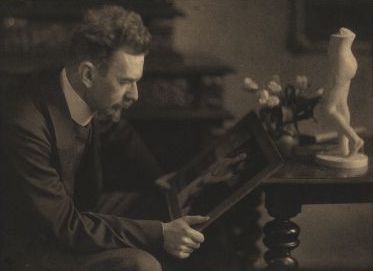
In his most important work, titled "Kunstgeschichtliche Grundbegriffe" (1915), he developed a typology of styles by comparing Renaissance works with those from the Baroque period. This typology was based on five conceptually opposing pairs: linearity and painterliness; planar composition and spatial composition; closed form and open form; clarity and obscurity; multiplicity and unity. According to his theory, all these pairs were interconnected and interdependent. Wölfflin also observed a certain regularity in how frequently these pairs occur, which, as categories of works used to describe artistic style, appeared alternately. This was a fundamental assumption of his concept, allowing him to distinguish and systematize the regular changes between linear and painterly periods in artists' work, which in turn enabled the classification of periods based on artistic styles. It is mainly thanks to Wölfflin that today we say that a given work was created in an archaic, classical, or Baroque period. Interestingly, in order to conduct his comparative studies, Wölfflin was the first to use two slide projectors during his lectures. This practice remained the main teaching method for art history at universities worldwide until the era of widespread digitization.
Heinrich Wölfflin referred to his theory as "Kunstgeschichte ohne Namen," meaning art history without names, because for him, the individual artist was less important than the historical development of relationships between individual works of art. This method gained considerable recognition, especially in architectural research, which for a long time was seen as the collective and therefore anonymous creation of a group of artists and architects. Wölfflin's wave theory largely initiated the contemporary "Madness of Cataloging" – the continuous need to categorize our surrounding reality, to create lists, catalogs, and archives, and to establish causal chains.
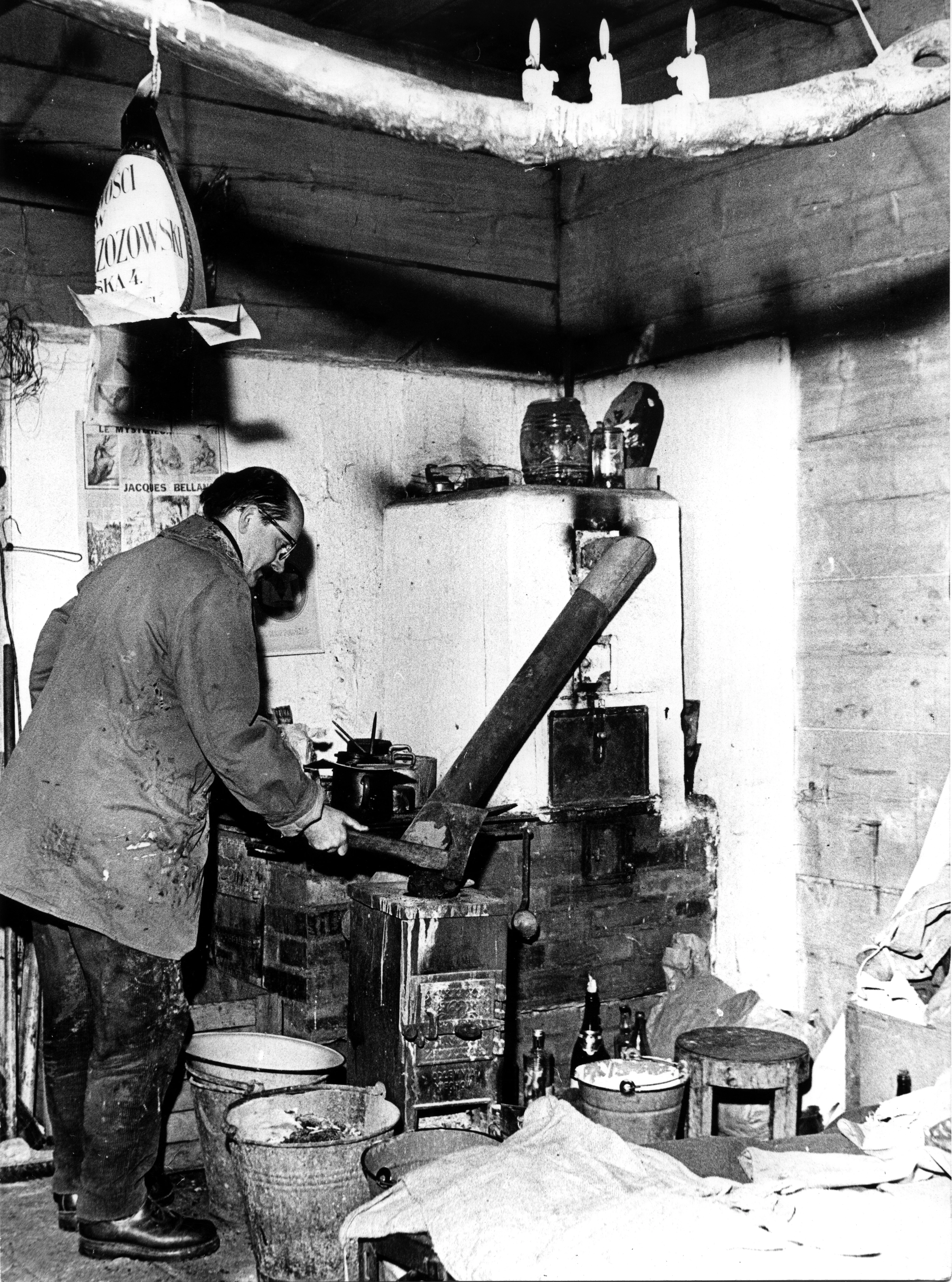
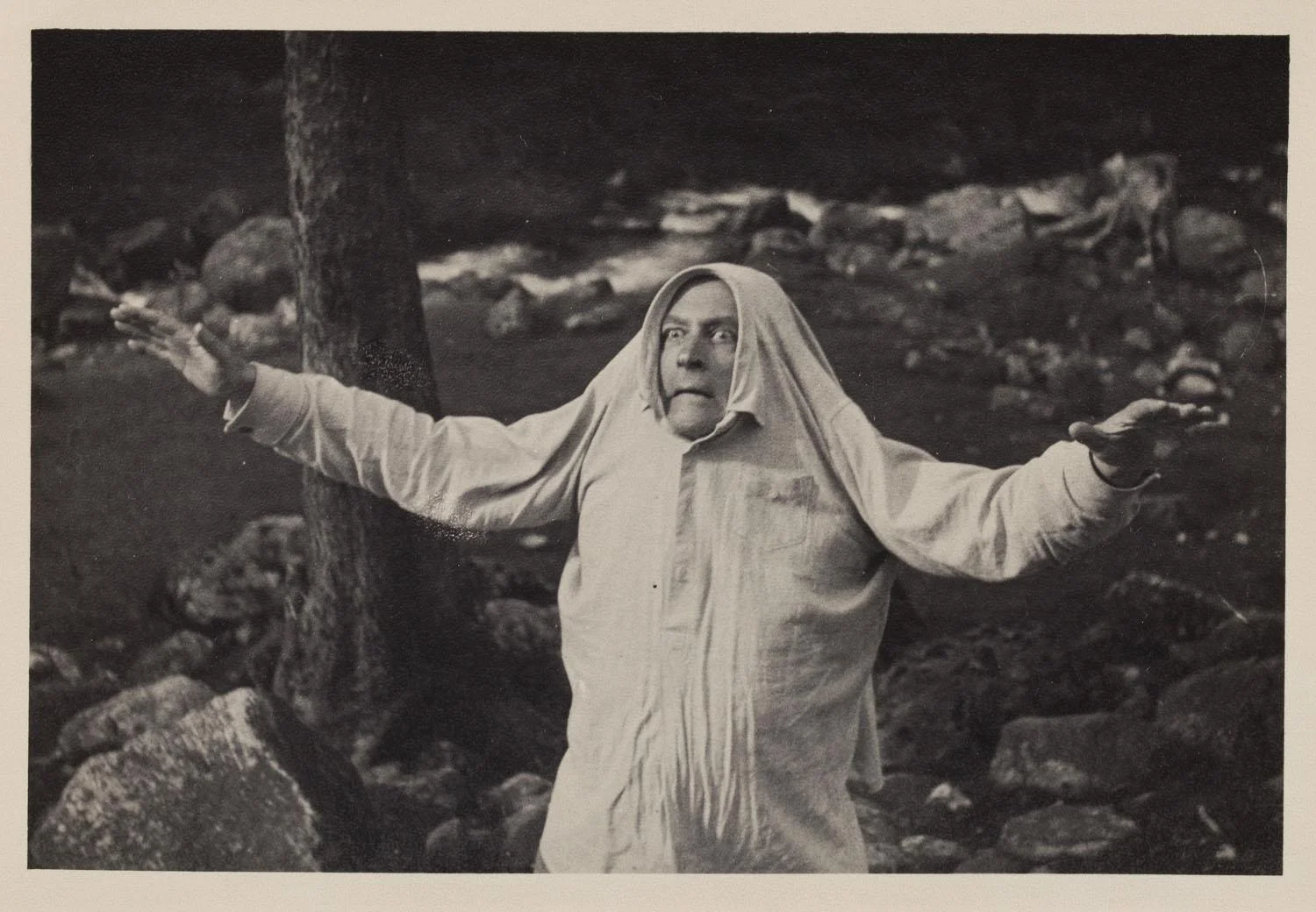
Does the wave theory hold true in every case? To a large extent, common features can be found even between what might seem to be the most distant works of art. After all, a certain number of life experiences, especially those related to emotions, is shared by all humans. However, if we narrow down both the geographical area and the time frames of these common features in works of art, there will certainly be more specific connections. This is particularly evident in the case of national art created within a certain politically established cultural context. In such cases, there are many more relationships, and they are transmitted through successive decades in the form of cultural codes. This is evident, for example, in Polish symbolism, which can be found in the works of Malczewski as well as in the contemporary works of Siudmak, or in the case of Krakow grotesque, present both in the works of Witkacy and Brzozowski.
Such relationships between individual works can be explored in the "Decades" auction, which presents a selection of over fifty works by leading artists of the past century. The presented works are arranged chronologically by decade, aiming to visualize a panorama of artistic trends and variations throughout the past century. At the same time, the cross-sectional nature of this auction is intended to encourage the exploration of relationships between individual works, deciphering cultural codes, and creating new, sometimes unconventional narratives. For this purpose, Wölfflin's wave theory can be utilized, attempting to juxtapose works of art in conceptually opposing pairs. For instance, comparing the painterly lines of Julian Fałat with the expressive painterly expression of Sławomir Ratajski, or the classical beauty of Mitoraj's torsos with the raw, almost folk-like form of Musiałowicz's "Books of Life".
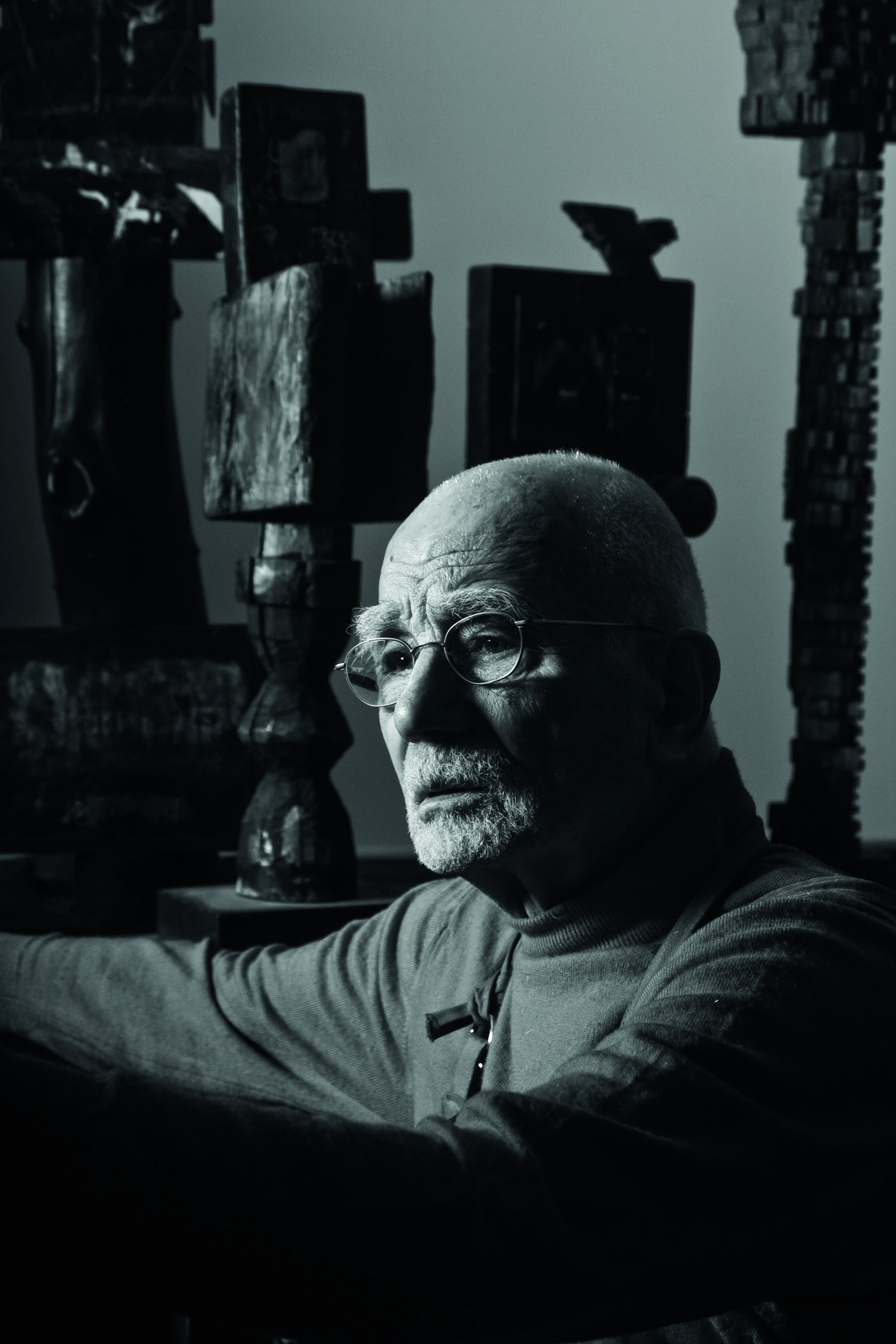
The "Decades" auction, which combines pre-war and interwar art with post-war art, presents the names of the greatest Polish masters who have permanently entered the canon and shaped the contemporary Polish art. The exceptional selection of works begins with a piece by Julian Fałat, a key representative of modernist Young Poland painting. The auction then showcases successive generations of outstanding and colorful personalities, including Witkacy, Andrzej Wróblewski, Tadeusz Brzozowski, Wojciech Fangor, Teresa Rudowicz, Janina Kraupe, Jan Dobkowski, Stanisław Fijałkowski, Henryk Stażewski, Natalia LL. The selection concludes with a work on paper by Wojciech Siudmak, a prominent representative of magical realism. The works presented in the auction provide an opportunity to become acquainted with the activities of successive generations of creators and the artistic conventions they represent. The August auction, taking place at the historical Sofitel Grand hotel in Sopot, has been prepared to illustrate the diversity of artistic practices, which never changed as rapidly as in the 20th century. The Polish art of the past century, with its diversity and multifaceted nature, much like the waves of the Baltic Sea, has defined our contemporary culture and shaped our modern perception of reality.