
A few words about Zakopane...
On the occasion of the upcoming auction "Zakopane, Zakopane. Sun, mountains and highlanders", we present a collection of interesting statements describing the profiles of Zakopane legends. Zakopane was a peculiar phenomenon, a focal point on the map of Poland, a place where the cultural and political elite lived. In the interwar period, it was especially popular - it was called the winter capital of Poland. We invite you to read it in the hope that the statements of artists and experts in Podhale will reflect the atmosphere of this unique place.
"For the weak, Zakopane is almost as deadly - of course, in the long term, like meeting a truly demonic woman. For real Titans of the Spirit (if there are any), it is a place where their essence condenses, new ones unfold. Their horizons and artistic, social or scientific creativity creates new forms and builds new values. "
Stanisław Ignacy Witkiewicz, The Demonism of Zakopane [in:] Without compromise. Critical and journalistic writings, ed. Janusz Degler, Warsaw 1976, pp. 494-502
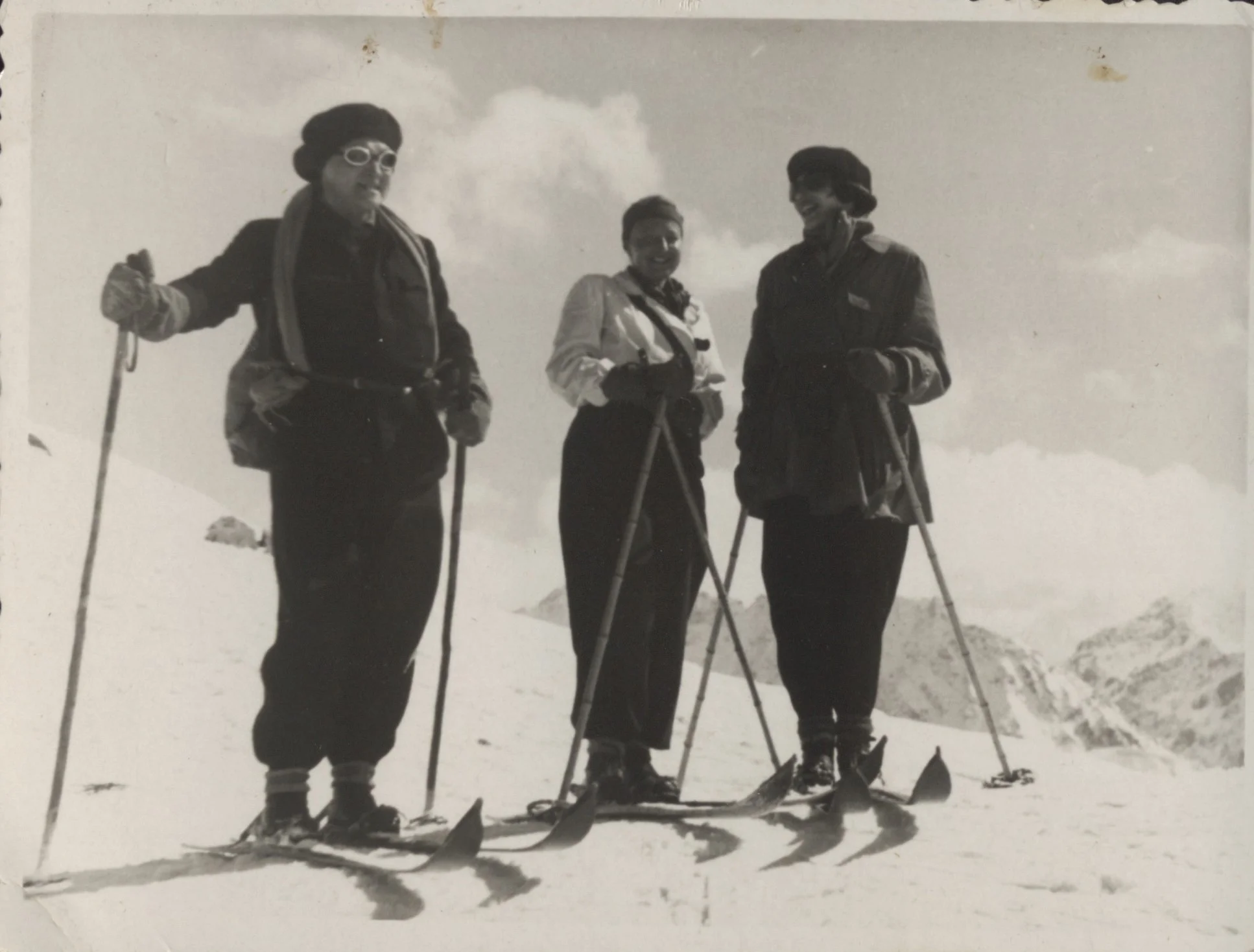
"Actually, each year, more and more artists visited Zakopane, for longer or shorter periods, others permanently. After a few weeks the guy was tearing into the pits, stupefied and tired of the life of the Summer and Winter Capital, compared to life in Warsaw, the capital of Poland was a quiet idyll in a coffin. From Stanisław Przybyszewski to Pawełek Hertz, not to mantion born "volkszakopiańczykas" like Kazio Brzozowski who was always waiting at the buffet for his "pure" English, or Tymon Niesiołowski, who was drunk by the next day, after drinking too much vodka the previous evening. I mantioned a lot of artists and yet they were constantly multiplaying, Śliwka, Gąsienica-Szostak, Janusz Kotarbiński, Birula-Białynicki, etc. At nights you could see the poet Władek Broniewski standing on his head in the Morskie Oko hall for an alarmingly long time. Julian Tuwim's beautiful head with his sister Irka were riding a sleigh, there was a foamy Kazimierz Grus chasing victims, looking for a break from a conversation. Kornel Makuszyński was a regular and great visitor. If bridge and cognac made him free from work, he strolled in splendor around Krupówki and bowed with the skill of a chamberlain, combined with the skill of the steward of his own court. The mighty received kisses from across the road, along with a crawling bow, and those not 'worthy' of a bow only got a casual flick of a hand or a wave. He was a favorite of card players, although he did not like to lose. When the Bridge Club was finally officially established, Kornel settled in it permanently, with few short break for sleep and other small activities. (...)
Of course, we are constantly visited by Władysław Skoczylas with his family, whom even during his first world class still lives in Zakopane and probably teaches at the School of Wood Industry. Wojciech Jastrzębowski passes through, but perhaps fearing the dire impact of our Nineveh on his family, usually spends the summer in the "provinces", in some Białka or Czarna Góra. (...)
During the summer, and often in the winter, the painter Władysław Jarocki, Kasprowicz's son-in-law, Stanisław Kamocki, Stanisławski's student, and dozens of other painters appeared. But who cared about this [city],and how many "great people" visited Krupówki? We were indifferent to the greatness and fame and it was difficult for the people of Zakopane to impress us with anything, especially since Stanisław Ignacy Witkiewicz and Karol Szymanowski, honest creators and wonderful people, lived more or less permanently near Giewont.
Rafał Malczewski, Art and Drug - Artists and Ladies of the Artist, "Pępek świata. Memories from Zakopane", Łomianki 2010, pp. 83-88.
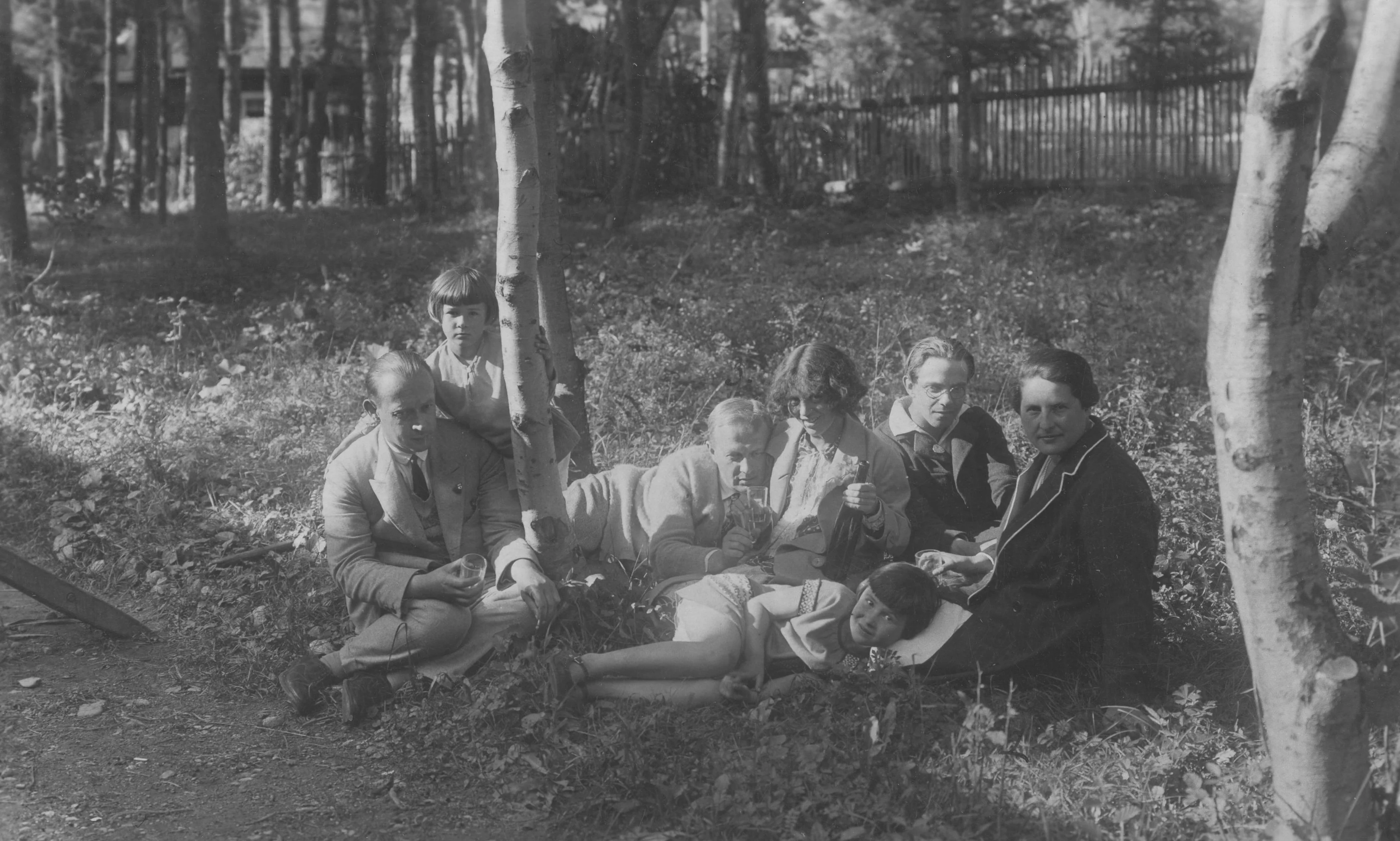
"The gypsy atmosphere of Zakopane was created by unusual types. Here is Staś Witkacy gliding through Krupówki (just as nasty as it is today) in a cherry coat and a big sombrero hat; he is gloomy and humorless, because his prank didn't work out. Wanting to stun his companions, he went to Trzaska afternoon tea in Łowicz pajamas, which his mother had sewed from striped uniforms. Someone, however, had previously found that out. Staś was going to come dressed this way and it was agreed that no one would react in the slightest to this outfit. The following are sitting: Karol Stryjeński, Rytard, Rafał Malczewski - son of Jacek, Gucio Zamoyski, Jaś Pawlikowski, Karol Szymanowski, Boy, Maria Pawlikowska. Staś, proud that he will make such an effect, sits next to them, and they pretend that they did not notice anything. - Can't you see anything special about me?! - he asks in a choked voice at last. - On you? No ... what are you talking about? - someone replies indifferently. Staś, heavily offended, got up and took off, he was mad at them for a long time after that. Every so often he would get mad at one of his friends so that there would be no monotony or boredom. He didn't speak to Leon Chwistek, his bestfriend, a well-known philosopher and "zoneist" painter, for a few months.
Magdalena Samozwaniec, Maria and Magdalena, part 1, Krakow 1987, p. 107
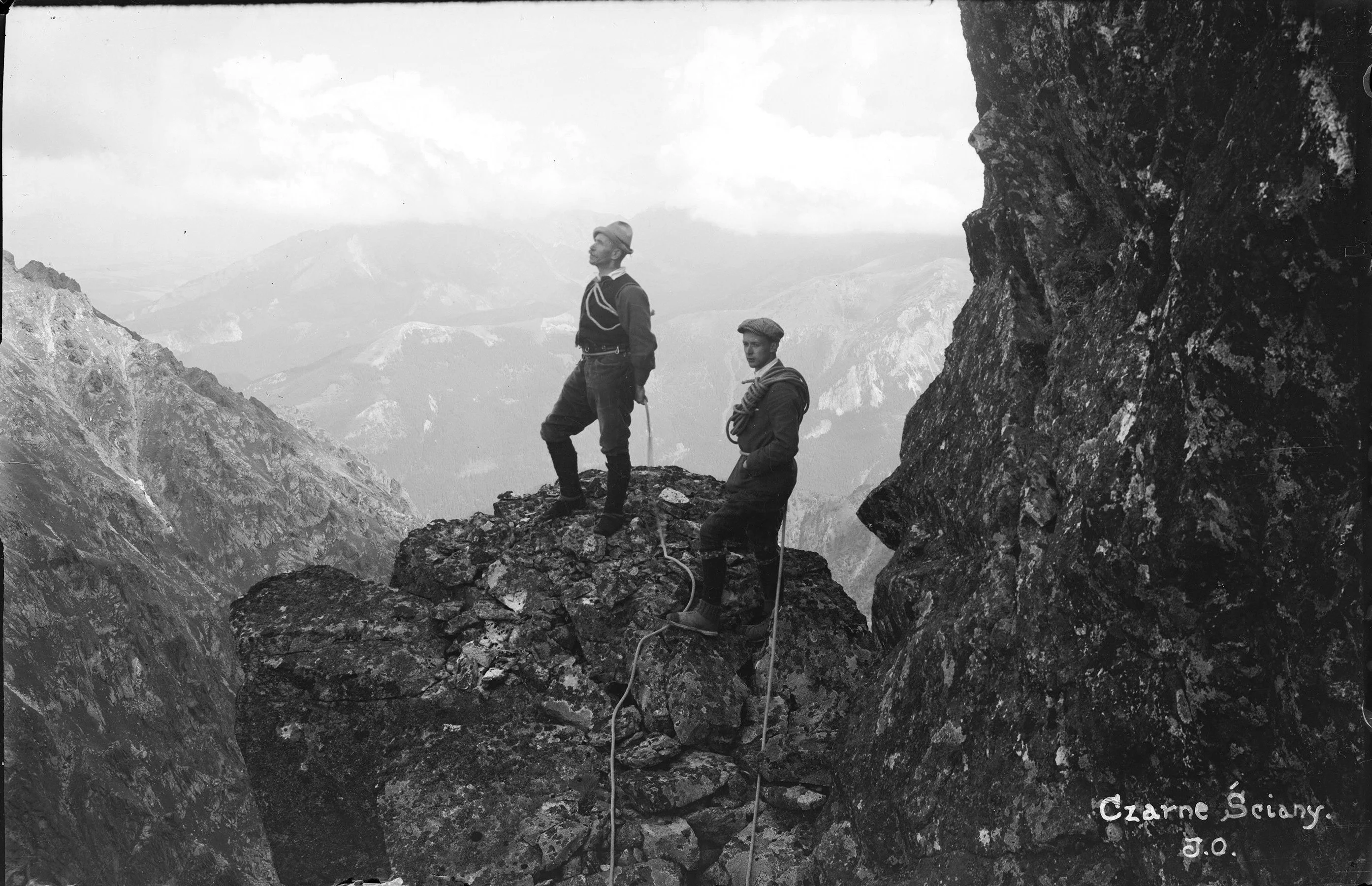
"Every man, he wrote, who spent many years in Zakopane, saw its better and worse times, knows the uniqueness of this town in Poland and listened to numerous opinions, wishes and curses, dreams that Zakopane, combining this amazing beauty of mountains and hills, hidden enchanting estates among them; this inexhaustible area of further and closer journeys, together with an oasis of sport, fun, and intellectual life, has truly grown to fit the name of the seasonal capital of Poland. "
Rafał Malczewski, Pępek świata for: Dorota Folga-Januszewska, Teresa Jabłońska Zakopane in the times of Rafał Malczewski. Foreword, vol.2, Olszanica 2006, p. 8