Sketches and experiments by Magdalena Abakanowicz
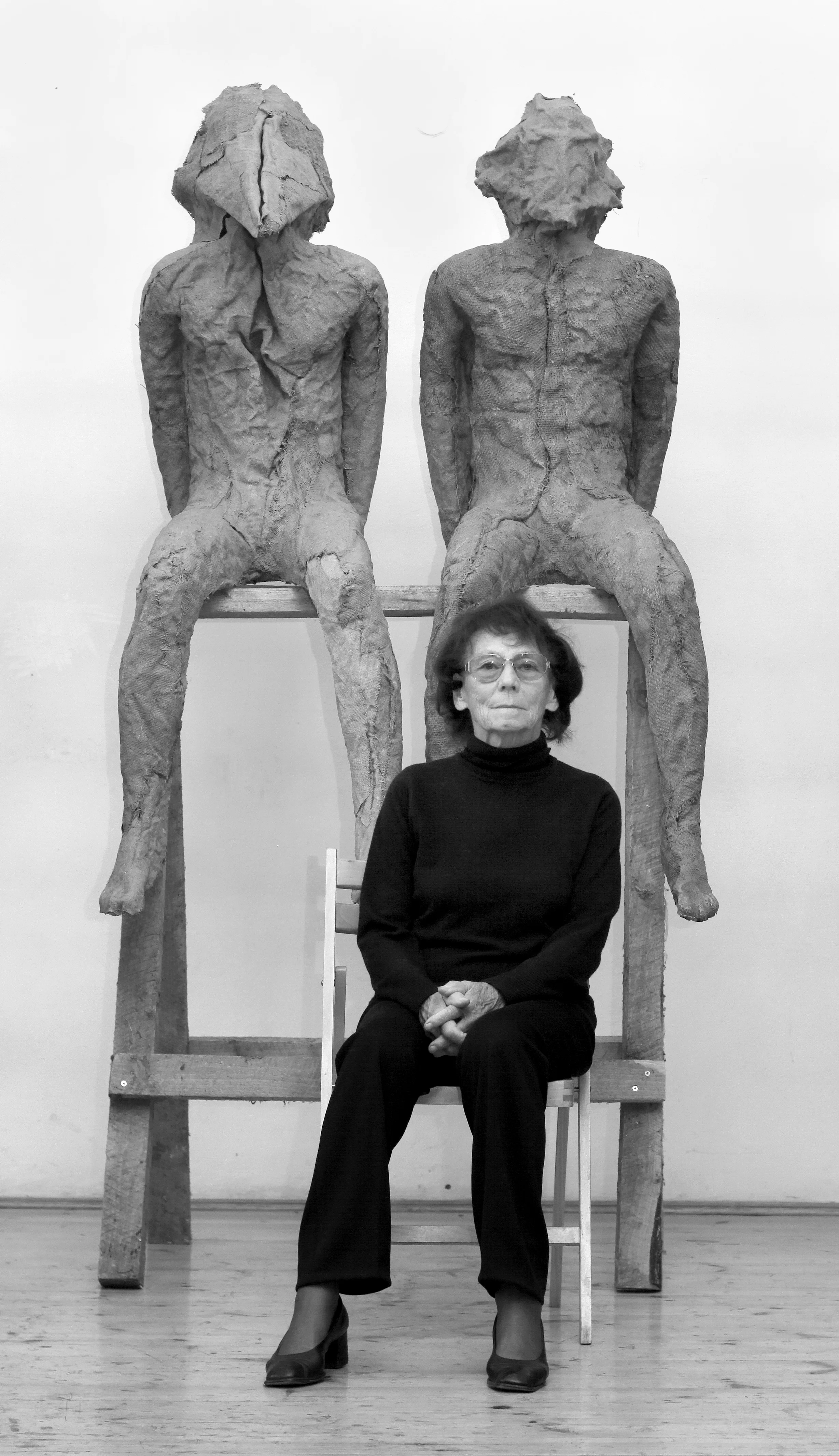
Works on paper by Magdalena Abakanowicz enjoy a growing interest among collectors. Two of the author's works were auctioned for a considerable amount, exceeding the high estimate three times, at the February auction "Works on Paper - Post-War and Contemporary Art". "Dancing" was bought for nearly PLN 34,000 and the watercolor Untitled ("Bird") for over PLN 31,000. As many as three of the author's works will appear at the upcoming auction, which is going to take place on May 13.
One of them is "Fox". The presented work was made at a key time in the artist's career. It was in the 1960s that the first abakans were created - sculptural forms captivating with their softness and expressiveness, made of colored, sisal fiber. They became the most recognizable works of the artist, which quickly brought her both national and international fame.
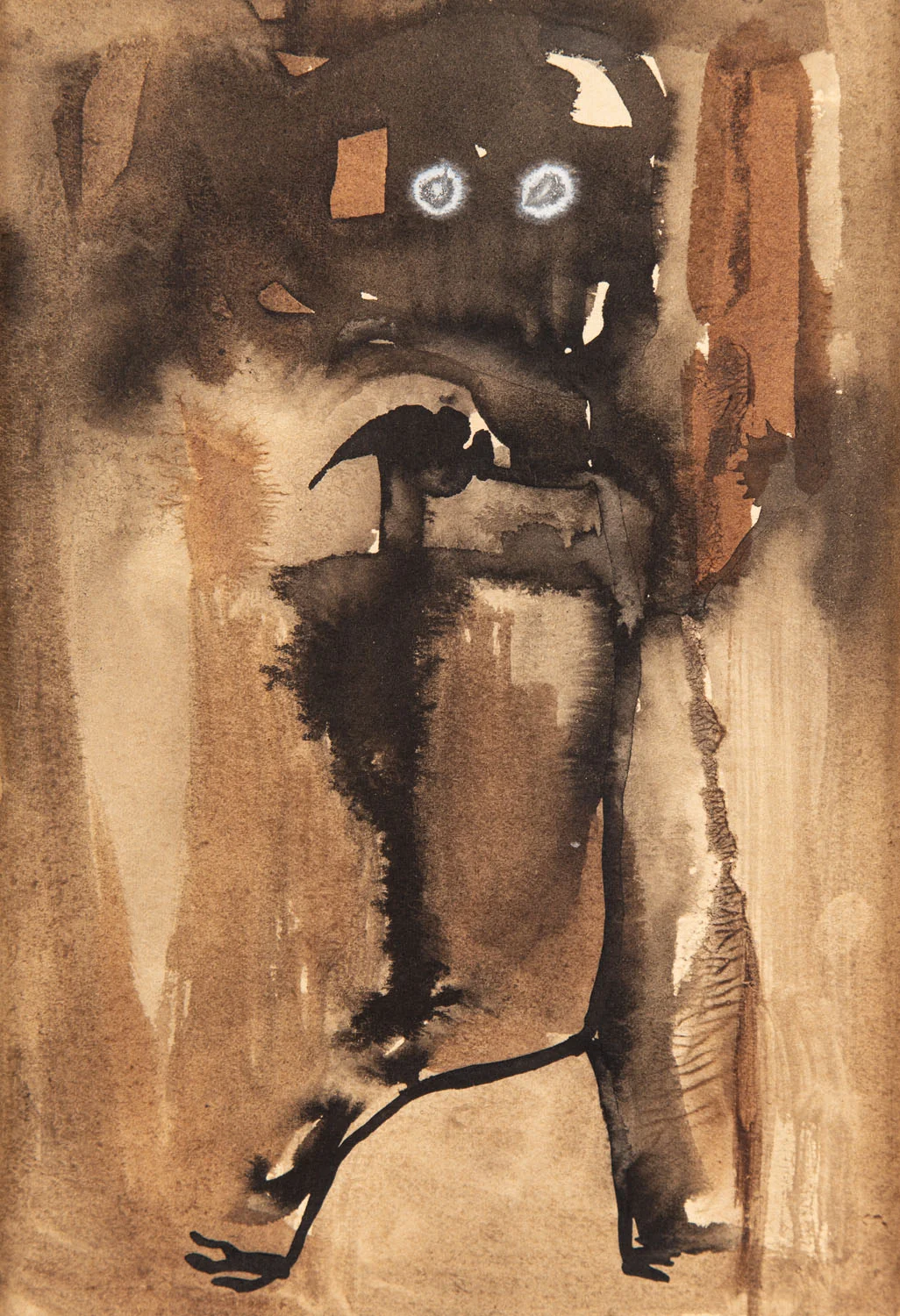
In the case of "Fox", a soft line constituted the axis around which Abakanowicz built her composition. Two bright color spots are a characteristic feature of the drawing, they resemble the eyes of the eponymous fox. The work amazes with its subtlety and delicate color spots, which make it an intriguing work on the border of abstraction and figuration.
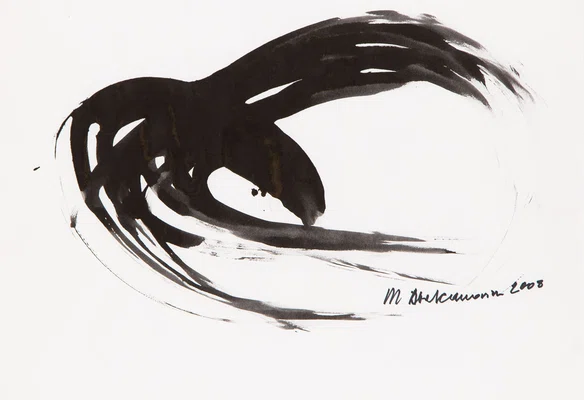
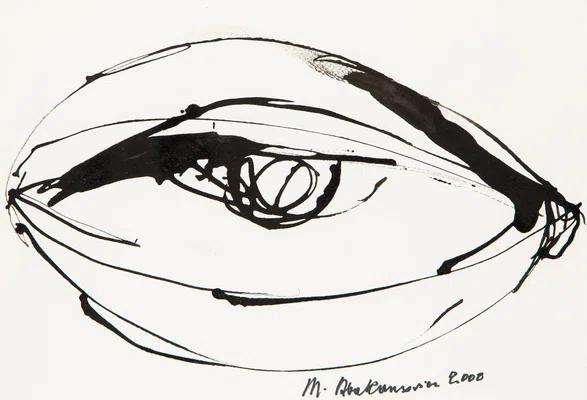
Two other works that will be auctioned on May 13 come from a much later period. "Bird" and "Eye" are abstract forms drawn with ink on a white sheet of paper. It is worth mentioning that although it was the sculptures that brought Abakanowicz international publicity and fame, works on paper constitute an extremely important aspect of her oeuvre. They allowed for testing and experimenting with ideas born in the creator's imagination. These forms often constituted a direct effect of her sculptural experiences. Sometimes, creating them aimed to precede the subsequent stages of exploring spatial forms. The aforementioned drawings were often executed in small formats. The artist rarely titled these works, but usually signed and dated them. Most often she used ink or charcoal. The works created in this way presented recurring motifs of faces, torsos, eyes, or masks. What they have in common are sketchy and synthetic forms. However, it is not always possible to guess what a given work represents.