Poetry of the City
Four different artists, four different visions of the world and twenty unique landscapes. What unites the artists whose works were put up at the DESA Unicum auction? The artists represent École de Paris. Some were more closely associated with it, others merely circled in the orbit of the Parisian bohemia. However, landscape played a key role in the work of all four. Szymon Mondzain, Jakub Zucker, Joseph Pressmane and Stanisław Eleszkiewicz are true landscape poets whose main purpose is to tell urban legends with their brush.
It is impossible to describe the compositions collected at the auction in terms of vedutas. Each of the artists approached reality with a unique sensitivity, modifying its structure and making stylistic metamorphoses. The works collected under a common slogan show a completely different, deeper face of the city. At the auction, one may find large metropolises, landscapes with bridges in Paris or the port quay in Jaffa, as well as images of a distant province with small towns much closer in their character to idyllic rural landscapes.
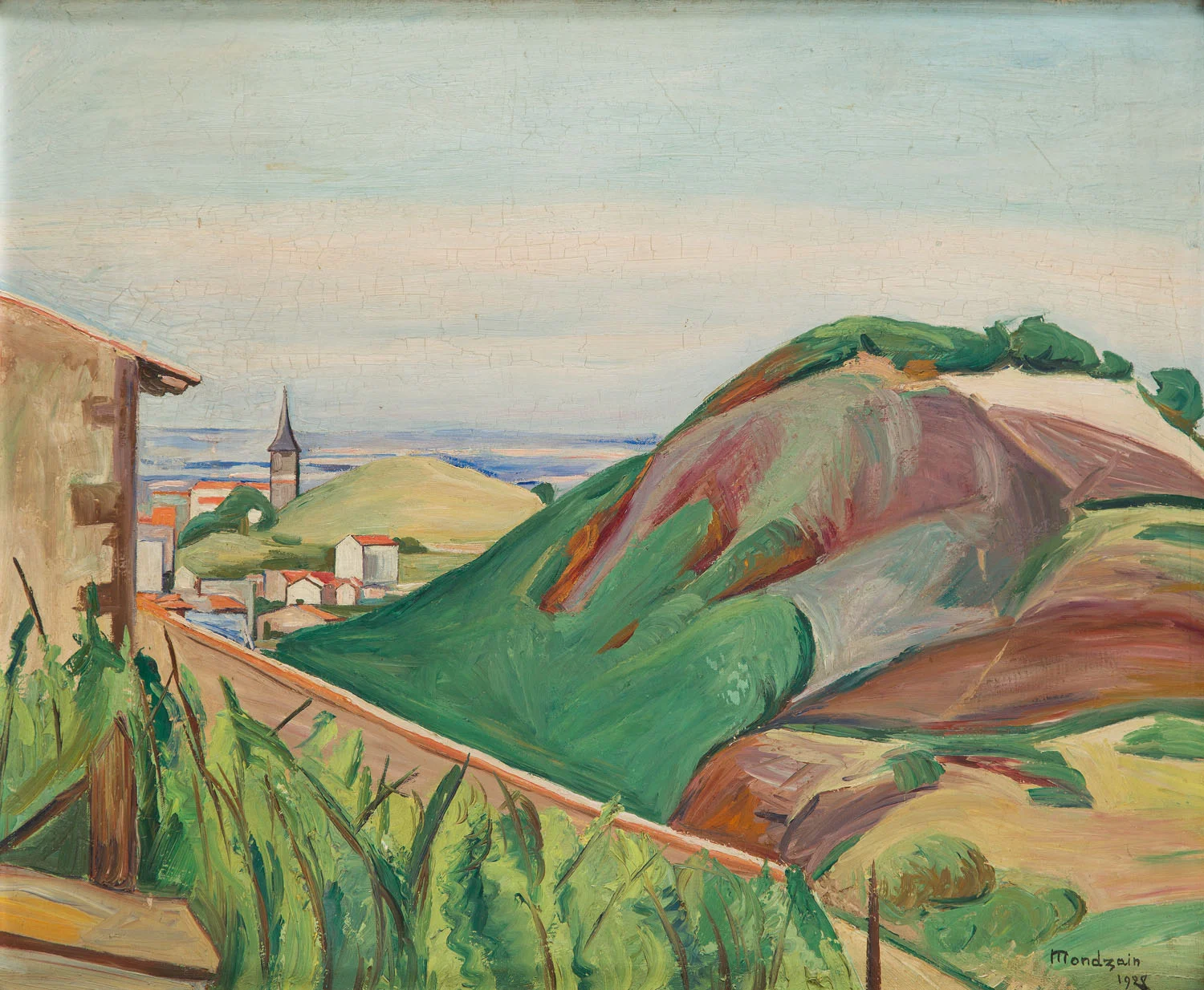
Four artists so different from each other take the spectator on a real journey full of immaculate sensations. The first of them, Szymon Mondzain, after returning from Chicago, in the 1920s continued the previously started expeditions to the south of France. He mainly visited Burgundy, Provence and Auvergne. The works presented at the auction come from the second decade of the century. The atmospheric canvases show places anonymous today, saturated with the scorching summer sun.
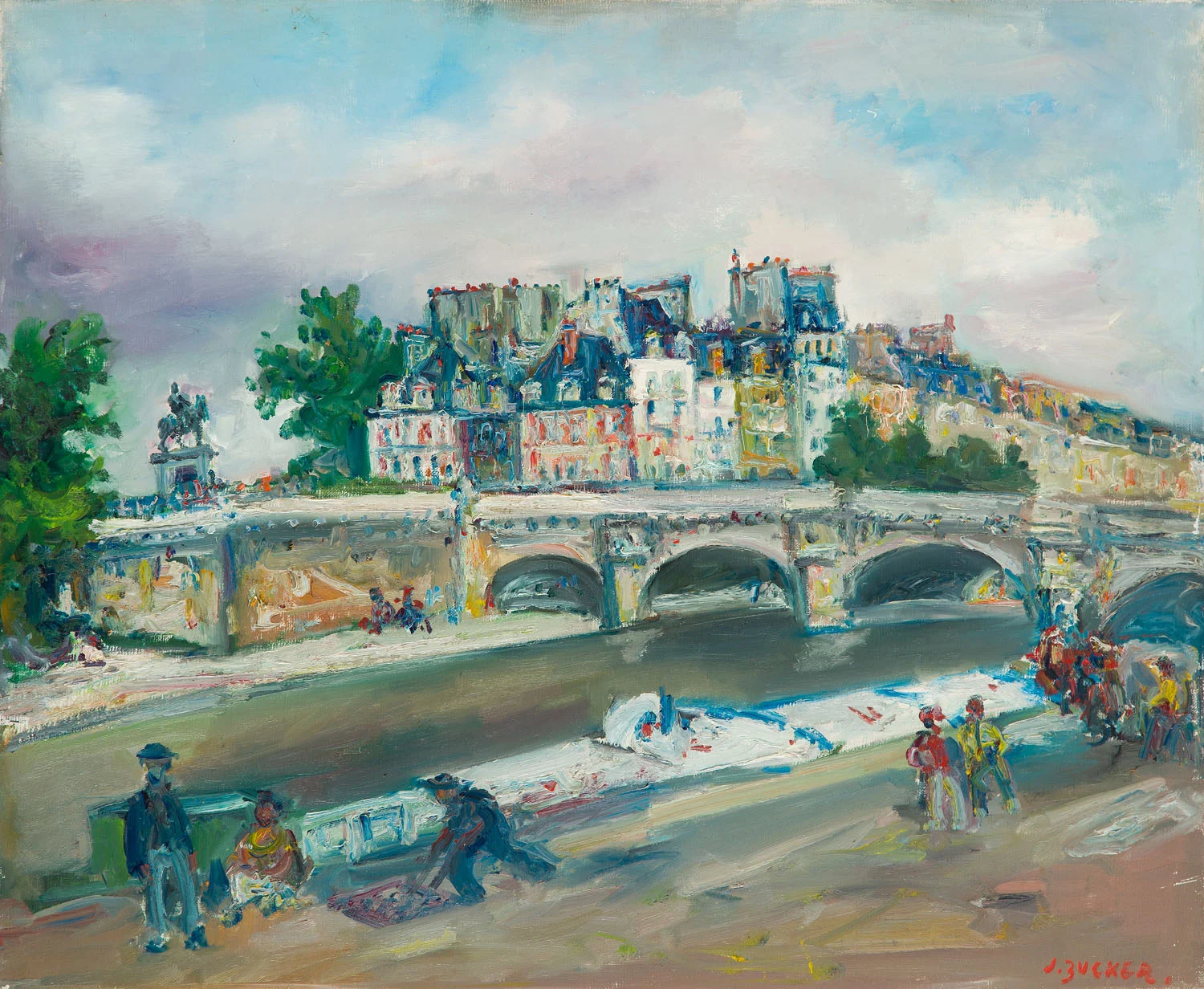
Jakub Zucker can easily be described as a globetrotter. Among the six works to be auctioned, we can find reminiscences of his trips to Mexico, American New Salem and, of course, Paris.
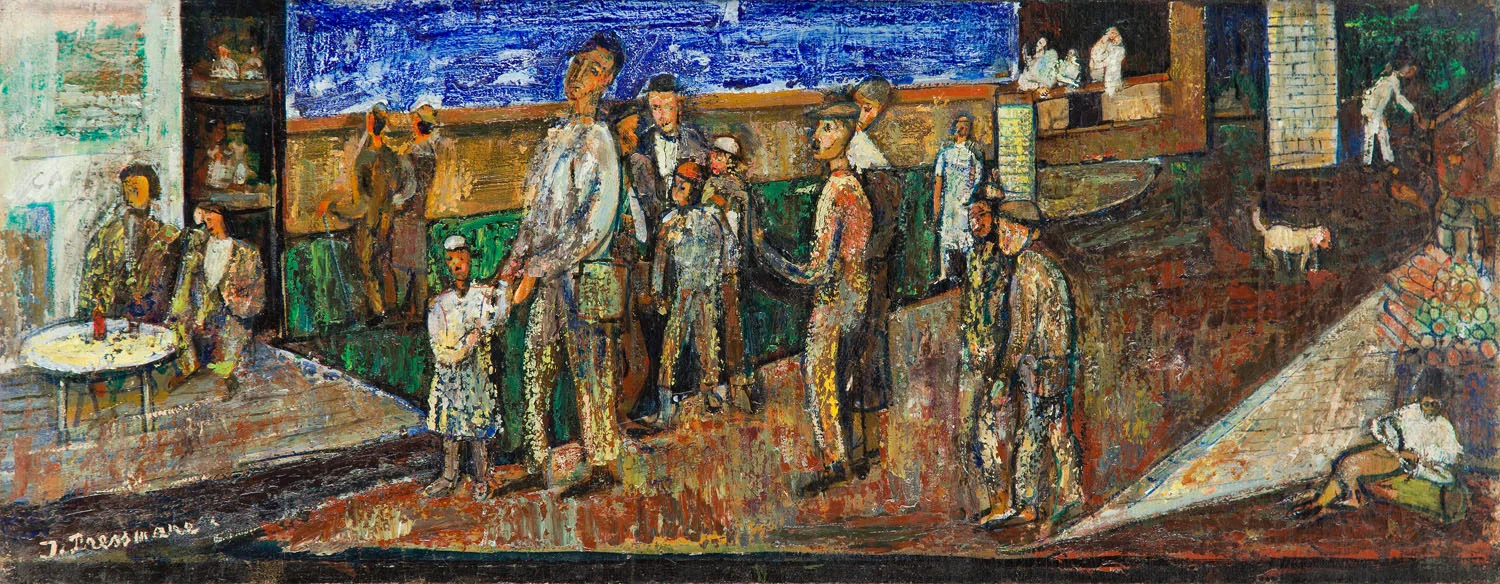
A slightly different narrative can be seen in the works of Joseph Pressmane. The painter looked closely at the provinces, deforming the forms in his characteristic way.
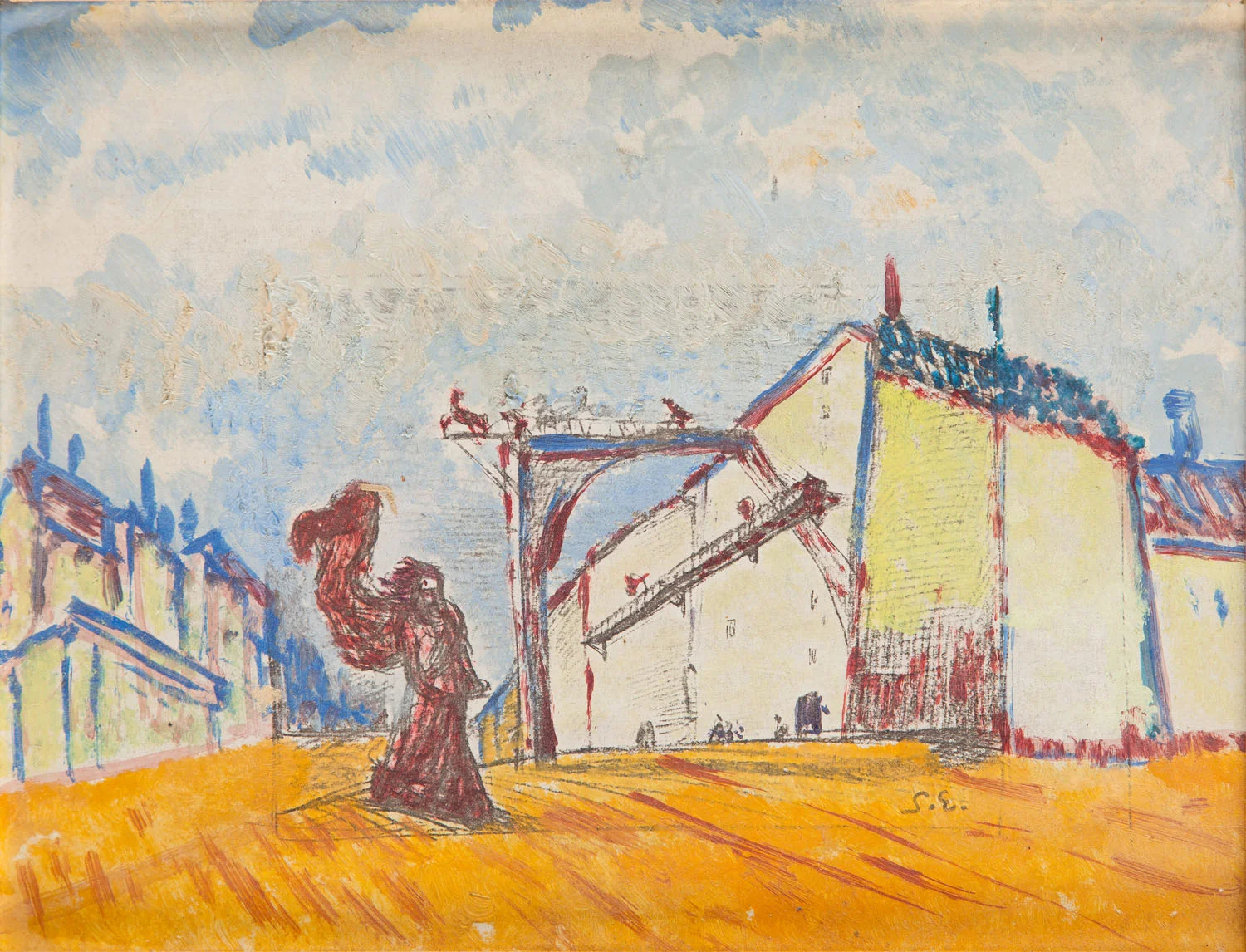
Stanisław Eleszkiewicz approached reality with a similar expression. There is an addition of a humanistic aspect in his compositions. The city as seen by Eleszkiewicz is a space filled with fantastic structures and machines creating a truly futuristic vision. Its dark side is particularly exposed here - the world of prostitution, poverty and social problems.