
Magdalena Abakanowicz - meet the artist
Agata Matusielańska
Magdalena Abakanowicz is a world-class artist. Her work brings us to one of the most important museums in the world-the London Tate Modern. The artist's first monographic, international exhibition will be held there on November 17. The event will be devoted to fabrics created in the 1960s and 1970s. You'll have the opportunity to see her artworks of impressive size in the newly built wing of the museum.
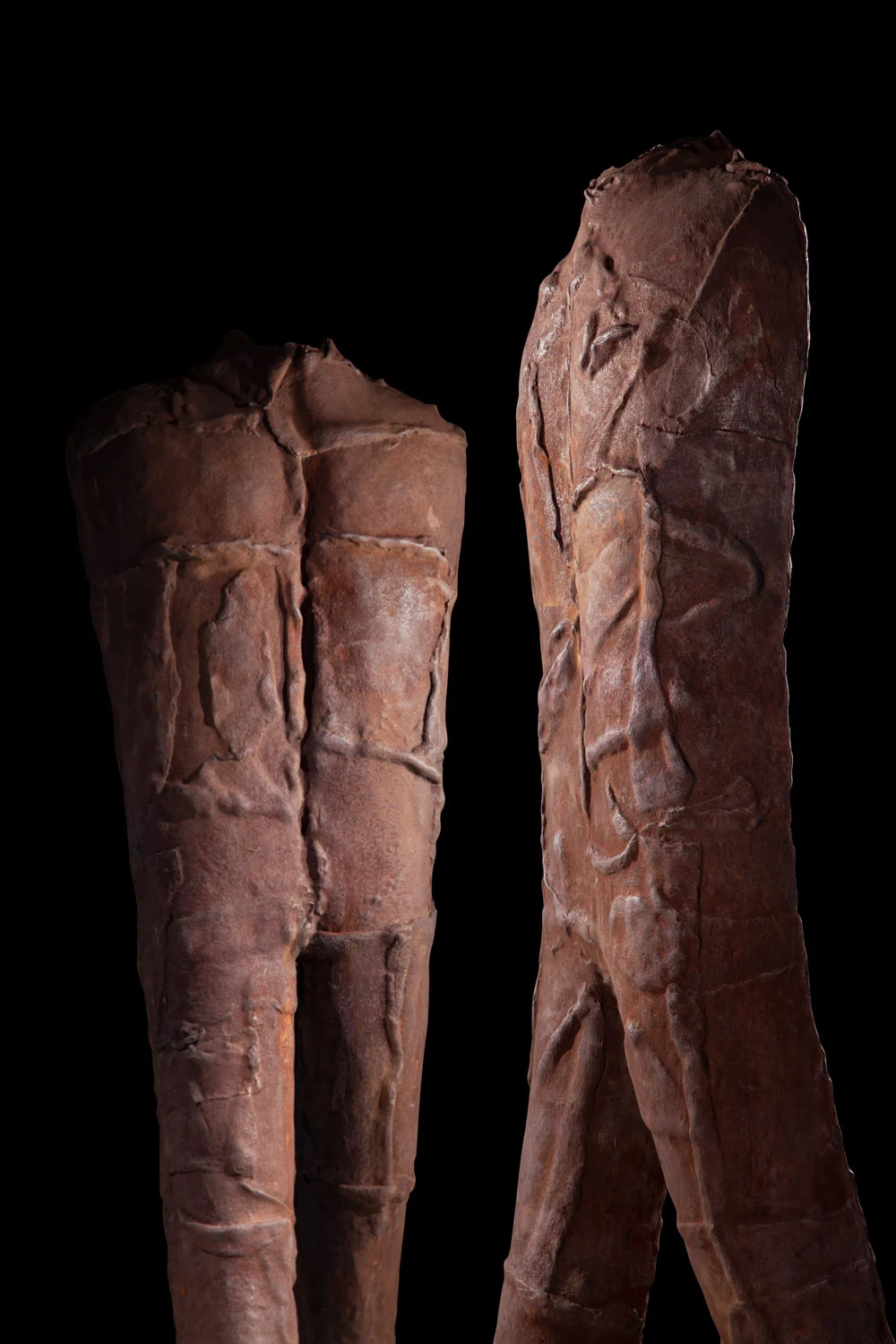
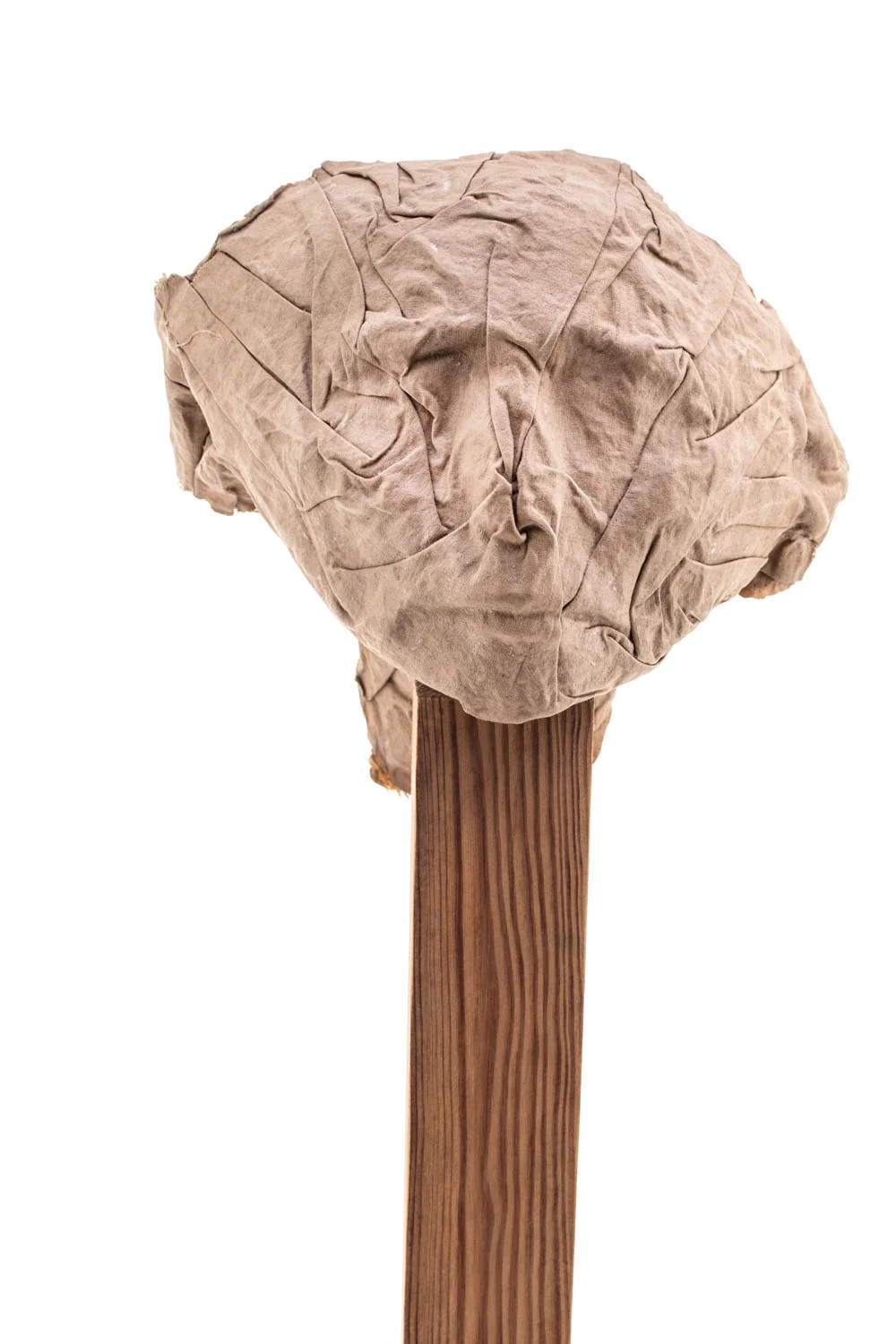
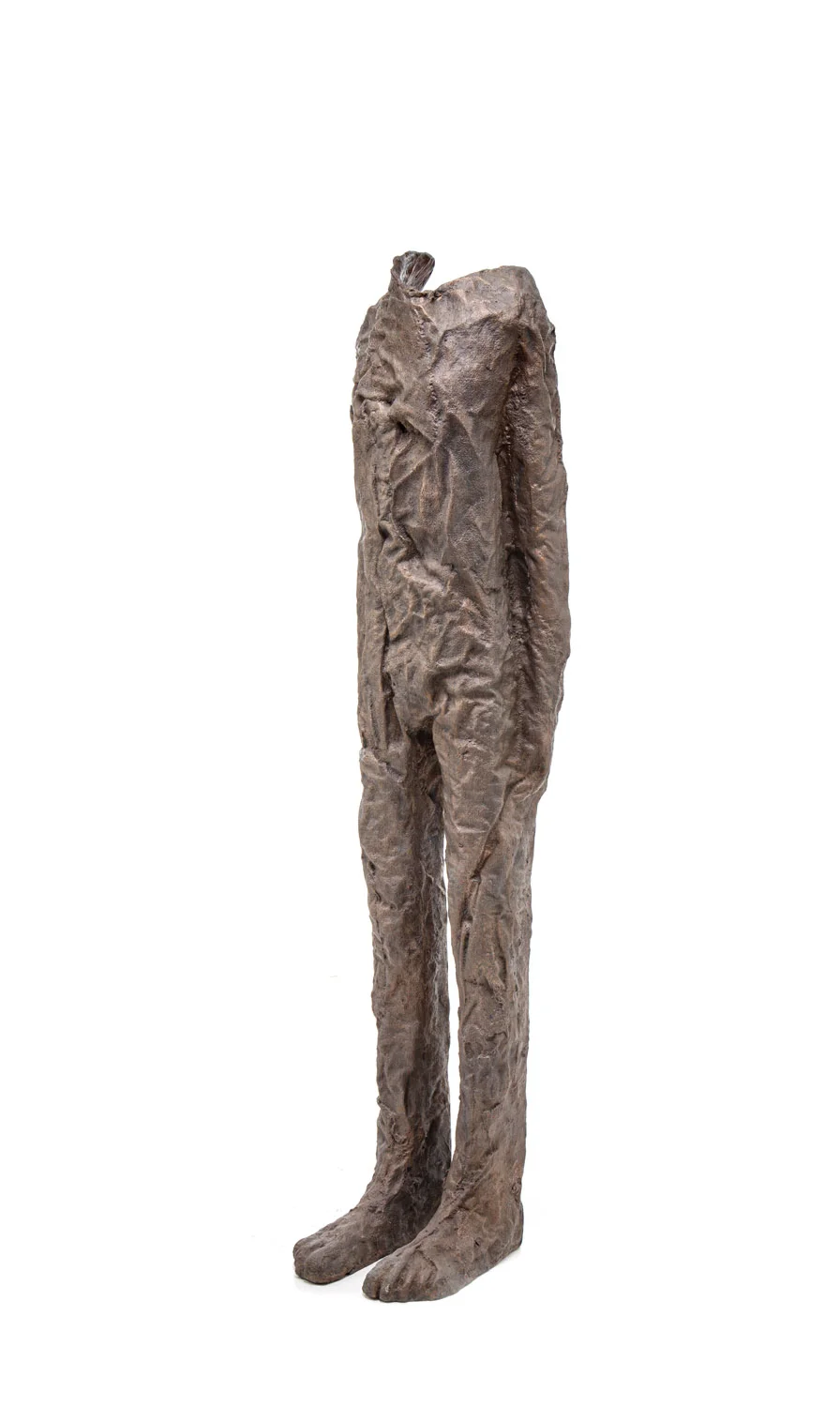
The upcoming "Modern and Contemporary Sculpture" auction, which will take place on 27 October, offers you as many as four of her works. We will present you with the grandiose "Walking Figures", together with the bronze-cast "Figure", and a jute mask. We'd like to take this opportunity to introduce you to the biography of this extraordinary artist.
Young Abakanowicz began her studies at the Academy of Fine Arts in Warsaw in 1954. At first, there had been no indication that fabric and sculpture would end up being the creator's two favorite materials. At her first exhibition in 1960, she presented oil works and large gouache compositions. Their size may have pointed to the sculptor's later predilection for grandiosity, space, and making an impact on the viewer through large scale. The artwork featured plant and organic motifs. The artist also captivated the audience with her innovative approach to presenting works in space as well as her unique interior designs, which she paid close attention to. Slowly but surely, the creator's artistic tenets began to take shape. In 1958, at the same time, the first spatial objects appeared, that is the reliefs made in accordance with precise compositional guidelines.
The "Abacans," which were developed in the middle of the 1960s, serve as an acme for all her initiatives and efforts, experiments, and searches. The thirty-five-year-old artist showed unprecedented bravery and tenacity while also redefining the concept of sculpture. The pieces were created as three-dimensional forms, having intricate tissue and an open, visible interior. It was a pioneering step that defined the artist's entire body of work. The abacan titled "Composition of White Forms" was presented at the International Biennial of Fabrics in Lausanne in 1962. The artist bravely challenged the widely recognized Gobelin tapestry pattern by dismantling the flat surface, adding a new material, and giving the impression of depth. Organic and biological forms resembled totems; they combined elements of sculpture and fabric. They were arche, defining the future at the same time. Abakanowicz didn't have to wait long to gain international recognition. Already in 1965, she was awarded a gold medal at the International Art Biennale in São Paulo.
After the Abacans, the following series were created: "Ropes", "Alterations" ("Heads", "Seating Figures", "Back", "Embryology"). All of them are connected by the repeatability of the form and the fact that they consist of many individual elements. The primary material is sacking, with the forms resembling shells and cocoons. Their shapes appear to be not fully developed, as if they had been frozen in time before they took on the human form. The only thing that was left, after the artist had removed everything else, was the torso. Her art's new hero was a naked, open, hollow man. Frozen in the hieratic pose, the protagonist was typically depicted in a group of similar figures.
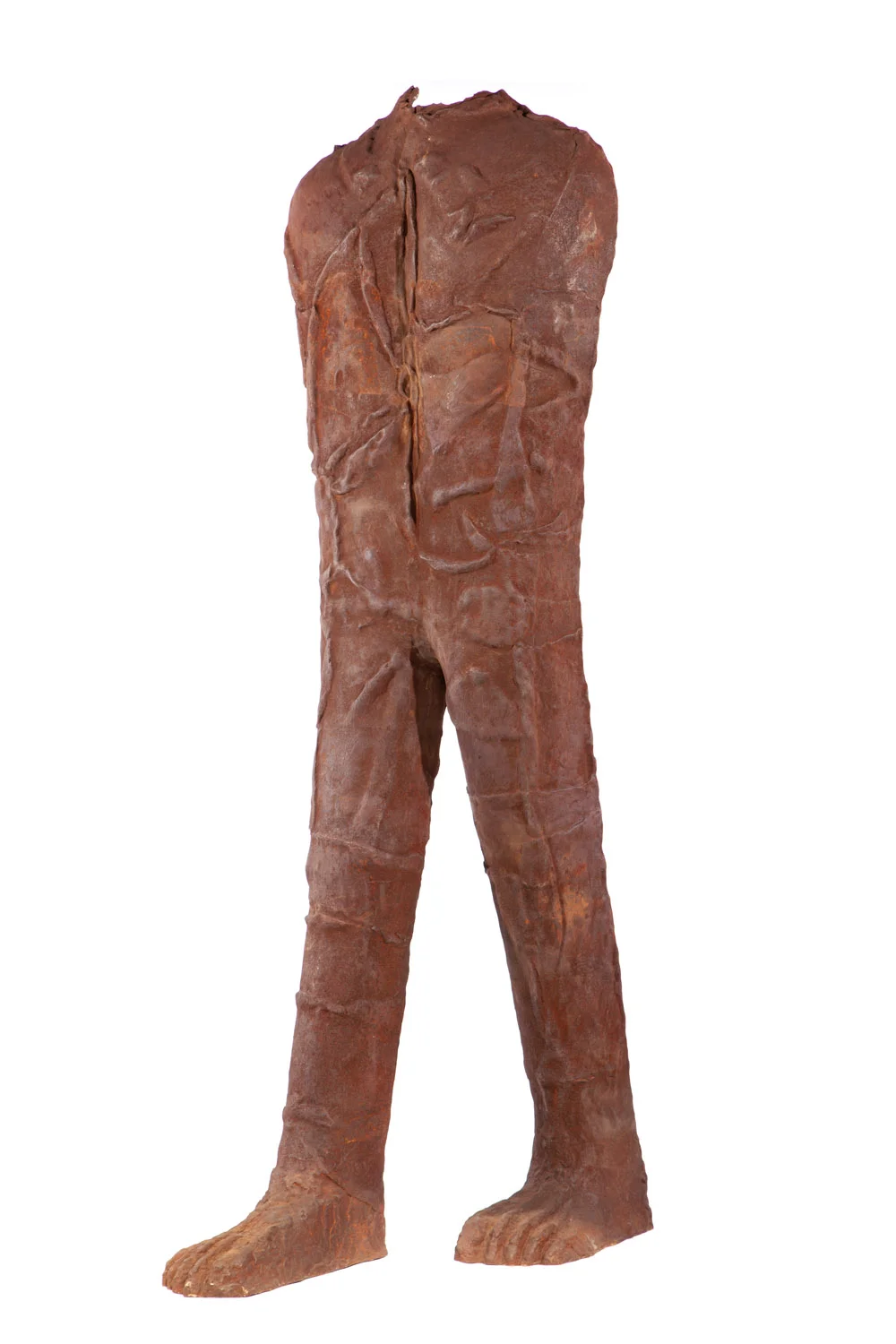
Every configuration of characters, whether they were individuals, couples, groups, or crowds, reflected the fears and anxieties that had always accompanied humans, and that the author herself experienced while living in a totalitarian regime. They developed into a universal symbol that gained new meaning depending on the context or the political and social conditions. One of the most interesting projects is the crowd, which consists of 106 figures located in Grant Park in Chicago. As Mary Jane Jacob notes:
"The space in Abakanowicz's works-like the space in all good art – is a social space. We have a desire to redefine what is important when we encounter such art. As viewers, we follow in the artist's footsteps, participating in an endless search for meaning and human progress"
- Mary Jane Jacob, Magdalena Abakanowicz, Cysterna, Warsaw 2008, p. 16.
According to the critic and Chicagoan, urban projects like Agora transform themselves into urban oases, spaces for contemplation whose meaning, or overtones change under the influence of current social or political events. By placing the pieces in the public realm, getting in touch with them directly, and walking alongside such works, we are able to view the city and its residents from a new perspective. They took on new significance in Chicago as a result of the influx of immigrants looking for wealth and a better life. They gain new meaning and context in every place.
Later series produced by the artist's studio include "Catharsis", the "Arboreal Architecture" project, as well as animal-themed series.
The artist's work was centered on previously chosen truths. Although she created specific forms, it is their juxtaposition and space that give them a meaning. As emphasized by Mariusz Hermansdorfer:
"A world that was equally subject to intellectual analysis and intuition, the world of dreams, which was interrupted by war, the world of unfulfilled childhood, and the world that was supplemented by a keen observation of contemporary existence, is concretized in forms that are, in fact, very similar to one another. Only their consistency shifts, their locations. Previously closed, now open, fused with nature. The artist's fascination constantly broadens the range of experiences: she strives to know the unknowable, to grasp the concept of the incomprehensible" -
- Mariusz Hermansdorfer, Ślady istnienia. W hołdzie dla Magdaleny Abakanowicz (1930-2017), [ed.] Maria Rus Bojan and Magdalena Mielnicka, Wrocław 2007, p. 26.