
"Lots of bachelors during Advent, not so many during Carnival"
The leitmotiv of the February "Magical Art. Surrealism & Magic Realism" auction is the carnival. The carnival originates from the cultures of Mediterranean countries, and it was brought to Poland by an Italian, Bona Sforza. The carnival changed over time, and typical Polish games and traditions started to appear.
There were also many beliefs and superstitions associated with this period. A lot of it was about love! For instance, it was very unlucky for a young woman of marrying age if she could not attract any bachelors during the carnival. It could even foreshadow her spinsterhood. Therefore, whether at elegant balls or in rural taverns, all the girls sought out the bachelors' glances, which could attest to their interest.
In the past, courtship-also known as "courting a girl"-had to take place before young people became a couple. They included spending time having fun together. The aim of this courtship was to get to know each other better. If they liked each other, they could start talking about marriage. The carnival season was when courtship was most prevalent, particularly in the villages. Because there wasn't any work in the field at the time, courtship and flirting took center stage.
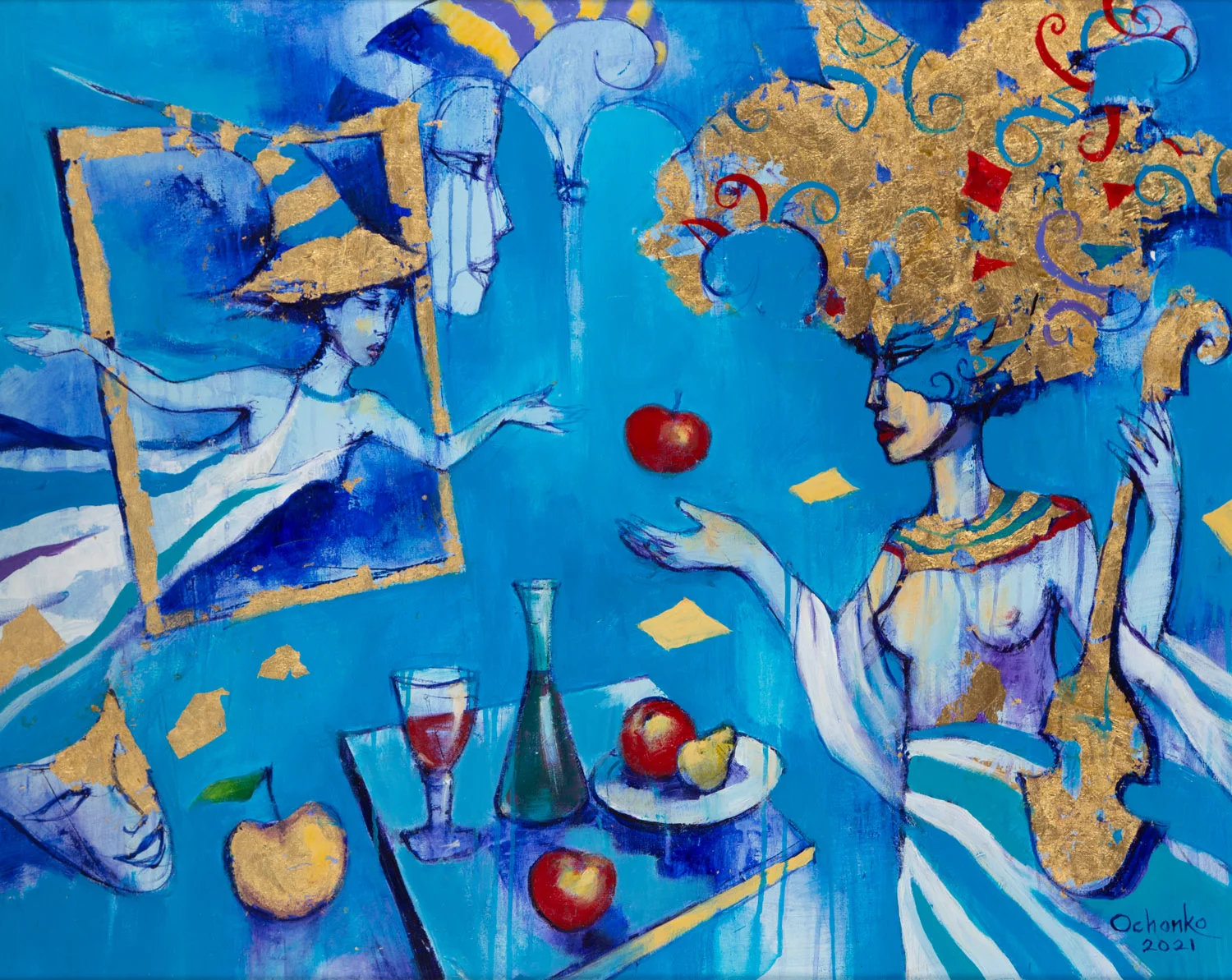
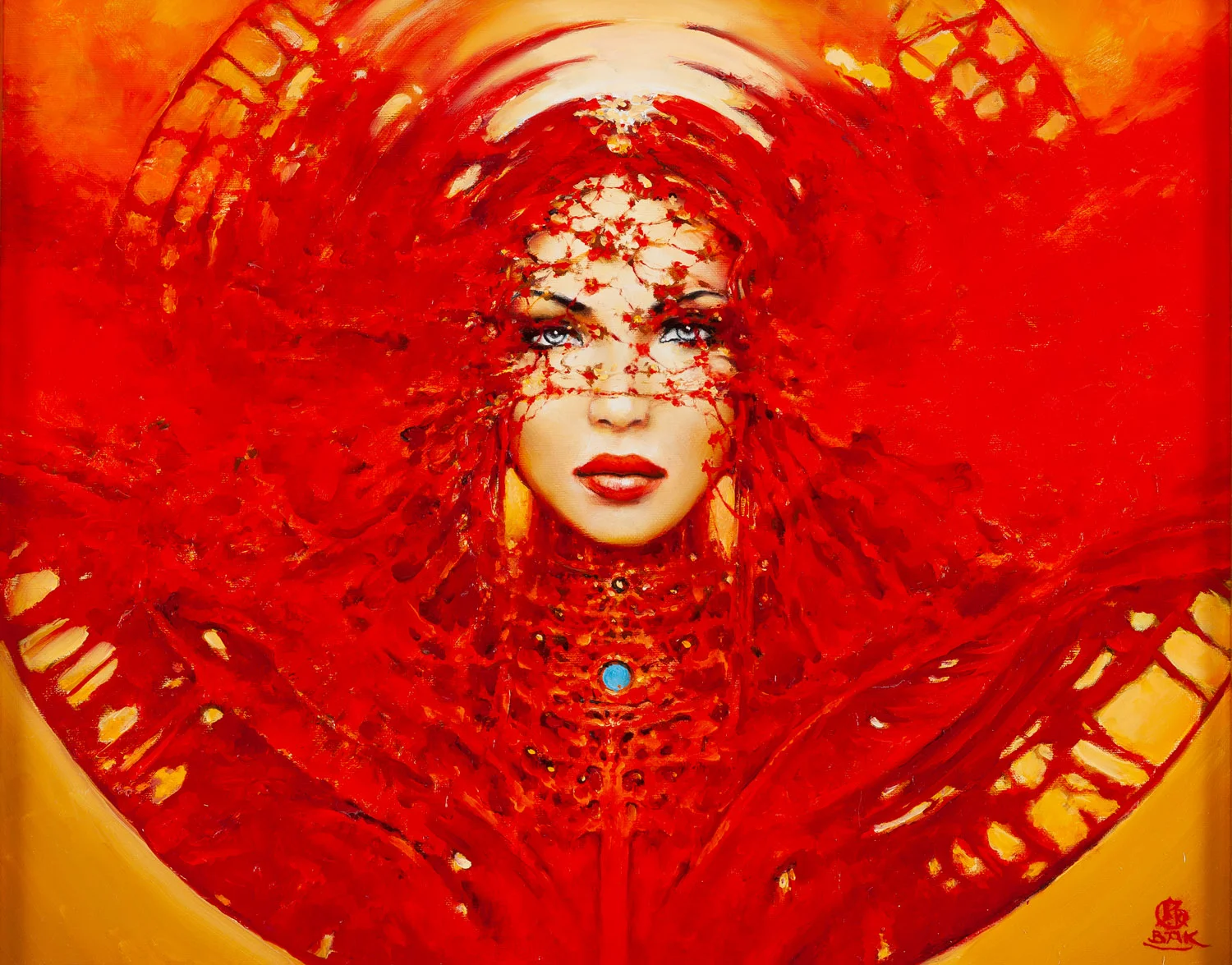
Of course, the carnival helped people find love not just in rural areas. During the carnival, masked balls were held in the courts. They began under King Augustus III. A mandatory part of every guest's wardrobe was a mask, called a larva. Only those of noble birth were permitted to remove it, hold it in their hand, or fasten it to a hat or sleeve. Everyone attended the masked balls. Even a cook who was a skilled dancer had the right to dance with noble ladies. All because of the carnival masks, which ensured anonymity. There will be many paintings at the upcoming auction that make reference to this carnival item. We can start with the woman in red with a flirtatious veil on her face who is gazing at us in Karol Bąk's painting "Blue Red." In Grzegorz Moryciński's painting, we can see a man wearing a mask and read an intriguing passage about the most bizarre carnival balls in history. Eugeniusz Ochonko, who lives in the Canary Islands, takes us to the "Magico teatro del Carnaval". His painting refers to one of the largest carnival celebrations in Europe. It's important to note that the Canary Islands Carnival's grand finale takes on a genuinely surreal form. Residents of local towns and villages march in a colorful procession, parodying the funeral of a sardine! We recommend an interesting text on this subject.
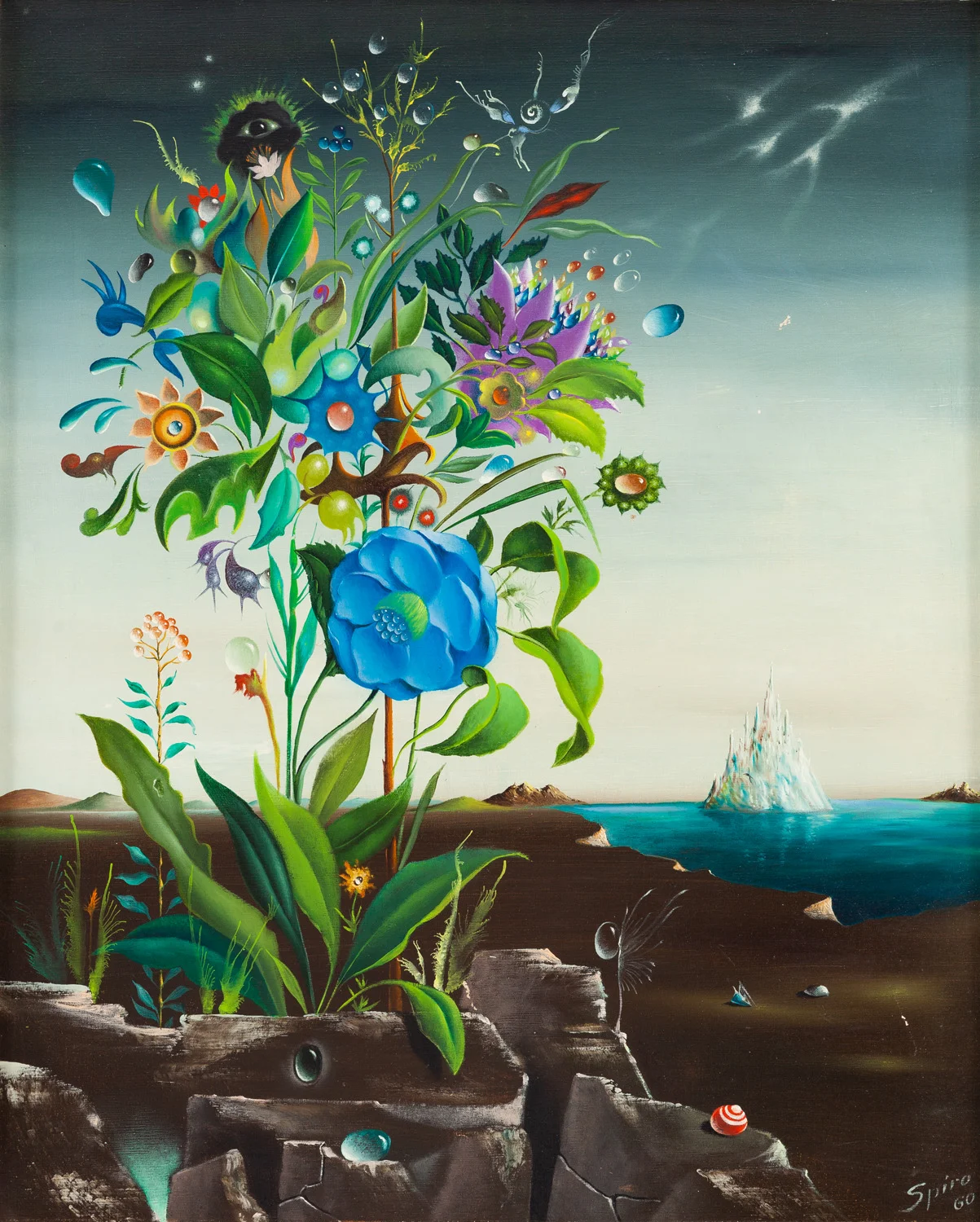
For readers who enjoy fascinating stories, we suggest texts on Georges Spiro, Marian and Borys Michalik, an in-depth psychological analysis of Lady Macbeth as portrayed by Żaneta Chłostowska, or a text for the stunning painting "Manhattan Resurrection" by the genre's master, Rafał Olbiński.