
Fangor's Universe
Many of the critical essays on the Wojciech Fangor's oeuvre rarely include information about the artist's long-lasting passion, to which he gave as much attention as to art – astronomy.
Looking at his most famous works from 1960s and 1970s one can easily draw a parallel between his way of painting and natural phenomena. At the same time one can easily notice the artist's strong historical background – in his painting techniques and theoretical approach to creation.
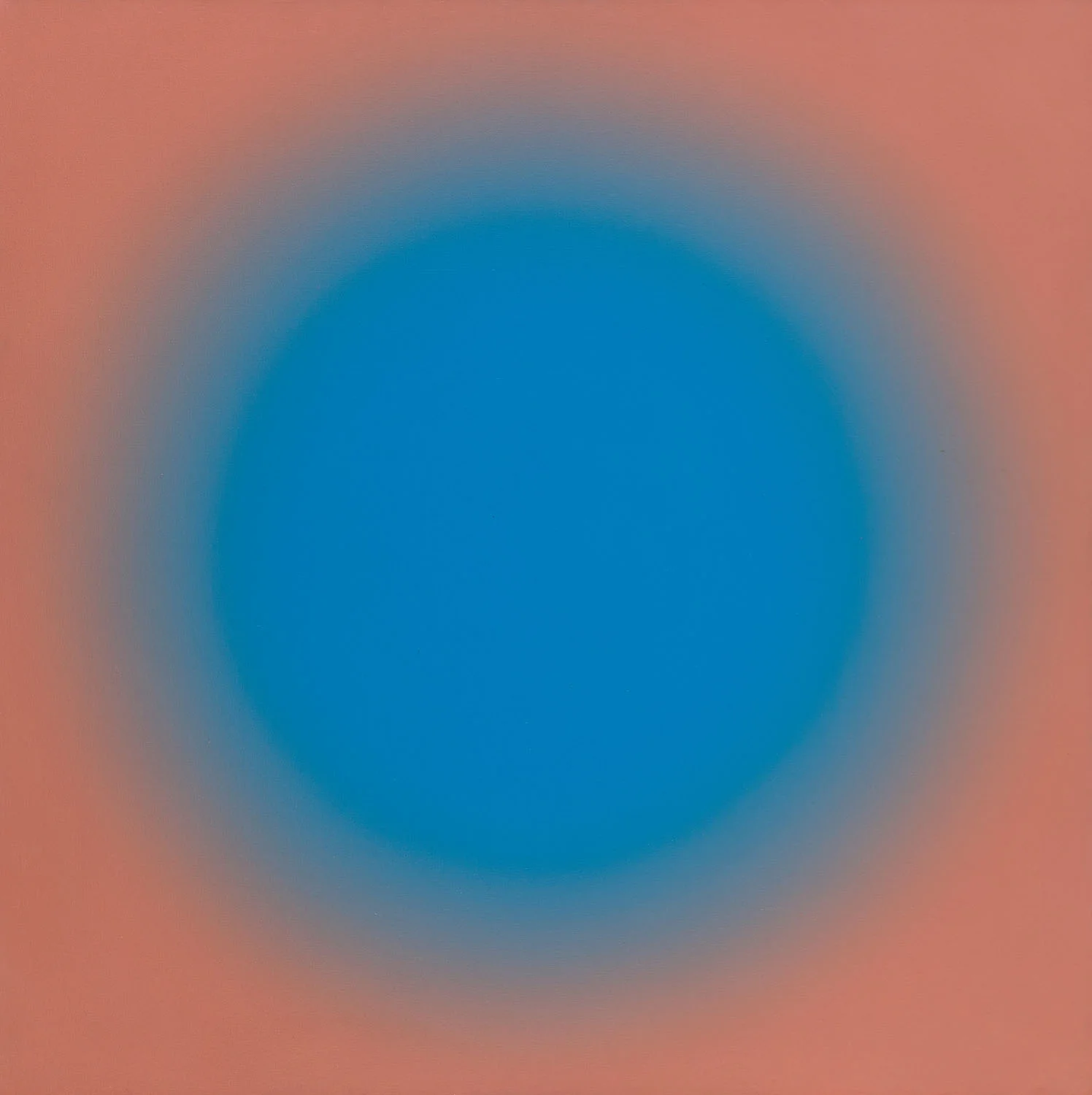
The beginning of his interest in the Universe can be traced back to the childhood years and was cherished by the artist until his death. The first steps were already taken by the teenager Fangor. The 14-year-old artist saw a small folder on the construction of a telescope in one of the Warsaw's bookshop windows. The issue turned out to be so interesting, the teenager decided to construct the device himself. The fact of his engagement in science is often overlooked in the artist's biographical essays.
During the Fangor's stay in the United States, together with his wife they bought an estate in Summit, New York. They lived there from 1969 to 1989. Next to the property he constructed a professional sky observatory in 1985. The placement of it was not a random choice – it was located on a hill, distant from the city settlements, thanks to which one could observe nebula, galaxies and other celestial bodies. The construction took a year and was designed and built by the artist from scratch.
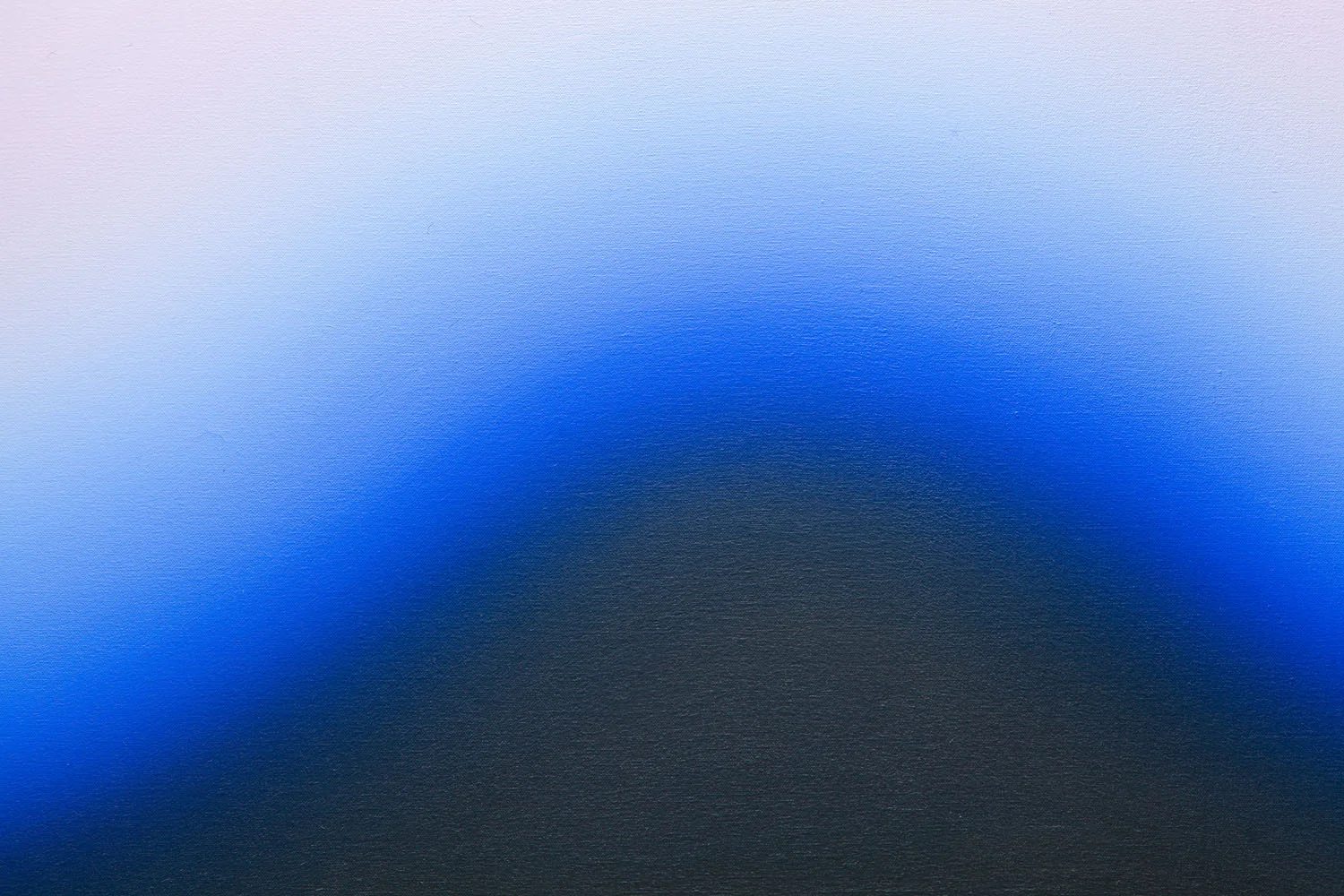
Abstract paintings, resembling pulsating circles and waves might be linked to watching the sky through the telescope – especially to the activity of bringing the image to and out of focus. The Fangor's works, through his characteristic use of sfumato technique, appear to be in the constant state of vibration – like the celestial bodies on the sky. The artists himself would prove this connotation right – he even created some works directly inspired by astronomy.

The work's creation technique is a thing itself worth noticing. Contrary to most of the artists who at the time worked in acrylic, Fangor was committed to oil. Flatness and unity of the colour fields was achieved through a successive application of translucent layers with the help of a soft brush. The importance of usage of the oil paint was dual: in the sense of long-drying of the material that allowed corrections, it also gave a specific impression of lucidity. Delicate, soft transitions between the colours were done at this exact stage and wouldn't be achievable through another technique.
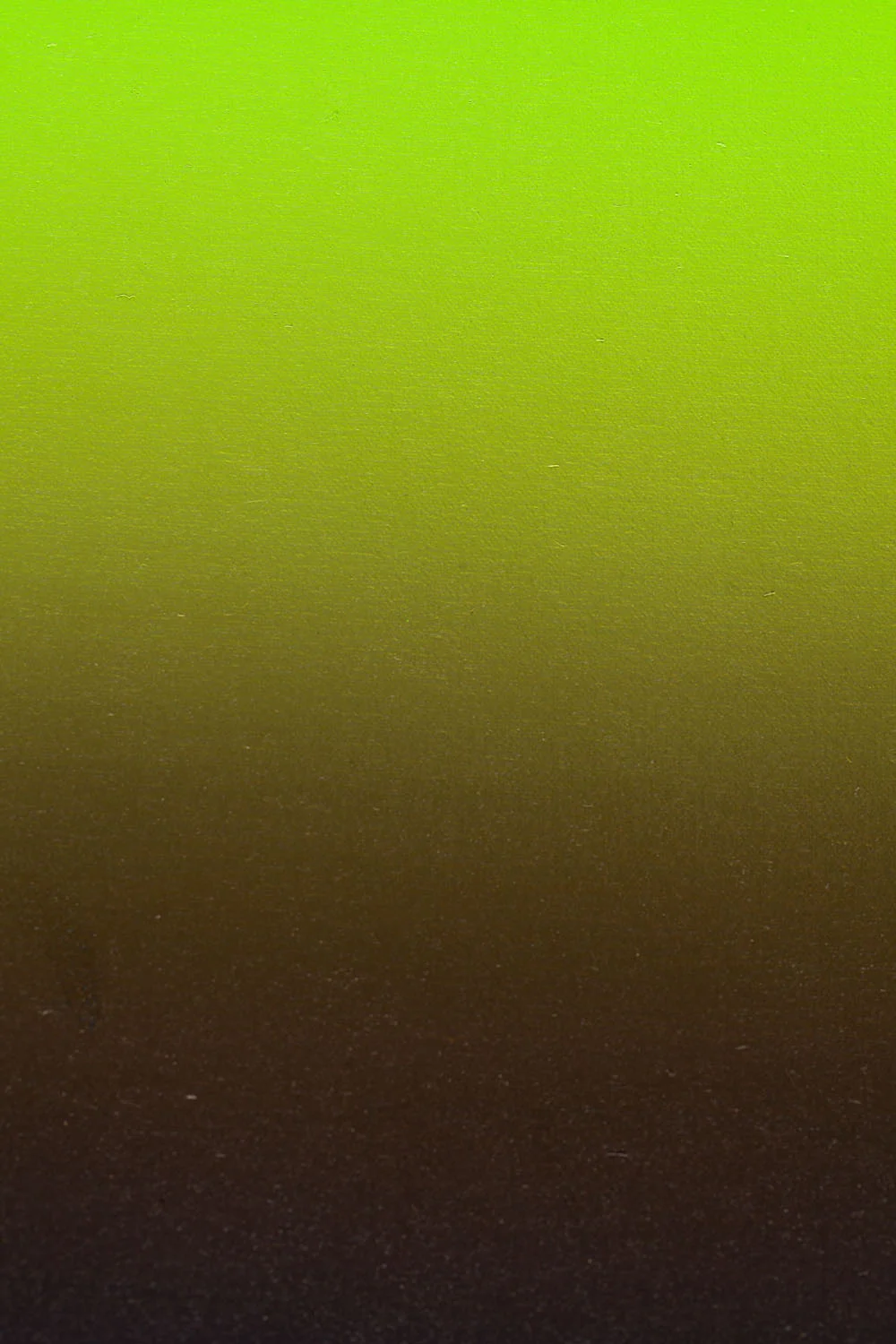
Fangor, through his main focus on color, hues and their influence of the viewer, somehow continued the tradition of the artists, researching the questions of optics from impressionism and post-impressionism. Their strongest starting point was the discovery of dispersion and early optical studies that helped understanding of the eye colour perception. Fangor examined the influence of color on space since 1958. Thus his oeuvre might be situated within the developments of optical art, however with a distinctive focus on colour than form.