
Creativity in the "WPROST" Circle
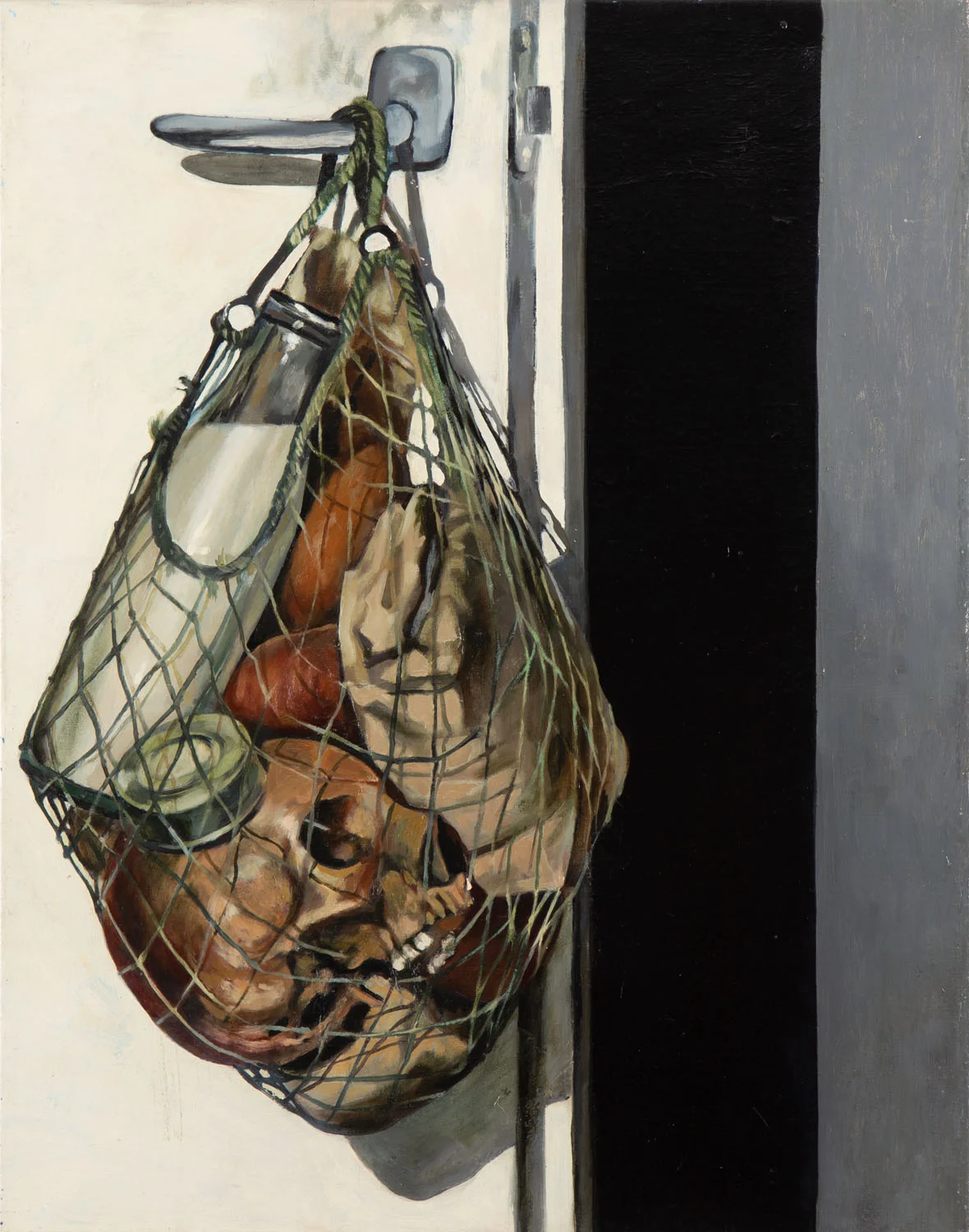
"We want to express ourselves directly, without overlooking the multiple possibilities provided by art: themes, symbolism, meaningful forms, material used for the content. We show what we do including our workshop to reveal thoughts and ideas in its direct, often first form ".
The "Wprost" group was founded in 1966 in Krakow and gathered alumni of the local Academy of Fine Arts. It was composed of Maciej Bieniasz, Zbylut Grzywacz, Leszek Sobocki, Barbara Skąpska and Jacek Waltoś. Apart from the eldest of the four, Leszek Sobocki, who studied with Adam Hoffman in Kraków at Wacław Taranczewski's studio (1959), and also studied in Katowice (at the Faculty of Propaganda Graphics, 1953-56) and Łódź (for a year at the Directing Department of the PWSTiF) , the remaining three graduated from prof. Emil Krcha studio in 1963. In the first appearance of the group in the so-called Wyspiański's day-room at the Palace of Arts in Krakow (1966) was also attended by the almost forgotten painter Barbara Skąpska. Known for painting poetic scenes from residential interiors, analyzing the illusion of space created by image refractions in windows or mirrors.
The creators explained their artistic goals:
"We want to express ourselves directly, without overlooking the multiple possibilities provided by art: themes, symbolism, meaningful forms, material used for the content. We show what we do including our workshop to reveal thoughts and ideas in its direct, often first form ".
Contrary to the numerous and ephemeral artistic groups that appeared in the 1980s, the Wprost group existed for over two decades (1966-85). Its members performed together during 20 exhibitions. The authors chose the surrounding reality and its problems as the main theme of their works. As Ewa Gorządek wrote,
"These days [in the 1960s, ed.], The artistic climate was defined by abstract art, focused on formal problems, in which the non-artistic message appeared in an allusive manner. Hence the idea to speak directly in art. The members of the group were in favor of figurative art expressing certain contents, almost journalistic. They preached anti-aestheticism and anti-formalism, and with their actions they preceded the new figuration of the 1970s. "
(Ewa Gorządek, Grupa Wprost, access: https://culture.pl/pl/tworca/ grupa-direct, access: 1 August 2019).
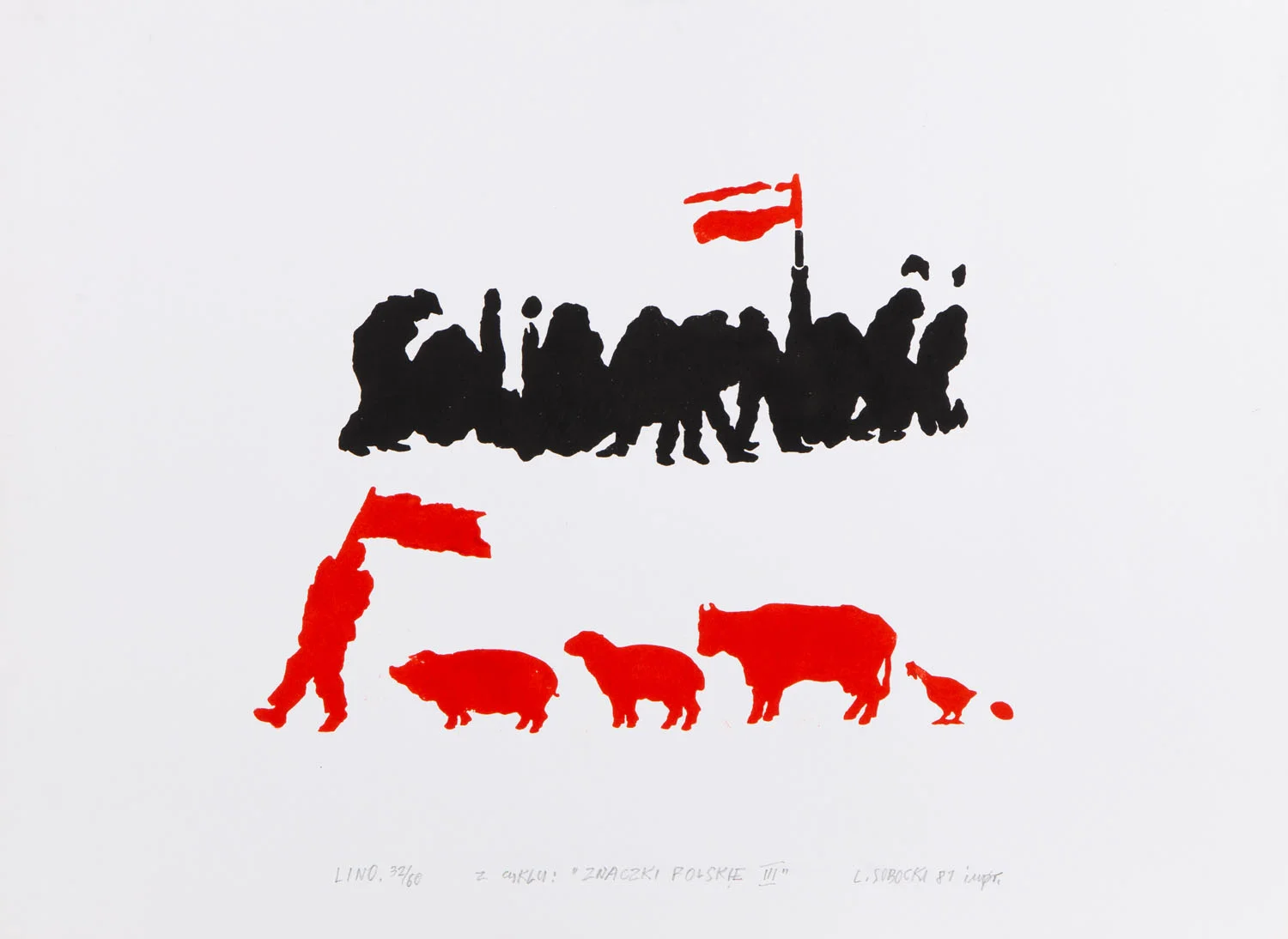
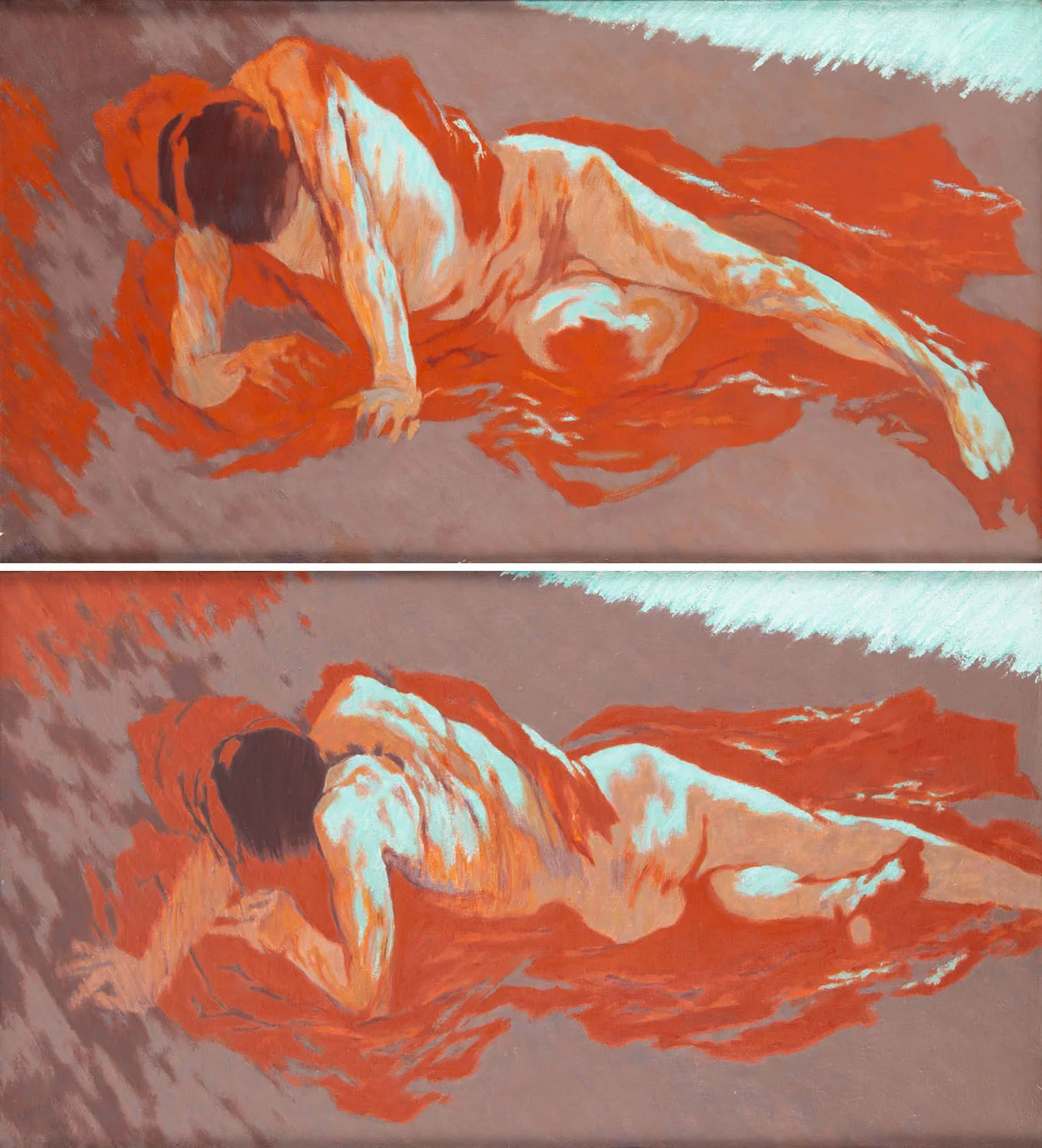
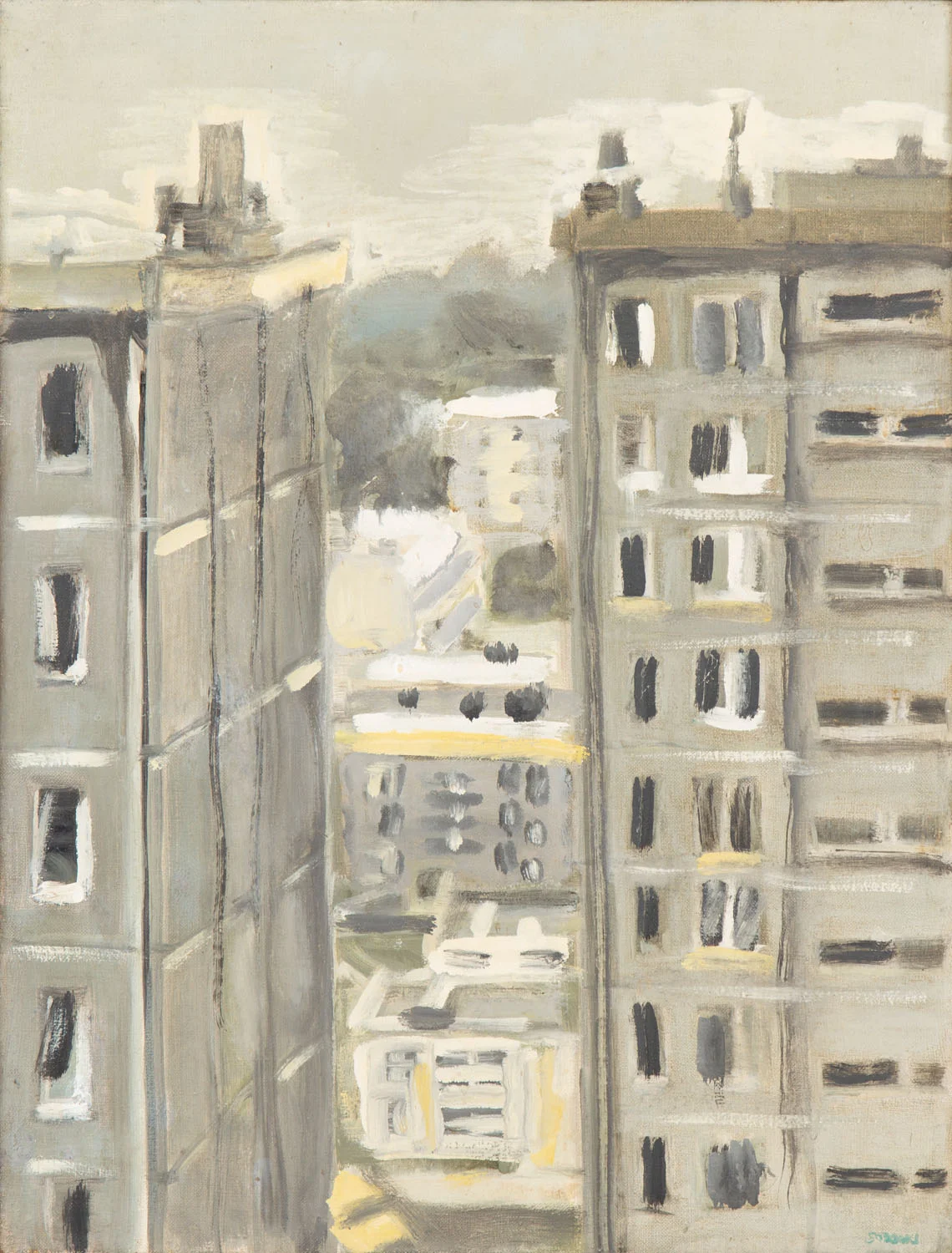
The auction "DECADE OF REBELLION. POLISH ART OF THE 1980S." presents the works of all representatives of the grouping. It is worth paying attention especially to the monumental canvas by Zbylut Grzywacz "Lying", from the series "Spring 82". The painter, was the only artist interned during the imposed martial law, he made a whole series of works related to the socio-political situation of the country, saturated with symbolism. Next to him, we can find works by Leszek Sobocki, which are the reception of the activities of "Solidarity" and its role in society. Sobocki's "Blokowisko" is, on the other hand, an image that masterfully reflects the atmosphere of despondency in the gray Polish reality of the last years of communism.
Other artists presented in the offer were also influenced by Krakow painters. As Anda Rottenberg wrote :
"The work of the Wprost Group during the martial law period were characterized by occasionalism and great persuasive power, and it also found many followers. The paintings of the then very young Tadeusz Boruta and his wife, Aldona Mickiewicz, were maintained in a similar style, although they tried to include more spirituality in their paintings, and, above all, to depart from the literal meaning of the message "
(Anda Rottenberg, Sztuka w Polsce 1945-2005, Warsaw 2005, p. 279).