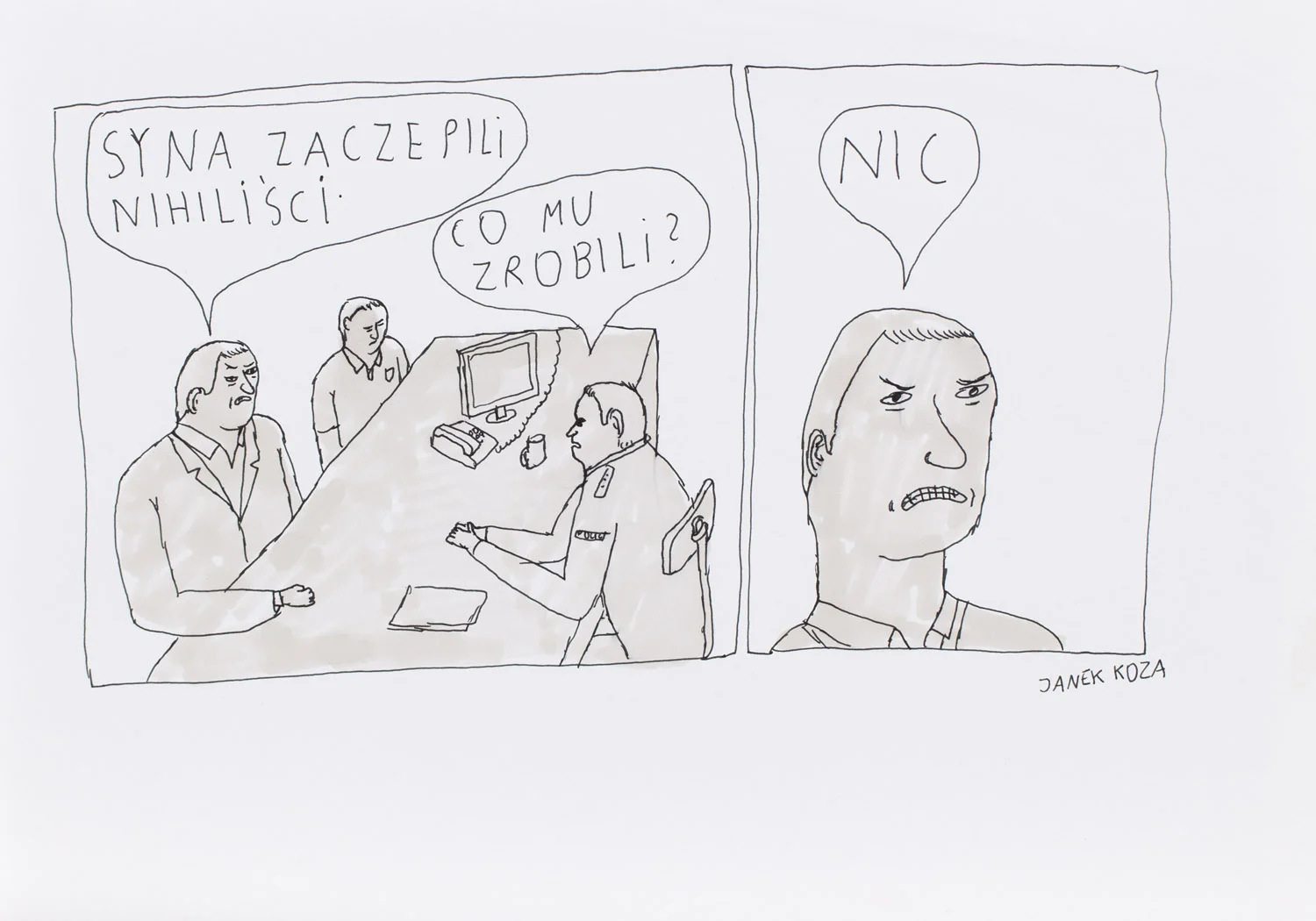
Comic Books throughout the years
Over the years, the comic market has experienced significant changes in consumer preferences, especially regarding content diversity and new distribution channels. While superhero comics still dominate, there is a noticeable increase in the popularity of alternative genres such as graphic novels, manga, and independent comics. Manga, the Japanese style of comics and graphic novels, stands out with its rich and diverse history featuring various trends. The close relationship between manga and anime continues to influence trends in both media.
Many manga titles are now available in multiple languages, allowing fans worldwide to enjoy their favorite series. Other significant points on the comic market map include France and Belgium, which have a rich tradition dating back to the early 20th century. Iconic characters such as Tintin, Asterix and Obelix, and Spirou originate from this region, forming the foundation for comic culture, which thrives to this day. The Franco-Belgian comic market encompasses various genres, from classic adventure series and comic strips to more mature and experimental works; bande dessinée offers something for everyone.
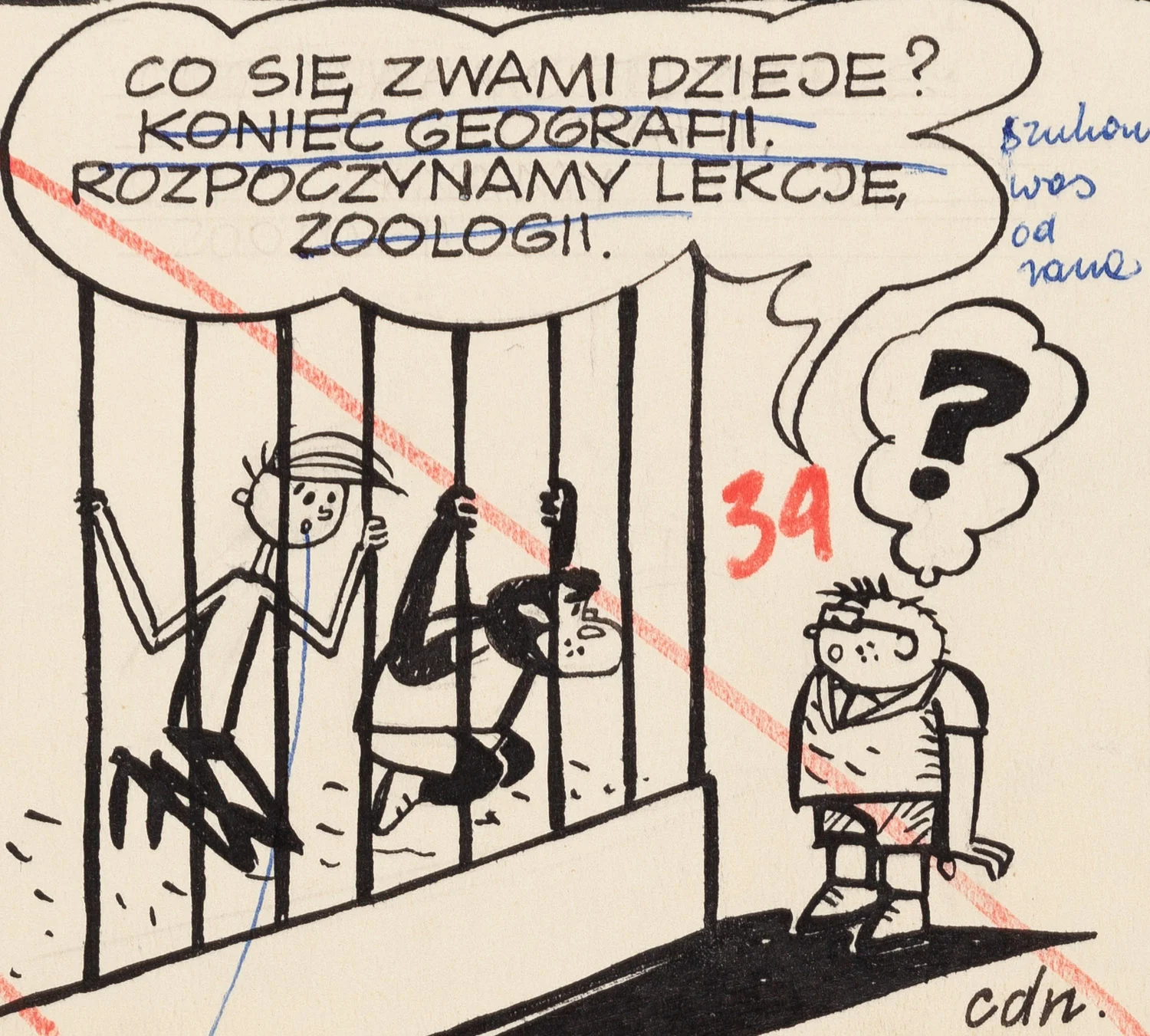
Comic book stores are common in France and Belgium, providing dedicated spaces for genre enthusiasts. The comic market in the United States is one of the largest and most influential globally, with a rich history and diverse range of publications. The American comic market is dominated by major publishers such as Marvel Comics and DC Comics. These giants produce iconic superhero titles like Spider-Man, Batman, Superman, and the Avengers, which have garnered huge fan bases over the decades. The American comic market often intersects with other entertainment industries, particularly film, television, and gaming. The influence of films and TV shows inspired by comics is immense, not only changing the entertainment industry but also reshaping perceptions of comics themselves. The comic market also has a strong collector aspect, where rare or key issues often fetch high prices in the secondary market. Among the most valuable album editions in Poland is "Solidarity – 500 First Days" with drawings by Jacek Federowicz and a script by Jan Marek Owsiński, released during the martial law. However, original boards are much more valued.
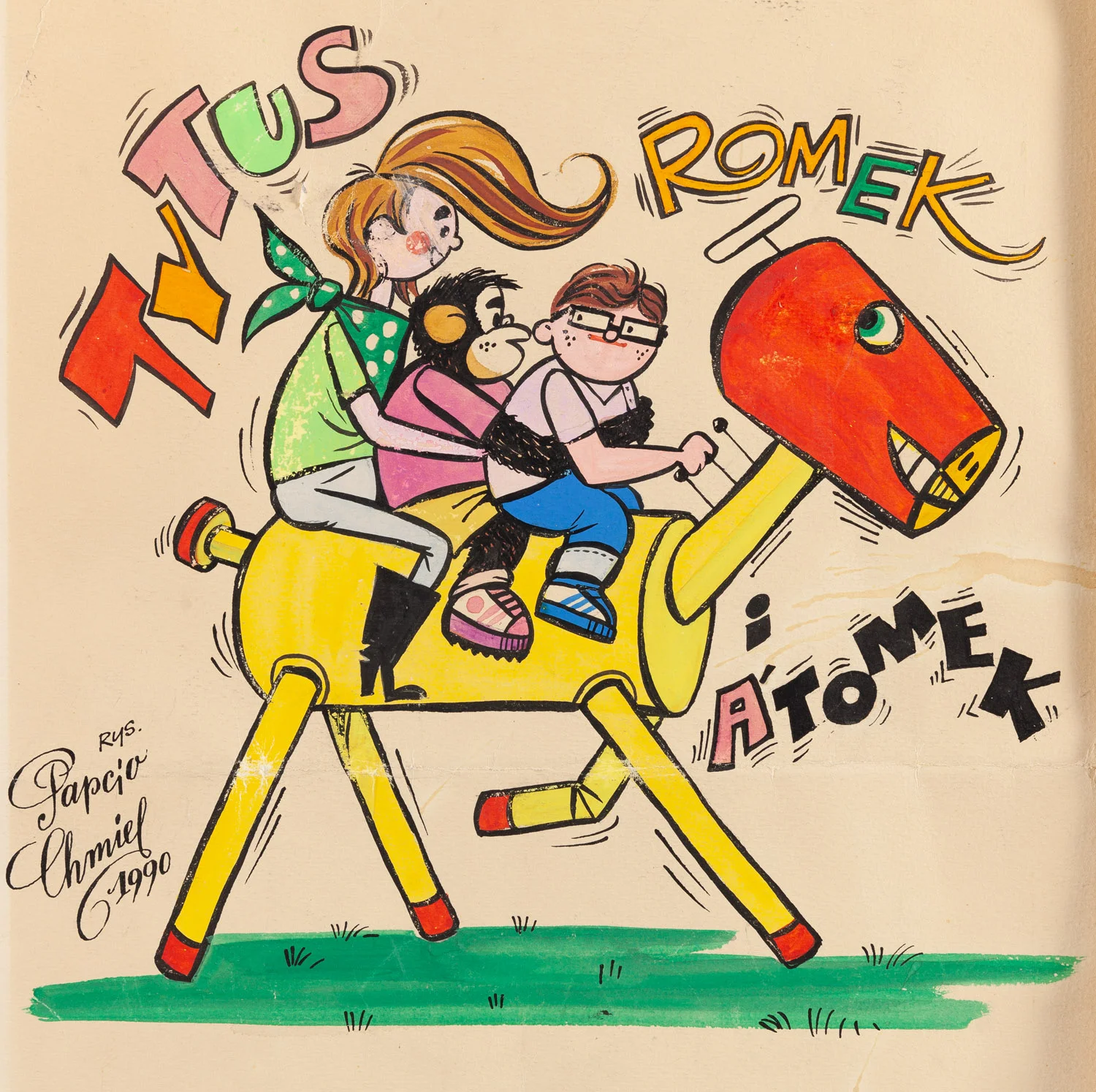
The work by Papcio Chmiel from the series "Tytus, Romek i A'Tomek" reached PLN 75,000 (EUR 17,425) at an auction at DESA Unicum in 2015, and the cover design for "Nowa Fantastyka" by Bogusław Polch featuring Funky Koval fetched as much as PLN 48,000 (EUR 11,151). Works by genre classics are the most sought after due to their historical as well as sentimental value, and more and more people collect them.
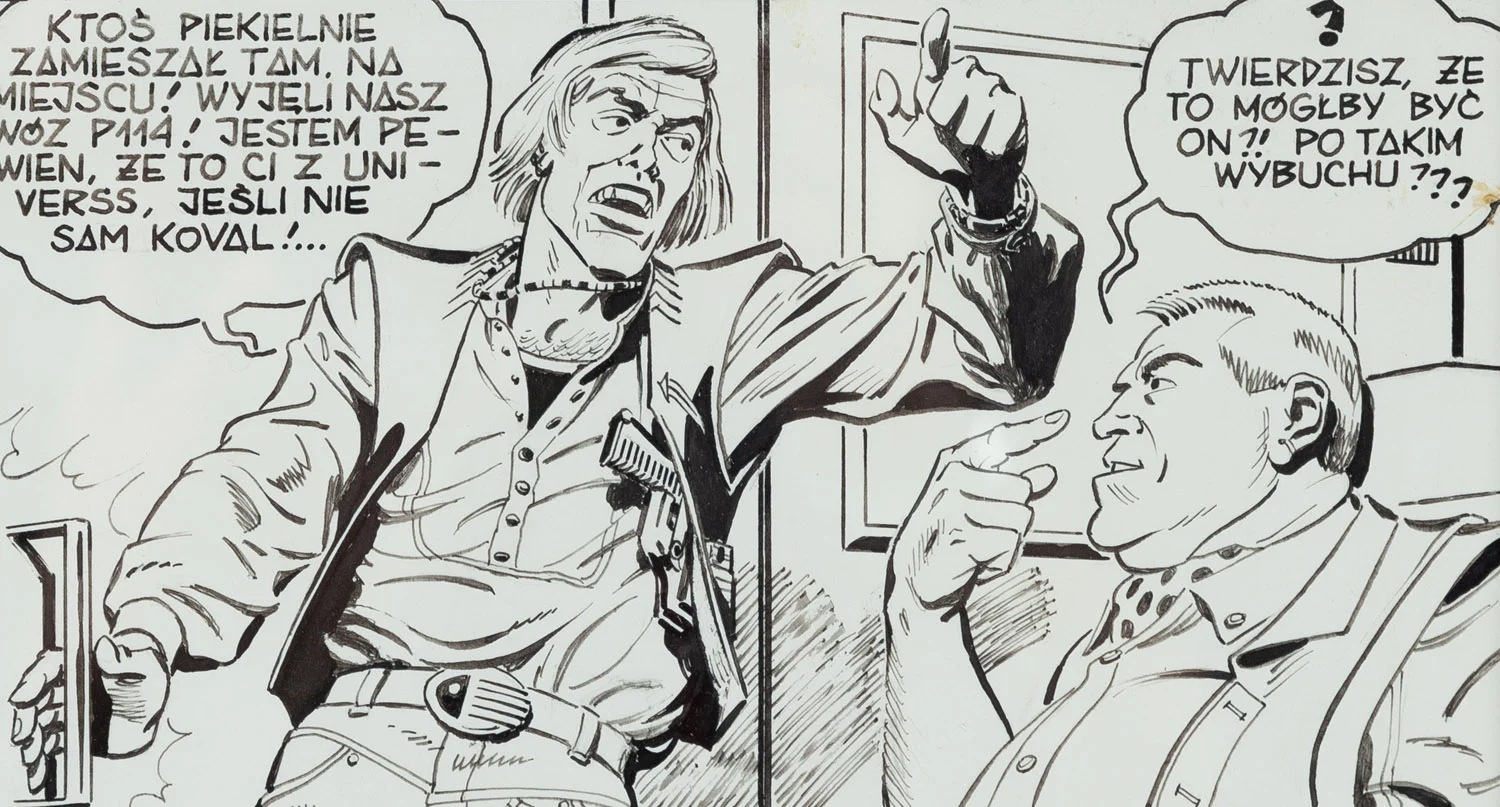
The most expensive and sought-after items are key covers and boards associated with specific stories. The signature, portrayal of the main character, characteristic but also unusual shots, close-ups, and non-standard techniques are important. The condition is also significant, but unlike the requirements for comic books, which must be in perfect condition, it is beneficial if the board shows signs of use. Notes, sketches, author's stamps and stickers, or other interventions by the creator or publisher are crucial. These are historical signs that affect the authenticity and value of the work.

Many painters contributed to the popularization of comic art, incorporating elements characteristic of picture books into their works. In Poland, this was the case with the Ładnie Group, whose former members still refer to comic book style. The growing popularity of comics stems from sentimentality towards childhood times, and iconic characters such as Tytus or Kajko and Kokosz still hold significant importance in broadly understood pop culture. Nowadays, comics are doing really well, with reprints of classic titles as well as numerous new releases. The trend of commenting on current events in short forms has also persisted in the press.