
Berezowska and Uniechowski. Iconosphere of the Polish People's Republic
Grzegorz Śliwiński
The works of the presented artists infused color into the gray reality of the communist Polish People's Republic. Antoni Uniechowski and Maja Berezowska achieved this by utilizing a medium that reached a mass audience: press illustration. Their works brought to life characters that appeared in daily newspapers not only through color but also through anecdotes. Berezowska - painterly and sensitive to color, creating mood, and Uniechowski - linear, based on outlines of forms and narrative.
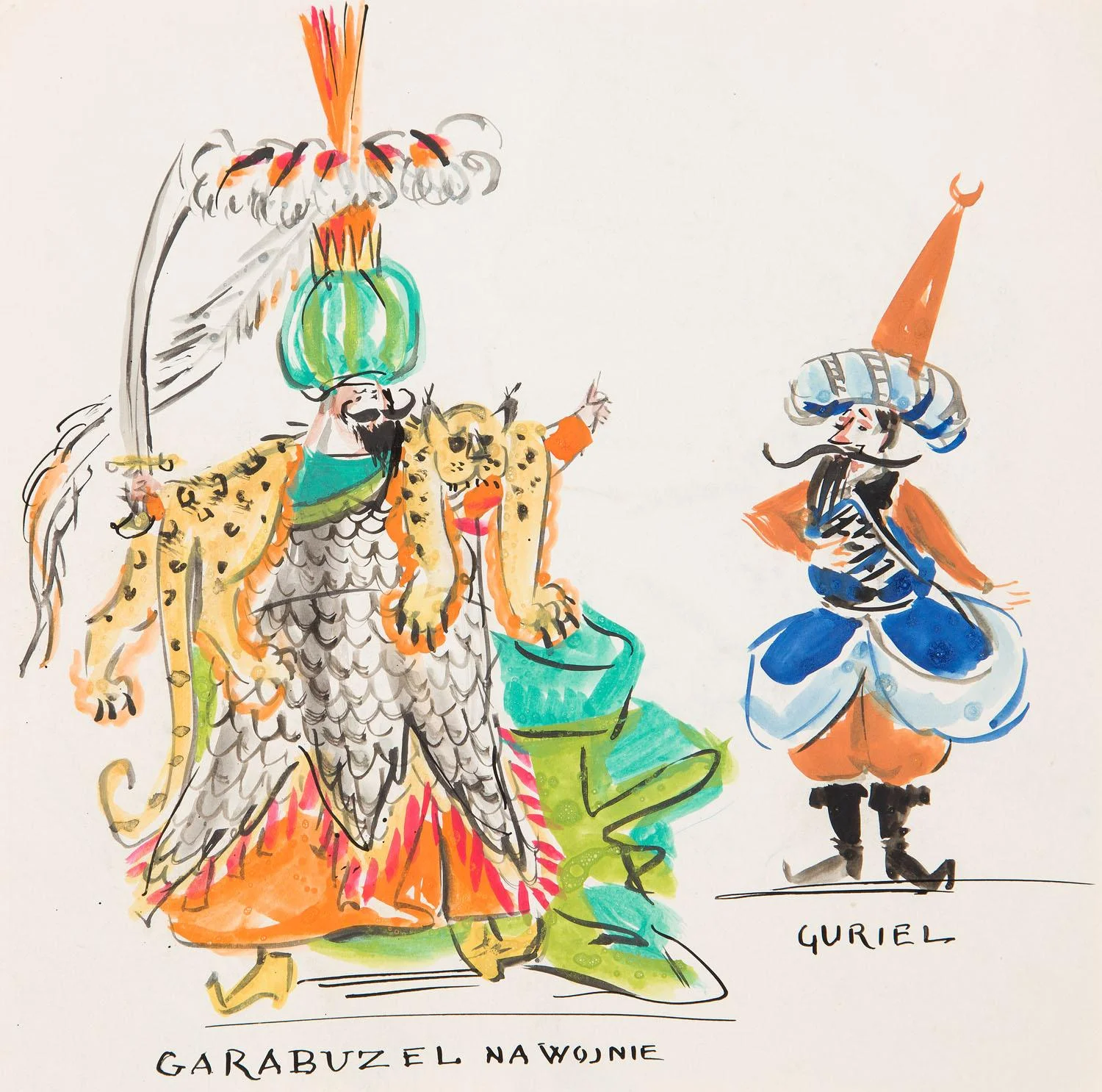
However, the art of both authors was not limited to illustrating newspaper pages. Their pictures also visualized fairy tales, novels, historical books, and after the war, both artists became associated with the theater. The themes they tackled, focusing on light, visually appealing, and idealized topics from the past, diverged from the canon of socialist realism and aimed to spread an aesthetic rooted in the values of pre-war reality.
Maja Berezowska
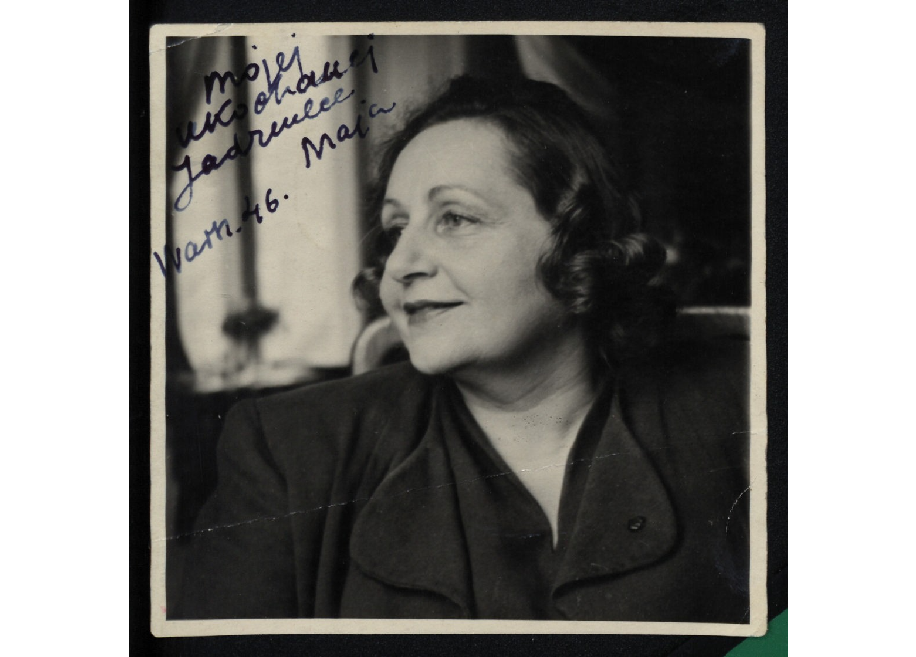
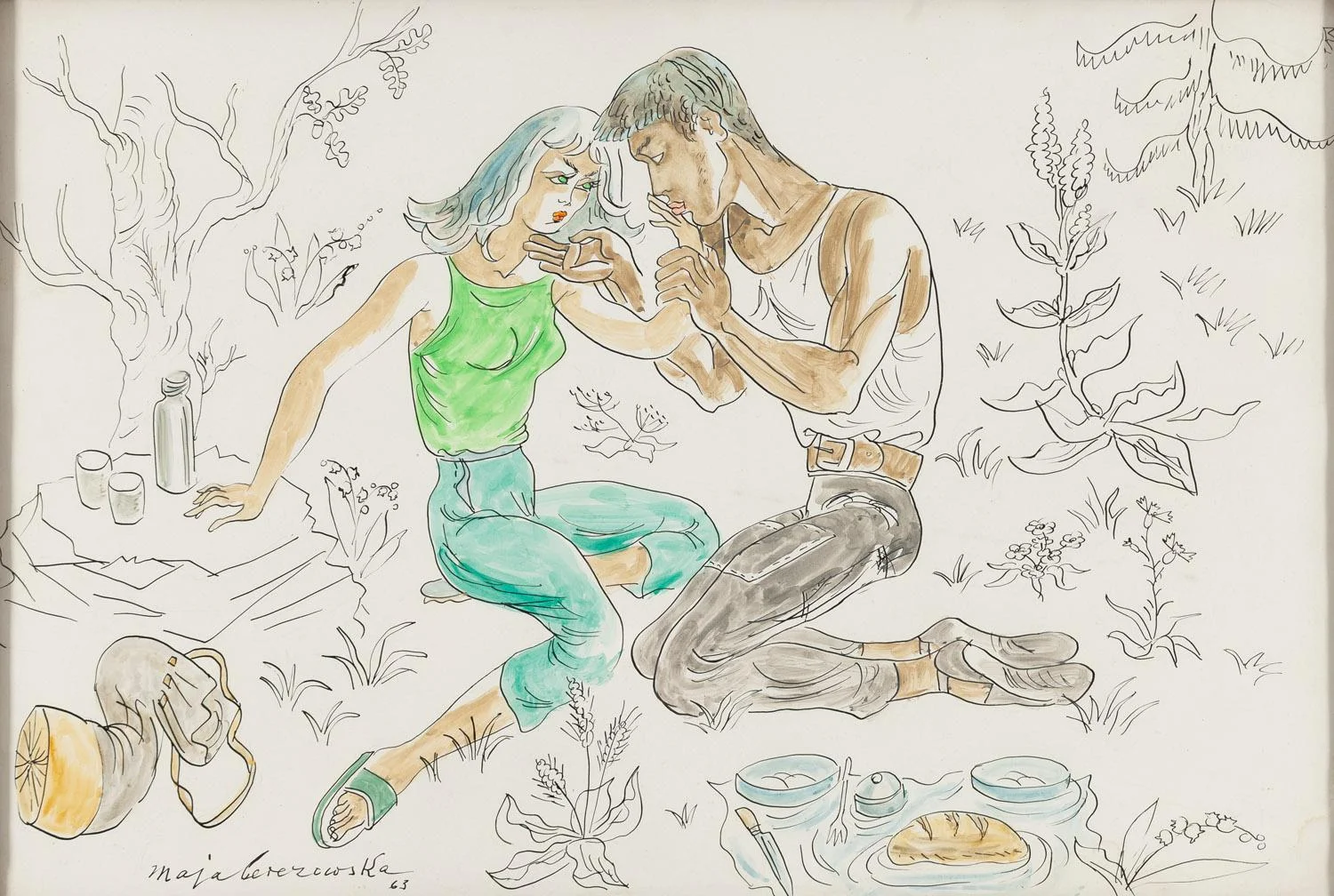
Her works are characterized by nostalgia for the past and references to the intimate nature of people. She often depicted love scenes set in various historical eras - from the Middle Ages to the 19th century, mostly portraying the Enlightenment era.
Maja Berezowska was a draftswoman and painter, particularly known for her graphic work. She studied in the school of Maria Niedzielska, and her lecturers included Jacek Malczewski and Leon Wyczółkowski, later continuing her artistic education in Munich. After World War I, the artist settled in Warsaw, where she fell in love with the caricaturist Kazimierz Grusia, who introduced her to the world of illustration. The couple shocked with their bohemian lifestyle, especially noticeable in the regularly visited Warsaw cafes, where they were always surrounded by a large circle of friends.
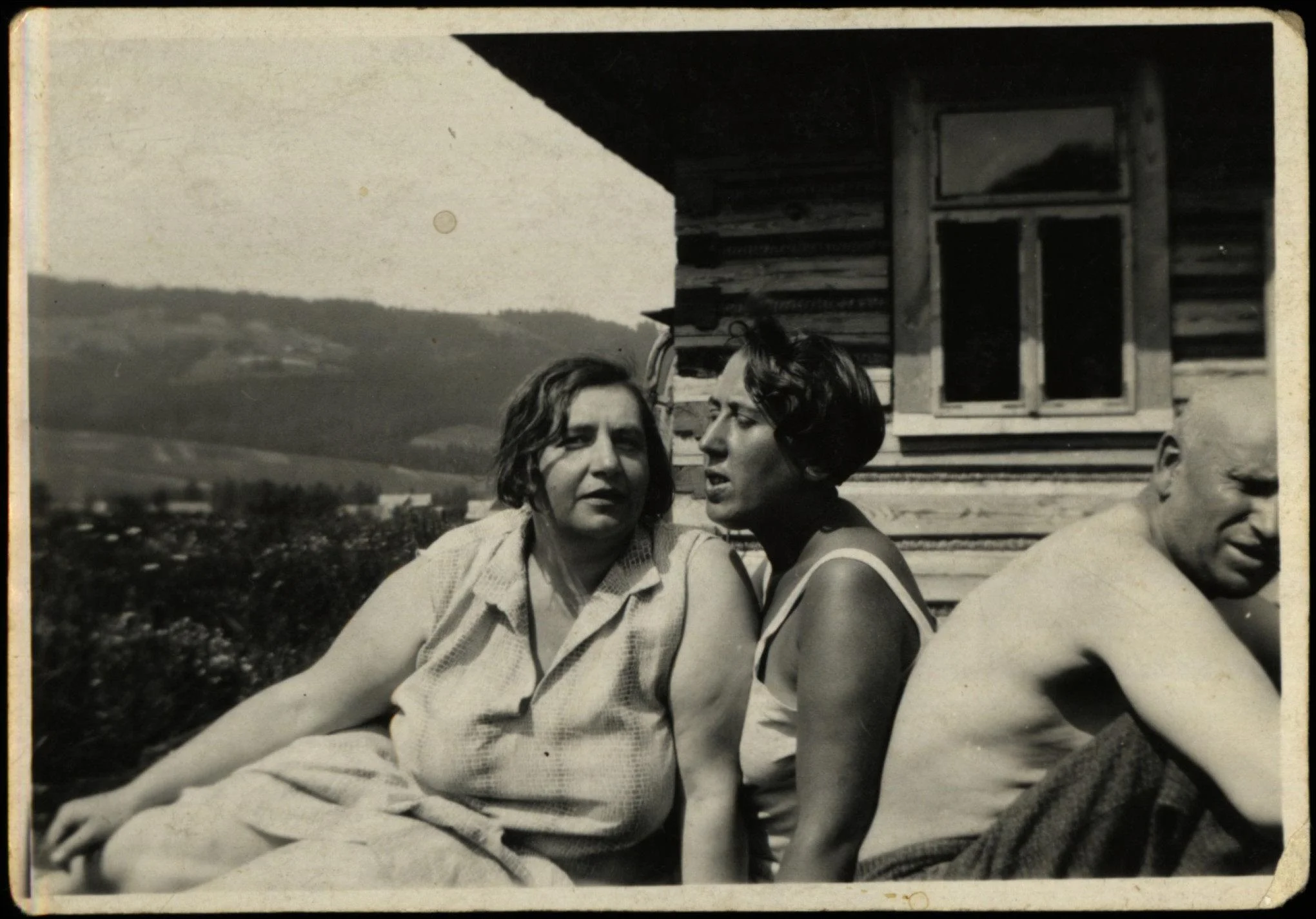
From 1926 onwards, Berezowska started creating weekly satirical works for "Cyrulik Warszawski" magazine, in which every issue's last page presented love scenes that contributed to her fame as an artist of erotic scenes. Her recognition among the highest social circles led to her illustrations for the luxurious edition of Boccaccio's Decameron, published in 1930. During the same period, Berezowska faced allegations that persisted throughout her life, accusing her of promoting debauchery and licentiousness.
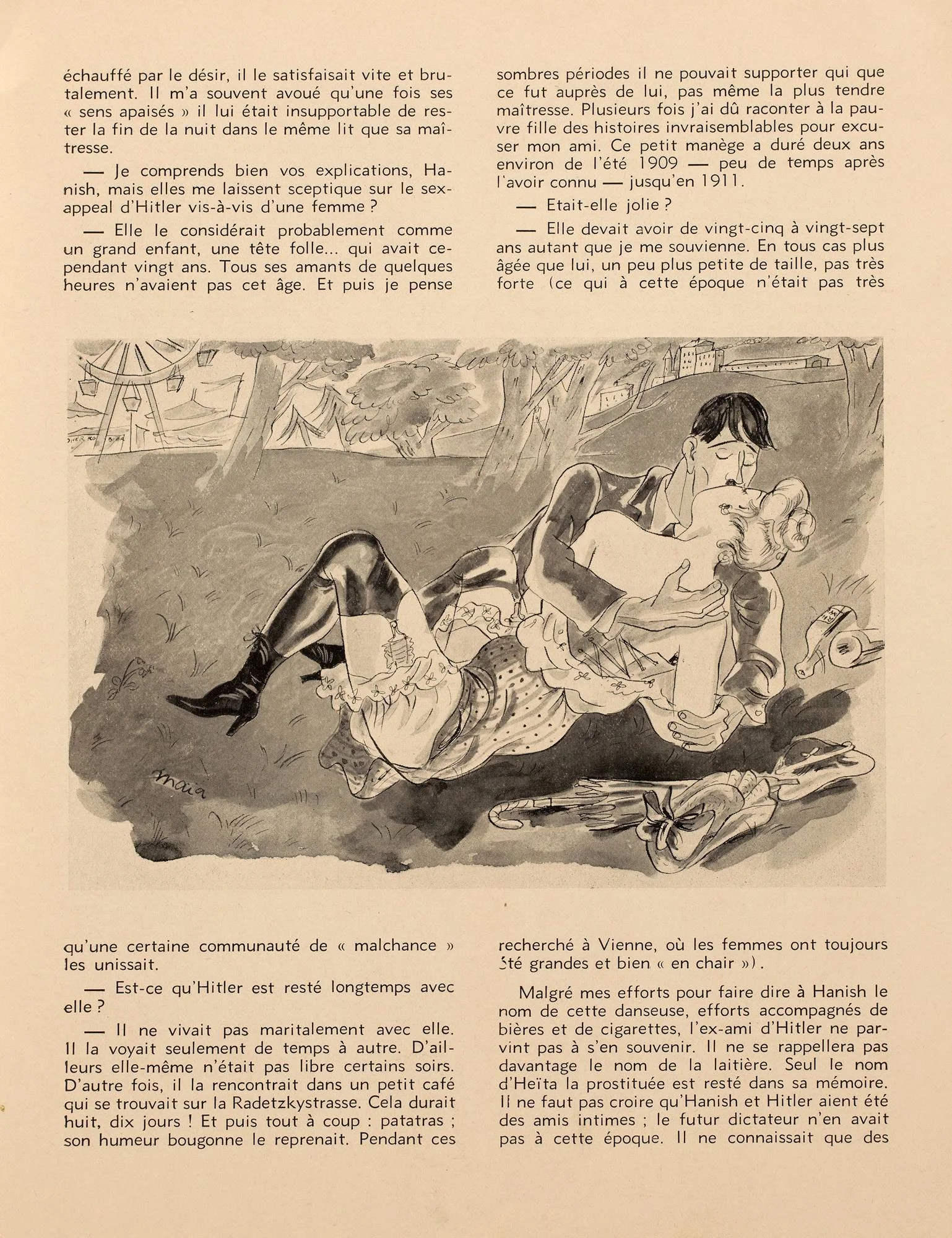
Between 1932 and 1937, the artist lived in Paris, where she blended European aesthetics with Japanese style, creating illustrations for magazines such as "Vogue," "Le Figaro," and "La Vie Parisienne." During her stay, the artist received an offer to make eleven illustrations for a satirical article titled "Hitler intime et les amours du susse Adolf" ("Sweet Adolf's Love Affairs") by Jean-Pierre Mezerette, to which the German Embassy officially objected. The publication of the magazine and the publisher's collaboration with Berezowska led to her being brought to a French court. This likely contributed to her later internment in the Ravensbrück concentration camp. Even in the face of this tragedy, the artist maintained her strength, creating incredibly rare drawings idealizing life in the camp, such as the portrait of Halina Zofia Bella from 1943.
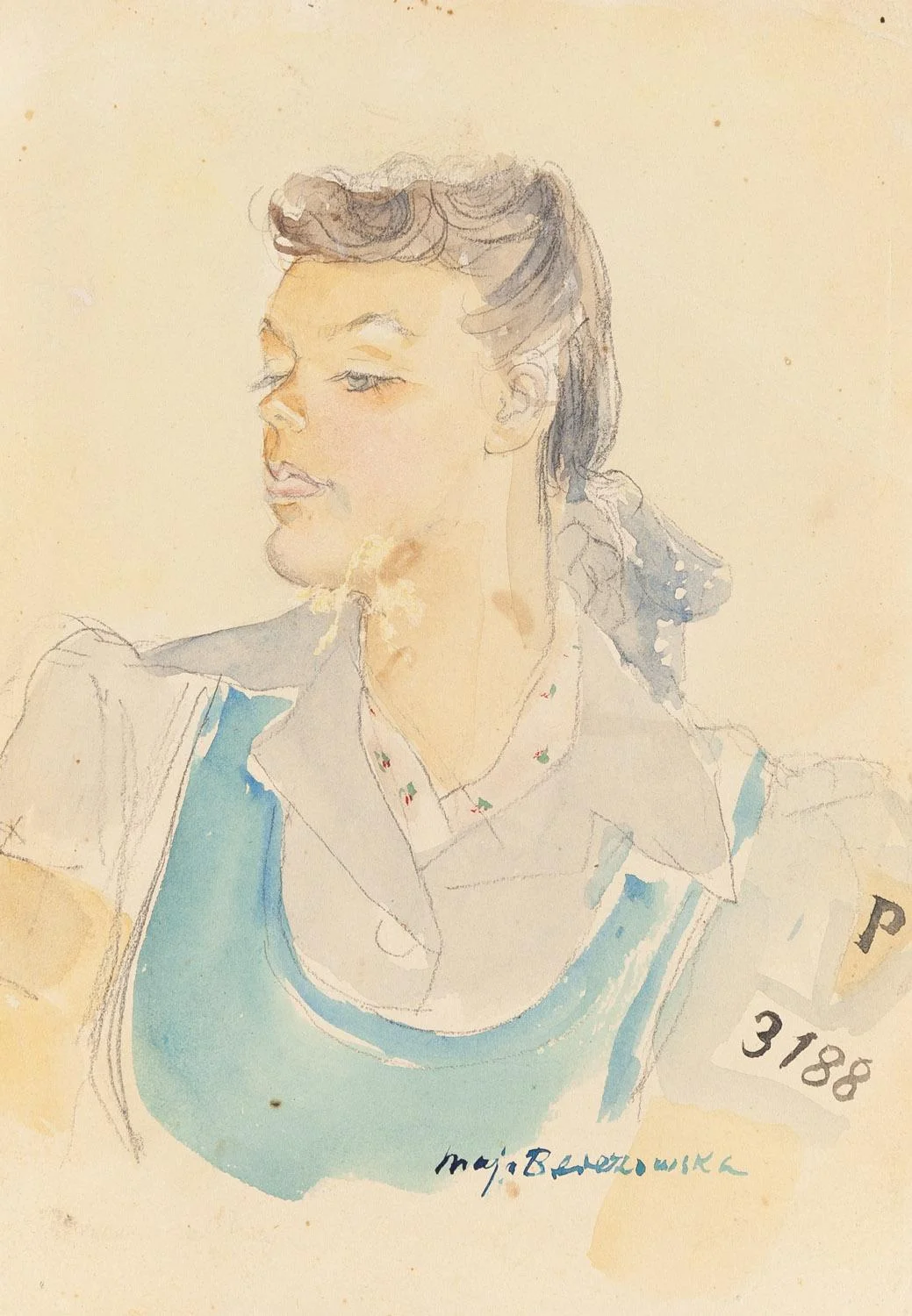
After World War II, the artist briefly worked in Sweden, where despite growing success, she returned to her family in Poland, dedicating herself to designing costumes and stage sets for theaters. After the thaw of 1956, she returned to illustrating books, as evidenced by the tens of thousands of copies that reflect the constant interest in her illustrative talent.
Antoni Uniechowski
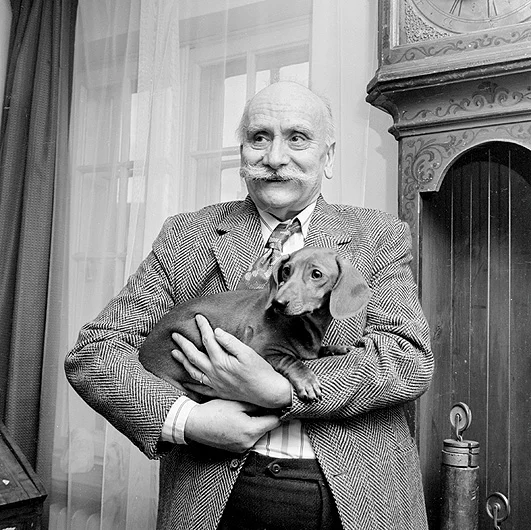
"Twisted mustache, jaunty look. Antoni Uniechowski looked as if he had stepped out of an old vaudeville show."
Source: Monika Małkowska, weranda.pl
Born in Vilnius, he displayed an interest in history from an early age, learning the passion for collecting from his enterprising father. After the Bolshevik revolution, his family moved to Warsaw, where he continued his education at the Gymnasium of St. Stanislaus Kostka, attending at the same time as Witold Gombrowicz.
Uniechowski stood out not only with his original creativity but also with his extraordinary demeanor. Coming from a noble family, he combined elegance with being independent. To marry him, Maria Assunta de Liguorii, daughter of a Neapolitan prince, and later Uniechowski's wife, renounced her father's inheritance.
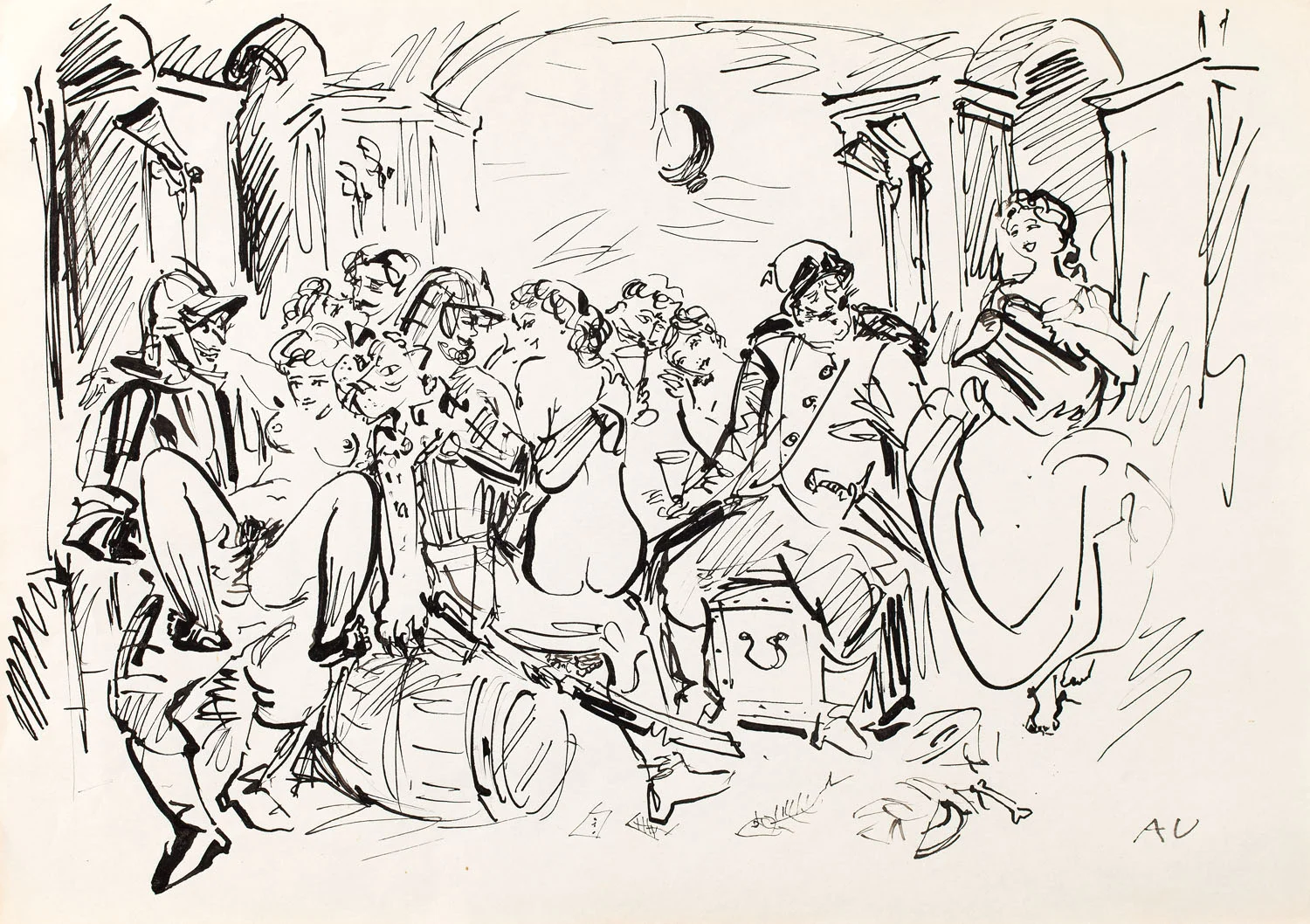
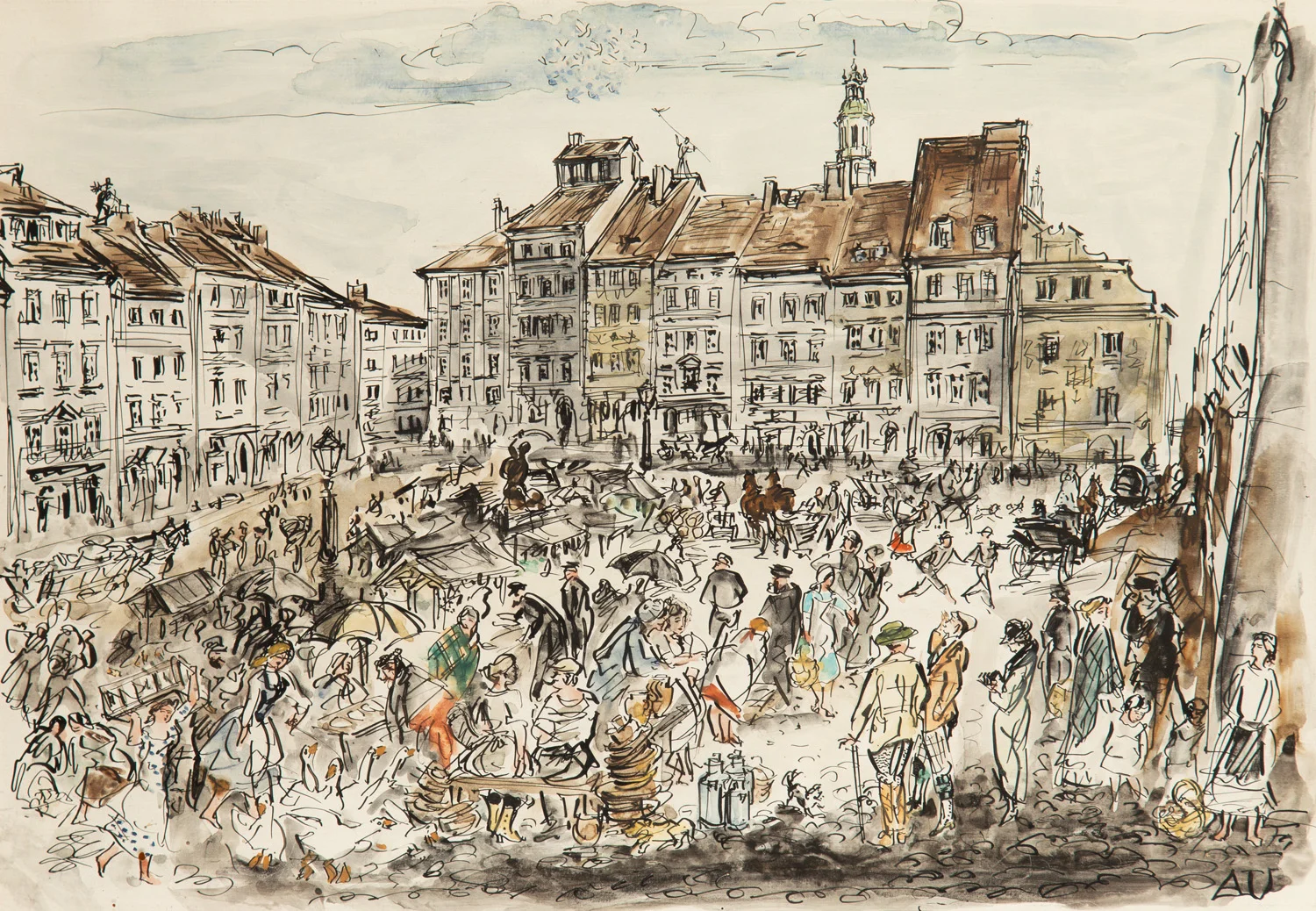
Uniechowski's works are characterized by the simultaneous freedom of line combined with thorough historical preparation. The artist's passion for the past was present continuously since his childhood; he visualized his first scenes taken from historical literature already at his family's manor house in Rusinowicze. His drawings capture the mood as if depicting a scene unfolding directly before Uniechowski. Uniechowski's style changed and adapted to the situation he depicted. Among other things, he is known for his numerous drawings of horses, aiming to capture how a particular epoch composed their silhouettes.
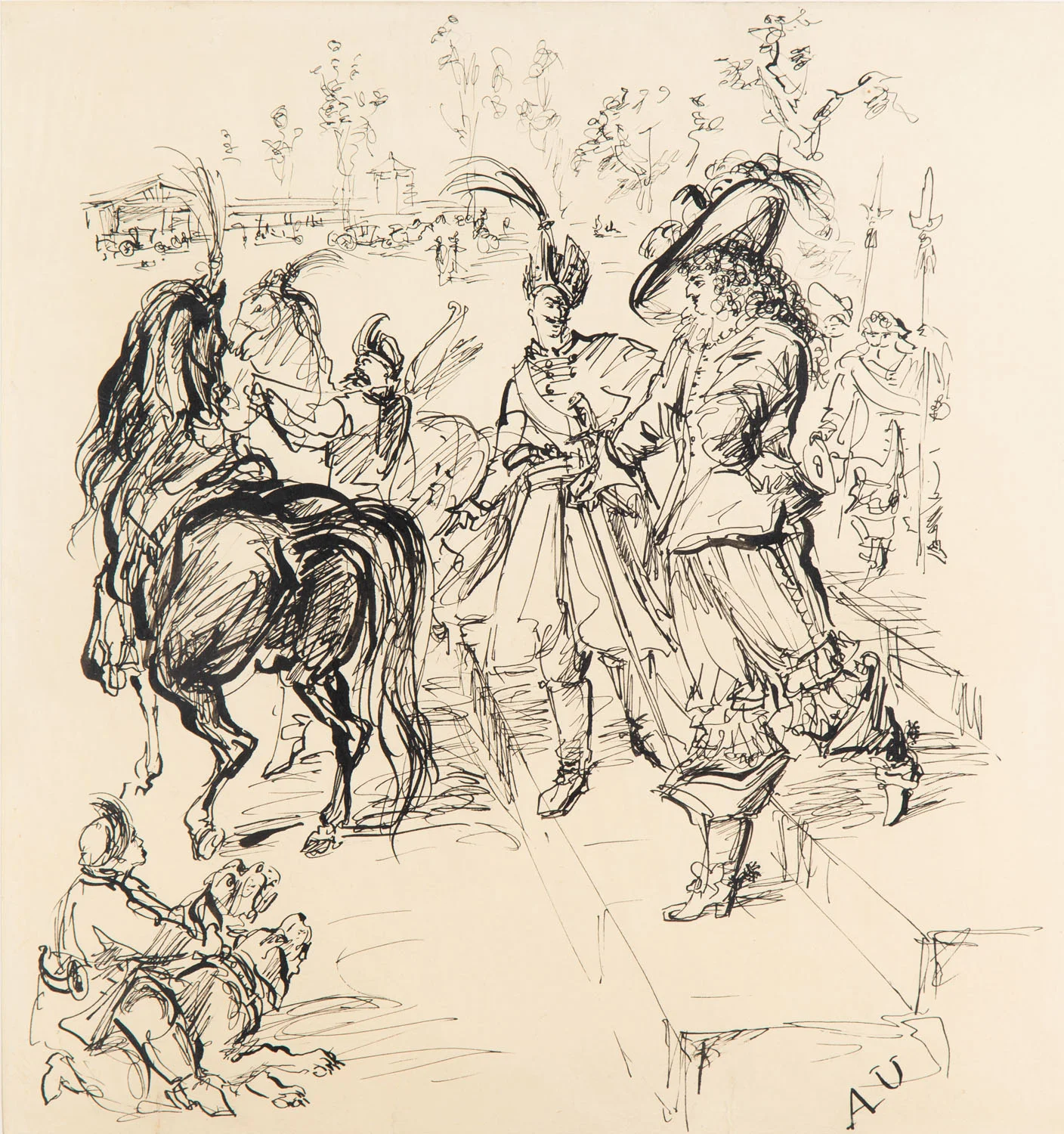
Before Uniechowski began capturing the moods of novels in his drawings, he collaborated with magazines. His over a decade-long partnership with the magazine "Przekrój" allowed him to achieve independence and artistic experience. These works are characterized by a distinct combination of realism with anecdotal narration. The historical scenes enlivened by this narration enabled readers to be fully immersed in the world of literature. After World War II, the immersive character of his works also found expression in theater scenography.