Atelier Mourlot and Maeght. Collaboration with avant-garde masters
At our latest auction, we aim to bring together two major names – Mourlot and Maeght – two families that had a decisive influence on the popularization and distribution of modernist art, and art in general, in the 20th century. The stories of the Mourlot and Maeght families not only intertwine with the lives and art of the greatest avant-garde creators such as Picasso, Chagall, Miró, or Braque but also constantly correspond with each other in a continuous cycle of competition and collaboration in the fields of exhibitions, publications, and lithographic art. It should be remembered that both Fernand Mourlot and Aimé Maeght, despite amassing incredible fortunes and art collections, remained faithful to what had once allowed them to build their empires – lithography.
It is the year 1930. The painter Pierre Bonnard enters the small printing studio "L'Imprimerie des Arts" in Cannes wanting to print a program for a concert he illustrated. The owner of the studio, Aimé Maeght, fulfills the order, and the lithograph with Bonnard's work is displayed in the window – it sells immediately. These were the beginnings. Fifteen years later, Aimé held an exhibition of Henri Matisse's paintings from the wartime period at the opening of his gallery on Rue de Téhéran in Paris.
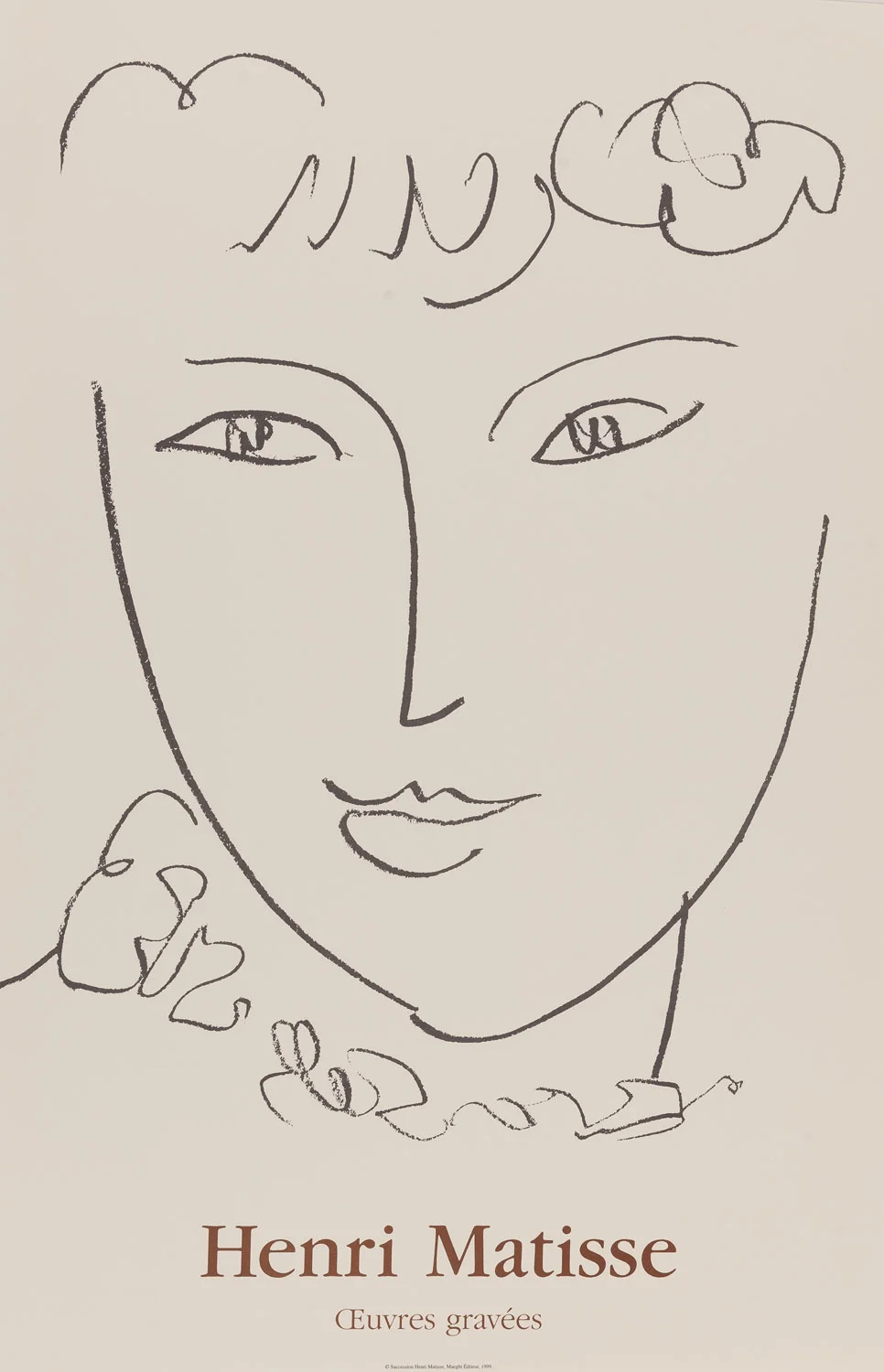
In that same year of 1945, Pablo Picasso, most likely through Georges Braque, appeared at Fernand Mourlot's workshop in Paris, initiating a rapid flourishing of this studio. You can read more about the Mourlot family here: Family Mourlot. Generations of lithography masters
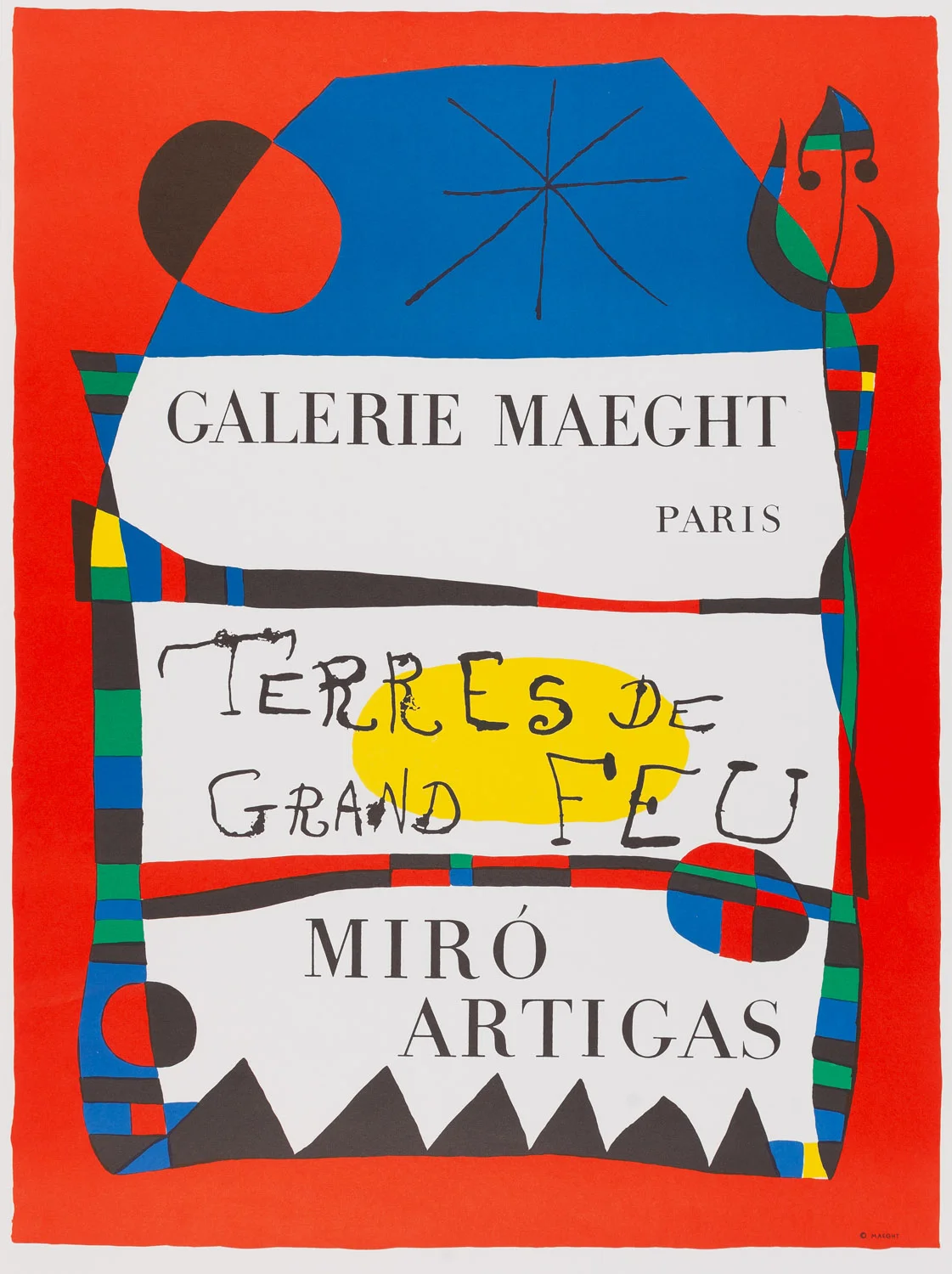
After the closure of the printing press in Cannes in 1946, Mourlot mainly handled lithographic printing for Maeght, producing lithographic posters for exhibitions and commemorative prints. An interesting item from this period is the lithographic poster from 1956 for Joan Miró's exhibition "Terres de Grand Feu" ("Lands of Great Fire") at the Aimé Maeght Gallery in Paris. The poster was made in the Mourlot studio, but unlike usual, it lacks the characteristic imprint "MOURLOT" – instead, we find the inscription "© MAEGHT." This marks an early indication of the clash between two strong personalities and the race of two dealers for supremacy in the field of distributing contemporary art of those times.
It is Aimé Maeght's temperament that led his son Adrien to decide to break business ties with his father and in 1956, he opens his own gallery on Rue du Bac in Paris, on the opposite bank of the Seine.
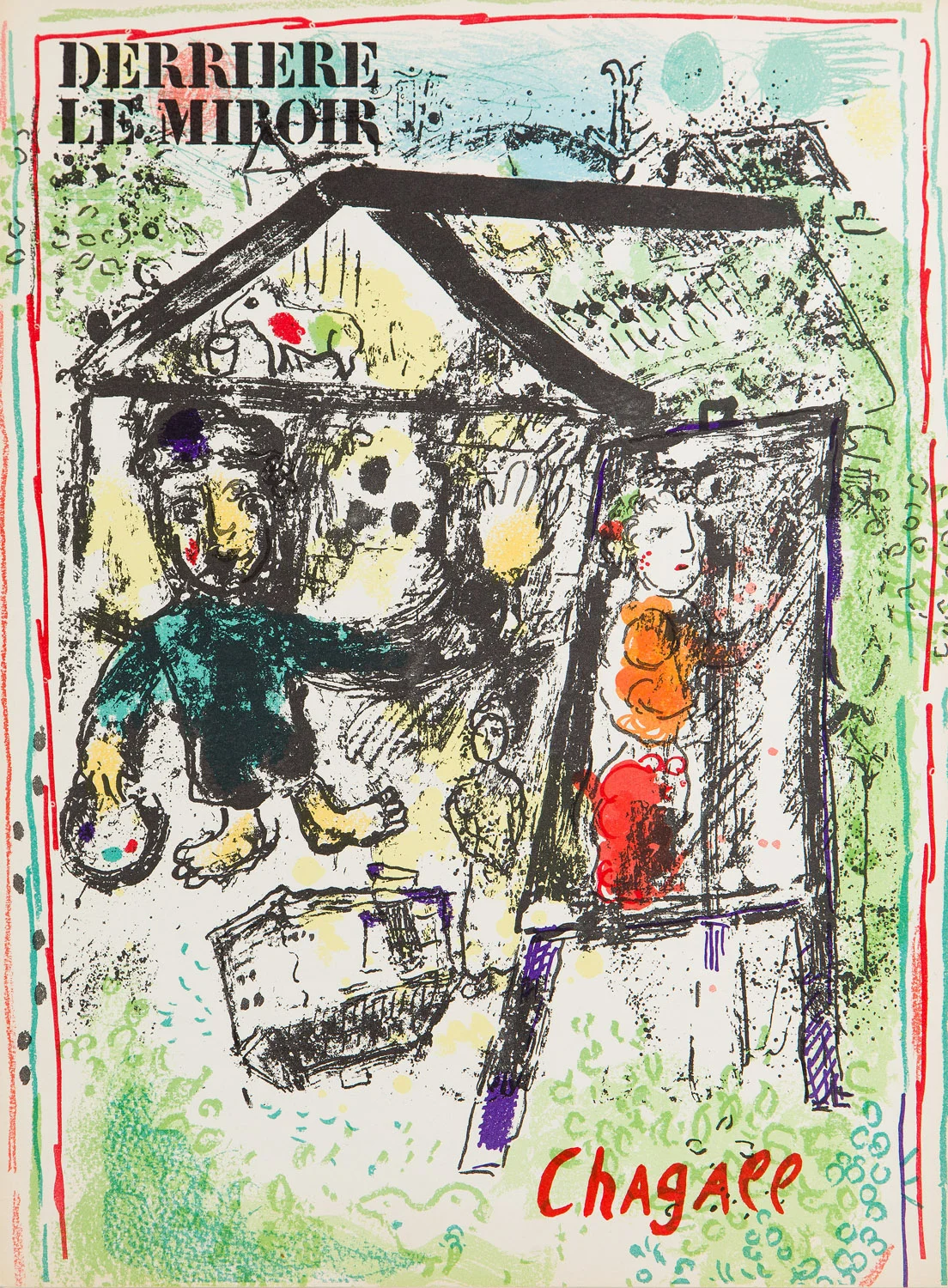
An unprecedented event remains the collaboration of both families on the legendary periodical "Derrière le Miroir," published by Aimé Maeght, which for almost forty years – from 1946 to 1982 – shaped tastes, promoted art, and made it easy to collect: most issues of the magazine, available by subscription, featured original lithographic covers, and additional lithographs – including large fold-outs – were inside. The composition, printing, editing, and distribution of the magazine were handled by Maeght, but all lithographs were printed by... Mourlot.
It was only Adrien Maeght mentioned earlier who initiated a period of autonomy and independence from Atelier Mourlot by founding in 1964 a printing studio specializing in lithography called ARTE (ARt et TEchnique graphique) in Paris.
"Calotype, lithography, photocompositional engraving, and electronic photomechanical engraving. Miró alone created over a thousand prints on stone, zinc, copper, and even wood at ARTE . Posters of course play an important role in ARTE's production, and lithography is the most commonly used technique." – this is how Adrien describes the capabilities of his studio in the introduction to the catalog "ARTE Affiches."
Adrien's contribution to the family business can be seen, for example, in the publications accompanying Joan Miró's "Sobreteixims" exhibition at the Maeght Gallery in 1973. Both the intense and expressive lithographic poster and the special edition of "Derrière le Miroir" dedicated to this exhibition with three large lithographs were prepared and printed entirely at Adrien Maeght's ARTE studio. Lithography runs in the family.
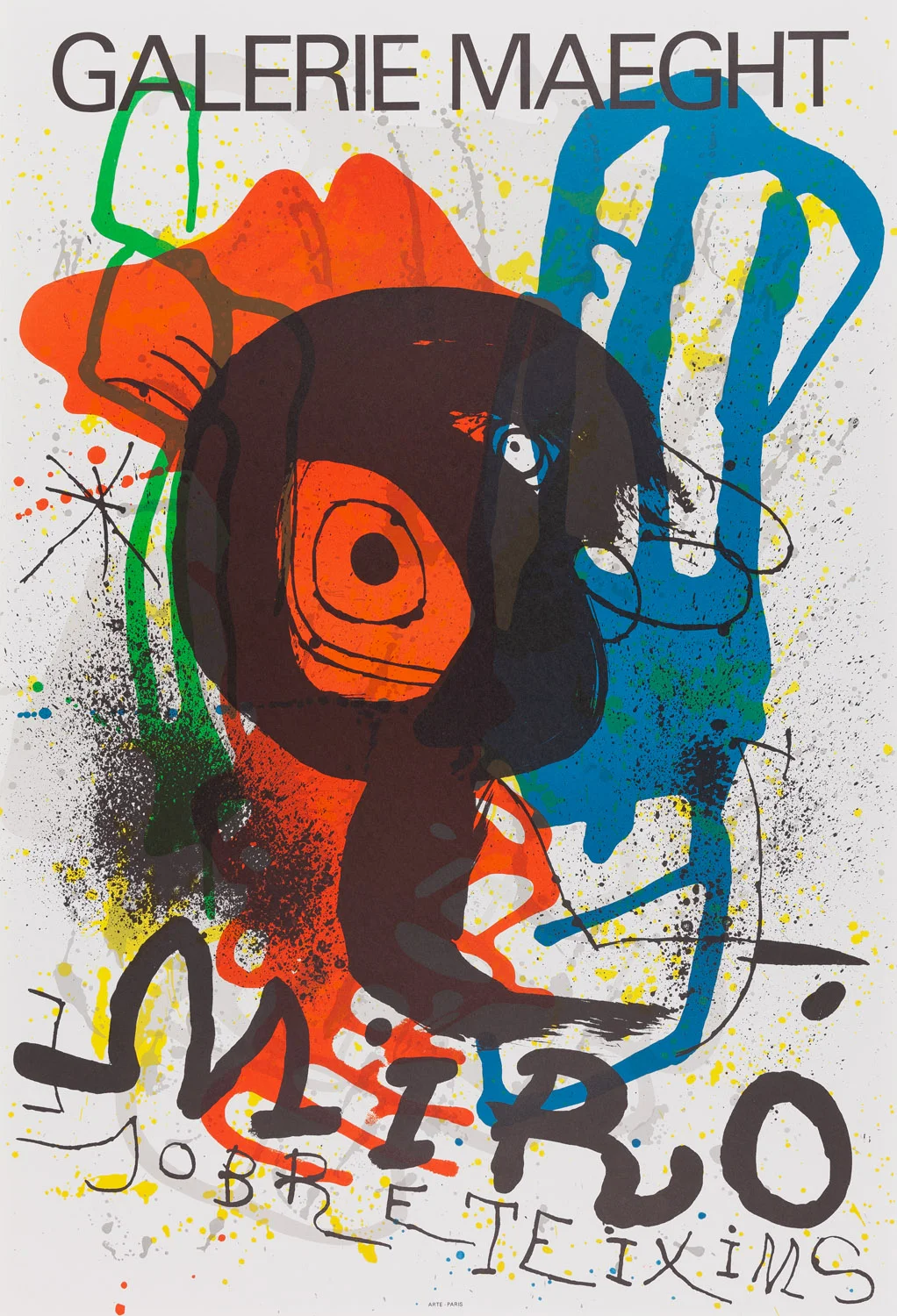
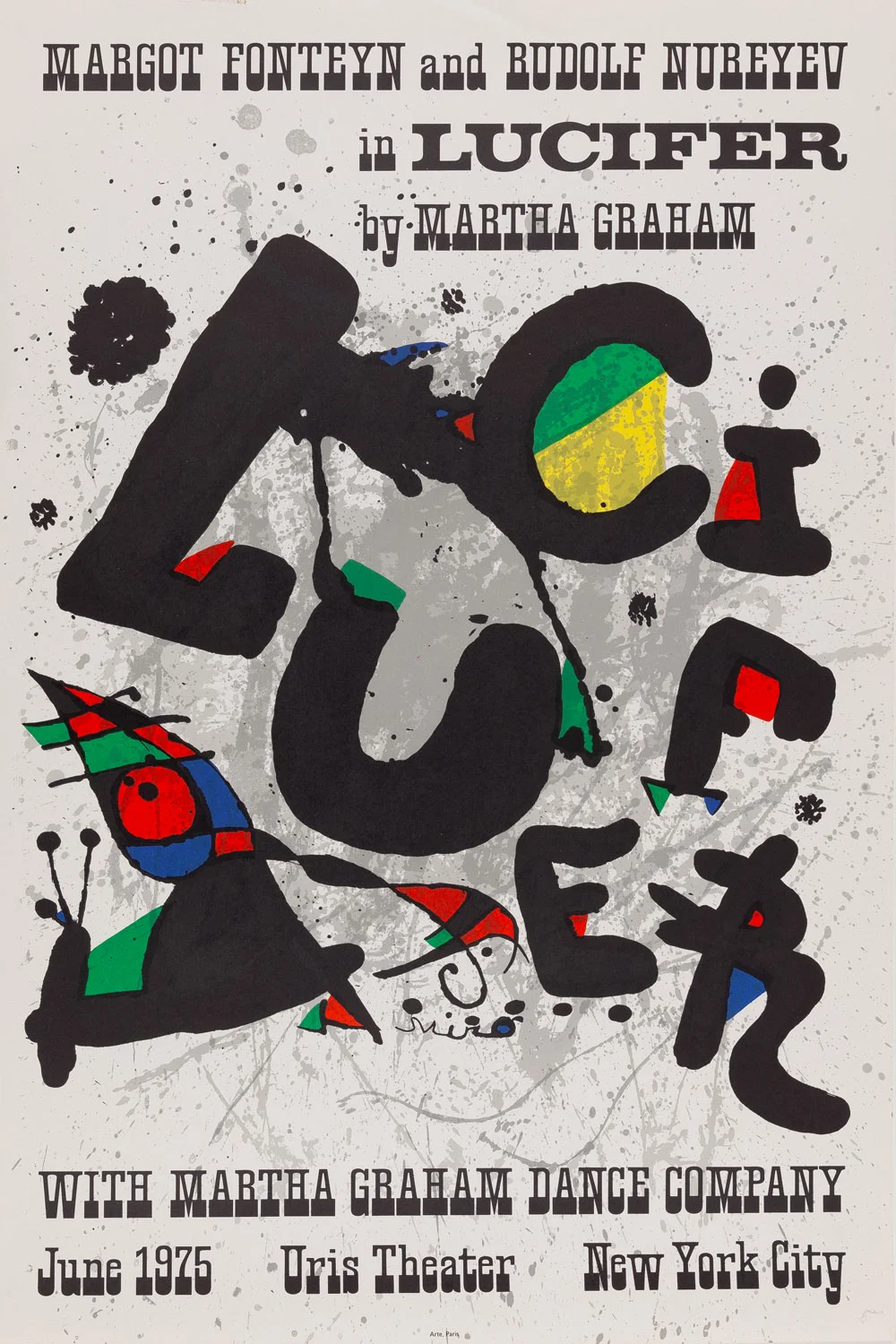
During this time, Miró became a very close friend of both families, so, whether they liked it or not, the ongoing struggle continued about where he would print his next work. "Joan Miró attached great importance to the posters for his exhibitions; he always composed them with creativity and imagination. Therefore, he wanted them to be printed in Maeght's workshops. Here he combined beautiful typography with his special artistic handwriting" – recalls Yoyo Maeght, Adrien's daughter. The extremely characteristic "artistic handwriting" can be seen in the atmospheric poster for the ballet "Lucifer" (New York, 1975) printed at ARTE. Here, we find one of the best examples of Miró's typical handwritten calligraphy attempting to be spontaneous and unrestrained – a pure act of creation, even trying to imitate a child's creative act.
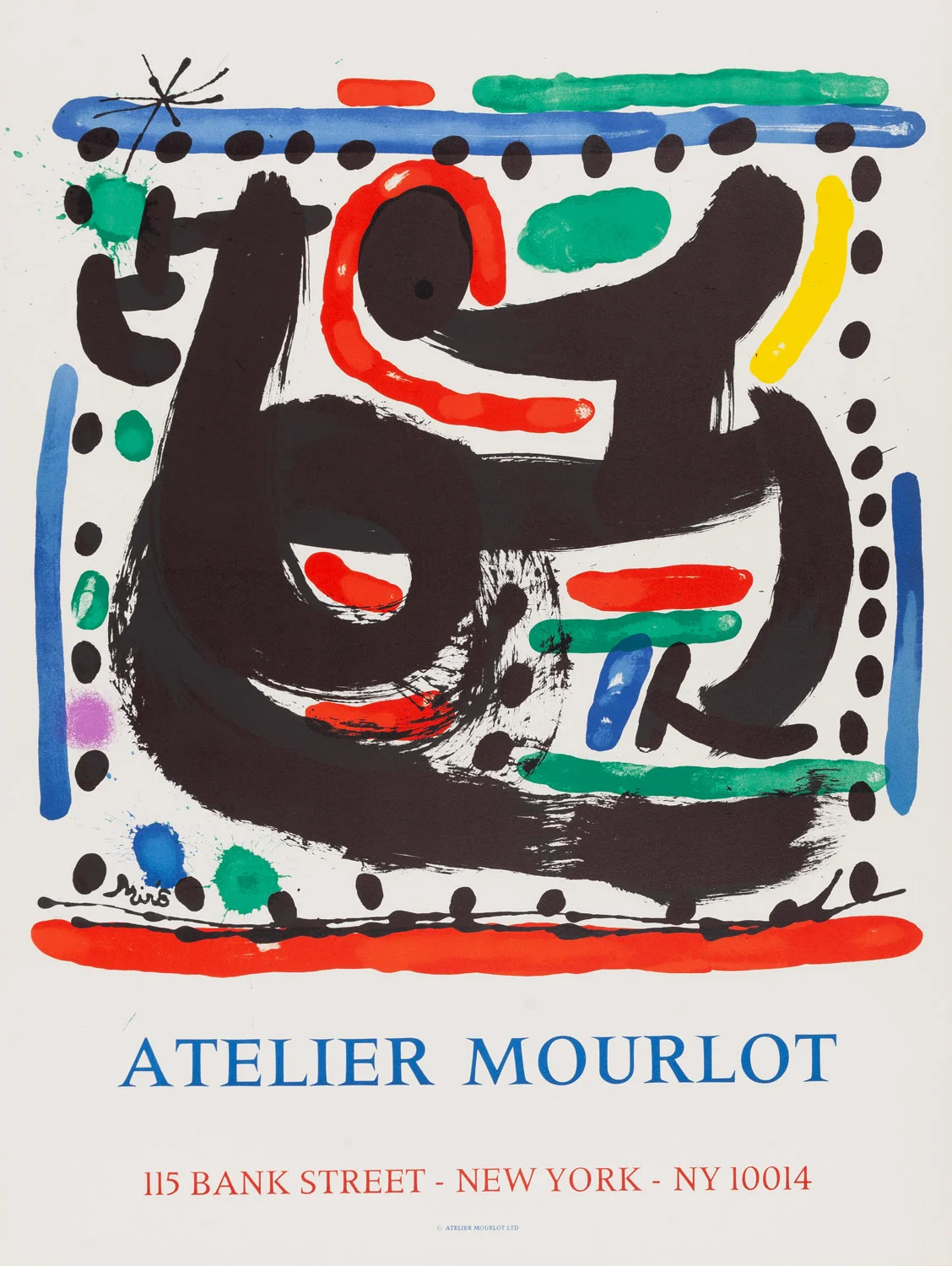
In 1964, Aimé Maeght and his wife Marguerite inaugurated the opening of their private museum, Fondation Maeght, in Saint-Paul de Vence on the French Riviera. Meanwhile, in 1967, Mourlot launched a branch of the studio in New York, initiating collaborations with artists such as Rauschenberg, Bacon, Lichtenstein, and Katz. This opening was accompanied by a collector's poster by Miró exclusively printed by Atelier Mourlot on Arches wove paper in a limited edition of 1000 copies.
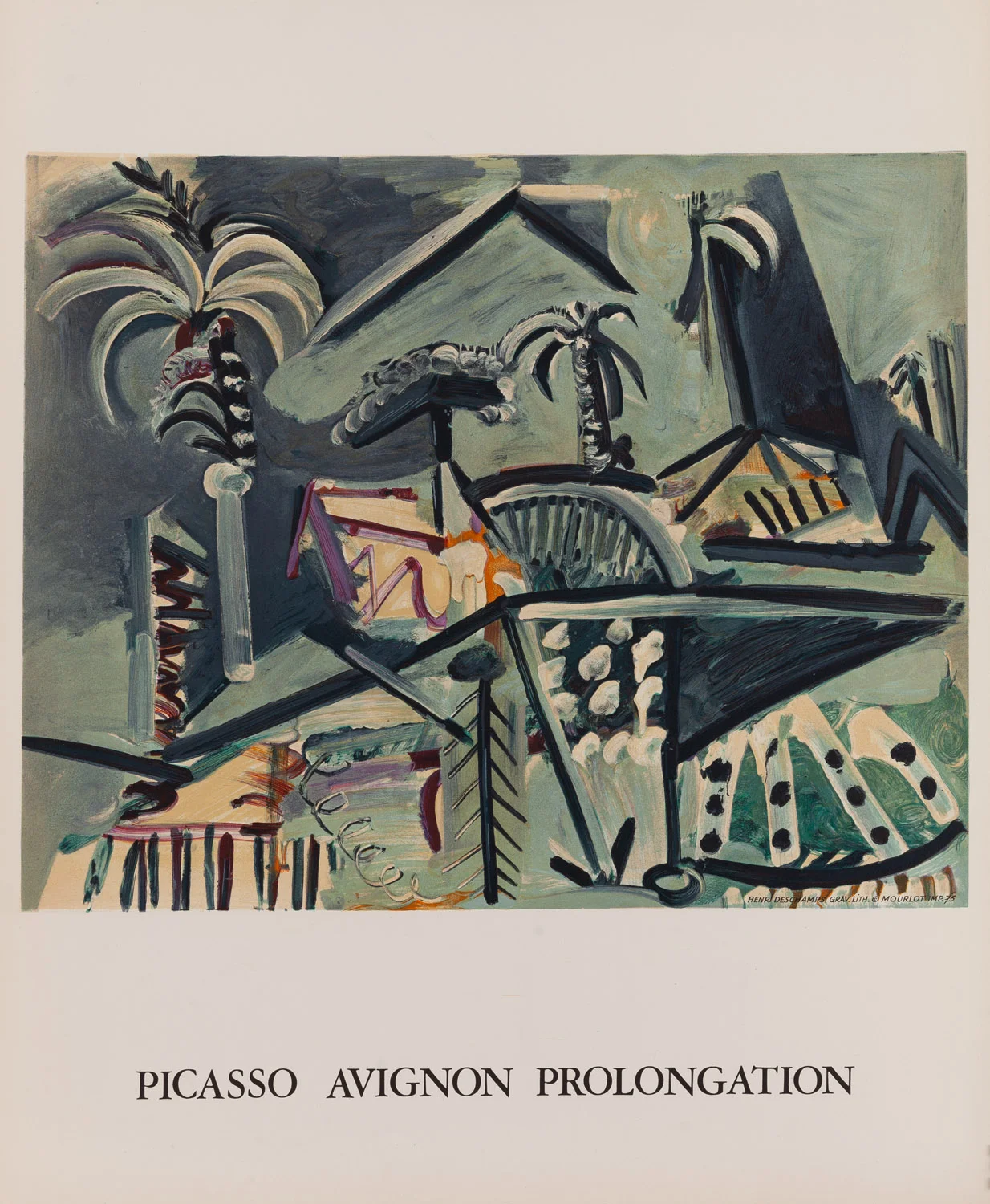
In the following years, Mourlot focused on printing high-quality lithographs and exhibition posters, and its top engravers, such as Charles Sorlier or Henri Deschamp, raised the bar in their profession to unprecedented heights. It is worth mentioning Picasso's poster for the exhibition at the Palais des Papes in Avignon in 1973 (lith. Henri Deschamp) - here in the version on Arches wove paper. This exhibition took place immediately after Picasso's death.
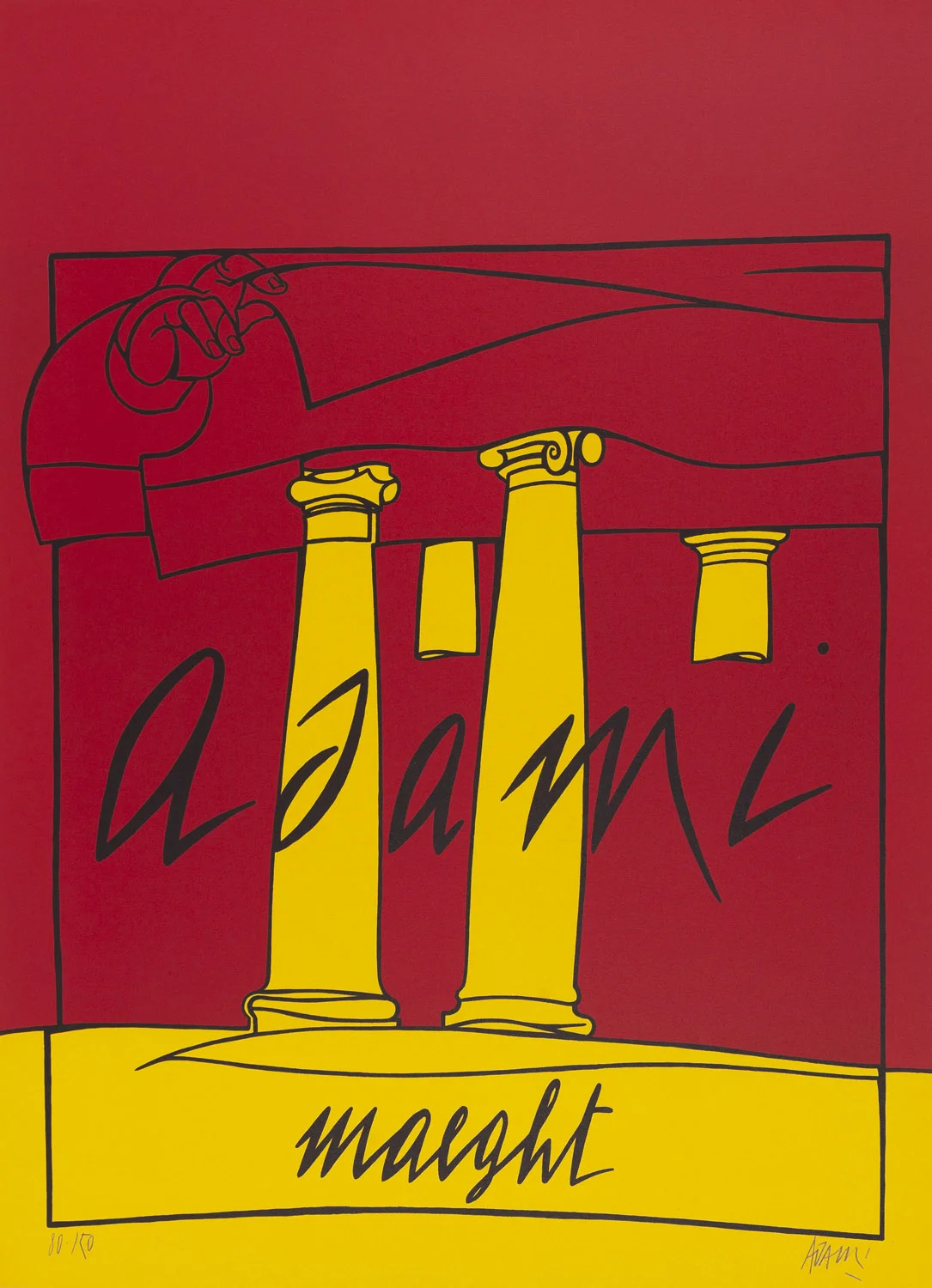
Meanwhile, Maeght Éditeur promoted new artists such as Valerio Adami – a leading figure in the Italian pop-art scene. At the auction, we can compare a lithographic poster by him in two versions: a limited edition of 100 avant la lettre copies signed by the artist and a final poster with finished typography.
The 1970s were not so rosy. "I must admit that in the 1970s, the gallery was in very bad shape, and the art market was in crisis. And thanks to the printing press, we survived (…) one day, my father said to me, 'Take me to Miró quickly, from now on, I'll sell lithographs, not paintings,'" Adrien recalled in one of the interviews.
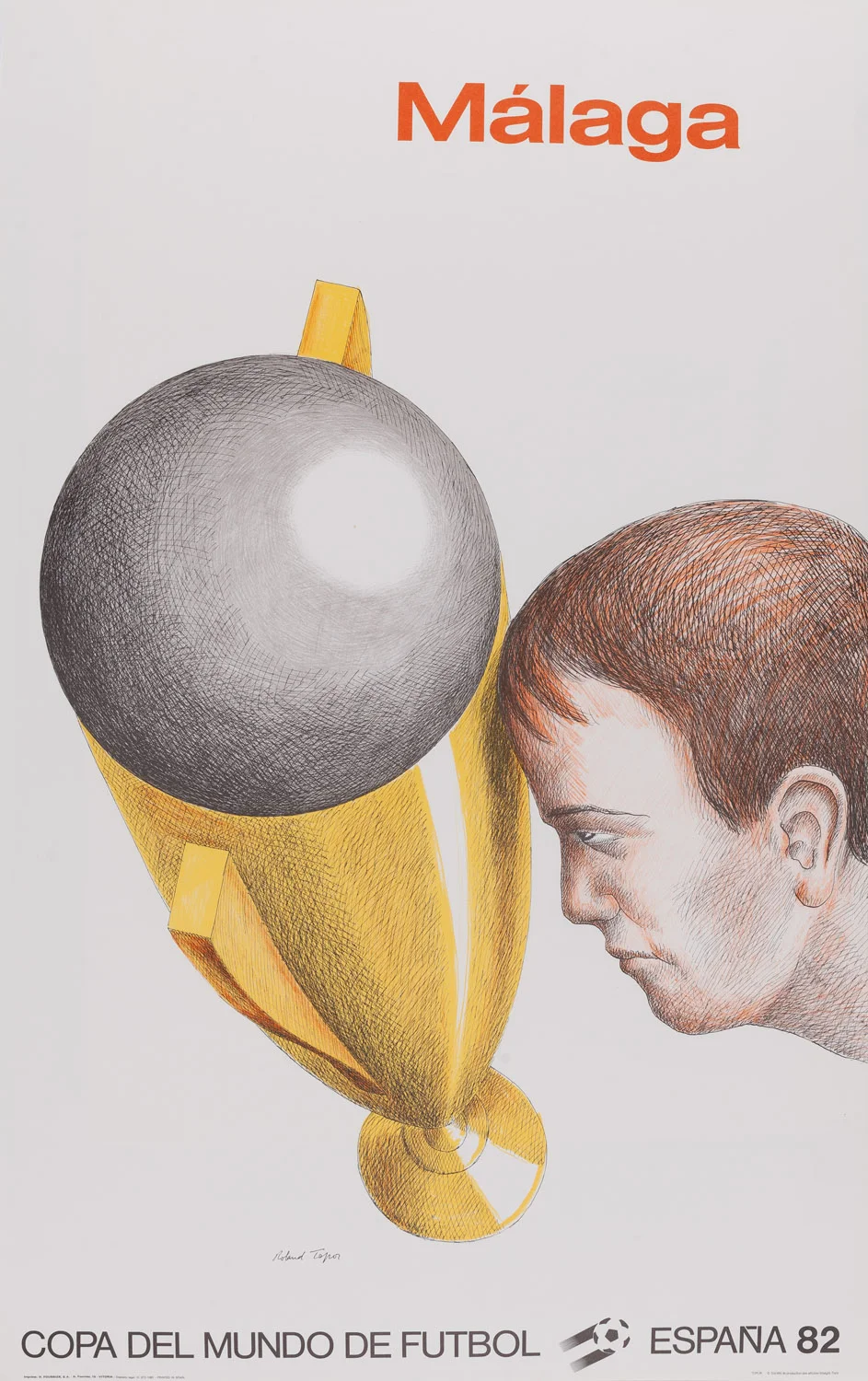
In the 1980s, the Maeght family's fiery genes made themselves felt again, and the organization experienced a deeper crisis, including personal. Despite this, in 1982, Maeght Éditeur coordinated the printing of posters for the FIFA World Cup in Spain. These posters were printed using various techniques in different Spanish printing presses. The series included posters by Miró, the aforementioned Adami (both lithographic and printed by Litografias Artisticas Damià Caus, Barcelona), and Roland Topor (lithograph, printed by H. Fournier S.A., Vitoria).
Currently, Isabelle Maeght, Adrien's daughter and Aimé's granddaughter, manages the Maeght gallery, while her brother Jules manages the printing press and publishing house. It is estimated that to date, Maeght Éditeur has issued about 12,000 different publications and titles, making it one of the largest lithography publishers in the world.
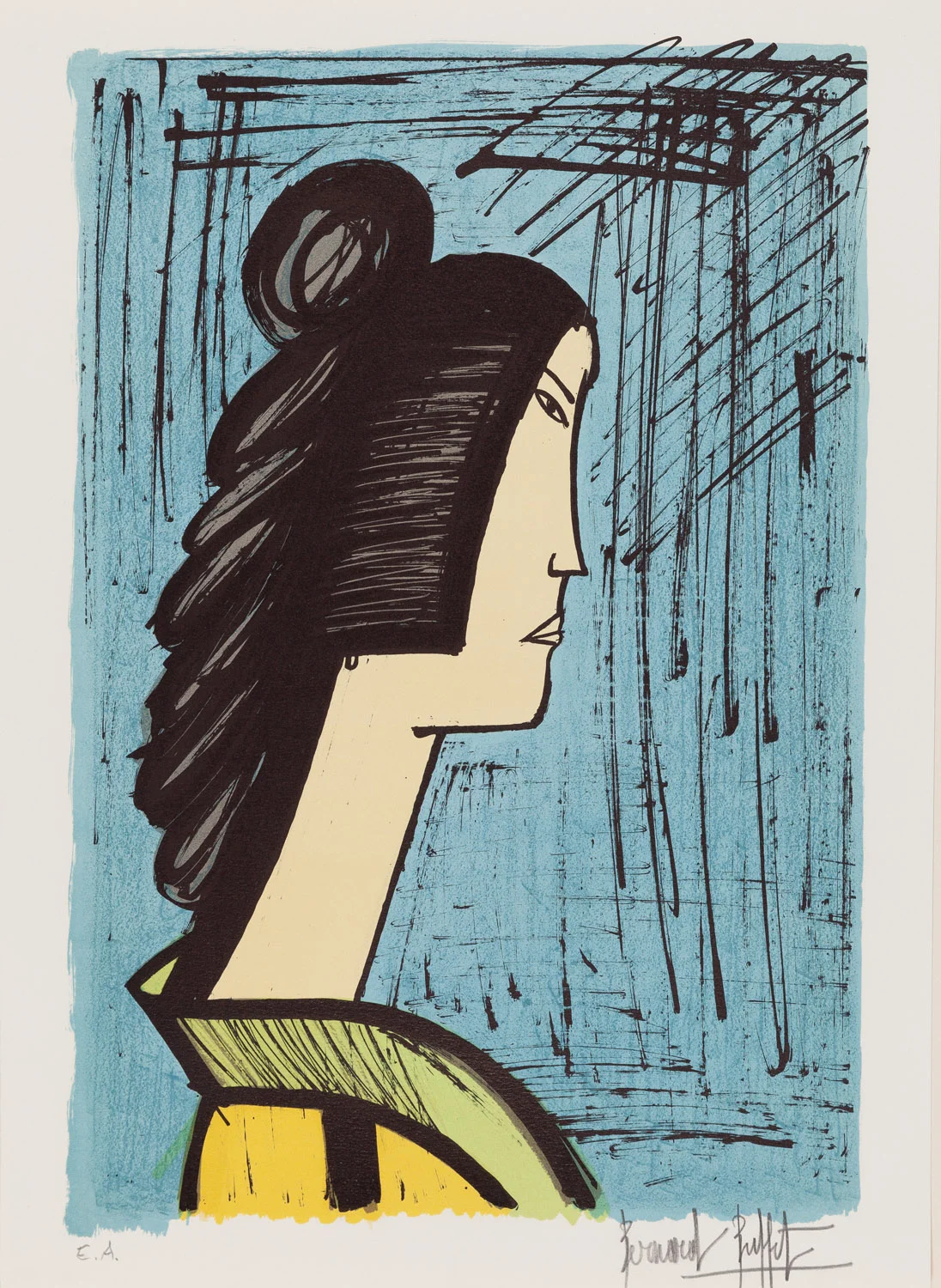
Atelier Mourlot, on the other hand, is managed by Fernand's grandson – Eric Mourlot – and it is his signature that appears on the certificate accompanying Bernard Buffet's lithograph "Le Voyage au Japon" ("Journey to Japan") from 1981. This rare print (200 copies) on Arches paper (with watermark) illustrates the text by writer Annabel Buffet, the artist's wife and muse, paying homage to the beauty and mysteries of Japan. The print is hand-signed and marked E.A. (épreuve d'artiste, or "artist's proof"). It is difficult to find a better provenance, isn't it?