
Against Conventions – About women artists at the turn of the 19th and 20th centuries
"Why were there no great women artists?" – with this provocative question, Linda Nochlin began her groundbreaking article in 1971, exposing structural inequalities that hindered women from realizing their artistic potential. The author challenged the myth of the "great artist" and the associated belief in innate talent, emphasizing the crucial role of the education system and institutional support, which women were deprived of for a long time. In the upcoming auction "Pioneer Women. Polish Women Artists of the Turn of the Century and the Interwar Period," we present works by artists who, through their determination, were the first to break societal conventions and enter the professional art space, often achieving international success.
In the 19th century, the artistic education system was organized into academies that dictated the curriculum, hierarchy of subjects, evaluation criteria for exhibition submissions, competition judgments, and the allocation of scholarships and awards. The education of a painter focused on learning figurative composition, accurate depictions of figures in motion, requiring the study of the nude. This was one of the main reasons why women were almost excluded from regular courses at academies until the end of the century. Sometimes, women resorted to trickery, attempting to enroll under false names, as Zofia Stryjeńska did successfully at the Munich Academy, posing as Tadeusz Grzymała Lubański. However, after a few months, her true identity was revealed, and the artist was forced to return to her family in Krakow. Women were left with learning in private art schools, such as the Warsaw School of Drawing led by Wojciech Gerson, or the Parisian Académie Julian and Académie Colarossi. Nevertheless, the absence of live model studies, with few exceptions, prevented female painters from creating and exhibiting the highly esteemed elaborate, narrative compositions.
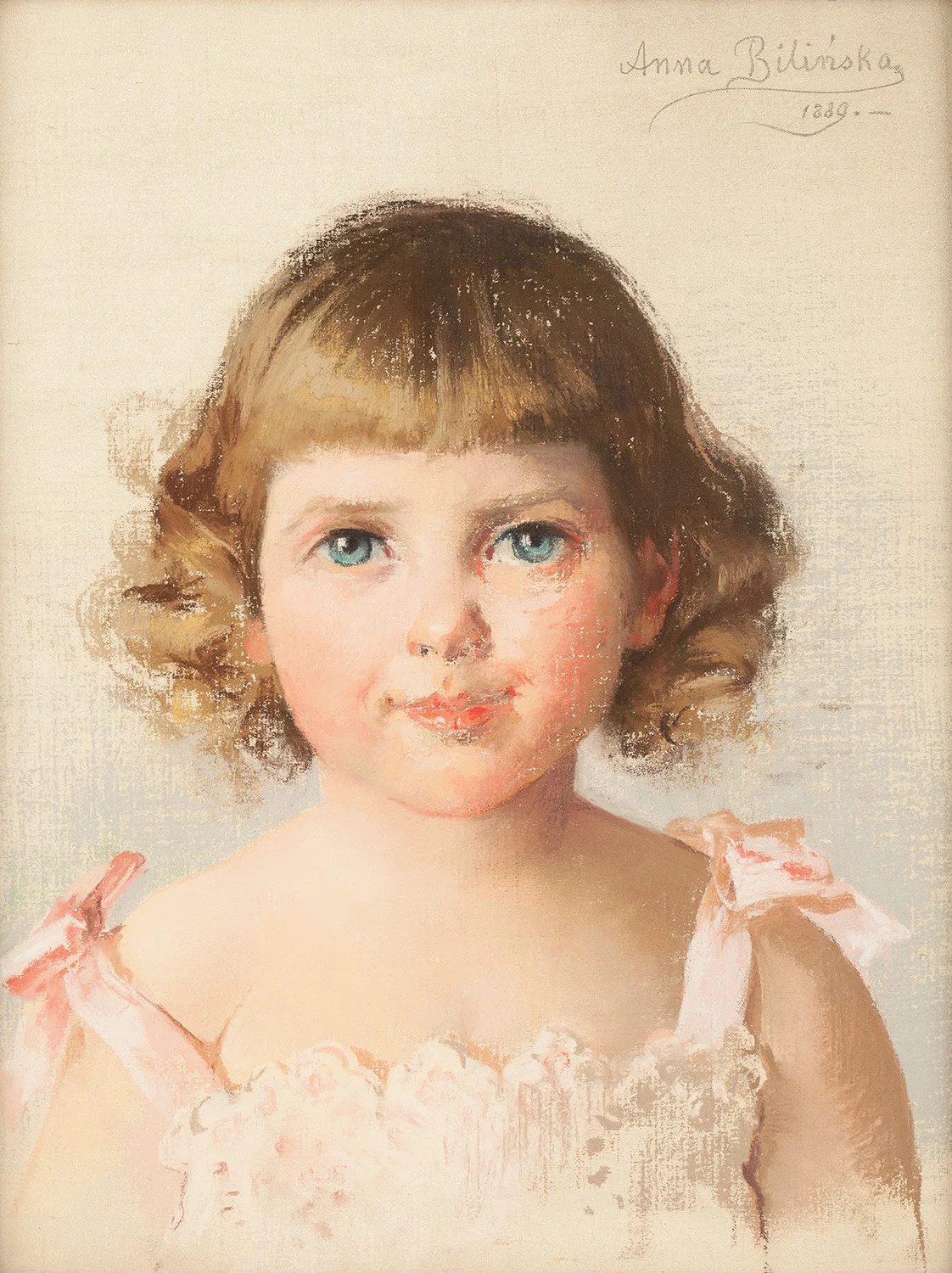
Among private schools, Académie Julian gained particular popularity among young girls. It stood out for its high level, renowned professors, and a more liberal character. Initially, courses were even coeducational, but due to the dissatisfaction of the students' parents, female and male ateliers were later separated, and the presence of a chaperone was allowed. Most importantly, women finally had the opportunity to study the nude, although models posed in gym shorts. The studies began with charcoal drawings, later progressing to oil techniques. At a more advanced stage, studies of models dressed in costumes characteristic of specific ethnic groups were created. The school often organized competitions, preparing young adepts for future challenges. Both female and male students participated, with works presented anonymously so that the author's identity and gender did not influence the final verdict, and women felt treated equally to their male counterparts. The most famous female student of Académie Julian among Poles was undoubtedly Anna Bilińska. After numerous medals and awards in school competitions, she was noticed at the Salon in 1885, and two years later, she won a silver medal for "Self-Portrait" at the Salon, repeating this success at the Universal Exhibition in 1889. The talent of this outstanding portraitist was being recognized – her self-portrait, as the only woman, was included in the collection of portraits of the most distinguished contemporary painters curated by Ignacy Korwin Milewski. Additionally, Bilińska aimed to facilitate the artistic education of girls in Warsaw and planned to open her own art school for women following the model of Académie Julian, but her premature death prevented this undertaking.
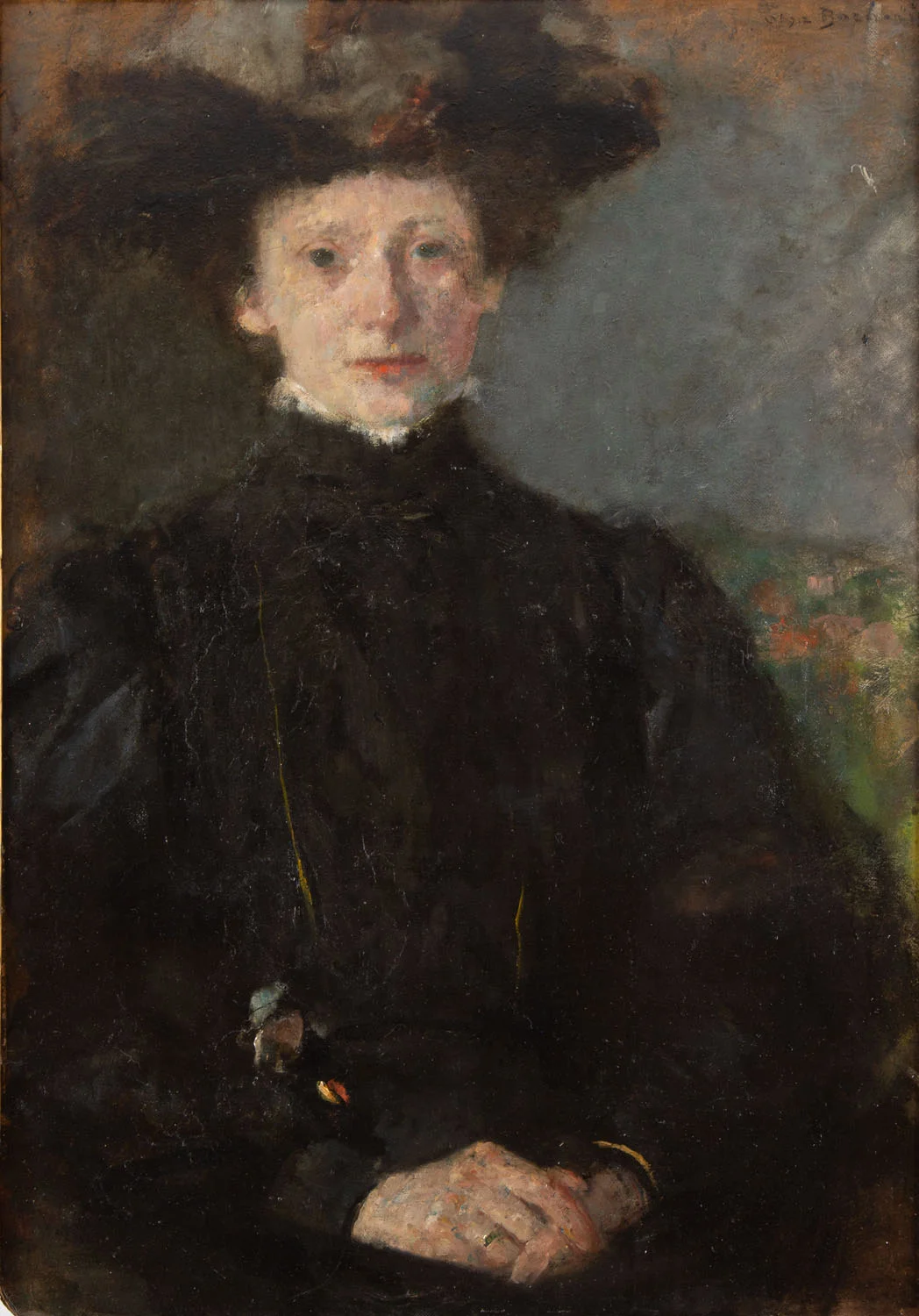
Another important pioneer was Olga Boznańska. Growing up with her sister, Iza, in a home that valued women's education, both had the opportunity to thoroughly educate themselves in their chosen fields: Olga in painting and Iza in piano playing. Although she spent most of her life in Paris, her artistic education was owed to Krakow teachers, including Hipolit Lipiński and Kazimierz Pochwalski, as well as the Higher Courses for Women founded by Adrian Baraniecki. Boznańska gained additional artistic refinement in private lessons in Munich, under Józef Brandt, Alfred Wierusz-Kowalski, and Wacław Szymanowski, and in a private school run by Karol Kricheldorf. From 1889, she independently led her own studio, where she mainly created portraits treated like still lifes and still lifes treated like portraits. In these non-anecdotal compositions, the artist focused primarily on the formal aspects of painting. In 1898, she moved to the then-capital of art, Paris, where her studio became an important place in Polish artistic life. The painter enjoyed exceptional prestige among Poles in France and Poland. She was a member and several times the president of the Society of Polish Artists "Sztuka," and in 1915, she was elected president of the Polish Historical-Literary Society in Paris. Julian Fałat suggested in 1896 that she take charge of the women's class in the reorganized Krakow School of Fine Arts. However, she declined the proposal, wanting to dedicate herself to her art.
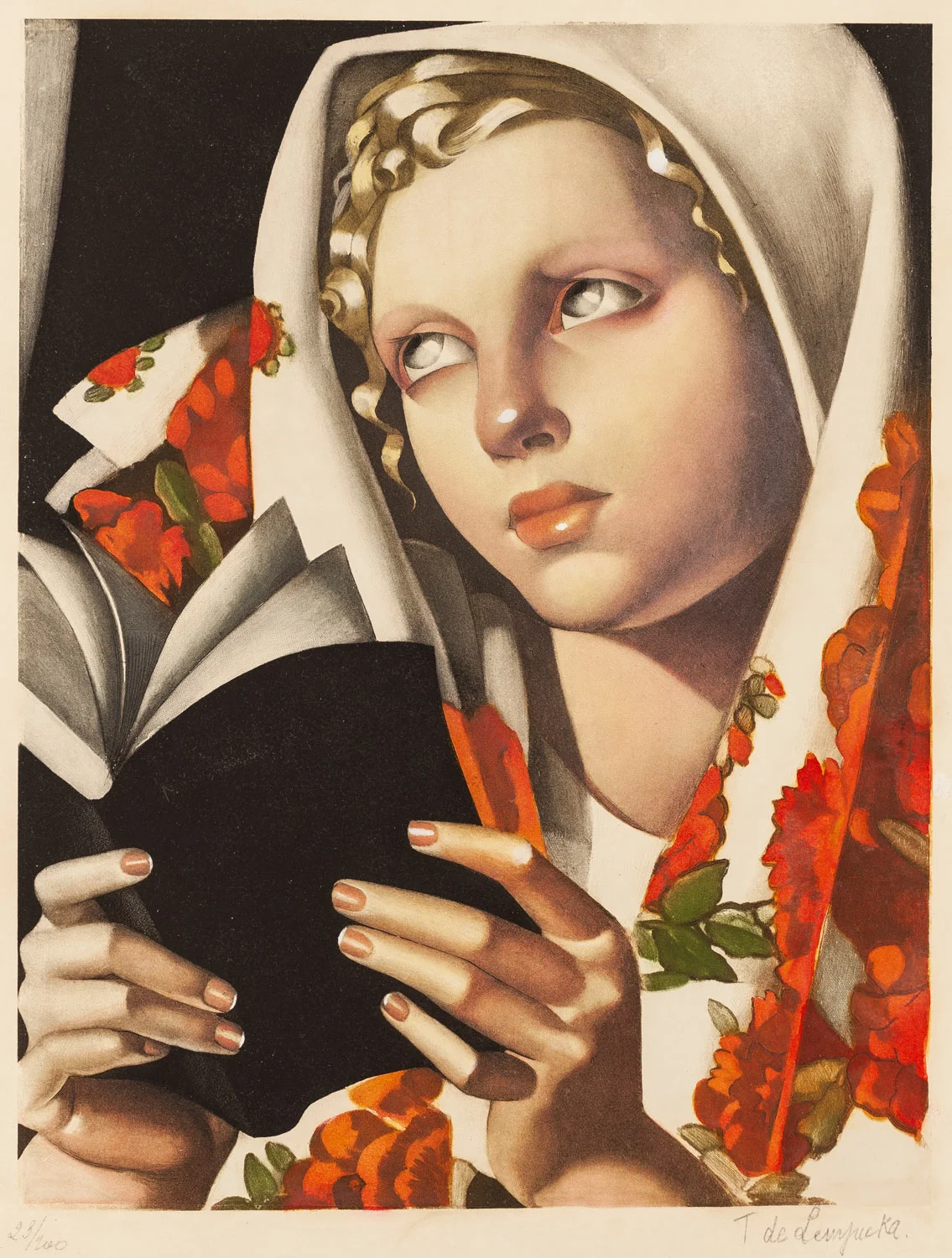
If not for the experiences and efforts of these first pioneers, the portrayal of Tamara Łempicka as a modern, emancipated woman leading a green Bugatti would certainly not be possible. Although this most famous representative of art déco surrounded herself with the myth of artistic genius and denied any influence of teachers, whom she reluctantly mentioned, it should be noted that Russia, where the artist grew up, was incredibly progressive in terms of artistic education for women compared to other European countries. Women were admitted to higher art institutions there as early as 1894, two years before Paris.
In addition to the mentioned artists, we present a series of other names worth exploring in the upcoming auction. Many women who professionally engaged in art were emotionally or family-related to well-known artists, including Michalina Krzyżanowska, Mara Rucki, and Nadia Léger. However, they did not always want to emphasize these connections, as seen in the case of Irena Weissowa, Wojciech Weiss's wife, who signed her works with an anagram of her name, "Aneri." Melania Mutermilch also sought to distance herself from her husband's name, a writer and literary critic, shortening its form to "Muter." Often, the artistic success of women surpassed the achievements of their husbands, leading to the breakdown of marriages, as was the case with Bronisława Rychter-Janowska and Zofia Stryjeńska.