
Abstraction and music in the art of Jerzy Stajuda
Barbara Hofman
Jerzy Stajuda was a painter, art critic, and music enthusiast. We are delighted to present a rich overview of his watercolors and drawings, which showcase the creative genius of this multifaceted artist.
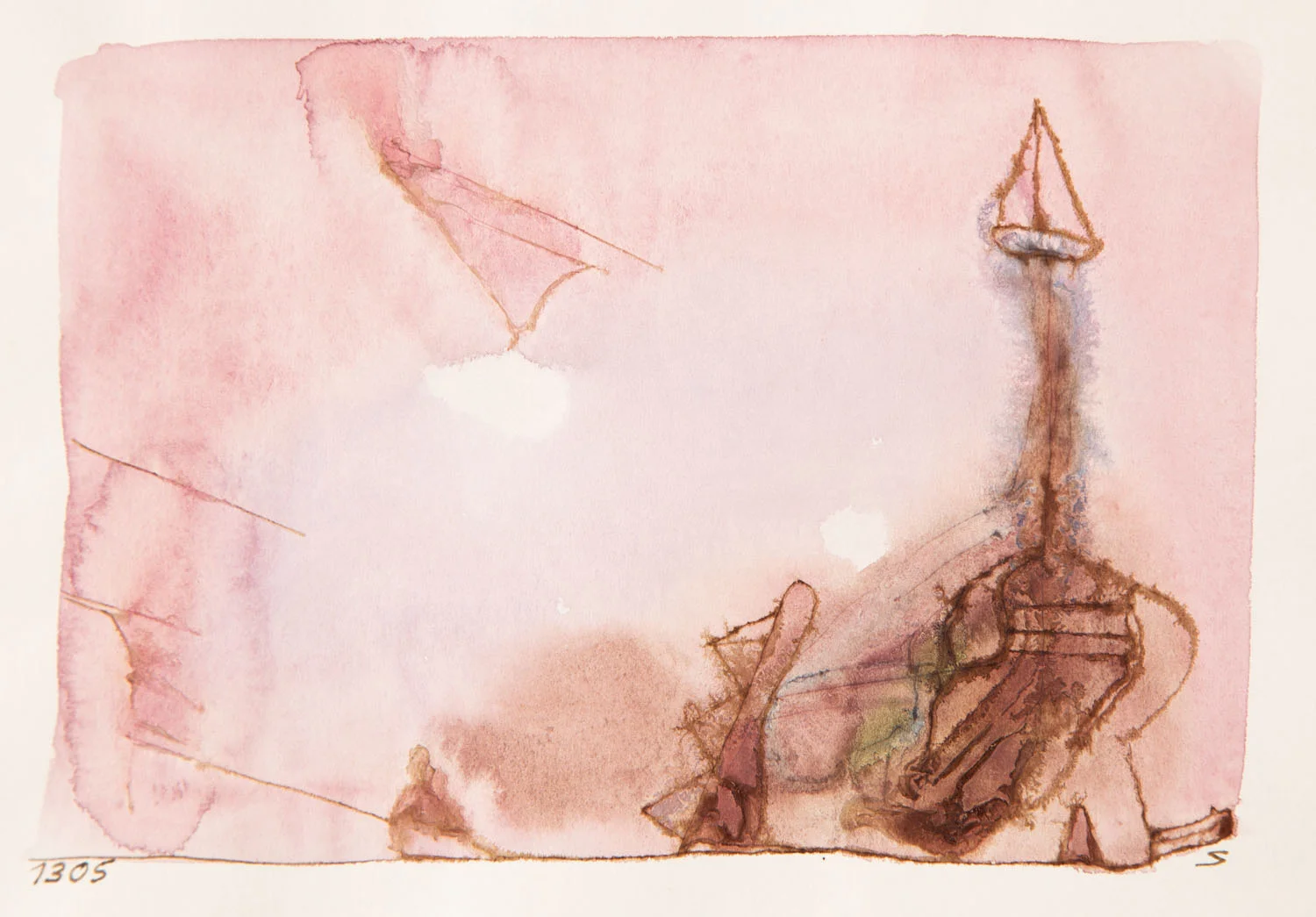
Stajuda's painting is abstract but full of undertones, subtle and poetic. His unique style, combining elements of geometry with an expressionist approach to color and form, is clearly visible in his watercolors and drawings. Each piece is typically kept in one color tone but paradoxically stands out with many nuances. The watercolors were created in an intuitive, improvisational manner, and some served as foundations for oil paintings. Stajuda valued his works on paper much more than those on canvas. As he said, “Paper (watercolor, gouache, drawing) is probably 90% of the area I covered with signs throughout my life. I think I'm ahead in awareness in my drawings" (Jerzy Stajuda [in:] Jerzy Stajuda Malarstwo, Kordegarda Gallery, Warsaw IX-X 1990, unnumbered [quoted in:] O obrazach i innych takich, ed. Jola Gola, Maryla Sitkowska, Academy of Fine Arts Museum, 2000, Warsaw, p. 27).
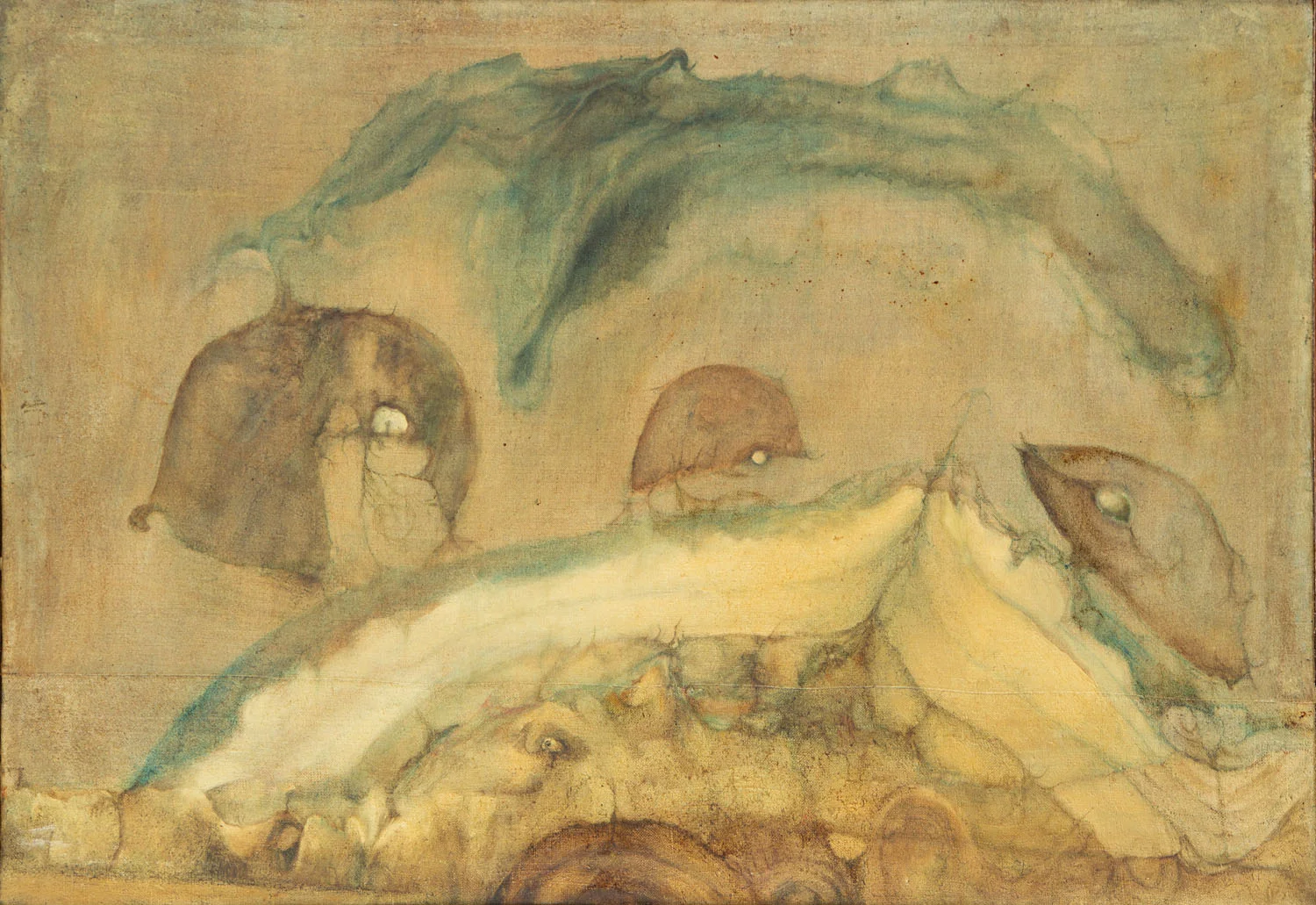
Moreover, Stajuda, as a great enthusiast of classical music and a devoted pianist, often depicted his admiration for lyrical sounds in abstract drawings. "Music is important to me. Perhaps more important than painting" – the artist wrote in the introduction to the catalogue of the home exhibition from 1988. He also said "It is true that all arts strive for the state of music, but it must be added that they will never achieve it. I dabbled in music a bit, so I know what I'm talking about." (Jerzy Stajuda [in:] Jerzy Stajuda Malarstwo, Kordegarda Gallery, Warsaw IX-X 1990, unnumbered [quoted in:] O obrazach i innych takich, ed. Jola Gola, Maryla Sitkowska, Academy of Fine Arts Museum, 2000, Warsaw, p. 27).
Jerzy Stajuda was born on January 29, 1929 in Warsaw, where he spent most of his life. He studied at the Academy of Fine Arts in Warsaw, where he received solid artistic training and established numerous contacts within the artistic community. He later worked there as a lecturer, and the Academy today holds 9,500 of his works. At the Warsaw institution, he taught many renowned artists, including Artur Żmijewski, Katarzyna Kozyra, and Paweł Althamer, for whom he was a living inspiration.
His work was strongly influenced by abstract masters such as Paul Klee and Wassily Kandinsky. Since the 1950s, Stajuda actively participated in Warsaw's artistic life, taking part in numerous solo and group exhibitions. His works were presented in prestigious galleries in Poland and abroad, earning acclaim from critics and audiences alike. Stajuda was also involved in the intellectual life of the artistic community as an art critic, publishing numerous articles and reviews in specialist press. His papers were characterized by deep analysis and understanding of both contemporary and historical phenomena in art. They were published in many magazines, including “Za i Przeciw" (his debut), “Przegląd Artystyczny," “Więź," “Nowa Kultura," “Przegląd Kulturalny," “Ty i Ja," and primarily “Współczesność." These defined the image of art in the 1950s and 1960s in the form of art criticism.
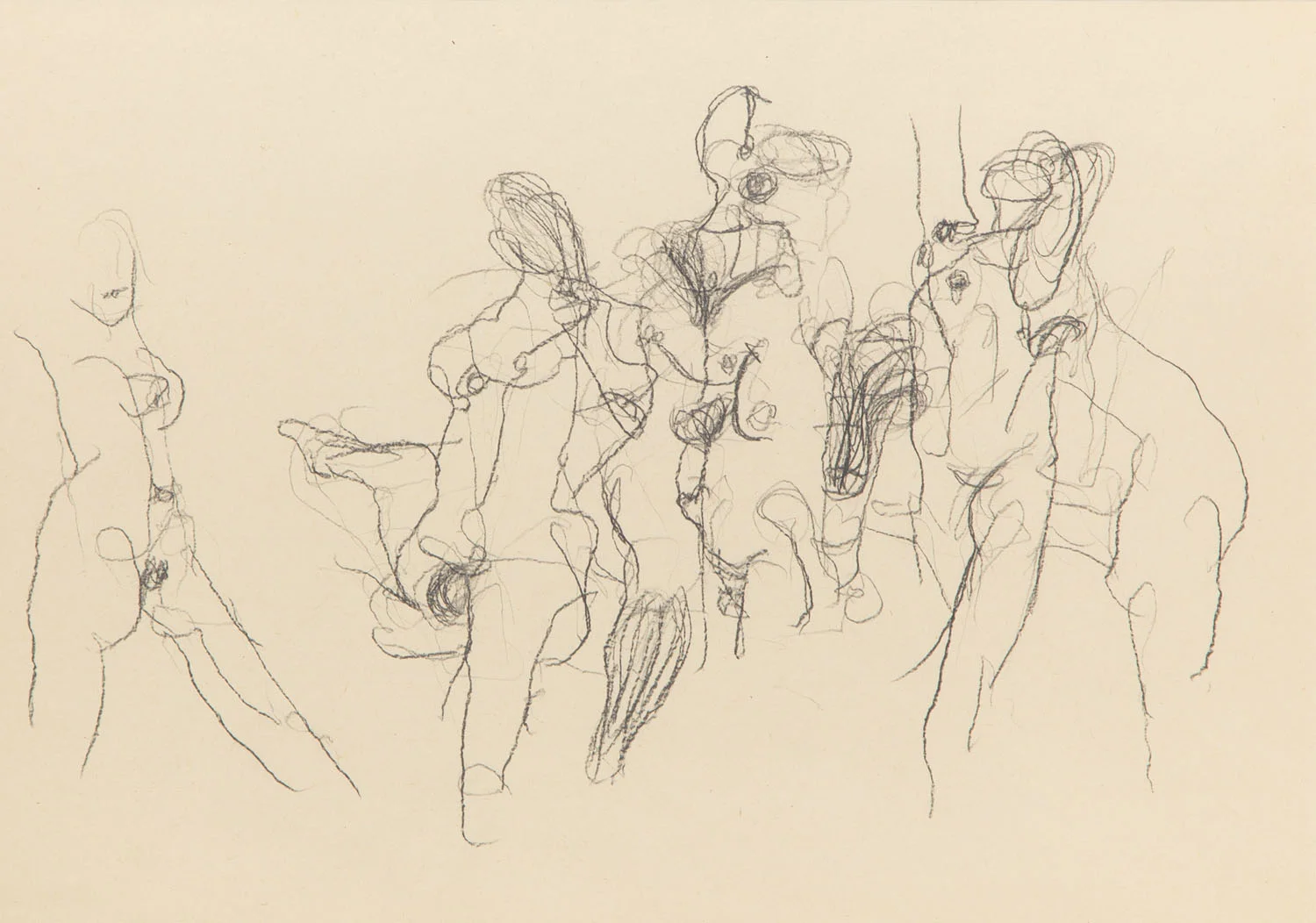
After 1968, he abandoned critical activity in favor of his own artistic creation. This was partly due to the wave of anti-Semitism in the media and partly due to Stajuda's desire to pursue his own creative work. For the artist, the most important media for capturing his ideas were drawing and watercolor, based on spontaneous, intuitive, often automatic recording. Stajuda developed his own formula of abstract art, very lyrical and visionary, focusing on the essentially pictorial qualities of the work.
Undeniably, the most important place for Stajuda was his studio on Wiejska Street in Warsaw. Lively discussions about art and often bold attempts at its creation in his apartment provided a colorful addition to the gloomy times of the communist People's Republic of Poland. Artists such as Tadeusz Łomnicki, Antoni Libera, Marek Nowakowski, and Witold Lutosławski frequently visited.
"He was a figure, one might say today, a cult figure, like his apartment in an old tenement house on Wiejska Street, where toute Varsovie came, which was not yet 'Warsawvillians.' In the middle of this modest, always with a cigarette, Jerzy himself, by education an architect, by talent a painter, by mind a scholar. A great music lover who taught himself to read music and play, he also invited musicians to his home. (…) (…) Such Renaissance men as Jerzy no longer exist"
(Dorota Szwarcman [in:] Blog muzyczny Doroty Szwarcman, Co w duszy gra, source: https://szwarcman.blog.polityka.pl/2012/03/21/2078/, accessed: 18.06.2024).
Towards the end of his life, despite health problems, Stajuda continued his creative and critical activities. He died on June 17, 1992, in Warsaw, leaving behind a rich artistic and intellectual legacy that continues to inspire and fascinate art lovers. His works are in the collections of museums and private collections in France, Belgium, the United States, the United Kingdom, and Japan. His contribution to the development of broadly understood art in Poland is invaluable.