
What to consider when choosing a watch
Luxury watches are among the most coveted items for many people around the world. They not only tell the time but also serve as a unique element of one's image. When purchasing such a watch, it is important to know what to consider in order to make the right choice.
Watch Materials
Today's production includes watches made of stainless steel, gold in various colors, titanium, carbon fiber, synthetic sapphire, wood, ceramic composites, or proprietary materials such as "Breitlight" by Breitling or "Bioceramic" by Swatch. When choosing the material of the envelope, it is worth paying attention to the durability of the material and how it will act over time. The most durable materials are stainless steel and titanium, but gold, despite its relative softness, holds up very well over time. The material does not always affect the price of the watch, as we can see on the examples of models such as the steel Patek Philippe Nautilus or Audemars Royal Oak, which are priced higher than their gold counterparts.
Movement
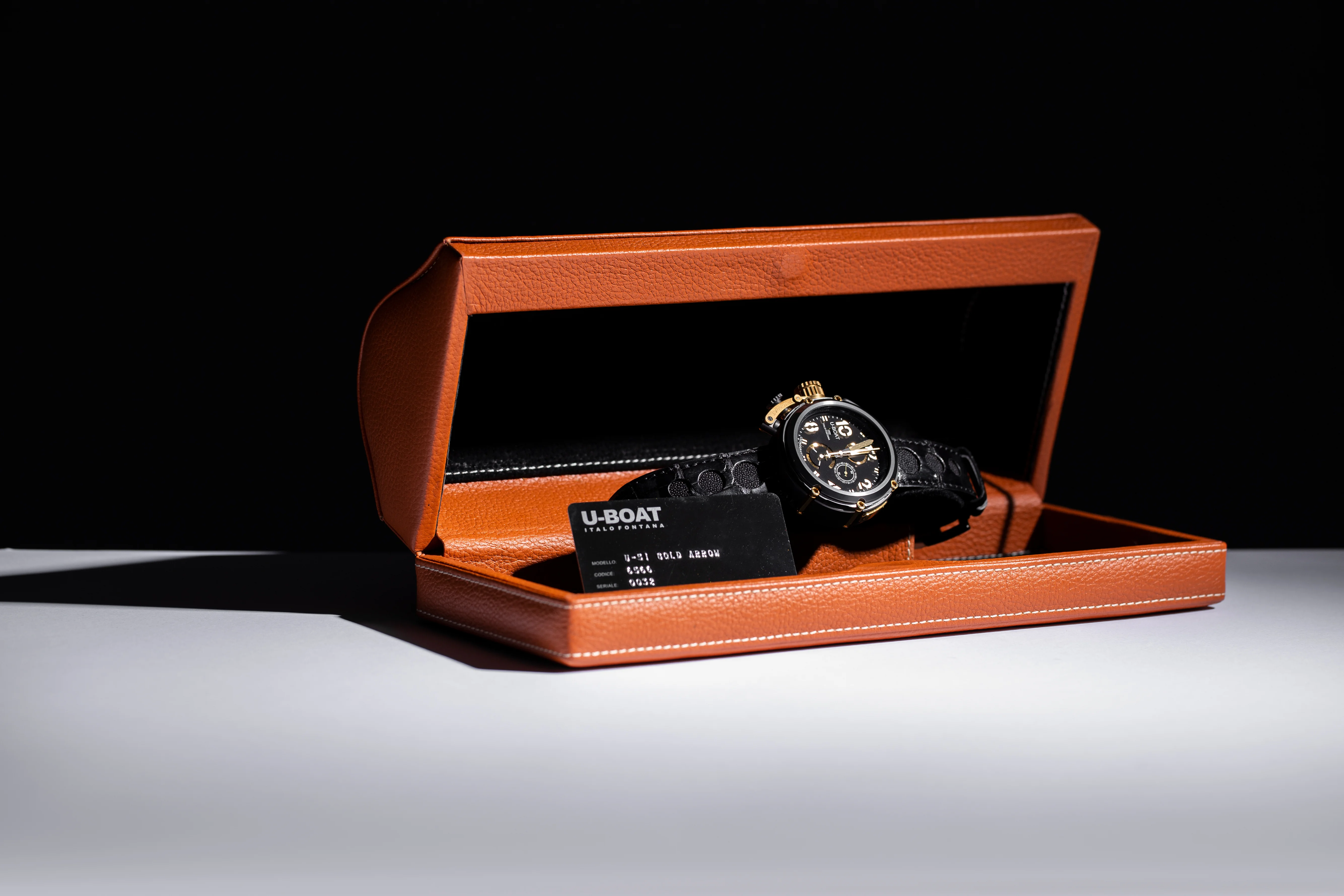
The most expensive watches house mechanical movements, which can be divided into two basic types: manual winding and automatic winding. The difference is that automatic winding is more comfortable for every-day watches. Both solutions have their pros and cons, and their combination with various functions and complications of the movement can affect the improvement or deterioration of the working value of a given model. Most modern watches have perfectly fitted mechanisms, and the choice should not have such a significant impact during use or eventual resale, as it is rather a matter of taste and preference. For more expensive items, the amount of handmade work is most important. Most movements are produced by numerically controlled machines, but finishing and decoration can be done manually, which affects the value and adds a human character to the object.
Handcraftmanship
The most expensive and sought-after watches had handmade, old movements, the craft of which had been passed down for generations. An example is the Patek Philippe Henry Graves Supercomplication from 1935, which was produced for about 7 years by a team of 10 specialists without the assistance of computers (which seems abstract given today's level of technological advancement). Small workshops such as Kari Voutilainen or Roger Smith use new technologies, but the contribution of a human is so significant and appreciated by collectors that the watches reach staggering prices at auctions. Kari Voutilainen produces about 10 watches per year, which makes his watches exceptionally rare and sought-after. These pieces do not change owners too often because they are usually made to order and to the specifications of the buyer, making them very personal items. This also builds a relationship between the maker and the buyer because the process requires several meetings and discussion of details, as well as getting to know each other.
Origin and Documents
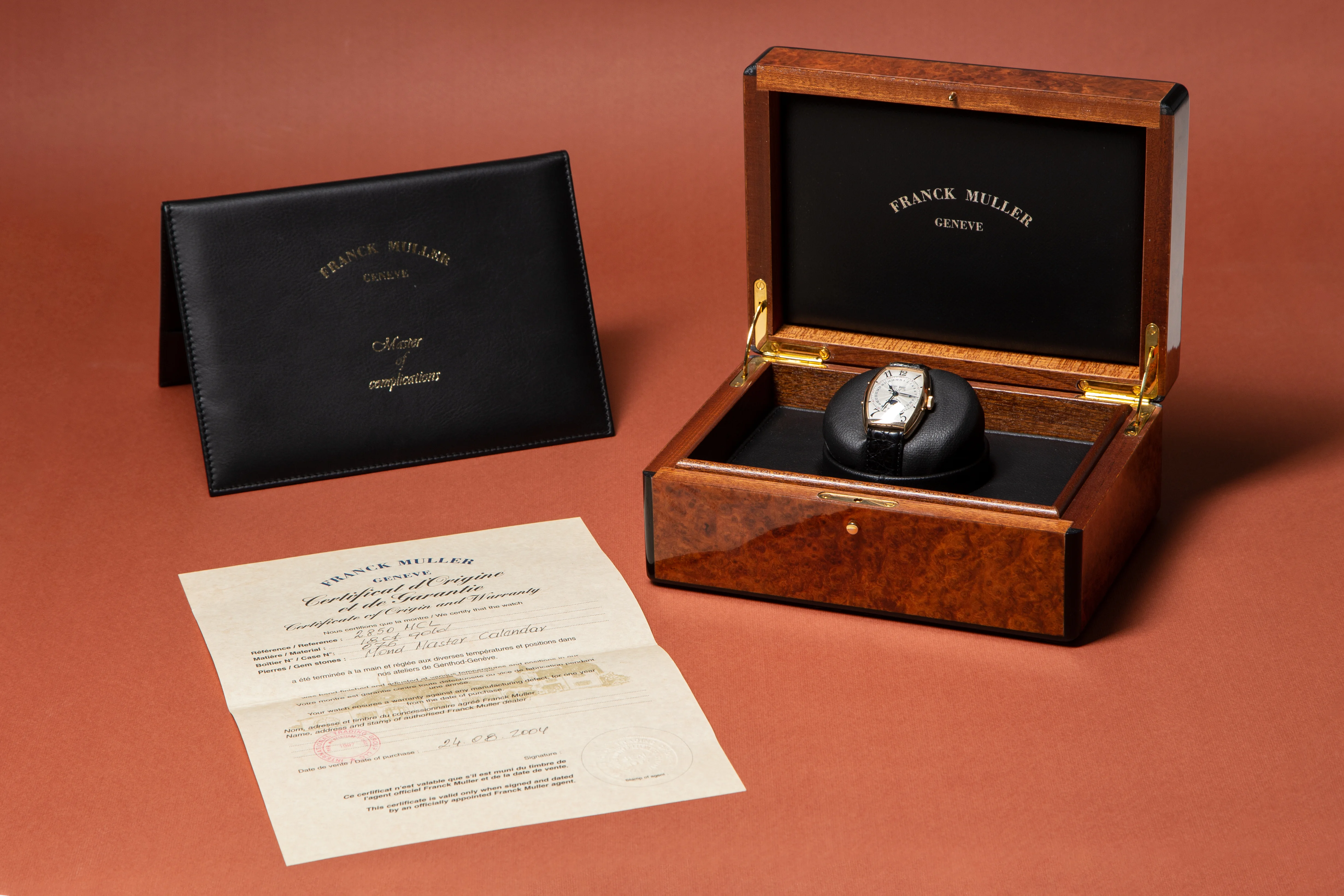
It is no secret that origin matters. Watches without documents and boxes usually lose value compared to a similar situation where we have a full set confirming the purchase. As with many other items, watches that have been owned by famous people can increase in value if the ownership is documented and we can prove that the watch indeed belonged to that person.