
Utility glassware in everyday life during the communist era in Poland
Mariusz Pendraszewski
Polish glassware from the communist era, with its rich forms, colorful designs, and diverse technological solutions, is now sought after by collectors, displayed in museums and art galleries, and considered a designer accessory and elegant interior decoration. During the communist era, the best designs by famous designers such as Zbigniew Horbowy or Czesław Zuber were very equally valuable. Although many of them were created as utility objects, they were rarely used on a daily basis. However, they were not easily accessible.
Although the aesthetics of the 60s and 70s are primarily associated with glassware designed in biomorphic shapes, with intense colors, and almost sculptural, modern forms, the taste of the majority remained quite conservative. The glass factories and glassworks of that time still produced interwar designs in the Art Deco style (one of the best-known was the "Hortensja" Glassworks in Piotrków Trybunalski, which operated from the end of 1889) and earlier, historicizing designs.
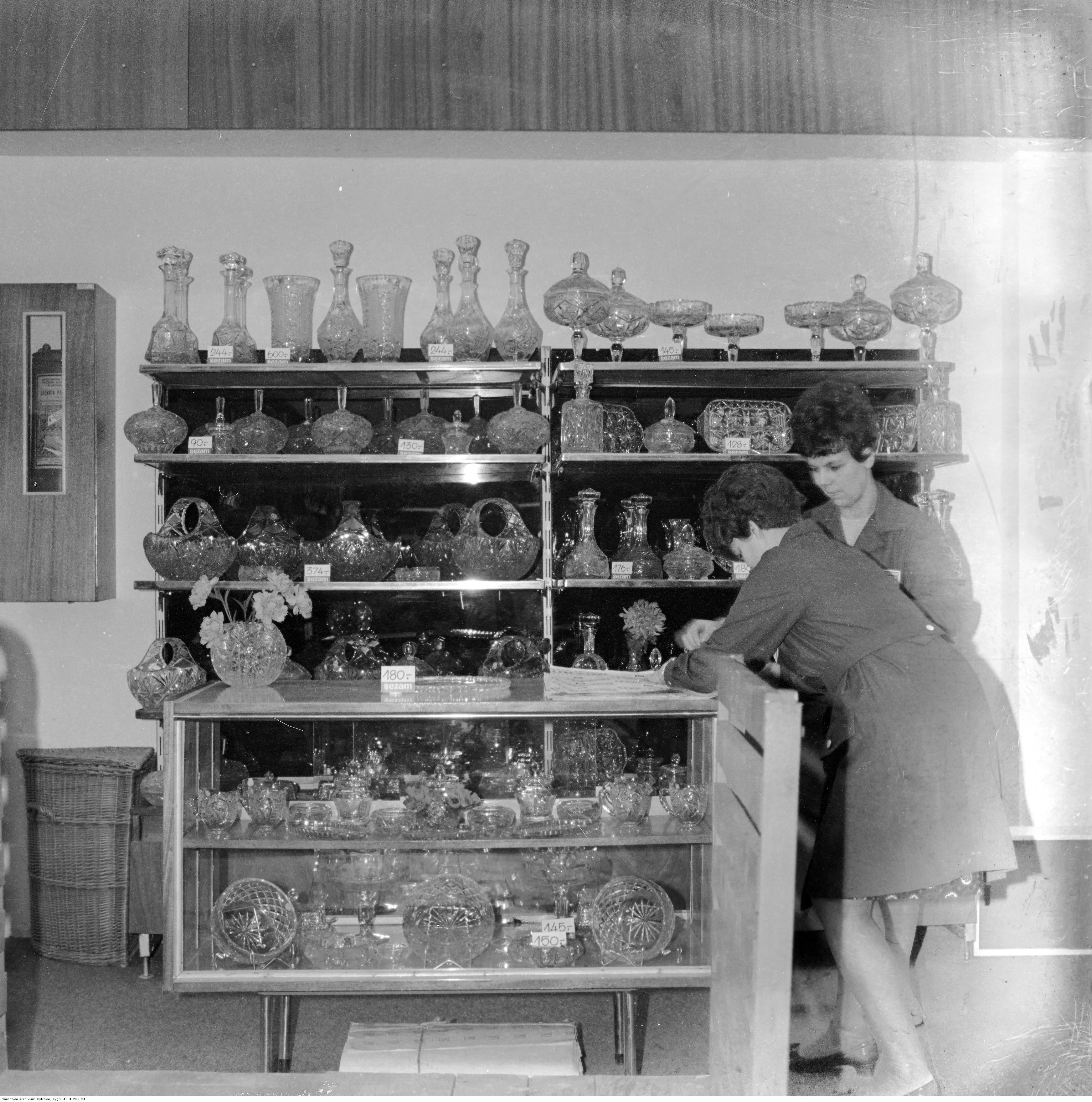
Crystal glass was still very popular in Poland. Shimmering in the light, richly decorated with cuts arranged in geometric shapes, rosettes, or plant ornaments, the decanters, plates, and vases gave an illusory sense of luxury and prosperity. It was certainly sometimes necessary to cope with the sad reality. It was considered in good taste in those times to have a collection of crystals displayed on the shelves of a cupboard or a wall unit in a living room or salon. Crystal glassware was also a popular choice for wedding or important anniversary gifts.
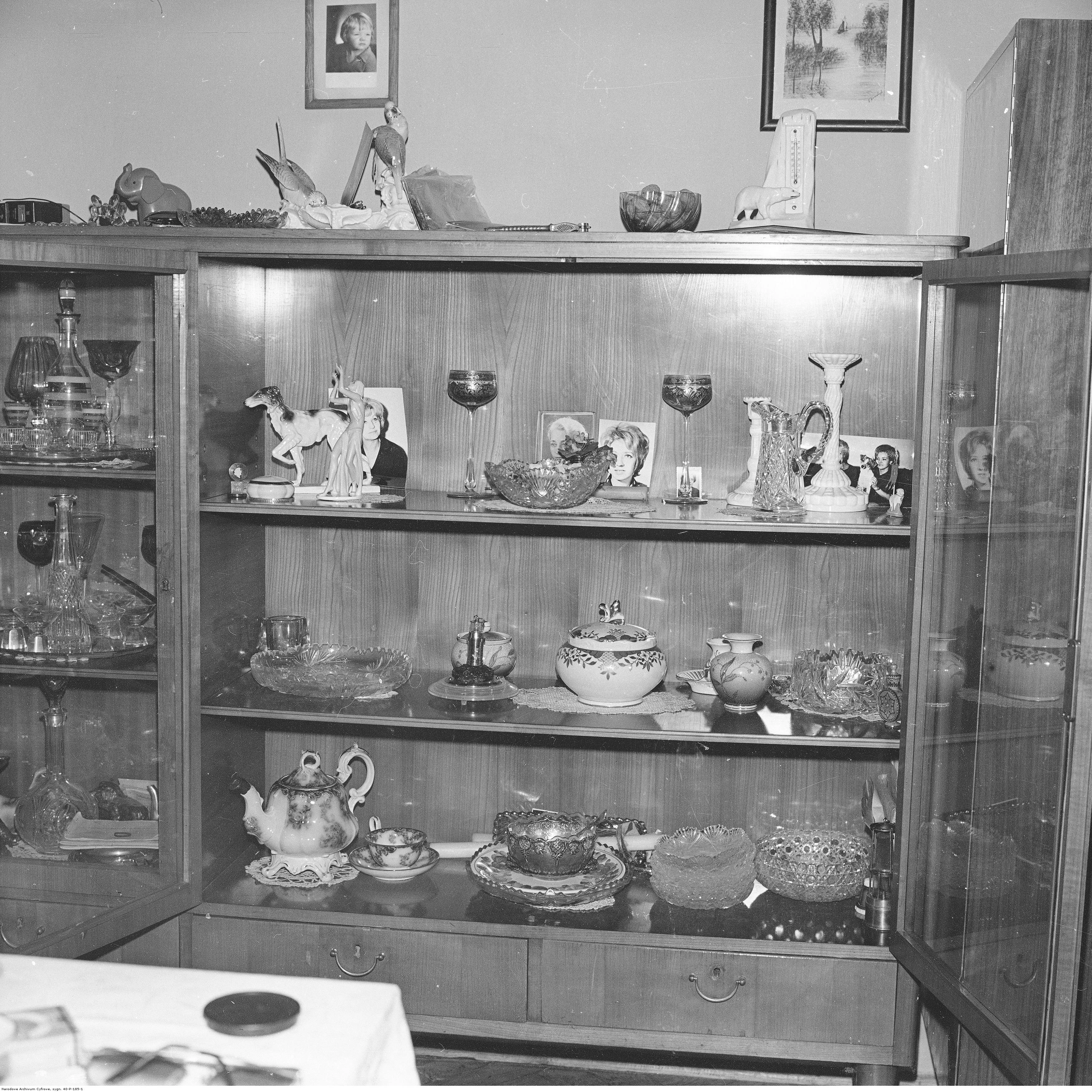
Crystal dishes were eagerly eaten and drunk from during celebrations. It appeared in the equipment of popular cafes, restaurants, hotels, and other establishments. Crystals were produced, among others, in the Crystal Glassworks "Violetta" in Stronie Śląskie, in the Krosno workshops, and also in the Crystal Glassworks "Sudety" in Szczytna Śląska. Another well-known glassworks producing crystals was the "Julia " Glassworks in Piechowice, continuing the traditions of the 19th-century "Josehine" Glassworks.
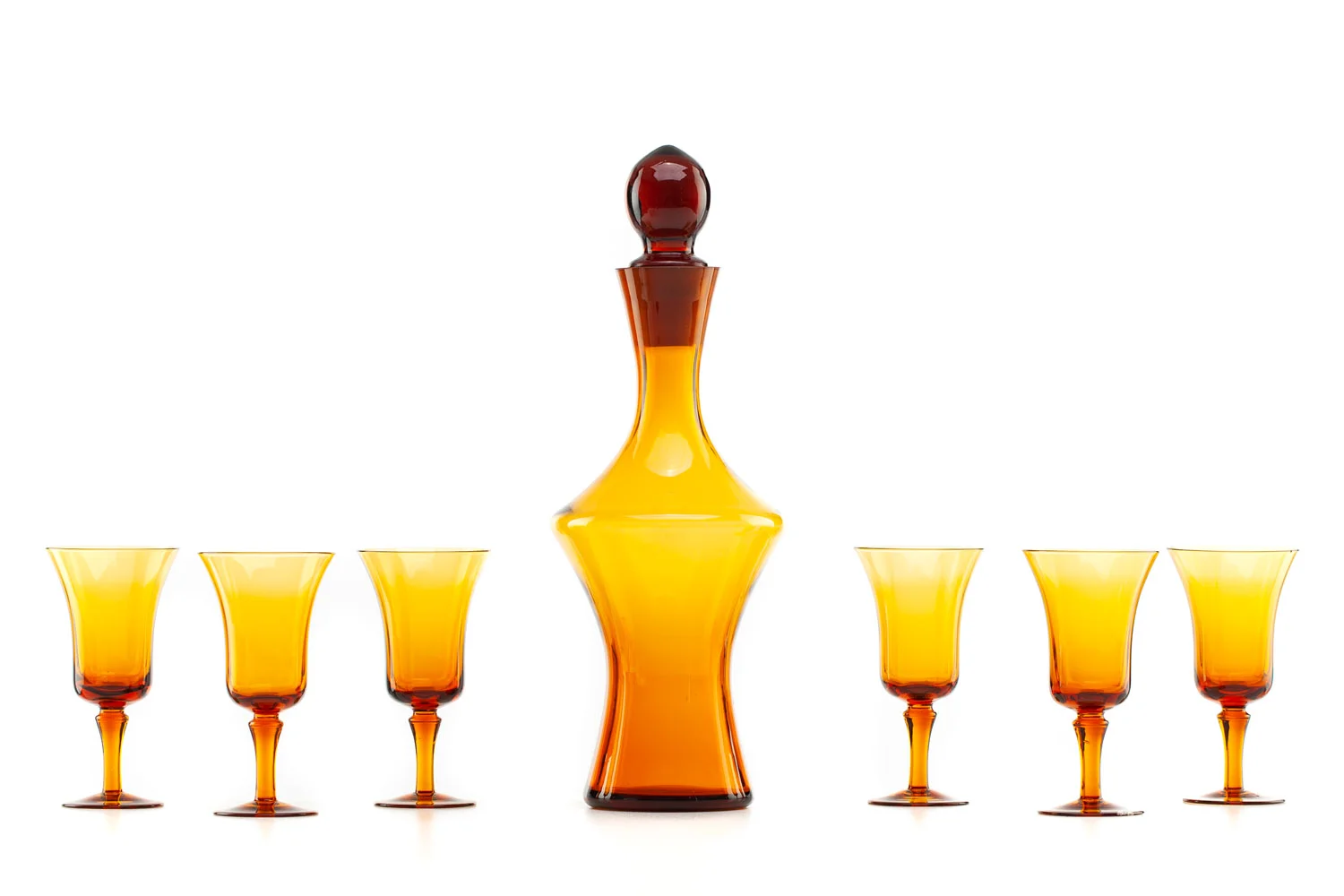
As quoted in pop culture, a statement from a character in the 1970 documentary film "The Consul and Others" said, "there were brandies in the offices". Indulging in various types of spirits was an essential custom in the Polish People's Republic. Of course, they had to be served in appropriate glassware. Almost every home had various sets of liqueurs and other high-proof drinks, consisting of a decanter with a cork and glasses. Popular were both sets of heavy, thick-walled glass with facets, crystals, as well as other more modern forms of soda glass dyed in intense colors. Outstanding designers also created such products, such as Zbigniew Horbowy, who designed a soda glass alcohol glass set.
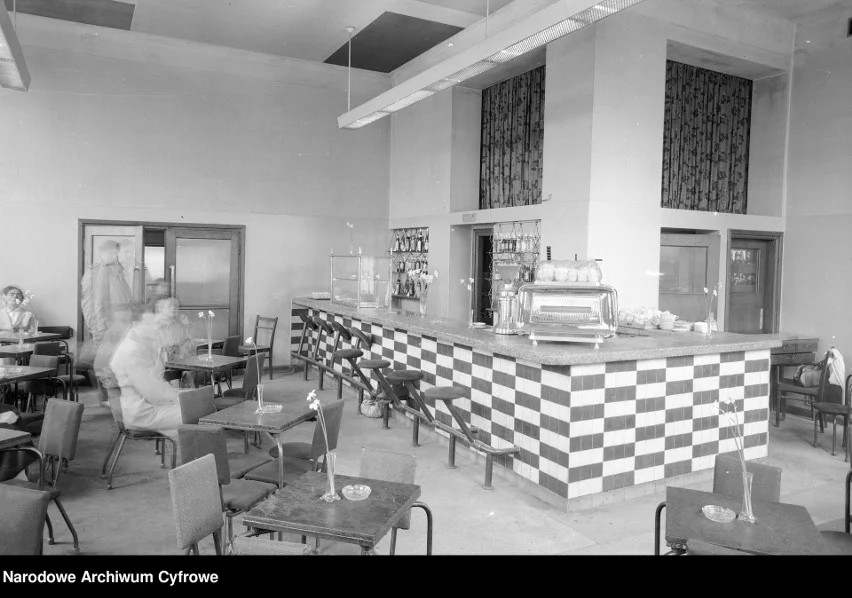
Smoking tobacco was not only an acceptable but also a fashionable habit during the communist era in Poland. Although the harmful effects of this addiction were already discovered in the late 1950s, it did not discourage a large group of cigarette supporters who were constantly visible in public spaces throughout the entire period of the communist Poland. Today it is unthinkable that cafes, restaurants, train compartments, offices, and even airplane interiors were enveloped in thick curtains of cigarette smoke. The additional element that appeared in various interiors were, therefore, ashtrays
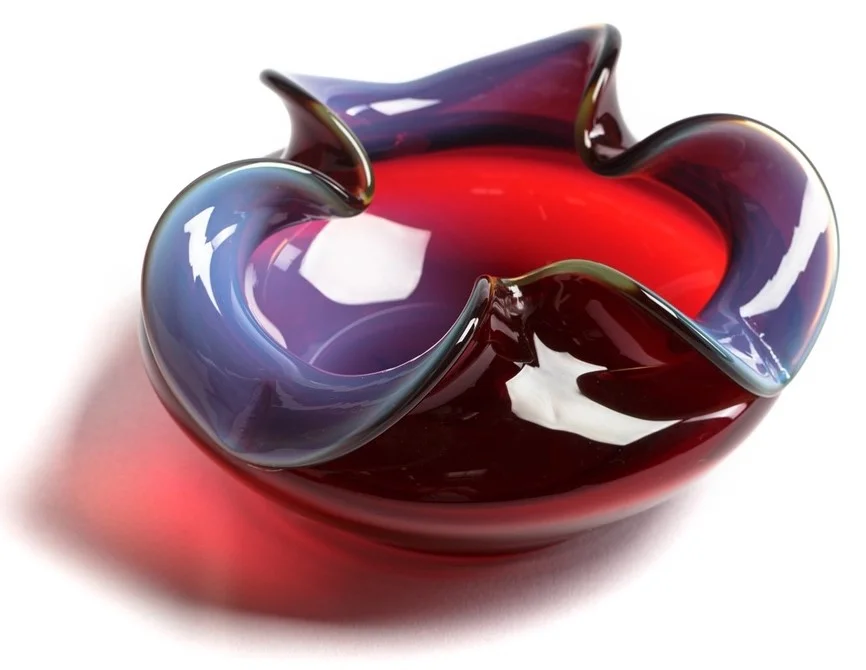
The iconic form of an ashtray, referred to as a "donkey" with edges turned outwards resembling flower petals, was designed for the "Barbara" Glassworks in Polanica Zdrój by Czesław Zuber. A similar finishing of the spout also appeared in vases designed by him.
Many outstanding designs by Zbigniew Horbowy, Czesław Zuber, and other creators working for the Krakow Institute of Glass were available for sale in Poland at that time. They were always eagerly awaited and long queues formed to get them. This glass also appeared in Desa's showrooms. They were destined for export, which was handled at the time by the Central Foreign Trade Office.
Vase "Okulus" designed by Jan Sylwester Drost, 1970s
page from the catalog of the glassworks in Ząbkowice issued by Minex, visible vase under no. 4, source: Catalog of Utility and Art Glass
One of the companies operating under the central office was Minex. Today, when browsing through Minex's archival catalogs, which were published with the Western market in mind, you can find many designer shapes of glass objects. Examples include the "Okulus" vases designed by Sylwester Drost and produced in Ząbkowice and a small vase designed for the same factory by Eryka Trzewik-Drost.
Vase designed by Eryka Trzewik-Drost
page from the catalog of glassworks in Ząbkowice issued by Minex, visible vase under no. 6, source: Catalog of Utility and Art Glass
In the upcoming "Glass. Art & Design " auction, which will take place at DESA Unicum on April 25th, you will find excellent examples of utility glassware from the communist era, which have already permanently established themselves in the history of Polish design: decanters, glasses, vases, ashtrays. In addition to utility glassware, the auction will also feature top-quality unique glass and artistic pieces by creators such as Henryk Albin Tomaszewski, Czesław Zuber, Ireneusz Kiziński, and Michał Diament.