
Tomasz Tatarczyk – a versatile artist
“The interiors of Tomasz Tatarczyk's permanent studios – in Męćmierz and Warsaw – were filled with his favourite pictures, postcards, and his drawings – not only paintings and the workshop equipment. Tomek used to draw a lot, however, he restrained from showing them to the public. They differed in their formats, materials used, and techniques. They hang on walls, piled up on the desk, as well as on the floor. What was their status? Where were they situated in his art?"
(Baraniewski, “The Potential" [in:] Tomasz Tatarczyk bez tytułu/untitled, Cracow 2011, pieces by Katarzyna Krysiak and Waldemar Baraniewski)
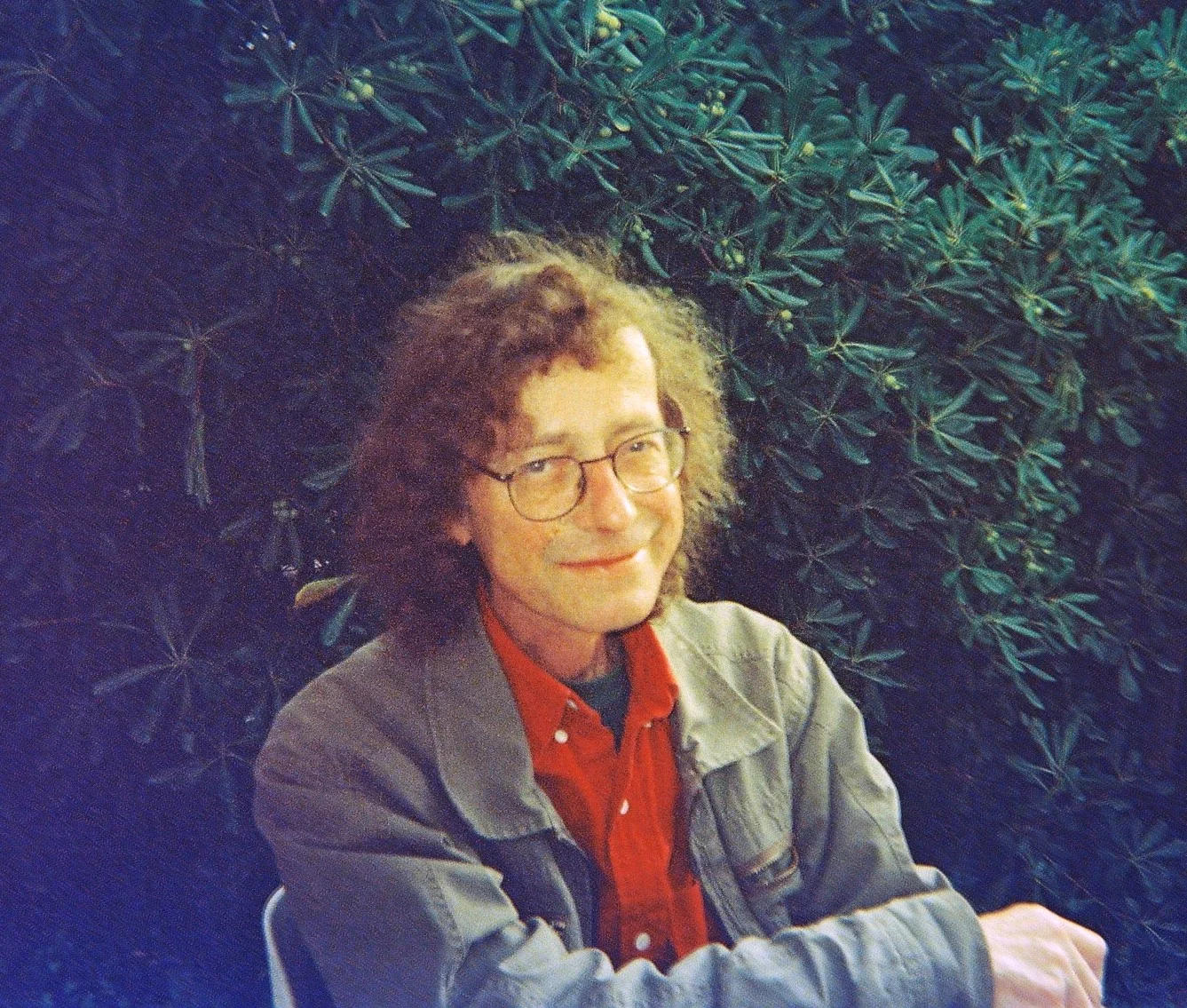
Waldemar Baraniewski, in a catalogue accompanying Tomasz Tatarczyk's drawing exhibition at the Foksal Gallery, asks about the status of the sketches in the artist's work, how he saw and related to them. The artist painted the things he saw, and all that evoked an emotional response in him. The honesty in his painting is usually the first thing that any of the art critics, as well as his friends, mention before anything else. The works made on paper are – above all – records of fleeting moments, landscapes, and situations. He would take up a given subject more than once, and polish the ideas to perfection, which he later transferred onto the canvas. It is, however, worth mentioning that not all themes depicted on paper were developed by the artist on the canvas. The collection of sketches and drawings is precisely what enables one to gain in-depth knowledge of the painter's work. They include the drawings of a nail, or the drawing studies of a nail stuck in a board. Experiencing the works on paper that left the artist's studio, means experiencing the intimate side of his art.
On the 16th of November, as many as 4 works of Tomasz Tatarczyk will go under the hammer. Even though all of them were created after 2000, each one represents a different motif of the artist's work.
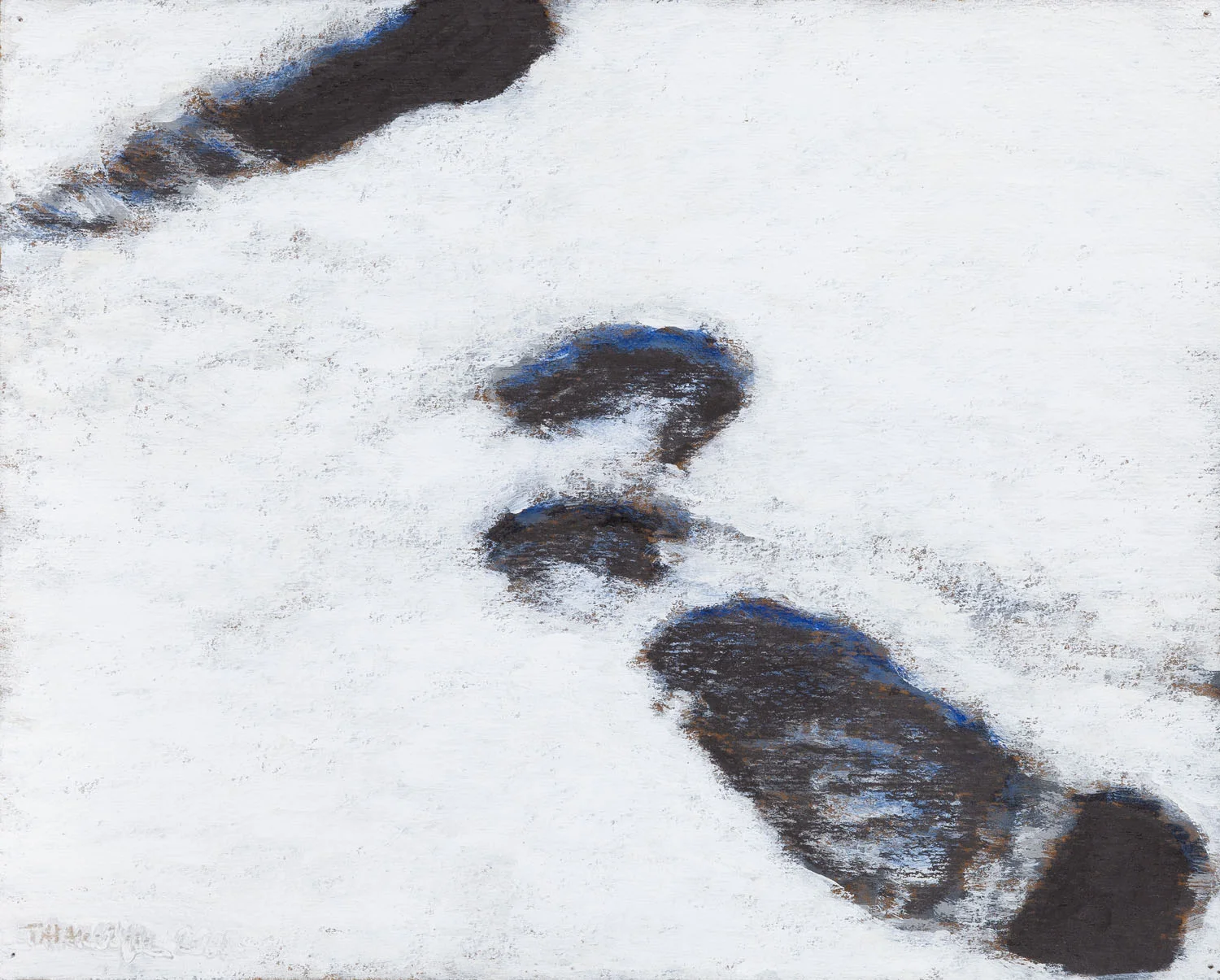
The work from the “Step by Step" series belongs to a group of works depicting imprints of steps left in the snow. The painter himself says the themes appearing in his works
“at times, come into existence accidentally. I walk and revolve around a subject, around fragments of reality that have a particular impact on me – that's how I gain a clearer, stronger need to do something about it. That is when I start to work and develop a given subject into a series to look at it from different perspectives. Naturally, the choice of the theme is influenced by the state of my spirit, as well as the museum of imagination – works of art, childhood scenes, even movie stills. An example are the stills from Jarmusch films – black and white, emanating emptiness and confusion. […] In the beginning, I have a general idea. Later I think about the composition. Deciding to organise a work in one way, or another is largely a matter of intuition for me. My experience also plays an important role. And my work. It is in the process of the work when the image begins to act upon me – as if directing me."
(Elżbieta Dzikowska, “Artyści mówią. Wywiady z mistrzami malarstwa, Warsaw, 2011, page 256)
At the “Contemporary Art. Works on Paper" auction on the 16th of November, it will also be possible to bid for two sketches with a dog motif. A black dog wading in the water and splashing drops around itself was a theme often discussed in the artist's works. Cygan – the painter's faithful dog companion – was the model for the theme's protagonist. Cygan lived with Tatarczyk in a village near to Kazimierz nad Wisłą. The series is an anecdotical one – a lonely dog struggling with different adversities. such as the river's current, seem to be an allegory of human fate.
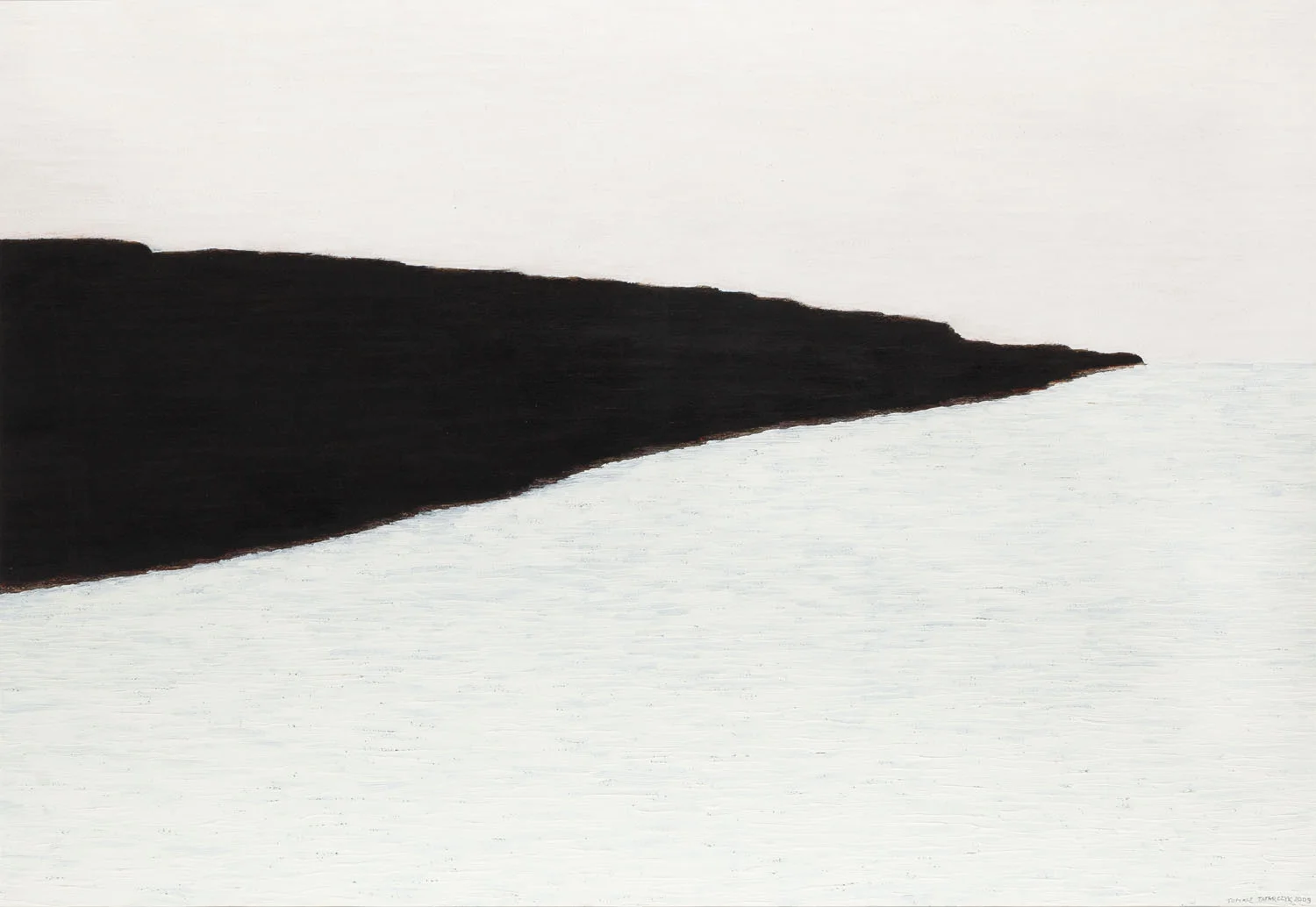
The last of the works is a realization of an impressive size from 2009. It is more abstract in its expression, yet just like most of the artist's works, it depicts a landscape. The place where the artist settled down, played an essential role in Tomasz Tatarczyk's works.
Thinking about his work excluding the local context appears impossible. Męćmierz became an oasis of peace and the fundamental subject of painterly explorations for the artist. All that we can see in the artist's paintings – whether it is a fragment of a street, a river surface, forested hills, or a dog wading in the water – is an element of the Męćmierz landscape.