
The Cleveland Institute of Art Circle
Cleveland, Ohio, was one of the most important centres for American op-art. Many artists valued in this field graduated from the Cleveland Institute of Art, such as Julian Stańczyk, Francis Hewitt, Richard Anuszkiewicz, and Edwin Mieczkowski – all present in our “Post-War and Contemporary Art. Op-Art and Geometric Abstraction" catalogue. It was also where the infamous Anonima Group came into existence and developed – the only group in the United States to devote its activity to op-art wholly.
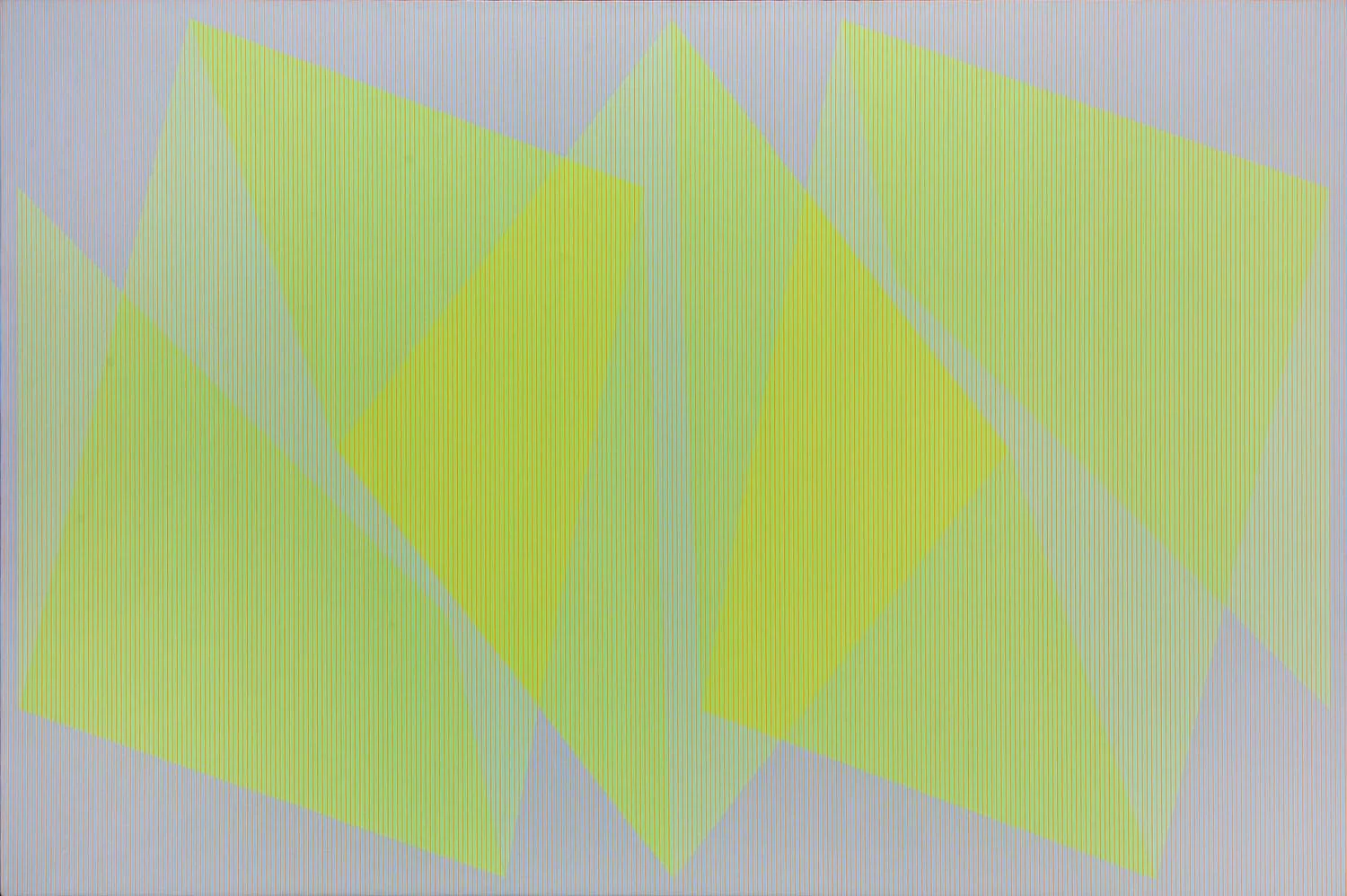
The most significant development of university circles took place in the 1960s. It was then that the first examples of a new type of creativeness started to appear, and they began to be exhibited in local galleries more and more willingly. One of the funding events was the Anonima group exhibition in 1962, which was organised in an old clothing store on Euclid Avenue. The grouping was established two years earlier by Edwin Mieczkowski, Ernst Benkert, and Francis Hewitt. In their art, they wanted to investigate scientific phenomena and the psychology of optical perception. The eleven years of their painting activities were accompanied by writing activities, such as proposals, projects, and manifestos. The news of a new type of art from Cleveland spread to other centres around the United States and Europe's biggest cities, such as London, Paris, or even Warsaw – a show organised in 1966 may serve as an example here. The works of the artists representing the Anonima group were shown at the “Black/White and Gray Paintings" exhibition at the Foksal Gallery.
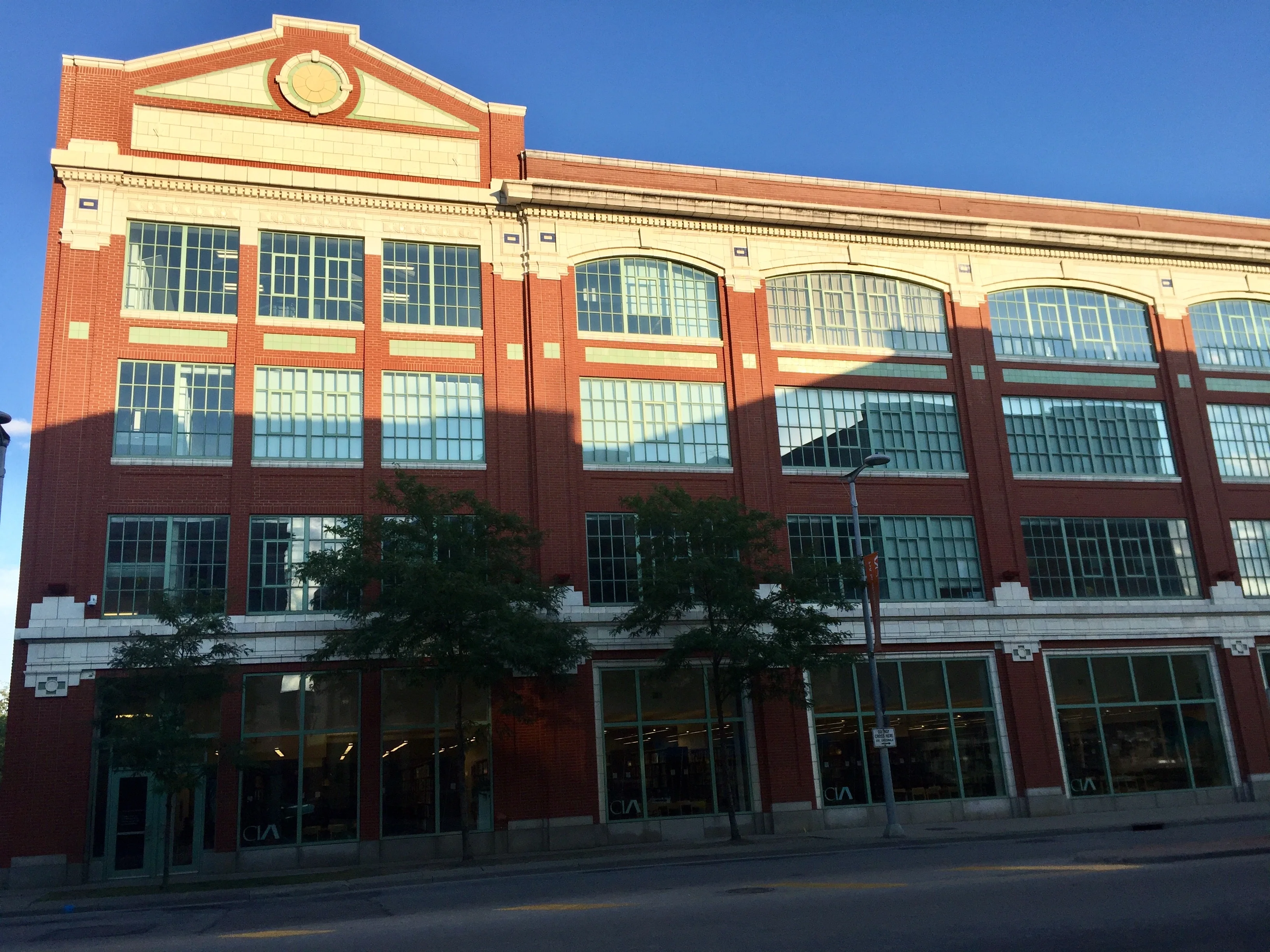
At the time of Julian Stańczyk's activity in Cleveland, Marta Smolińska wrote:
“The days of his studies at the Cleveland Institute of Art, bring Stańczyk closer to other two artists with Polish roots, who also were close to the op-art – Richard Anuszkiewicz and Ed Mieczkowski. Anuszkiewicz was a year above Stańczyk in his studies. However, a friendship and discussions on art brought them together. Anuszkiwiecz, who was from Erie, Pennsylvania, was in a way adopted by Stańczyk's family settled in Cleveland – this was manifested by shared meals or the circle of their mutual acquaintances. When it comes to Ed Mieczkowski, after his studies at the Cleveland Institute of Art, he obtained a master's degree at the Pittsburgh Carnegie Melon Institute. Later, between 1964 and 1995, they both lectured at their alma mater, Stańczyk – painting, Mieczkowski – mainly drawing. The shared years of teaching allowed them to have constant debates on art and the status of paintings, which were often turbulent due to the differences in their artistic attitudes."
(Marta Smolińska, ‘Julian Stańczyk. Op-art i dymanika percepcji, Warsaw – Cracow, 2014, page 29).
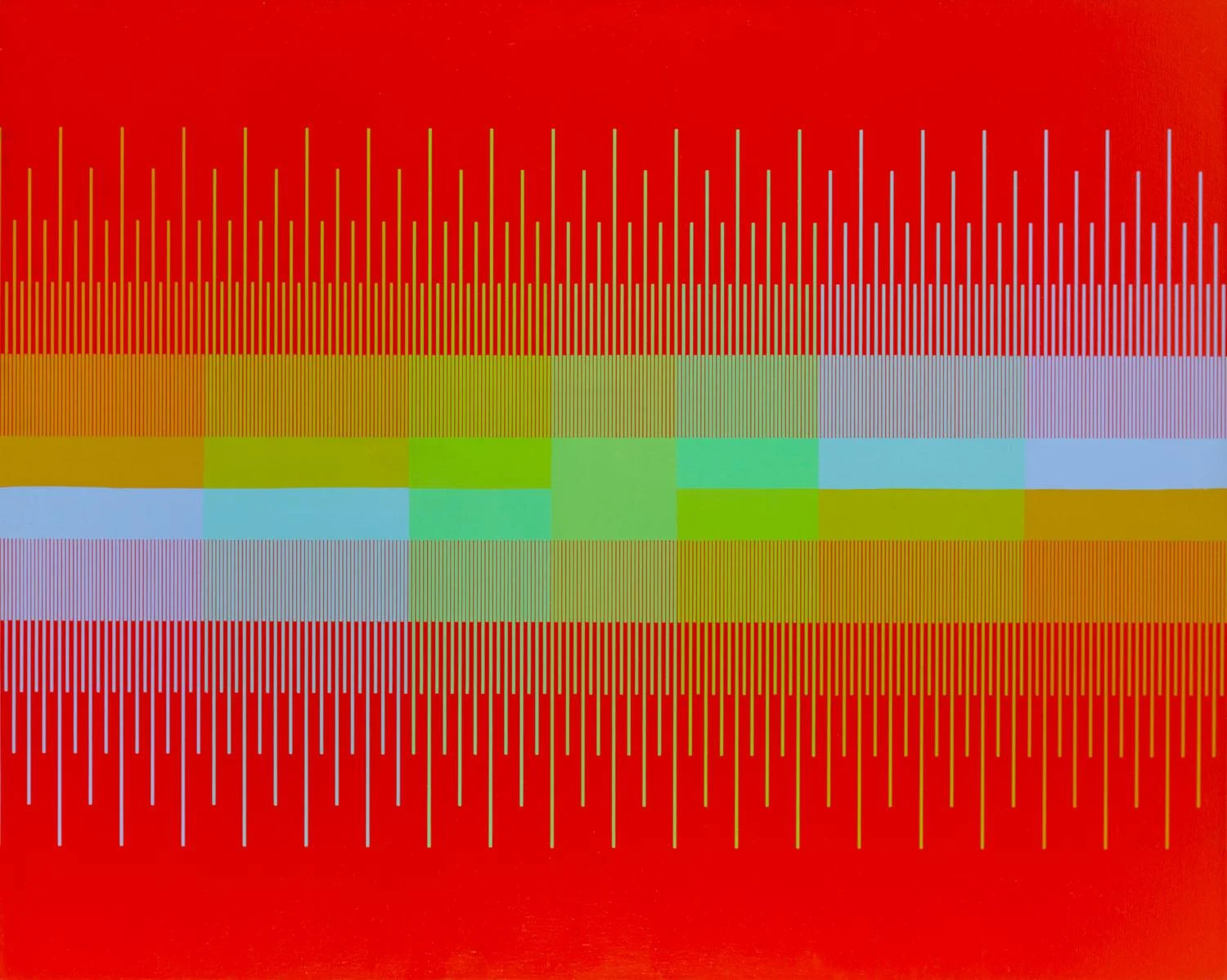
The Cleveland school was also an important place for Anuszkiewicz's artistic development. The young artist got a four-year scholarship at a university from which he graduated in 1953 with a bachelor's degree. Like many artists at the time, he was under the strong influence of Josef Albers, whom he met at the YALE University in 1953. About his time in Cleveland, Anuszkiewicz says:
“In Cleveland, I was very sure of myself, I won awards at the ‘May Show'… Discovering how colours behave [towards each other – editorial note] and how they can be used as a kind of enlightenment for me… it took me some time before I started to make use [of that knowledge] fully. It seems to me that I have fought a bit with him [Alberts], as that is the general tendency – to fight the strong personality to protect oneself."
(Richard Anuszkiewicz, cit. per John T. Spike, Richard Anuszkiewicz: Color Perfectionist [in:] David Madden, John T. Spike, Nicholas Spike, Anuszkiewicz. Paintings & Sculptures 1945-2001, translated by Anna Kowalska, Florence 2010, pages 16-17).
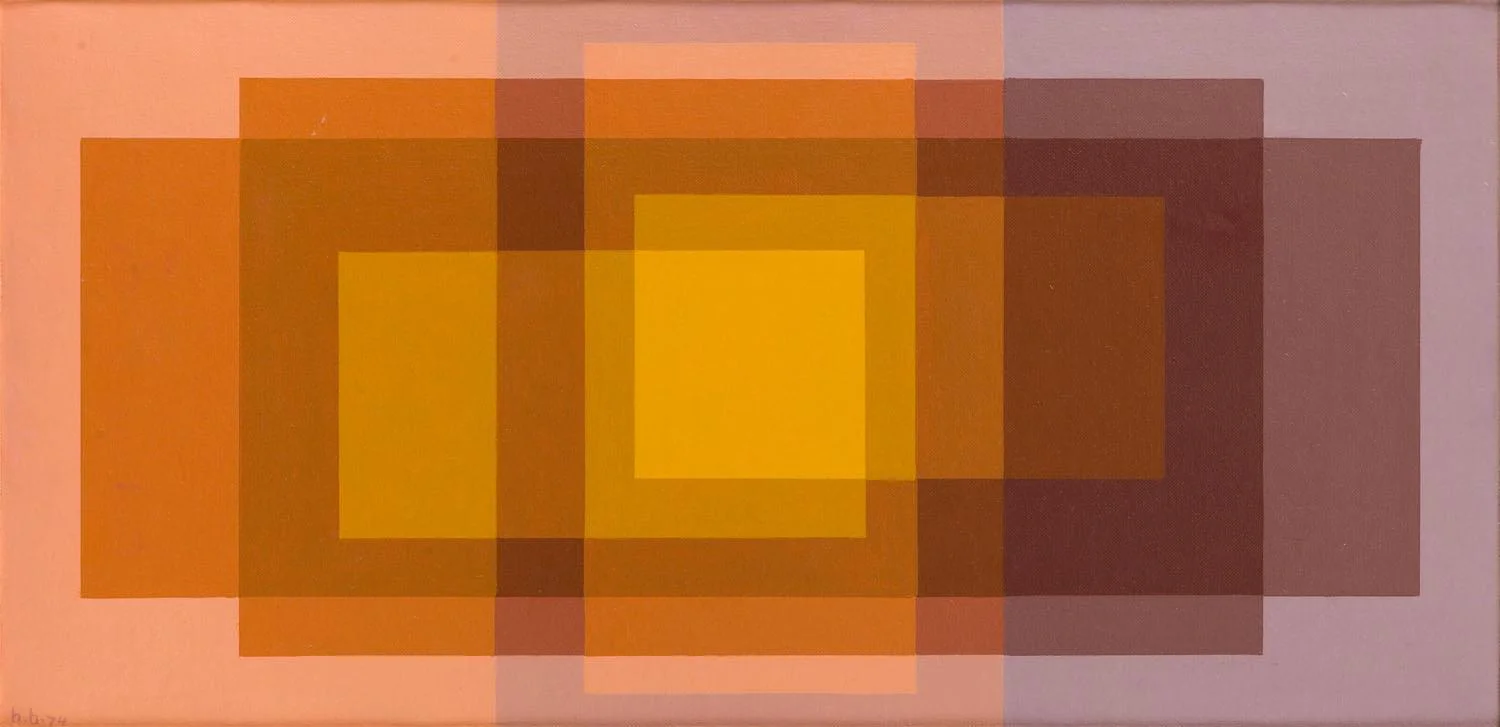
Many artists from the Cleveland community were represented at the show “The Responsive Eye" – one of the essential events institutionally constituting a phenomenon of the optical art in the Western art circle.