
The Beginning of comic art
Comics originated as a press genre and, for the first few decades of their existence, reached their audience primarily through newspapers. These early stories were strictly humorous, intended to entertain readers and distance themselves from current issues. The drawings often referenced well-known film characters such as Laurel and Hardy, Dodek, or Lopek. It wasn't until the 1940s that comics began to tackle more serious themes, including adventure and crime stories, which started appearing in the press. Foreign stories, particularly American ones, led the way in this regard, with famous titles including "Tarzan," "Mandrake the Magician," "Secret Agent X-9," and many others. Over time, these types of comics replaced Polish short strips from magazines.
One significant figure in comic history was Adamson, created by Swedish artist Oscar Jacobsson. Adamson was a small man with three hairs sticking out of his bald head and a cigar dangling from the corner of his mouth. This silent comic strip primarily depicted the character's misfortunes, leaving him constantly dissatisfied. The first episode was published on October 17, 1920, in the satirical weekly "Sondags-Nisse." Thanks to the Danish press agency PIB from Copenhagen, the comic spread to many countries, including the United States, China, and Japan. The Swedish strip also found significant success in Poland. It began appearing sporadically in the national press from the mid-1930s, first showing up in 1929 in the "Ilustrowany Kuryer Codzienny," a widely circulated Polish daily published in Kraków. In the Polish version, the protagonist was known as Mr. Krupka, then Wojciech Krupka, Agapit Krupka, or Mr. Agapit. Under various names, the series continued until the war. Among the foreign characters whose adventures were published in the Polish press, Adamson gained enormous popularity, surpassing the fame of the Danish bluebird duo Pata and Patachon, which appeared in the "Express Ilustrowany." The first classic comic with speech bubbles in Poland was published in May 1930 in "Mały Kurier," the Saturday children's supplement to the daily "Kurier Łódzki." The adventures of Mr. Bujdalski and Kaczorek were from Denmark, created by Robert Storm Petersen.
Comics disappeared from the press with the outbreak of the war but quickly returned after it ended. In Katowice, the comic weekly "Nowy Świat Przygód" began to be published, clearly referencing interwar periodicals. Unfortunately, it soon became apparent that picture stories did not align with the cultural policies of the communist authorities. Initially, their publication was criticized and combated, eventually becoming seen as a manifestation of "American imperialism" and a symbol of American pop culture, which was attacked by the propaganda apparatus of the time. Fortunately, comics did not disappear from the press entirely, but after 1949, significantly fewer were published. The market began to recover only after the political thaw of 1956. At that time, the belief triumphed that this popular form could be filled with socialist content, which was particularly important to the authorities. In the following decade, album editions hit the market, and the golden age of Polish comics began.
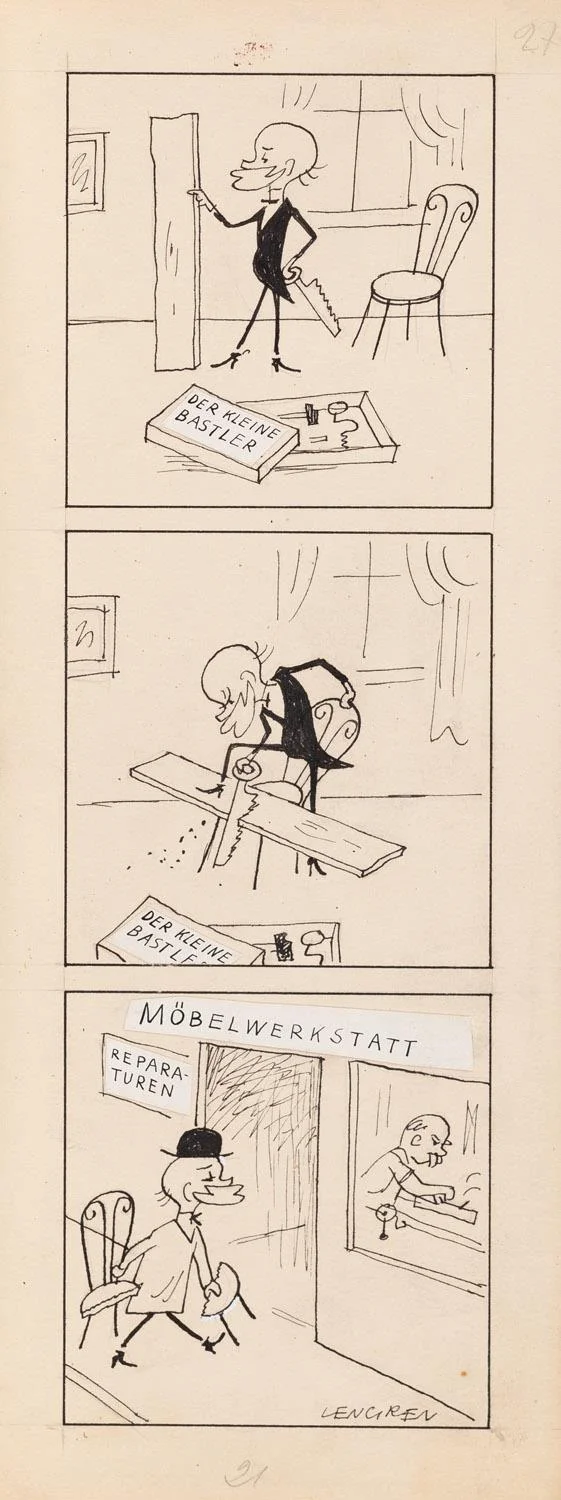
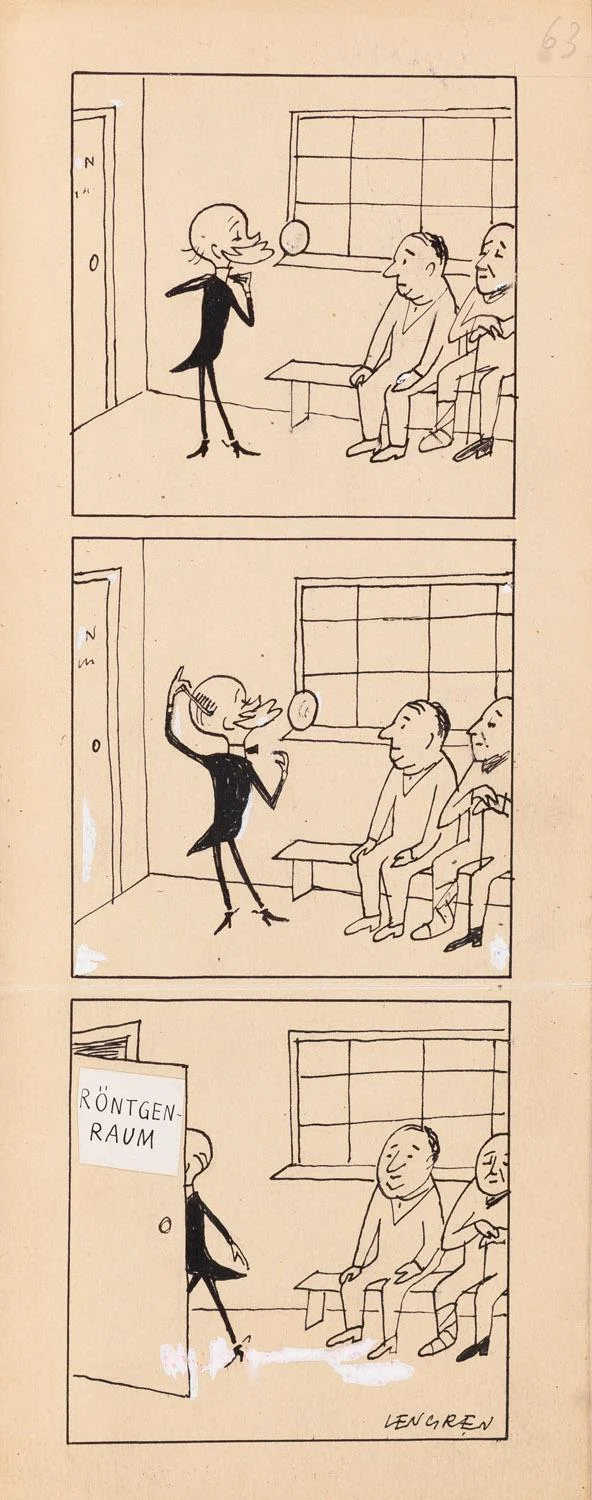
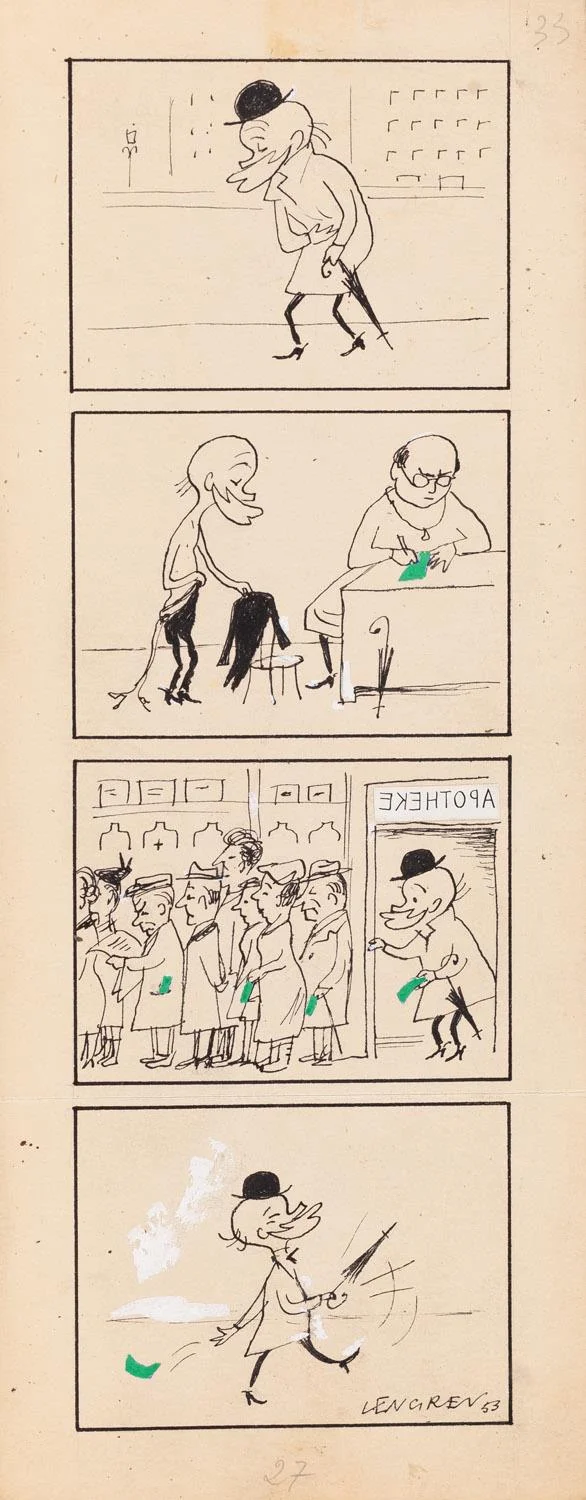
In 1948, one of the longest-running comic series in Poland appeared in the Kraków magazine "Przekrój" – Professor Filutek by Zbigniew Lengren. It was published continuously for 55 years. It is worth noting that a somewhat similar comic series about Professor Nimbus had been published in France since 1934. Like Filutek, he was a well-dressed scientist. Lengren himself also mentioned that Adamson, a character known in interwar Poland, was an inspiration. Filutek became the hallmark of Przekrój, and in 1955-56, four colorful animated films were produced by the Animated Film Studio in Bielsko. Thanks to publications in Czechoslovakia, the USSR, China, East Germany, and even West Germany, the Professor became recognizable beyond the Iron Curtain.