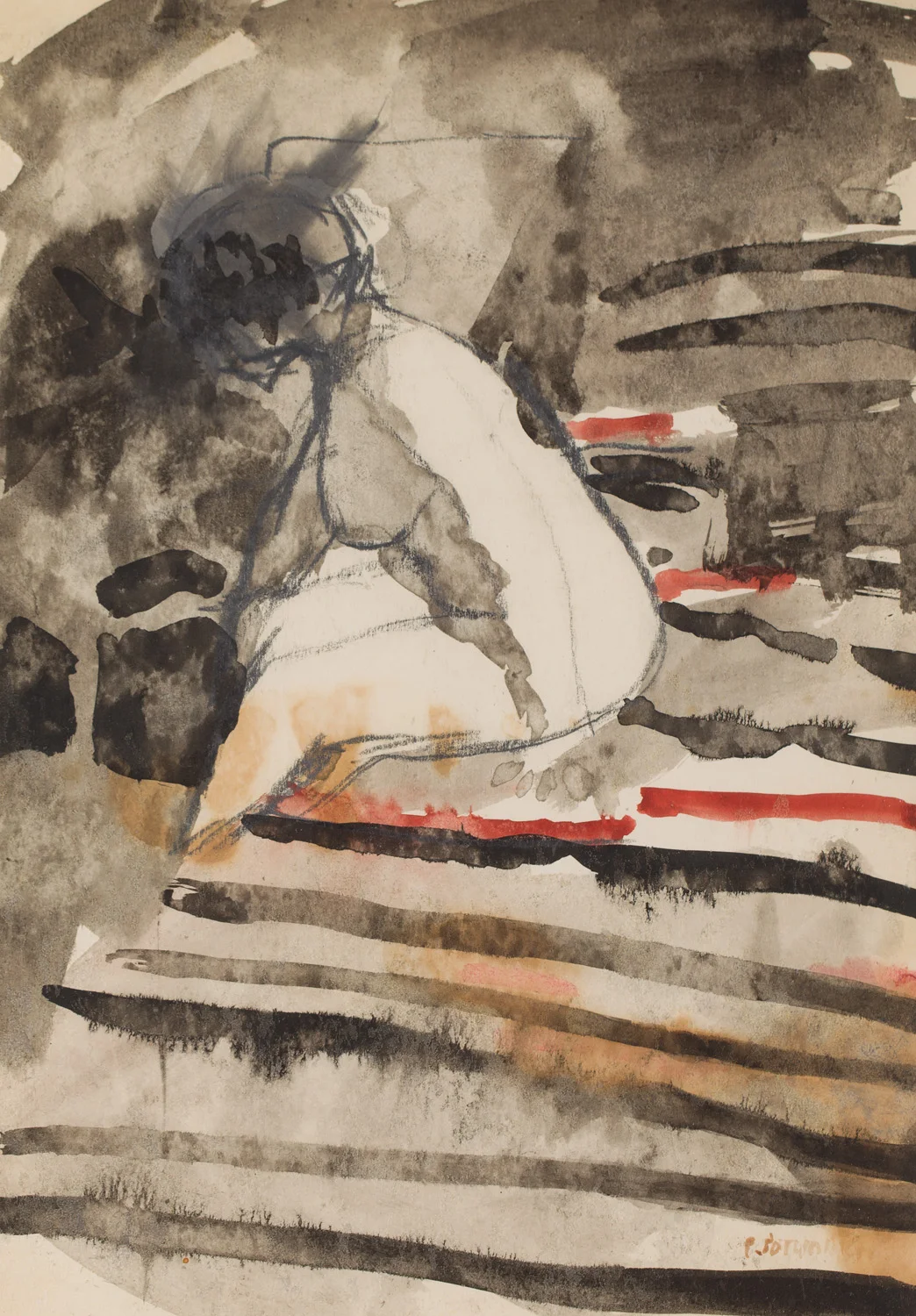
Tadeusz Piotr Potworowski and his journeys
The art of Piotr Potworowski, one of Józef Pankiewicz's most prominent students, impresses us and arouses incredible emotions to this day. His unique style of painting landscapes is a source of inspiration for next generations of painters, encouraging them to explore the topic. His great creativity was most probably influenced by his numerous journeys, which allowed Potworowski to gain artistic experience.
At the beginning of his artistic career, Potworowski was fascinated by the tradition of post-impressionism and colorism. Together with the members of the Paris Committee, he left for Paris in 1924. He returned to Poland in 1933. During the war, he made his way to Sweden and later, in 1943, to England, where he presented his works at several important exhibitions, including "Polish Painters in Britain" (together with Jankiel Adler, Zdzisław Ruszkowski, Feliks Topolski, and Marek Żuławski) and the prestigious "Aspects of Contemporary English Painting" in London. He had his first solo exhibition at the Redfern Gallery in London in 1946. The artist was a member of the London Group, the Royal West of England Academy, and a professor at the Bath Academy of Art.
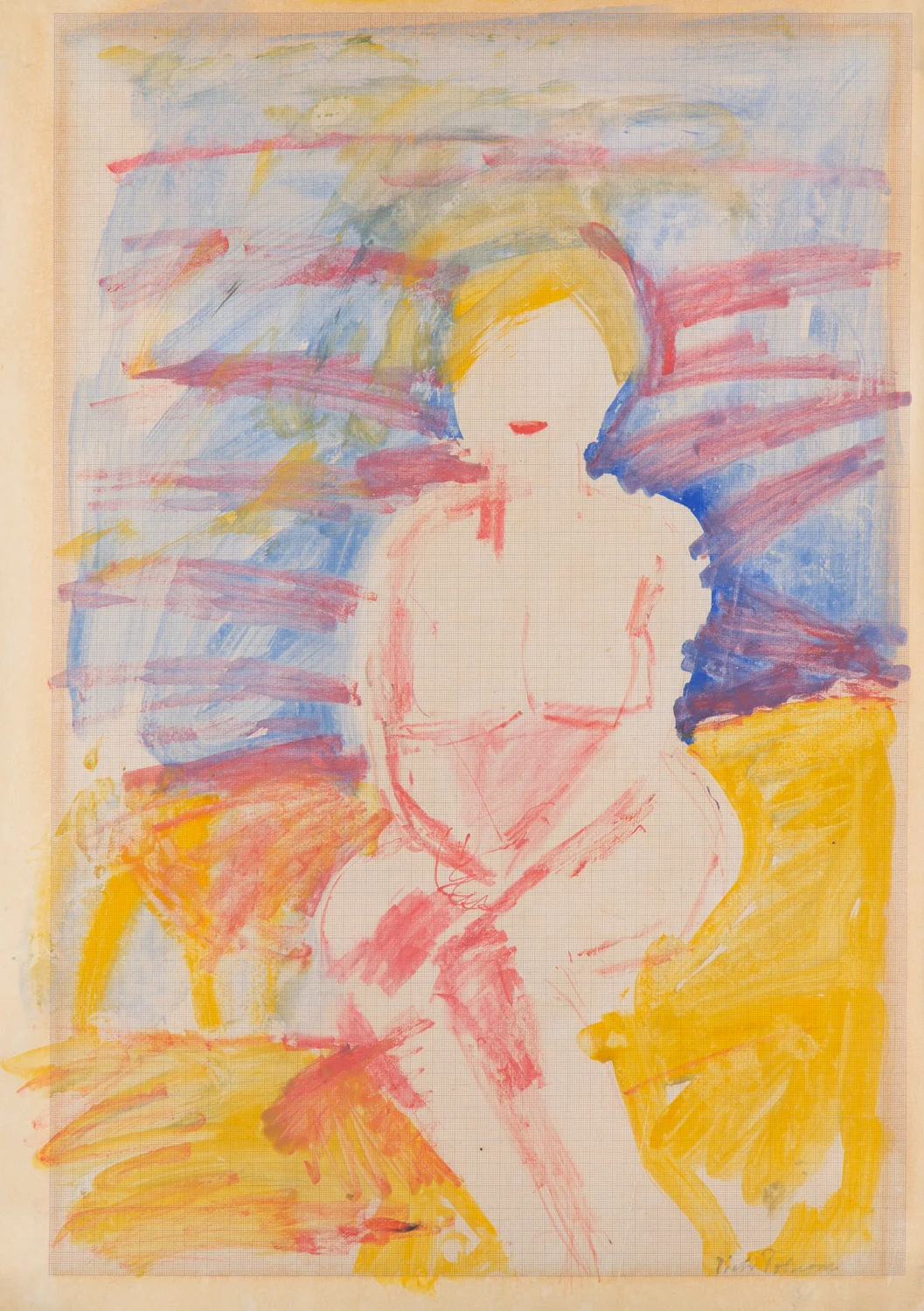
At that time, he stood out from the rest of the English artistic scene, which in the pre-war years and the period just after 1945 did not have many outstanding achievements, especially when compared to Europe. Potworowski was known for, as Zdzisław Kepiński wrote, his "consciousness of color" and "the ability to use color in a way that was not only more tasteful and complex compared to contemporary English painters, it also relied on rational grounds, knowledge about how color interacts with surface, shapes, and space" (Zdzisław Kępiński, Piotr Potworowski, Warsaw 1978, p. 17)."
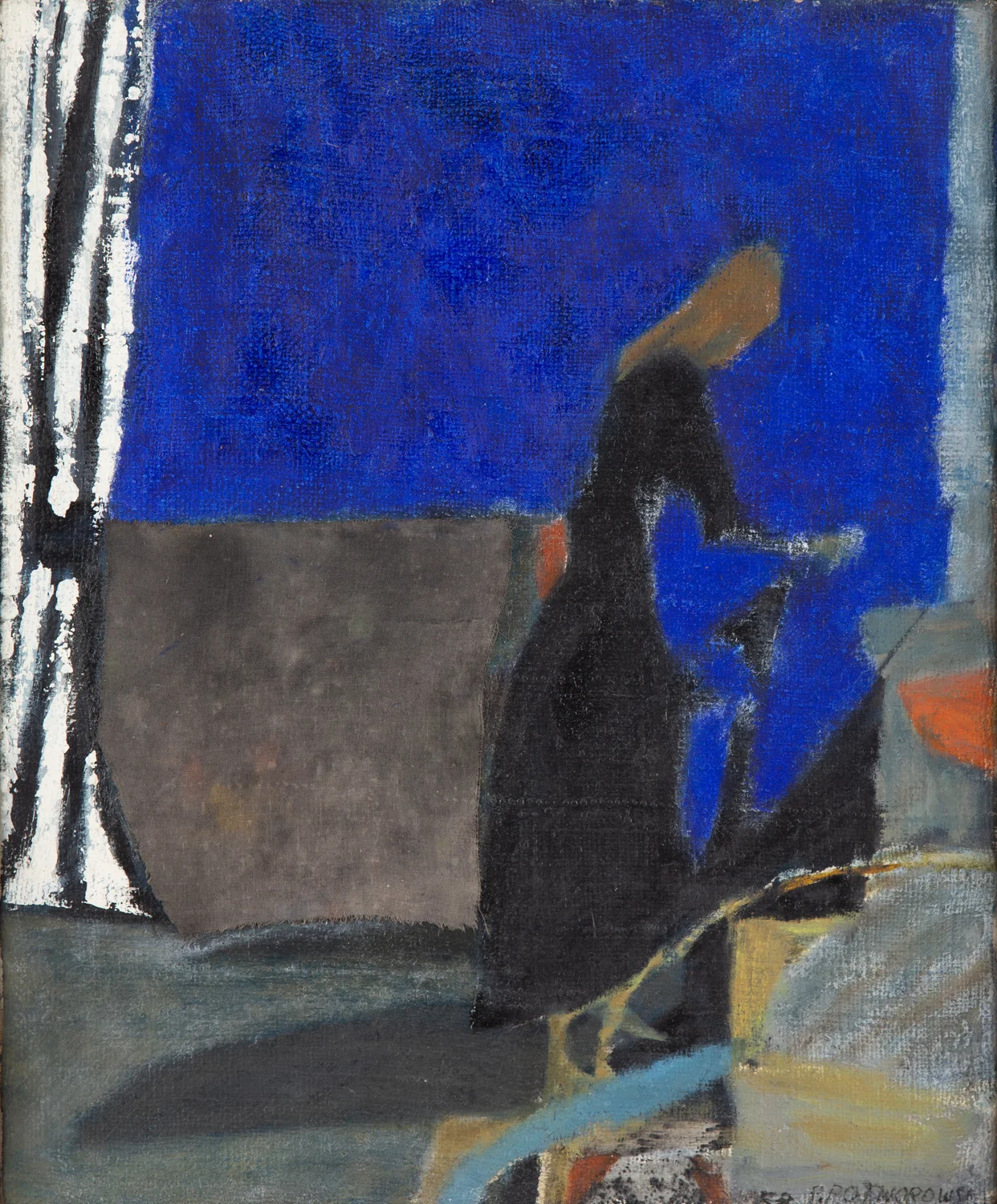
When leaving England in 1958, after eighteen years of emmigration, Potworowski had no intention of returning to Poland for good. He spent two years making arrangements for the exhibition that took place at the National Museum in Poznań. It included about 60 paintings. His works were greatly appreciated. The exhibition was widely commented on, drawing attention to its completely innovative approach to painting. The works were displayed in Krakow, Sopot, Warsaw, Wrocław, and Szczecin.
Potworowski quickly became an authority in the field of painting both for experienced painters and students. He developed his own concept of space in his compositions using chromatic juxtapositions with one dominant pure color. Monochromes complemented the whole. The colorist was remarkably sensitive to color and light. He used his own method of painting, which quickly found numerous followers.
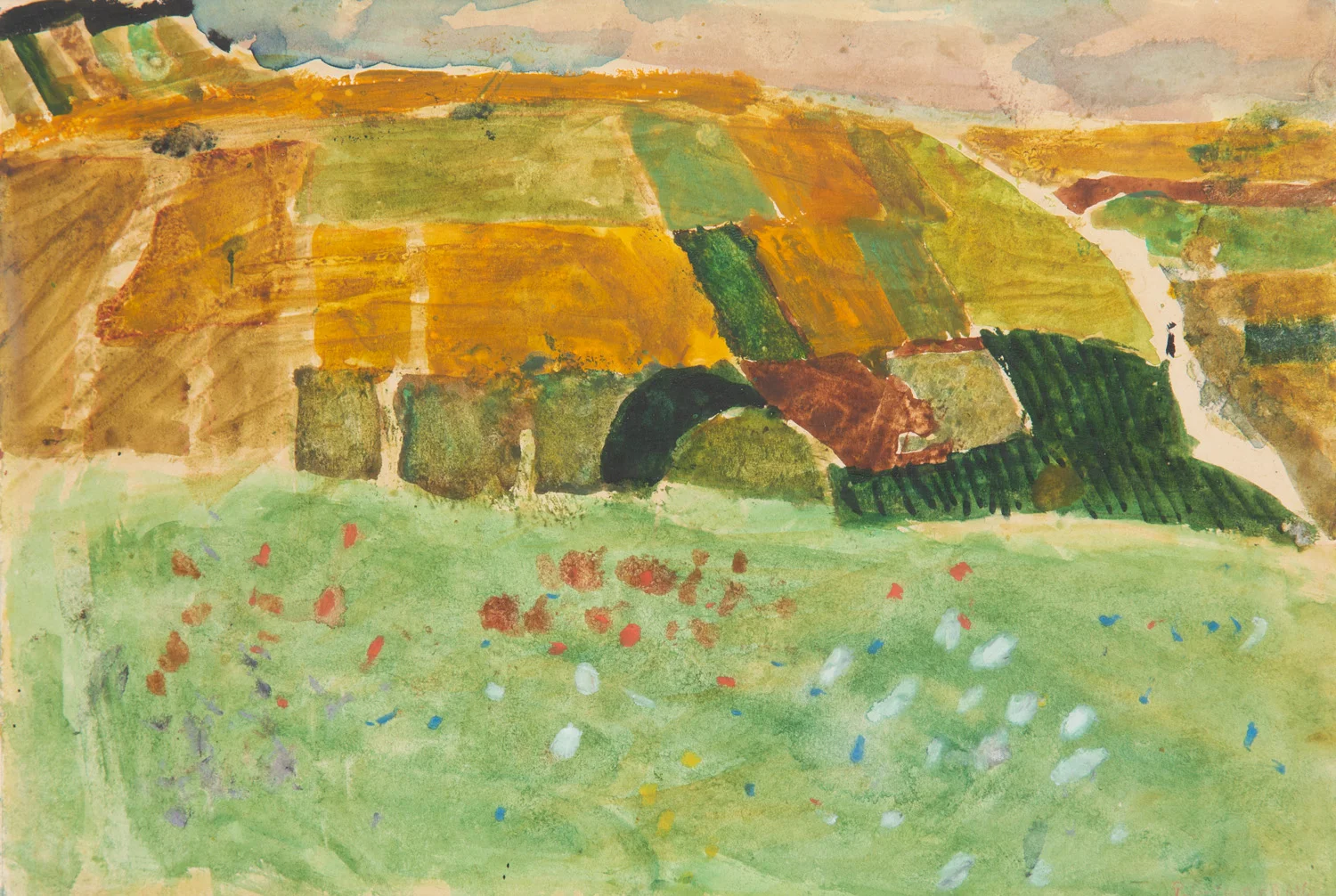
Potworowski was a unique individualist. Often, in defiance of everyone, he searched for his own form of expression, his own artistic path. It was Potworowski, of all the members of the Paris Committee, who first distanced himself from post-impressionist painting. At that time, the artist introduced elements of geometry, matter painting, and playing with texture. His works were distinguished by extremely thoughtful compositions, they were built on the basis of color harmony. Perhaps, the direction of his interests was also influenced by his architectural studies undertaken at the Warsaw University of Technology in 1918, which encouraged his fondness of harmony and composition order. No one expected that Piotr Potworowski's dynamic life would suddenly come to an end 4 years after his return from England to Poland.