Szukalski-Stryjeńska
Our auction "Szukalski-Stryjeńska. Celebration of Slavianism" ("Szukalski-Stryjeńska. Święto Słowiańszczyzny") presents you with two prominent figures of Polish art in the 20th century.
Stryjeńska and Szukalski were friends and shared a mutual appreciation for each other's art. One can learn a lot about what Stanisław Szukalski thought of his female "counterpart" by reading his letters, in which he frequently mentioned the artist. The creator felt rejected and underestimated by Polish society. Living in the United States, Szukalski was, on the one hand, constantly concerned with Poland and its affairs. On the other hand, he struggled with being marginalized, underrated, and rejected. His belief in being an essential figure to the Polish community intensified this feeling ("If I, if each of you suffers so much, it is because there was no Szukalski among us who would demand Justice for himself and others who devoted themselves to the Nation," p. 186). Szukalski had a whole parade of great artists on his mind. He believed that they were either misunderstood or rejected by the Poles (and one did not have to live in the mansard loft or die of consumption to be ranked by Szukalski among these people). He frequently made reference to Zofia Stryjeńska, Matejko, Norwid, and himself.
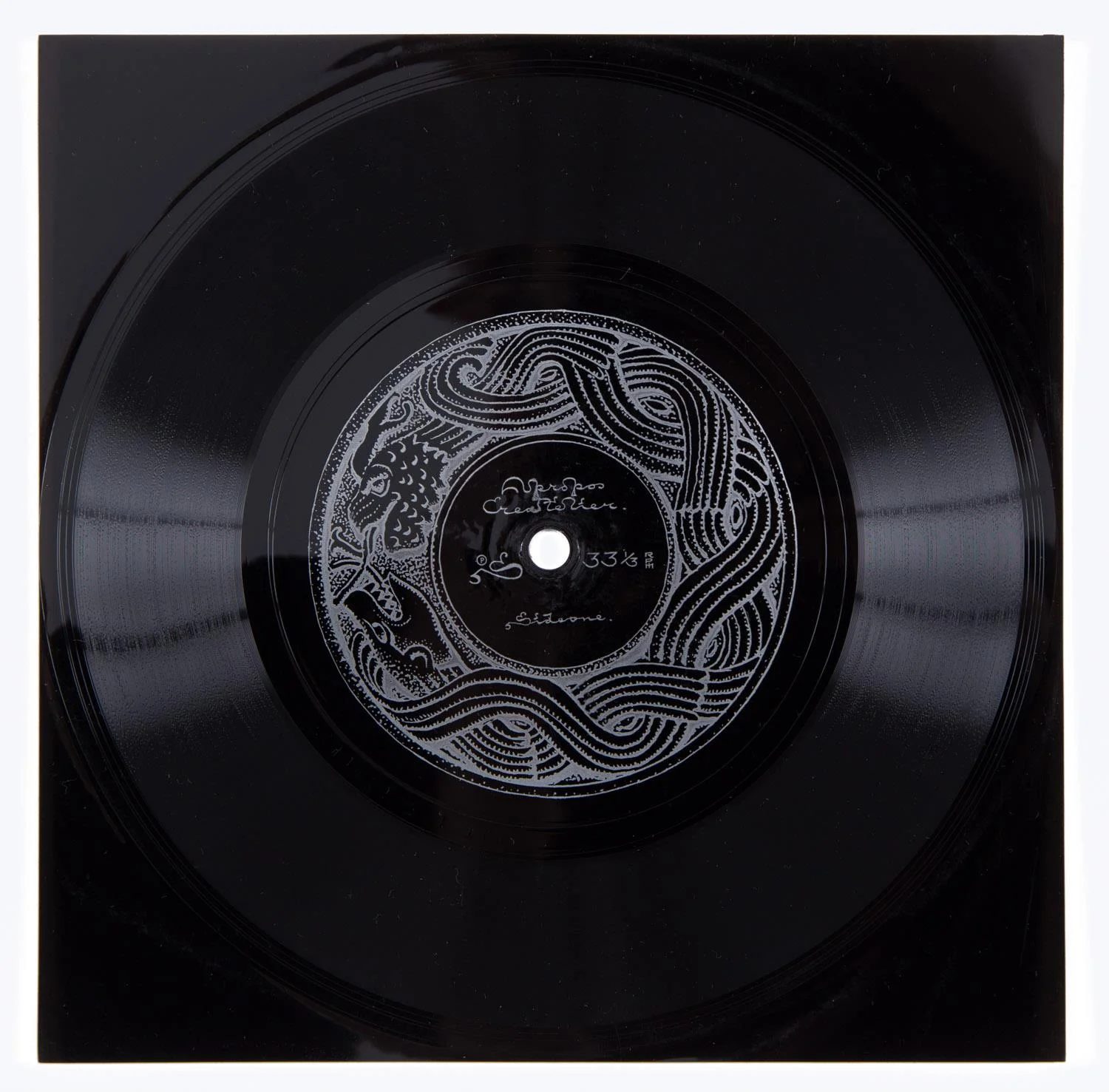
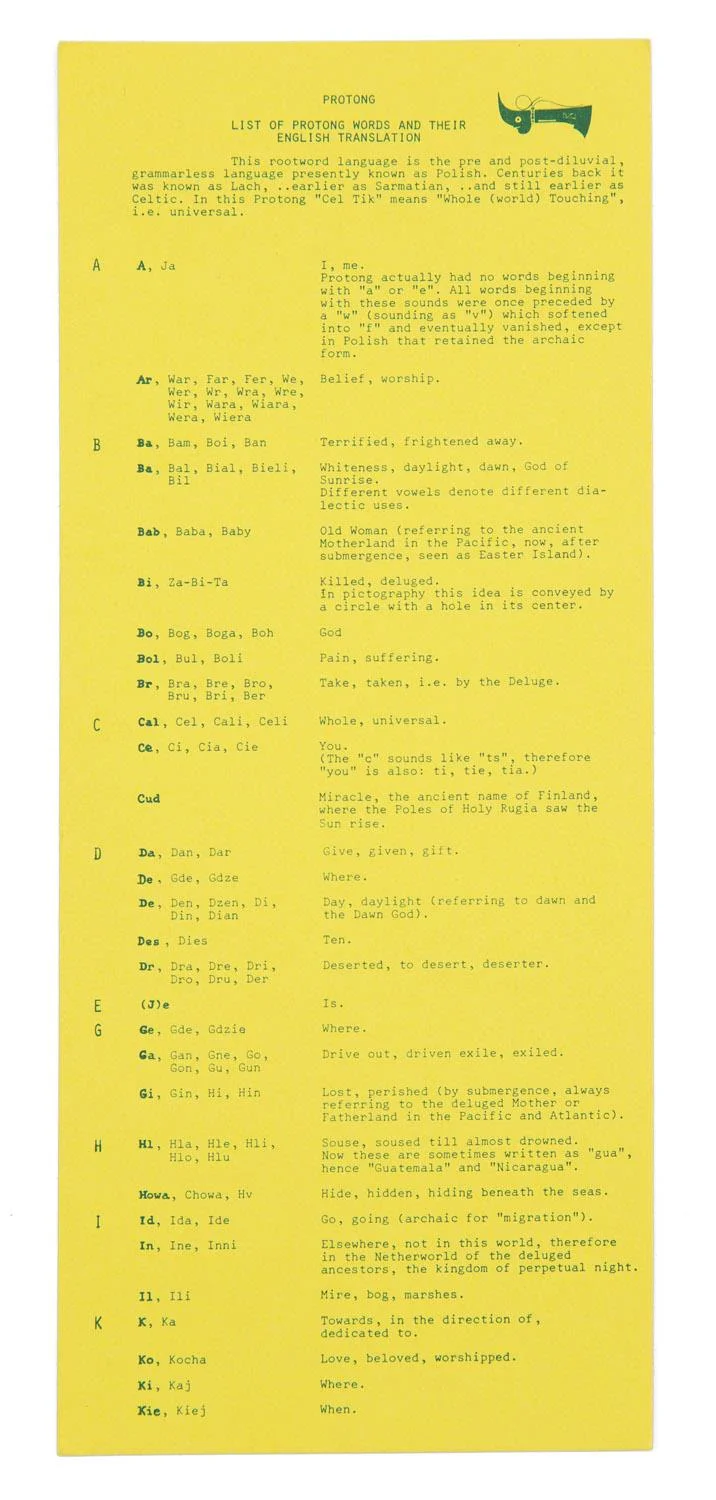
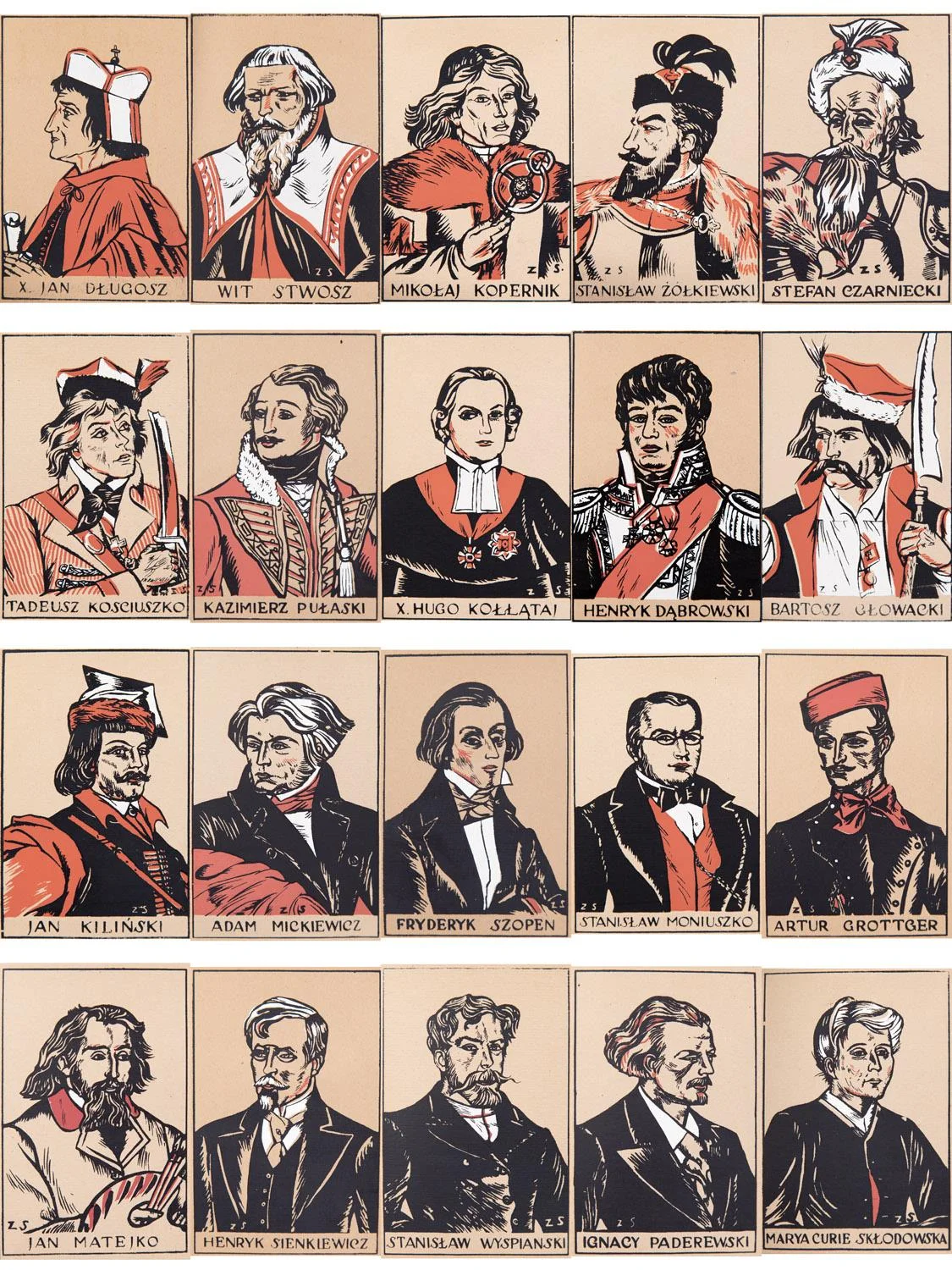
Although Stryjeńska and Szukalski's works are different, they are linked by their incredible energy and vitality, as well as visual attractiveness, which is not so common in Polish art (at this level). The auction selection presents you with items associated with these artists and some interesting items that are either infrequently or never available on the auction market. These include intriguing examples of Stanislaw Szukalski's various activities (such as the Protong dictionary, a vinyl record with a song recorded by the artist, or "the green book" -a chapter from his autobiography). The auction begins with an extremely rare portfolio featuring the most outstanding Poles.