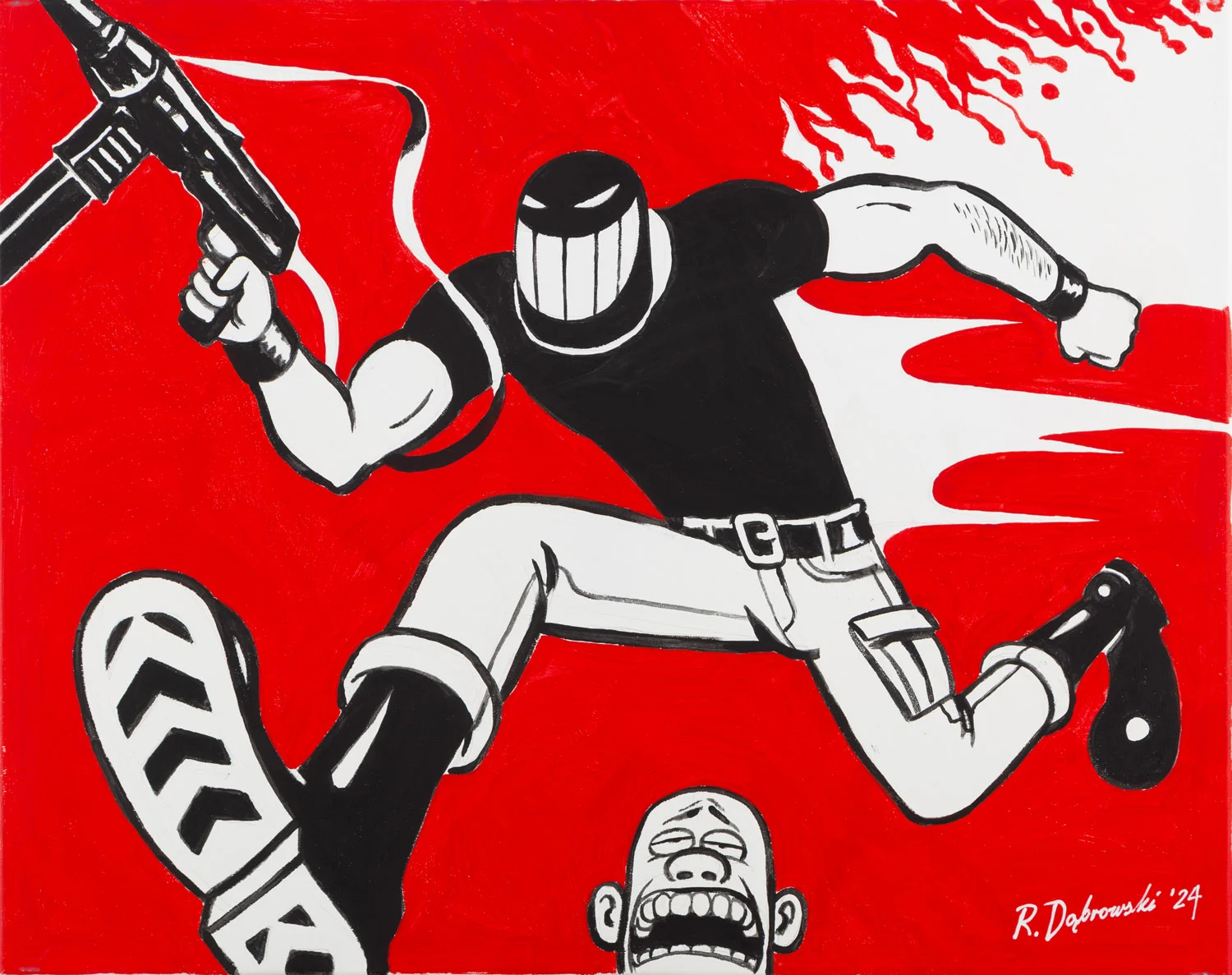
Success of comic books
Polish comics, being a dynamic form of narrative art, have been enjoying recognition both in Poland and internationally for years. Its history dates back to the early 20th century, when Polish creators began experimenting with various styles and genres. One of the first significant representatives of Polish comics was Henryk Jerzy Chmielewski, known as Papcio Chmiel, who created the popular characters "Tytus, Romek, and A'Tomek."
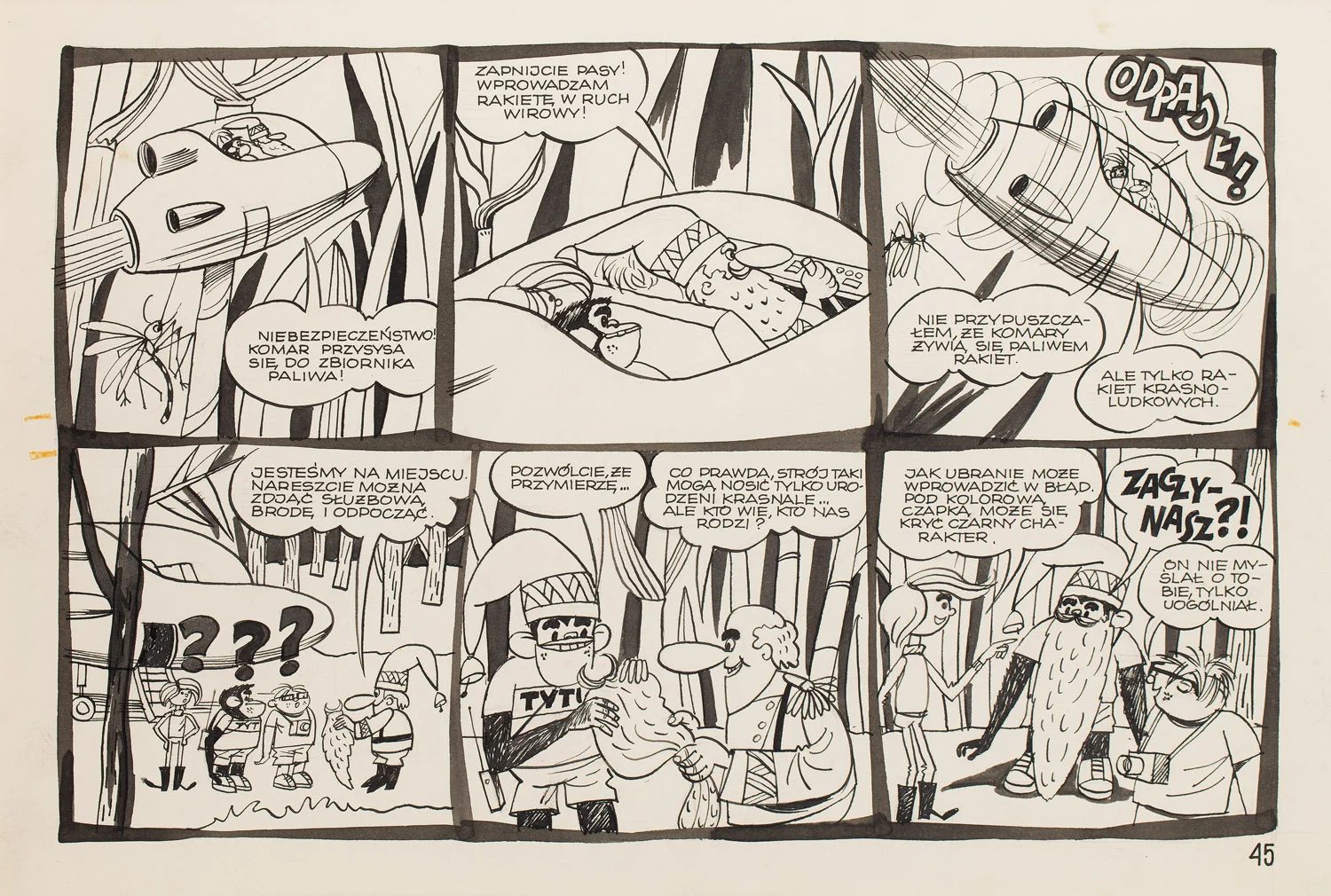
In the post-war period, comics were often used as a tool of communist propaganda but simultaneously developed in artistic directions. In the 1960s and 1970s, Polish comic artists, such as Janusz Christa and Bogusław Polch, gained international acclaim for their works, which combined elements of humor and social reflection.
Contemporary Polish comics draw from diverse inspirations, ranging from classic literature through history and popular culture to the personal experiences of creators. Authors created both commercial works, mainly targeted at younger readers, and ambitious artistic projects exploring the boundaries of the medium.
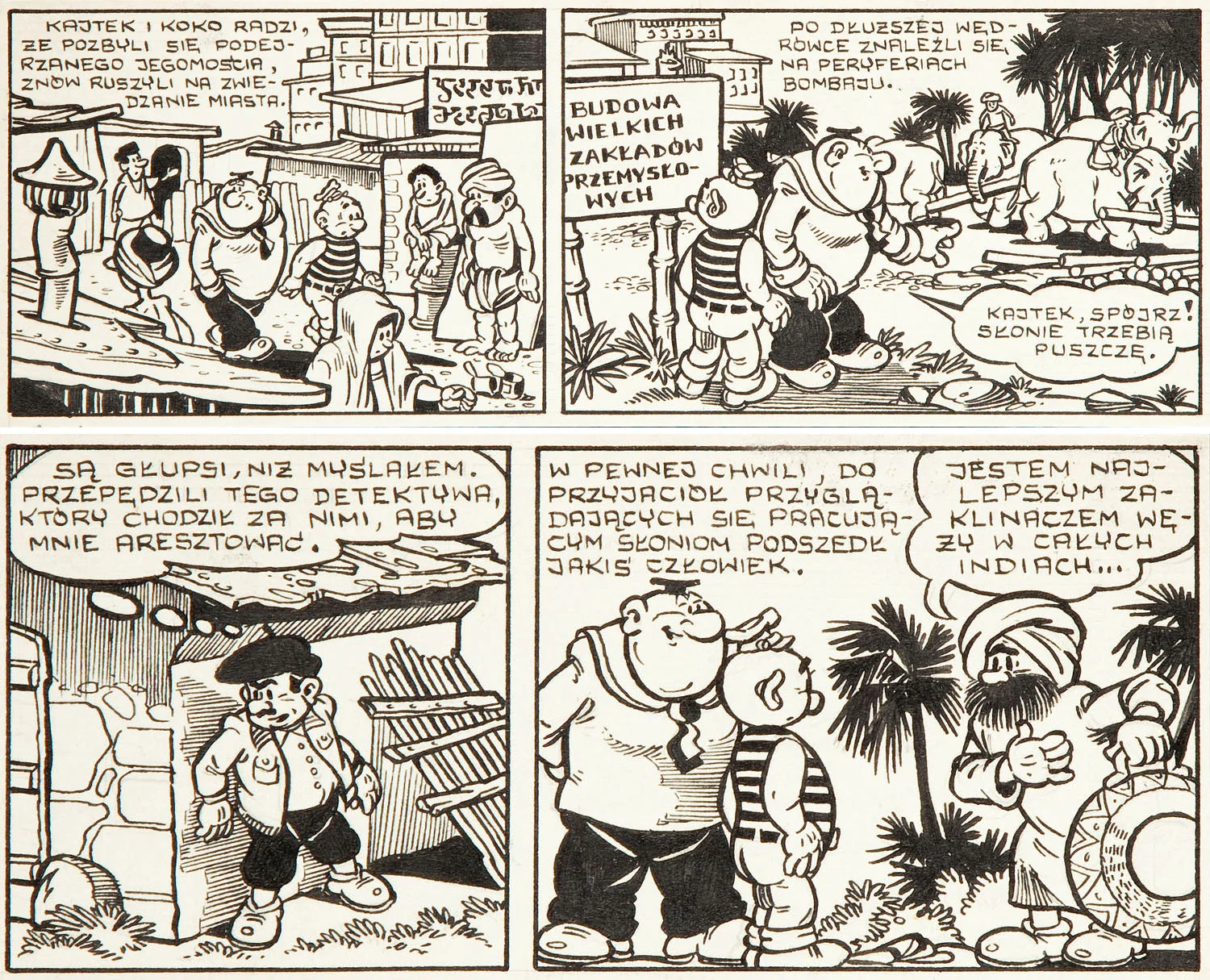
Polish comics continually evolve, achieving success both domestically and internationally. Thanks to talented and creative authors, as well as the increasing number of publishers and festivals dedicated to comics, this art form still has a promising future ahead.
This year, during the 31st edition of the "Polityka" Passport Awards, Jacek Świdziński was honored in the "Book" category for his comic titled "Festiwal." The jury appreciated his outstanding storytelling skills in depicting the epic, multidimensional story of the 5th World Festival of Youth and Students in Warsaw in 1955, as well as his portrayal of Polish traumas and anxieties of that era. This is the first time in the history of the "Polityka" Passport Awards that a comic book author has been honored with this prestigious award, resulting in a change of the category name to "Book."
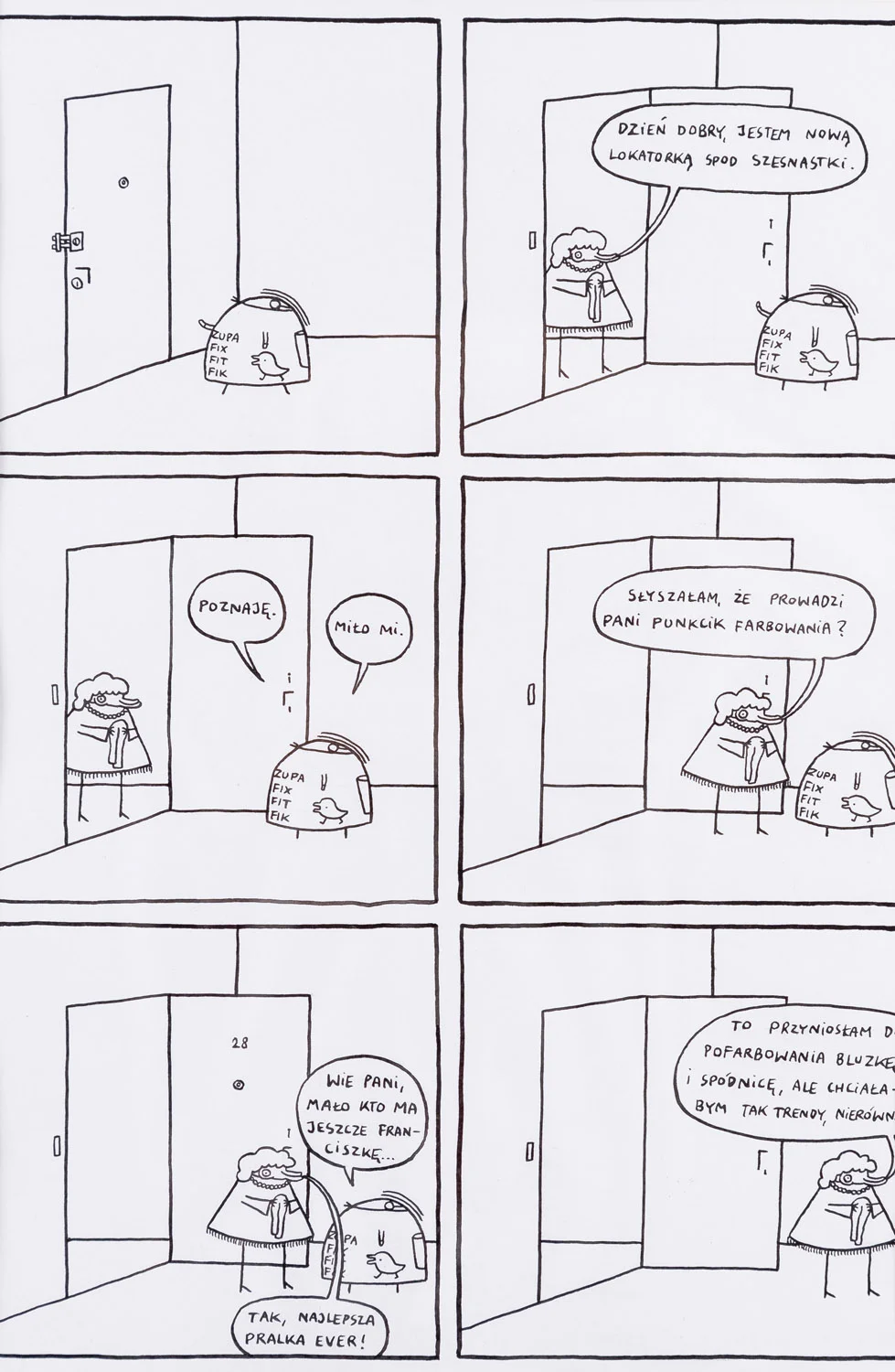
Jacek Świdziński, a renowned cultural studies scholar and multiple award-winning author of comic albums, cooperates with the magazine "Przekrój," also works as a comic columnist for the online cultural magazine "Dwutygodnik.com," and is an employee of the Polish National Library. In the Department of Subject Cataloging, he is involved in creating bibliographic records of comics and cultural studies publications.
The winner of the "Polityka" Passport Award in the "Book" category, Jacek Świdziński, is a self-taught artist. His characteristic style features minimalist lines and narrative techniques. In the artist's work, he often explores themes related to Poland and Poles, drawing inspiration from Polish grotesque classics such as Mrożek, Bareja, or Piwowski. The plot of the comic, appreciated by the jury, focuses on the famous festival of 1955 and is based on many authentic documentary sources. Świdziński convincingly portrays how a propaganda project gets out of control, becoming a breakthrough moment in opening a new era.
"To be honest, I thought that a nomination for a comic would be enough as an award, and that's it, so I was surprised. But it must be admitted that 'Polityka' has been supporting comics for years because it takes it seriously - despite the name 'comic'. Comics kill imagination, comics show instead of describing, so there's nothing left to imagine – I've heard such things from seniors in my family. And this is the funniest misunderstanding in the world because it's exactly the opposite. An image is the most ambiguous thing, and combining two images together or an image with text makes these things acquire additional meanings, some of which undermine others. Generally, in comics, what is drawn is not the most important, it's the opposite. And that's what I wanted to use in my comic, that's why I made it about the 50s, because combining words and images could show these implications,
these unspoken things, what people want but cannot (…) There is another stereotype about comics - that it's something commercial, whereas in Poland, print runs are on the order of scientific publications or poetry, and everyone who does it does it because they need something to do after work" –
- Świdziński said at the awards ceremony (https://booklips.pl/newsy/komiks-po-raz-pierwszy-z-paszportem-polityki-nagrode-w-kategorii-ksiazki-odebral-jacek-swidzinski-tytul-kreatora-literatury-dla-jozefa-hena/).
Thus, comics are doing quite well in Poland, the market is developing, there are more and more volumes, and they even win significant awards. It follows directly that it is worth collecting comics, not only the older ones but also contemporary ones. Collecting original comic boards is a passion shared by many enthusiasts around the world. The charm lies not only in appreciating artistic mastery but also in the connection with the rich history and narrative embedded in each work. For collectors, owning original comic boards is like having insight into the creative process. Each stroke of the brush or pencil drawing takes them into a world where they can relive the adventures of their favorite characters anew.
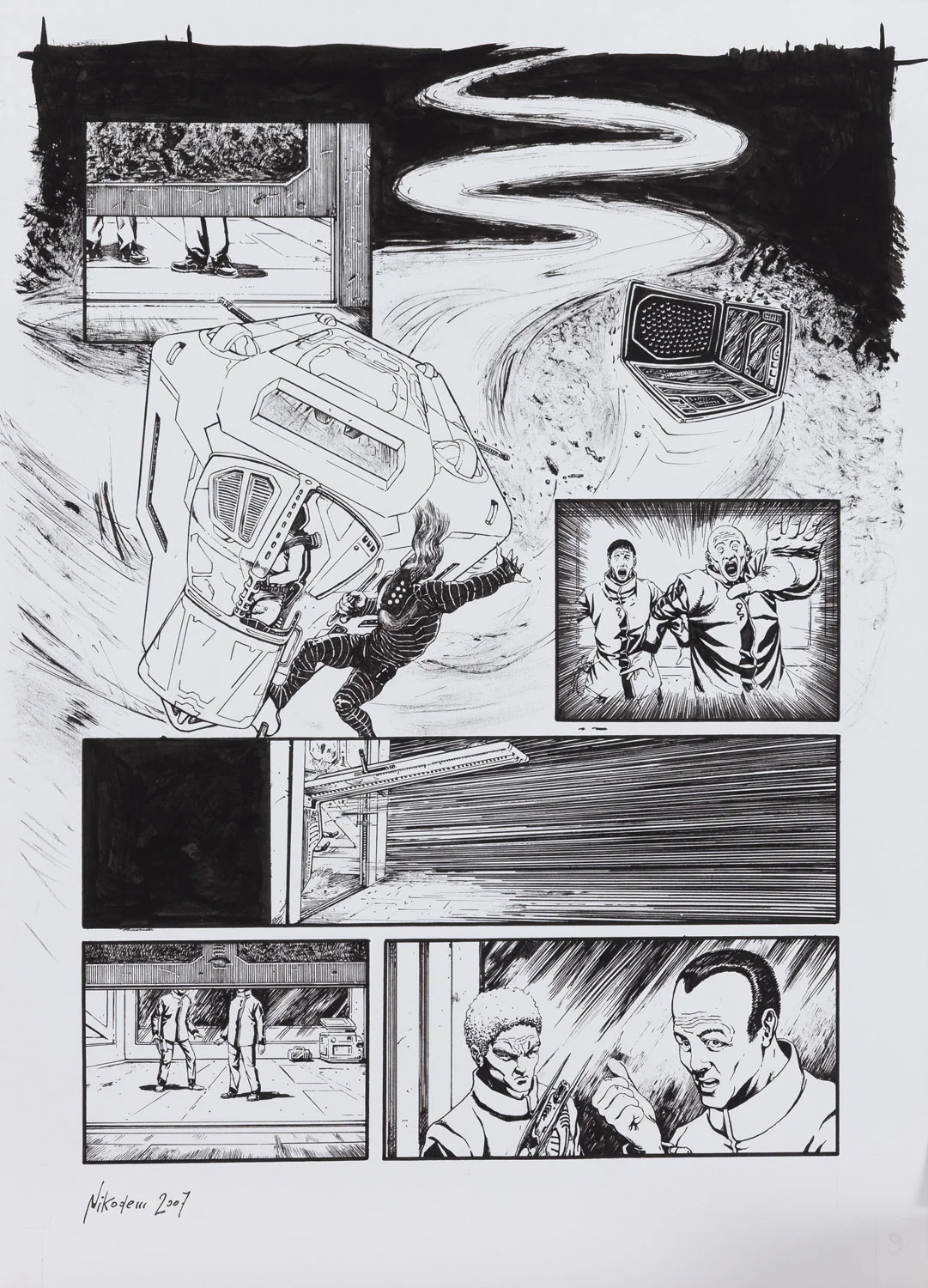
Finding and acquiring original comic boards can be a demanding task. It often requires tracking auctions, attending comic conventions, or establishing connections with other collectors. But for many enthusiasts, it's an effort worth making because each new board adds a new dimension to their collection.
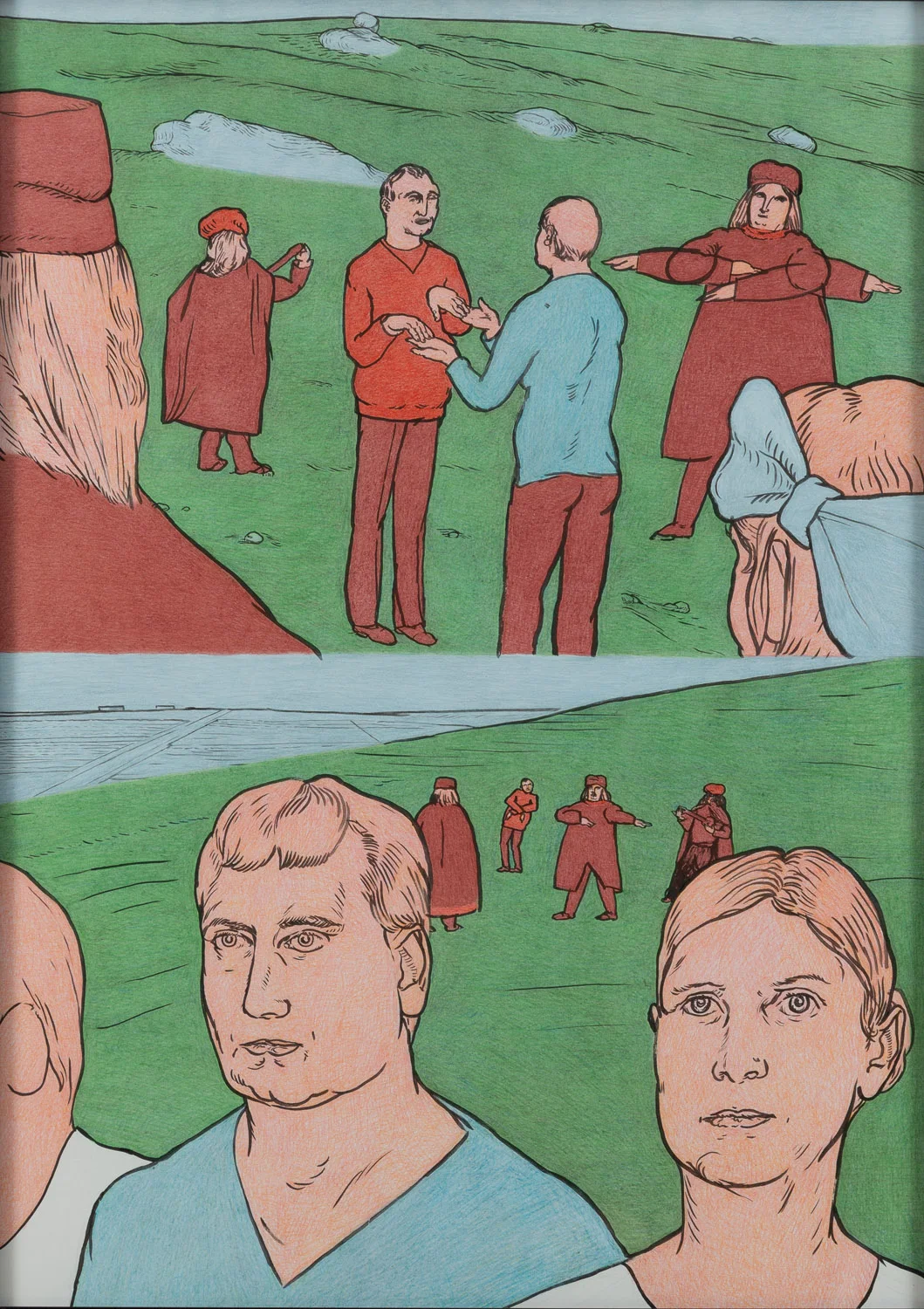
Collectors of original comic boards value not only the aesthetics and techniques used in their creation but also the emotions and history they carry. Each boards can witness many hours of the artist's work and the creative process that led to the creation of a specific comic.
Ultimately, collecting original comic boards is not just about gathering items but also about building bonds with favorite works and their creators. It's a passion that allows for the joy of discovery and sharing the fascinating world of comics with others.