
Stanisław Kamocki. Arts Vagrant
Stanisław Kamocki is considered to be the most talented student of Jan Stanisławski.
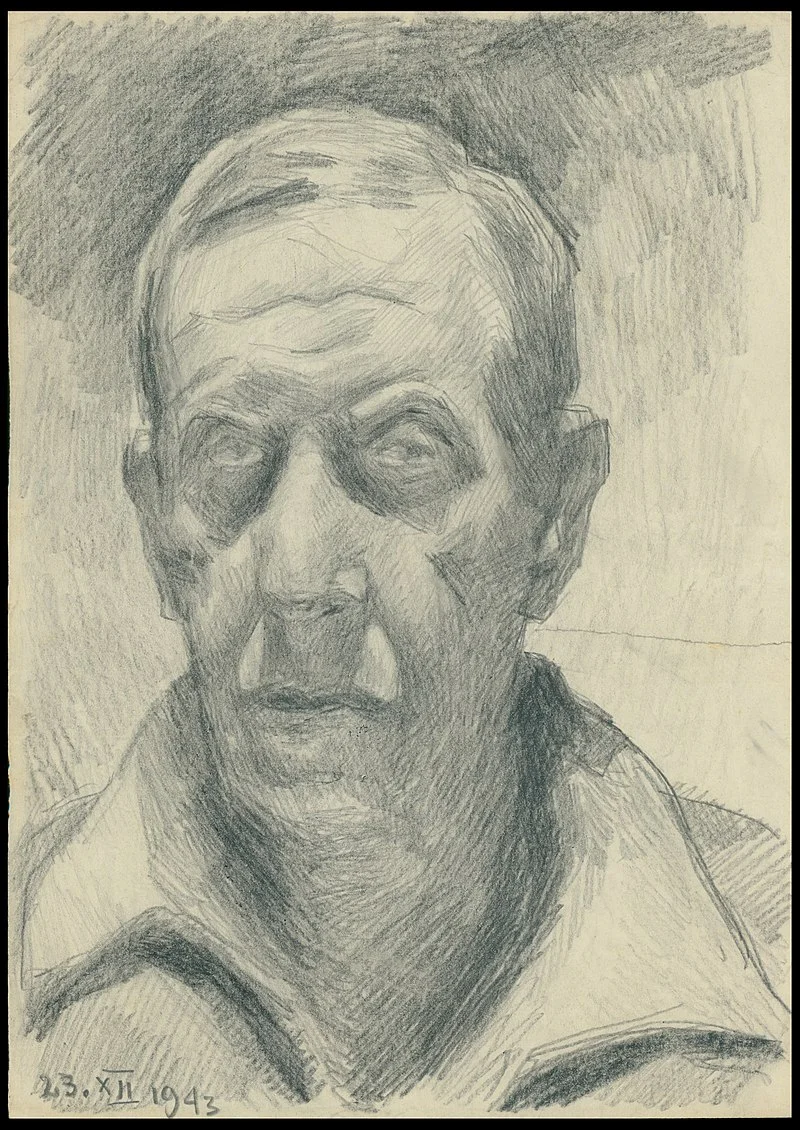
"Stanisławski's students took the master's words fervently and took from him such a deep and nervous love of the Polish countryside, treating it as if it were to soon disappear from the face of the earth" (Antoni Chołoniewski, Nasz artists. Stanisław Kamocki, "Świat" 1909, No. 11, p. 3). No wonder that this is what they did when they heard the words from the professor: "Paint, gentlemen, the Polish countryside, because maybe in a few years it won't be there" (Jan Stanisławski, quoted in: Stefania Krzysztofowicz-Kozakowska, Jan Stanisławski and his students, Krakow 2004, p. 26).
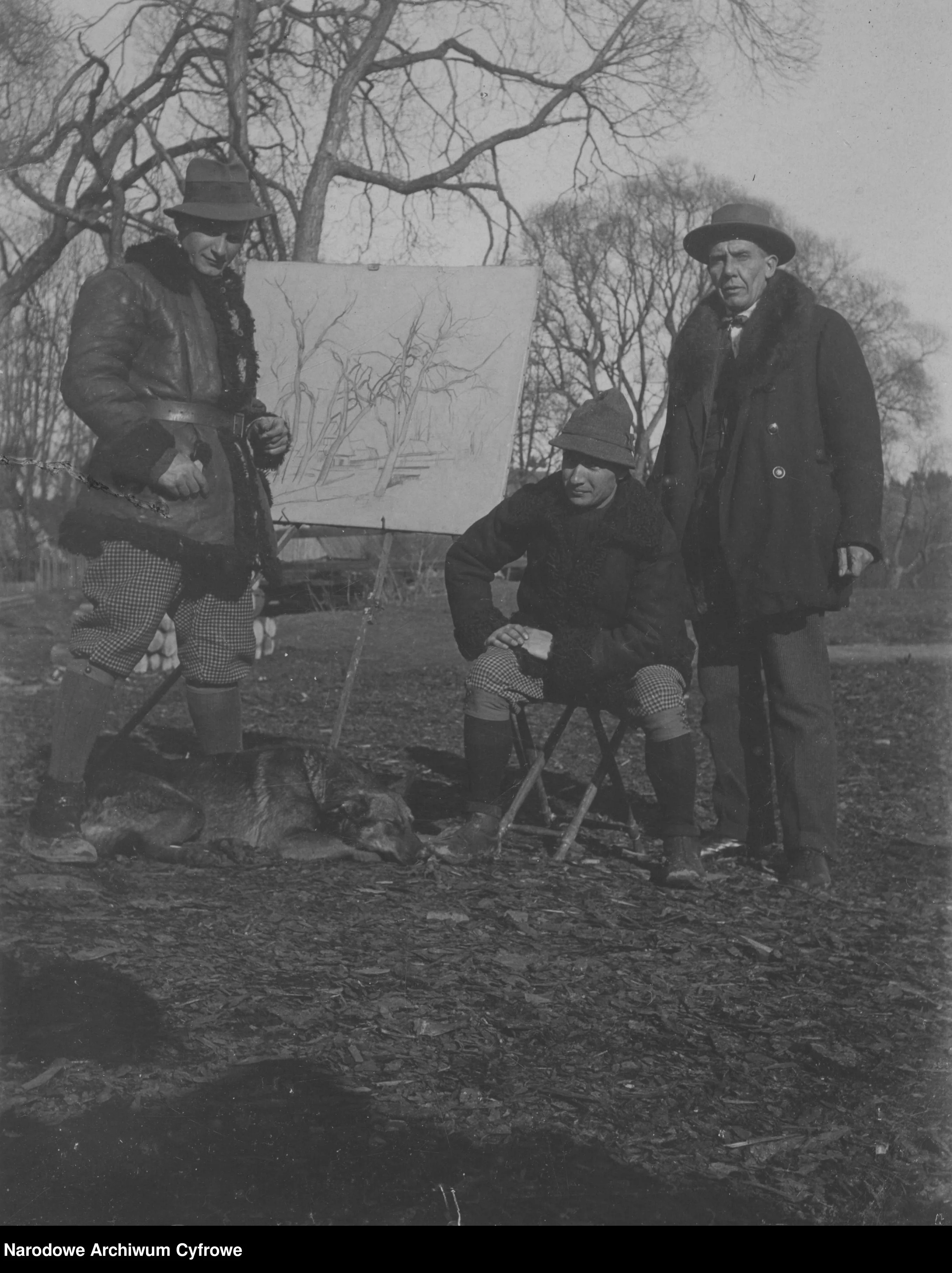
Jan Stanisławski is considered to be the founder of the "Krakow Landscape School". As a professor at the Krakow academy, he radically reformed the way of teaching, taking his students out of the studio and teaching in the open air; he conducted classes in the Botanical Garden and in Jordan Park, he painted views of Tyniec, Tenczynek, Krzemionki and Dębnik with students, he went to Zakopane. Teaching them the importance of a direct relationship with nature and at the same time searching for the metaphysical essence of being under the changing surface of the phenomena of nature, Stanisławski left an indelible mark on Polish landscape painting. Many of the systematic field trips remain a regular practice at the Academy of Fine Arts in Krakow to this day.
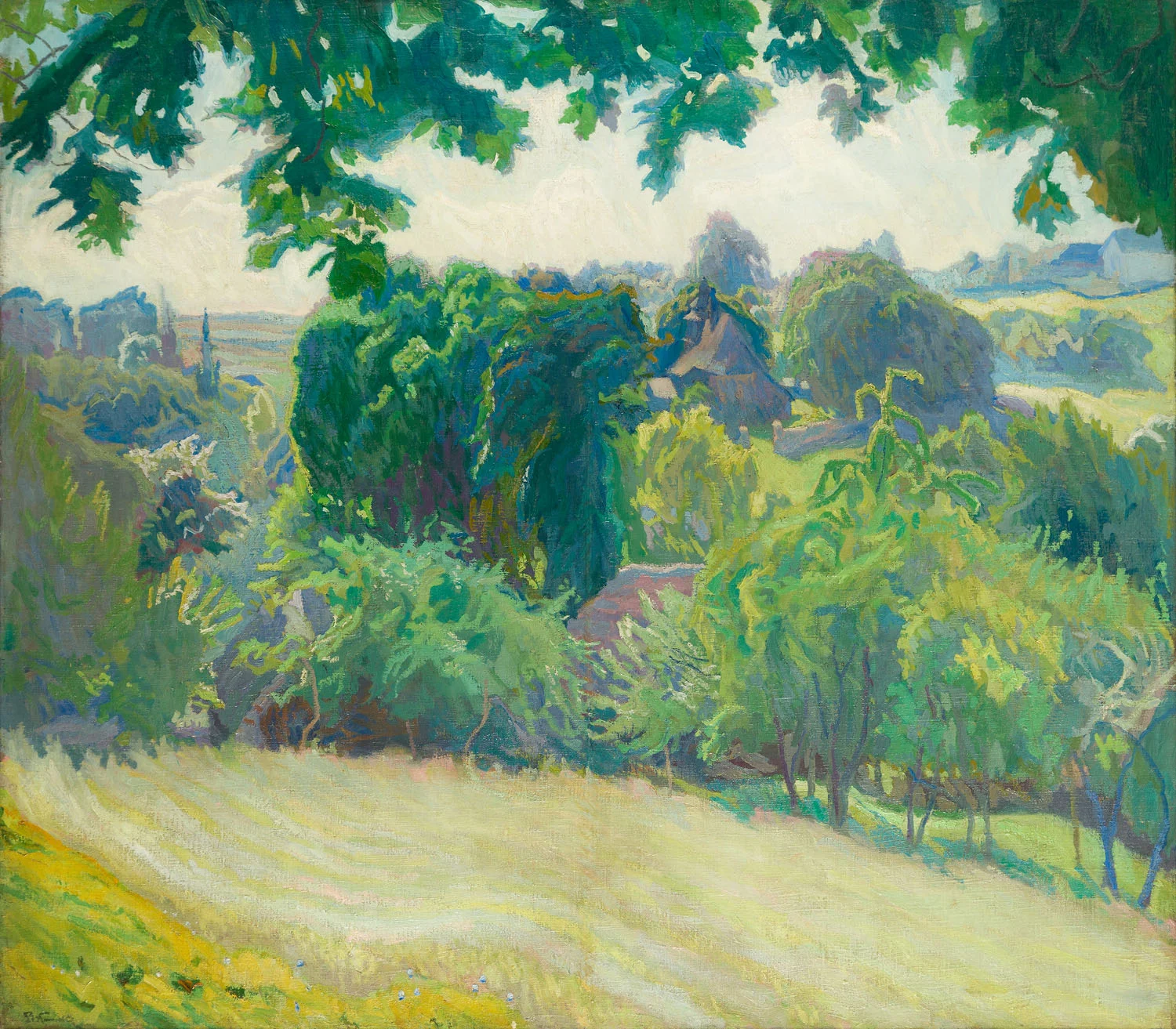
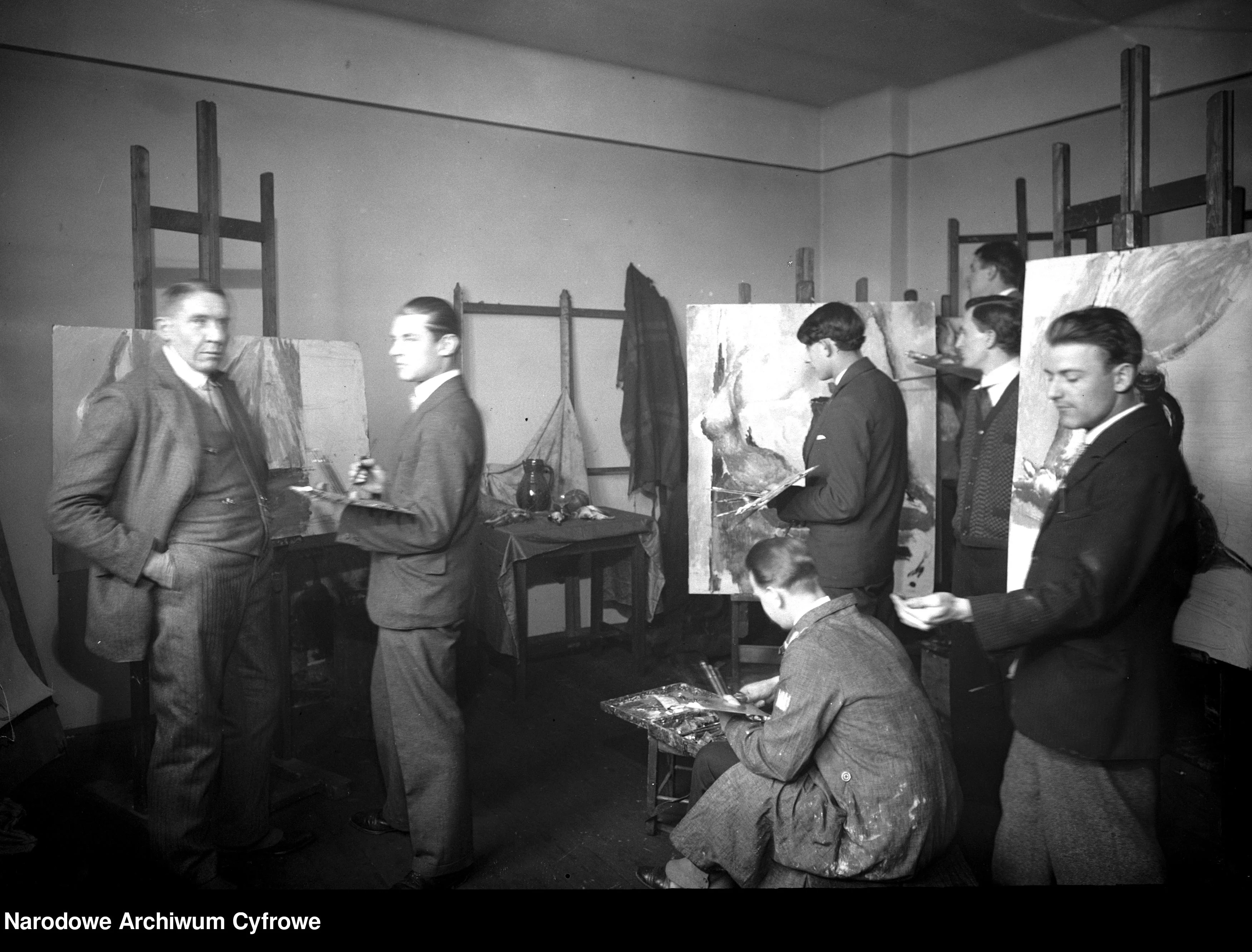
Stanisław Kamocki graduated from the School of Fine Arts in Krakow under the tutelage of Florian Cynek, Józef Unierzyski, Leon Wyczółkowski, Jacek Malczewski and Jan Stanisławski. Thanks to the scholarship, he continued his studies in Paris. He also visited Italy, Germany and Switzerland. In 1919 he took over the landscape department at the Academy of Fine Arts in Krakow. As a teacher, Kamocki continued Stanisławski's program by organizing landscapes. He inherited a love of nature from his master as well as the sensitivity of observation, and an emotional attitude towards the landscape of the Polish countryside. Hence the motifs that often appear in his paintings: cornfields, potato fields, haystacks, trees, manors, village churches seen at different times of the year. He searched for these topics while wandering the villages of Podola, Wołynia, Spisz, and especially in the regions of Krakow and Podhale. "An essential, indigenous feature of Kamocki, the philosophy of his art is the pursuit of clarity and serenity, emphasizing what is conducive to life, which makes it joyful and alluring, which beautifies and elevates it, and this note vibrates strongly in all his works" (Antoni Chołoniewski , Our artists. Stanisław Kamocki, "Świat" 1909, No. 11, p. 4). The artist was particularly keen on painting areas near Krakow, Tatra landscapes, cereal fields and lush gardens full of wild flowers.
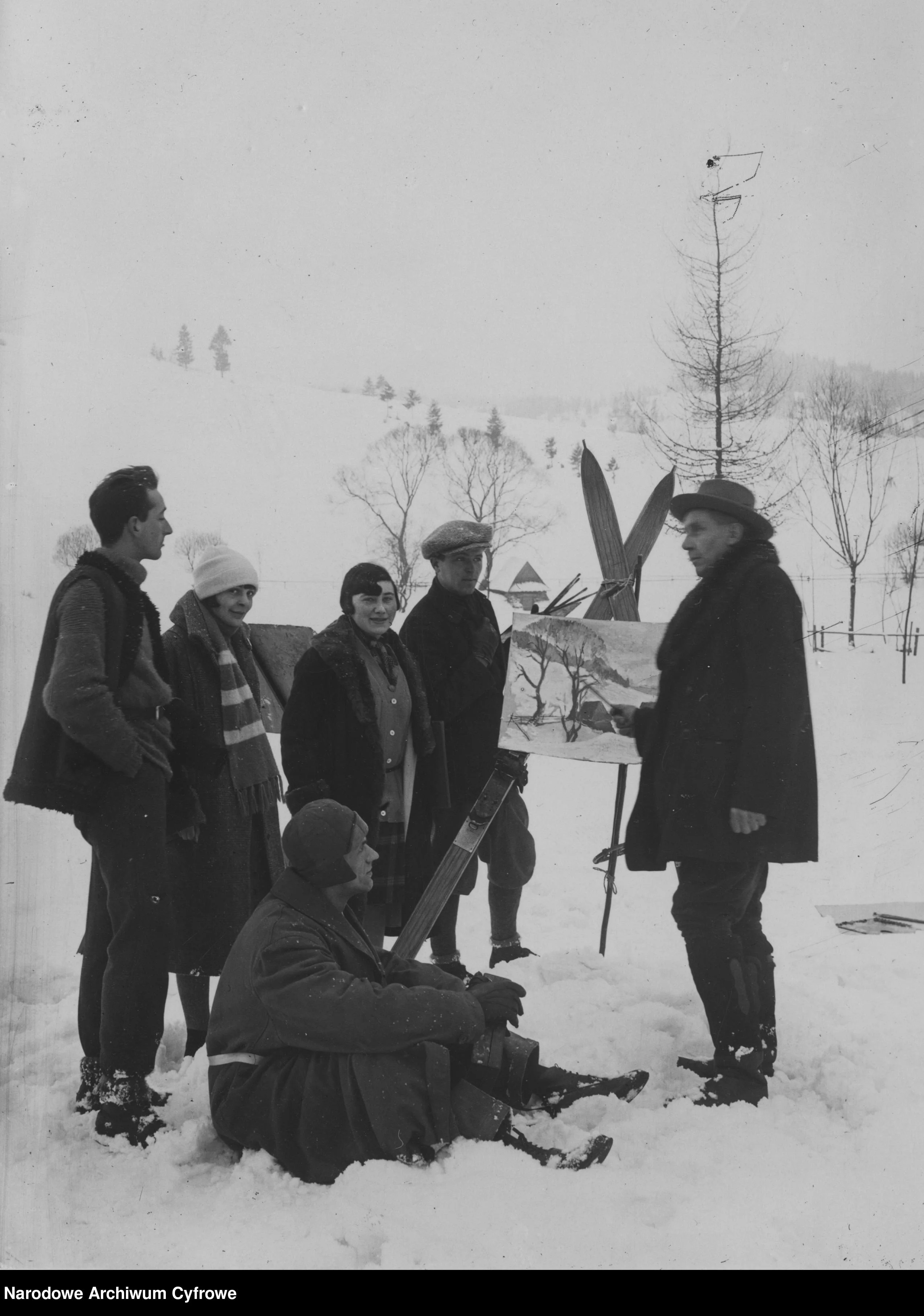
Stanisław Kamocki was remembered by the following words: "He spends his free time wandering through the lost villages, working tirelessly. He drives, walks, paints, collects piles of sketches and notes. internal contradictions, struggling in constant search, unable to free himself from the enchanted circle of his present day "(Exhibition of paintings by Stanisław Kamocki, Central Bureau of Art Exhibitions of the Association of Polish Artists and Designers, Zachęta, Warsaw, March - April 1951, item 13, pp. 5-6).
The work of Stanisław Kamocki is extremely diverse and full of progress. When the artist was directly related to the Young Poland movement, his works abounded in symbolic and philosophical motifs. The painter achieved the expression of the painting through the form, saturated colors, densely applied oil paint, which allowed for the effect of a fleshy painted surface. He operated with a not too wide range of colors. In summer landscapes he used heavy greens with not very strong value. He usually used local colors and remained faithful to the subject. The artist was also no stranger to correlations with Art Nouveau aesthetics, where landscapes in muted blues were characterized by wavy and decorative lines, and non-obvious framing. Later, the paint was applied sketchily, with wide brush strokes, giving the paintings a matte surface.