
Panorama Kossak
This year's "The Kossak Family" auction features the artwork of the most significant members of this family of painters-Juliusz, Wojciech, and Jerzy. The selection of works includes well-known and popular themes as well as entirely original compositions with high historical and collectible value.
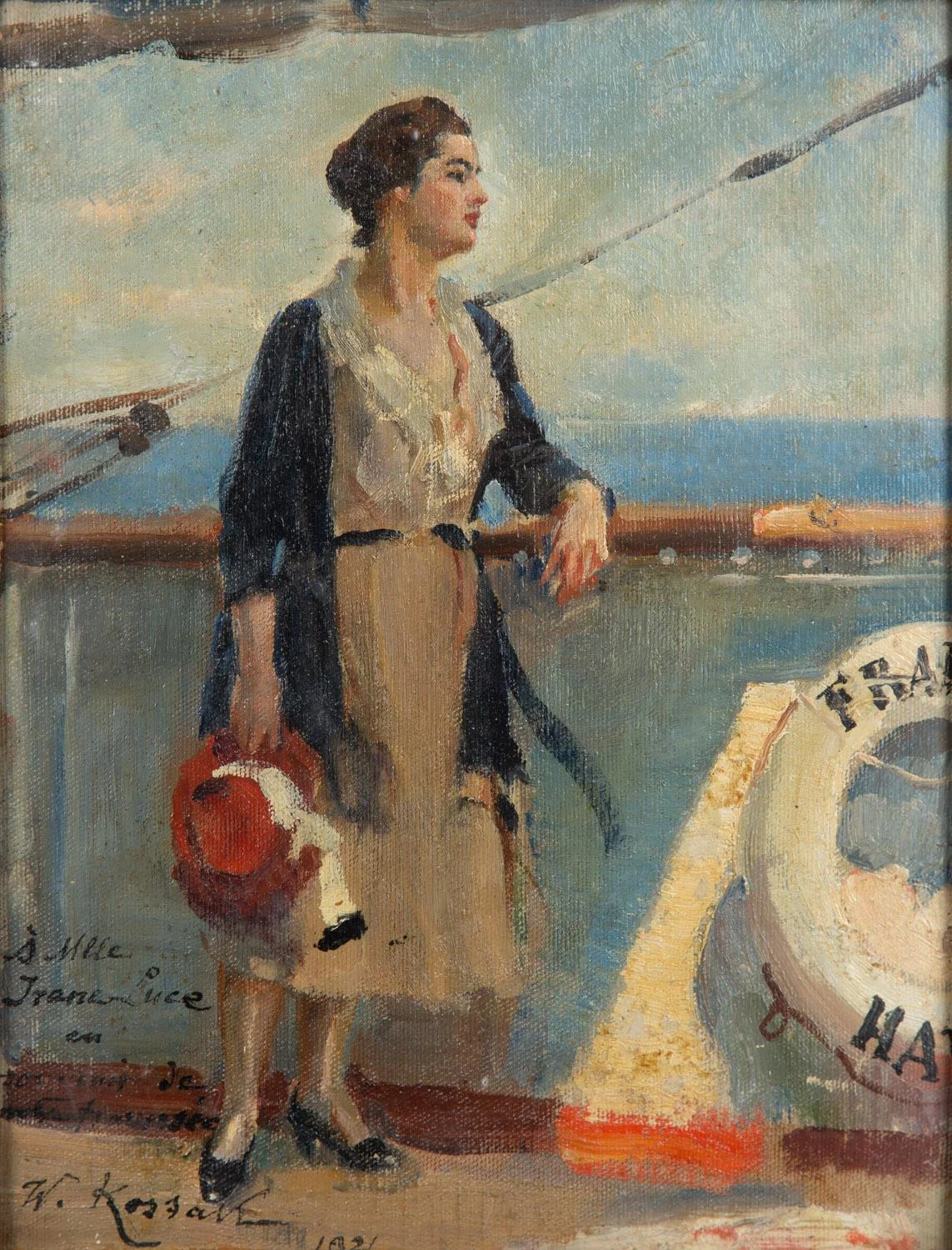
DESA Unicum's auction, which is going to be held in Sopot by exception, presents you with a unique "Portrait of Opera Singer Irena Luce on Ship's Board" by Wojciech Kossak, painted in 1921. The portayed Irena Luce was a well-known soprano singer at the Warsaw Opera. She and Wojciech Kossak had a long-standing friendship, which led to the artist painting the woman in several of his portraits. The singer later married Wilson, an American with whom she moved to Paris. Another original work offered at this year's auction is "Prayer at the Desert" by Jerzy from 1933. This work stands out in the Kossak family's relatively uniform thematic oeuvre because it presents a subject that is unrelated to the usual patriotic compositions. Wojciech himself, who created oriental paintings inspired by his travels to the regions of North Africa, is likely to have had an influence on this exotic motif.
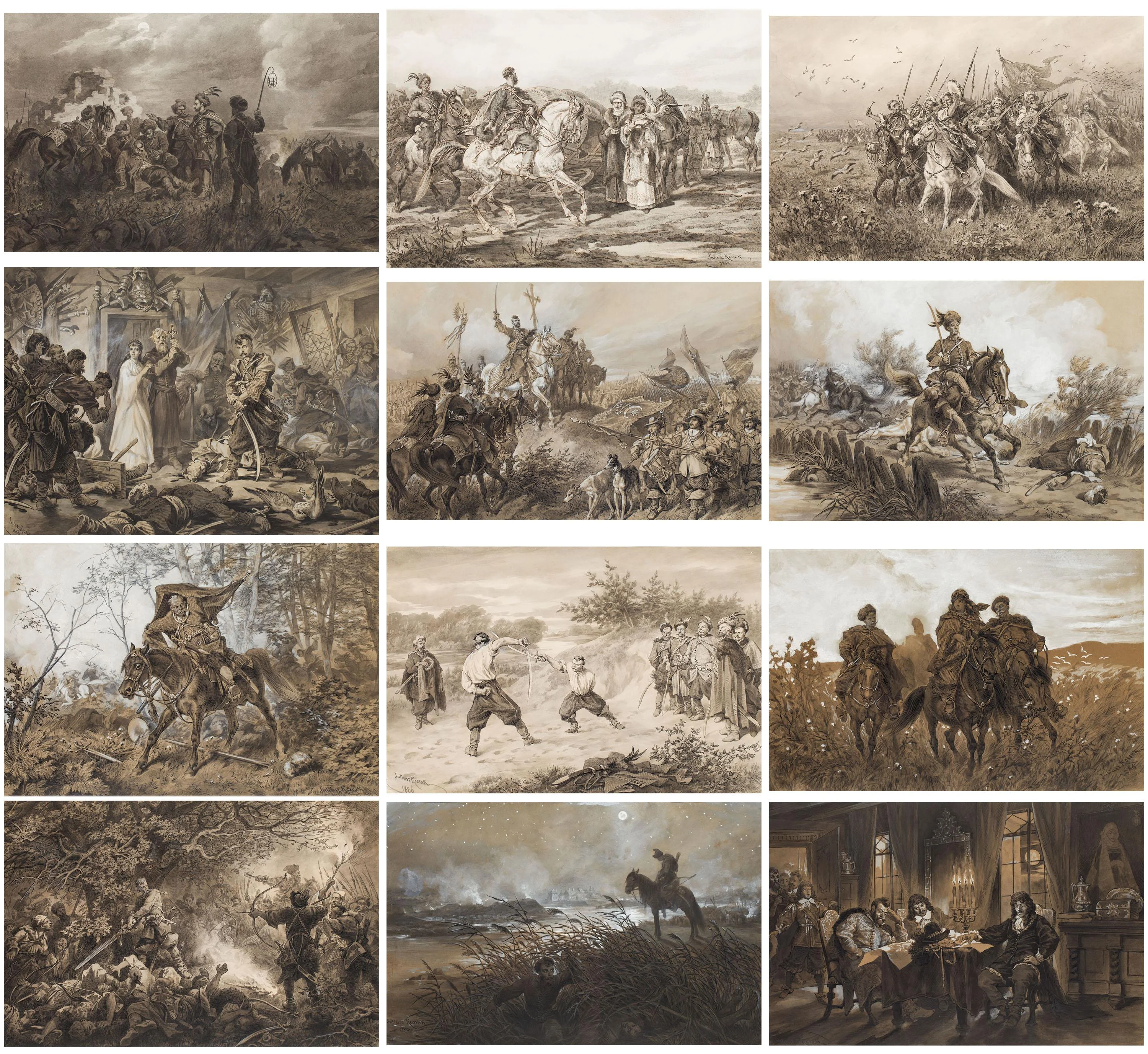
We also present you with a particularly noteworthy work of art by Juliusz Kossak, which is the only painting by this author available at our auction. "With Fire and Sword", a cycle of 12 compositions for Henryk Sienkiewicz's novels from the years 1885–1866, is a collection of the first illustrations created for Sienkiewicz's trilogy. It depicts scenes like Longinus Podbipięta's death or Wołodyjowski's duel with Bohun, which have become indelible elements of Polish culture. The works are of high artistic value and are appreciated even more today after being deemed missing for some time.
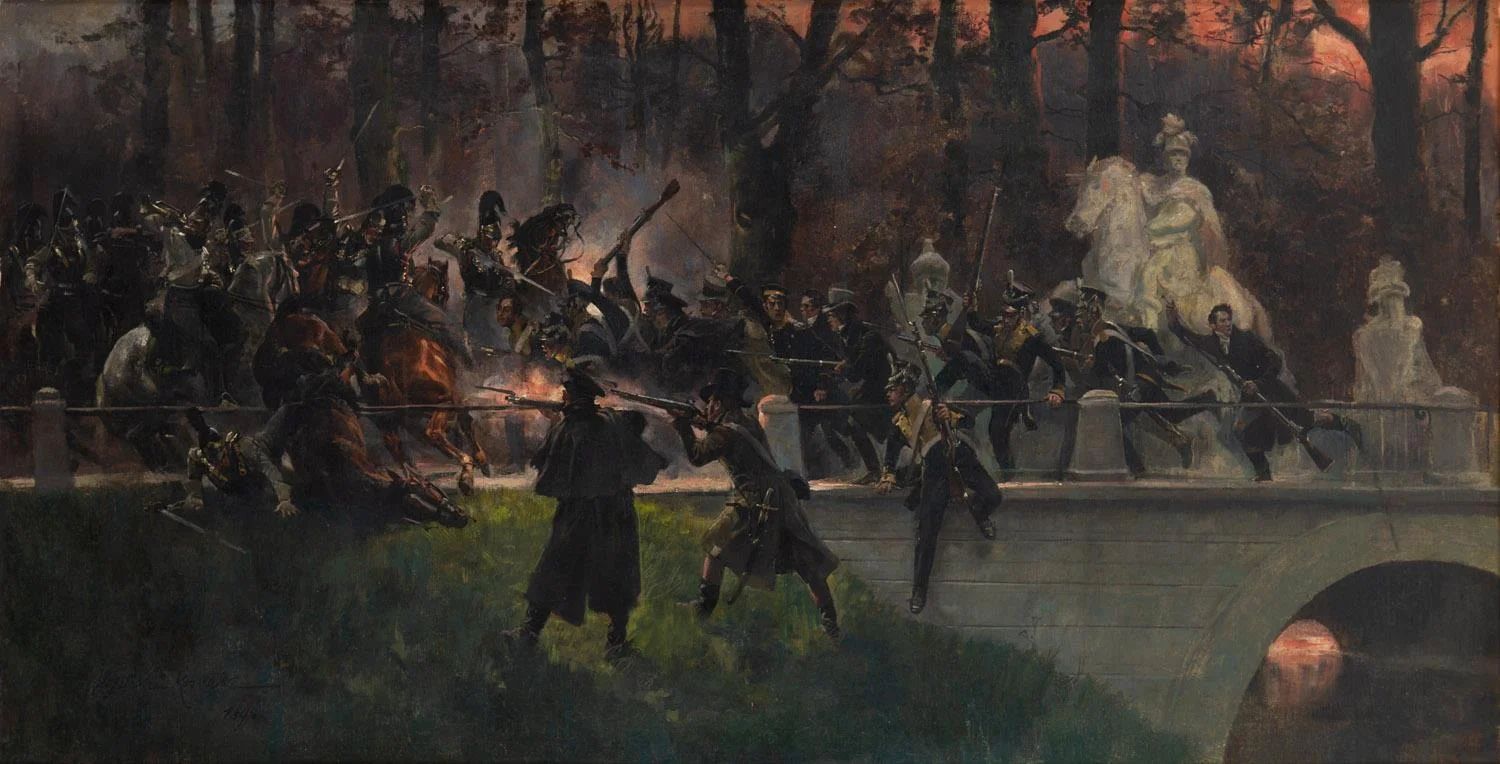
Compositions presenting the Napoleonic cycle and insurgent themes constitute a separate painting group. "November Night" by Wojciech Kossak from 1898, is one of the most important works by this painter. It depicts a clash between insurgents and Russian forces during the November Uprising, one of the most significant Polish historical events. The scene takes place on the bridge in the Łazienki Królewskie Park, with King Jan III Sobieski's statue visible in the background. Jerzy Kossak's paintings "Napoleon near Moscow" from 1922 and "Napoleon's Retreat from Moscow" from 1940 demonstrate that, despite the years, the artist's interest in the subject of the struggle for independence did not diminish. In keeping with family tradition, he painted episodes from the Napoleonic Wars, making a reference to his father's works.
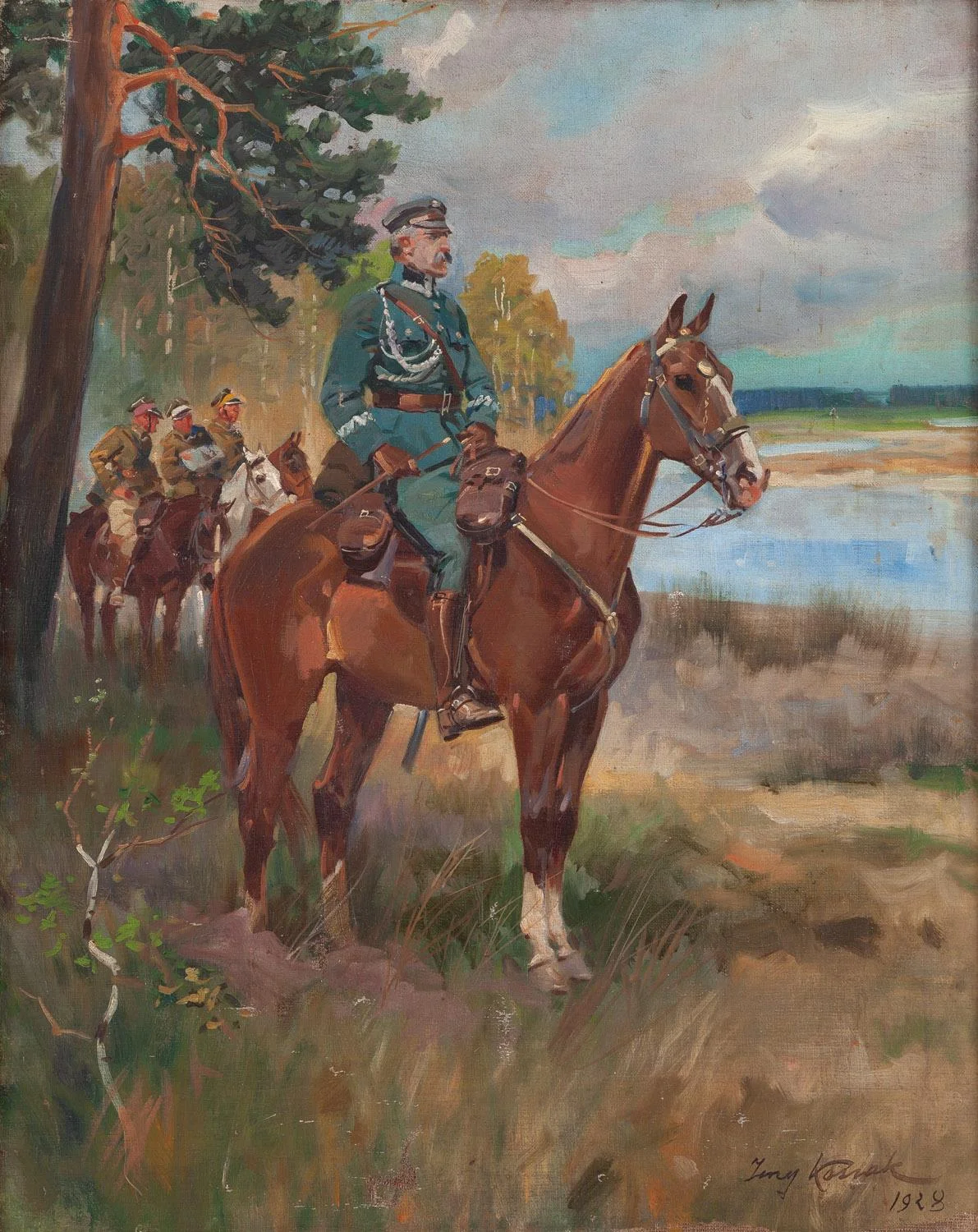
The painting "Pisudski on Kasztanka" is one of the auction's equally unique works. It is noteworthy to take a deeper look at the soldiers of the Polish Legions, genre scenes featuring Uhlan cavalry and peasants, as well as depictions of horses. Such representations are clear allusions to Polish culture. The Kossak painting circle created a variety of such compositions, presenting horses, the military, and rural girls. The works of Wojciech and Jerzy depict Uhlan cavalry encounters with girls by wells or fences, as well as hunting and scouting, against the background of forests, vast fields, or cottage houses with thatched roofs.
In many instances throughout Poland's history, Kossak's artwork served as a medium to exalt national ideals, which has been just as crucial during the era of freedom. Juliusz Kossak perfectly portrayed battles and horses. Wojciech and Jerzy broadened their interests by making depictions of Polish cavalry life, exploring folklore motifs as well as exotic or even fairy tale themes. Their artwork was distinguished not only by the popular subject matter but also by superior painting mastery. That explains why their work is still valued today.