Painting – Guide to Techniques
Painting is the most well-known form of creative expression. Over the years, as artists' needs have changed, new styles and movements have emerged, and technological advancements have occurred in the market, a wide range of tools have appeared, allowing for the achievement of various painting effects. In this article, we will primarily focus on paints and other creative materials that provide artists with the greatest freedom.
Painting allows the artist to make the most corrections. Drawing, printmaking art, or stone sculpture, on the other hand, are governed by fixed and strict rules. Once a mistake is made in any of these fields, it is not easy to conceal it. In painting, however, the surface is almost always ready for change. We are not inclined to describe painting as an easy and forgiving medium for every wrong move, but we consider it undoubtedly the most flexible and capable of producing a multitude of creative effects. While browsing through another interesting auction offer, whether in the field of contemporary or classical art, it is worth examining the techniques and differences that can be observed in the viewed artworks.
Oil
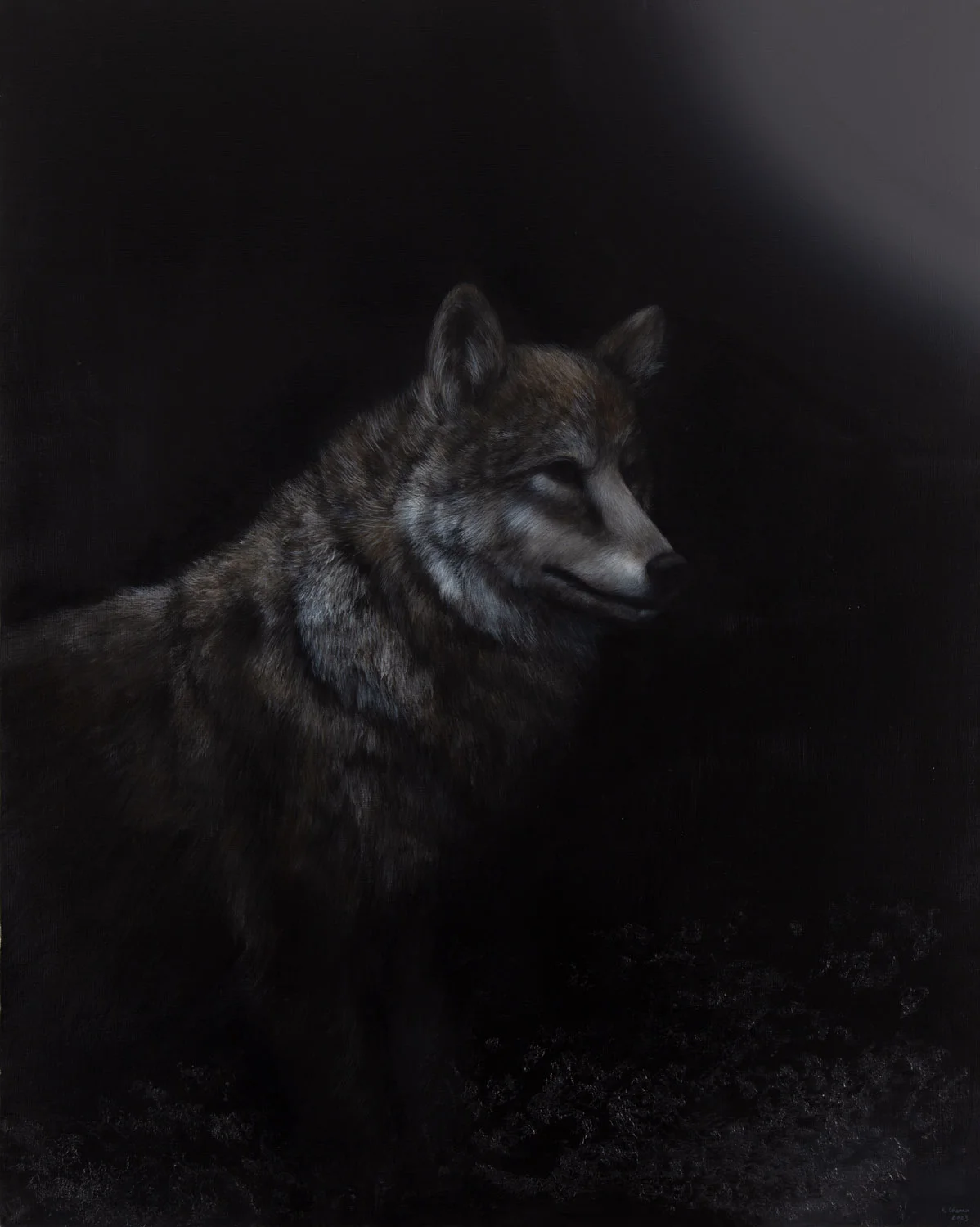
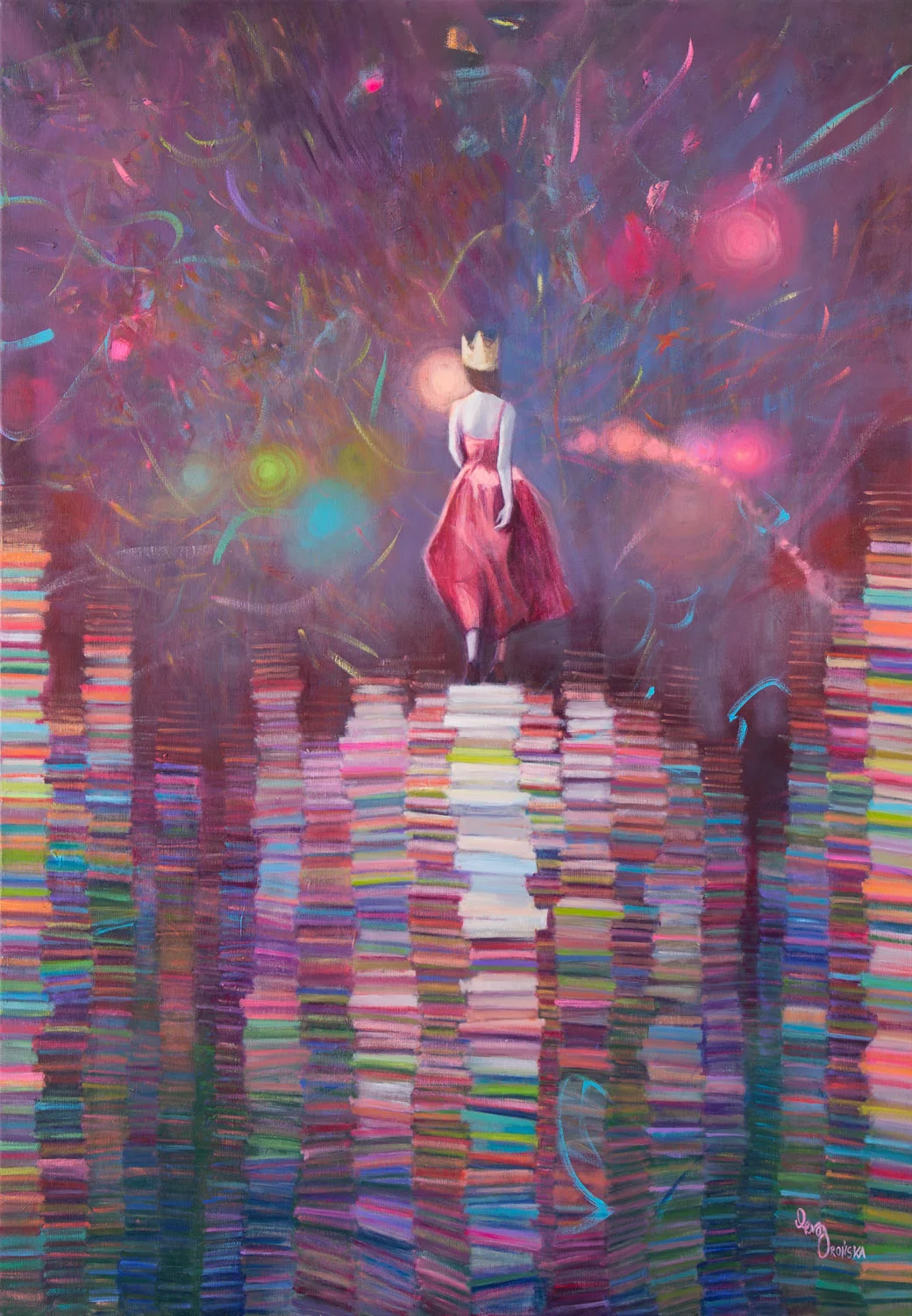
Oil painting is the most noble of techniques. Its fundamental technical characteristic is the base – oil. Oil paints are essentially pastes of ground pigments mixed with a fatty base. Linseed oil is most commonly used as the base, but poppy and hemp oils are also popular. Consequently, the solvent for these paints is not water but turpentine or petroleum. Due to their oily base, oil paints take a long time to dry. This is, on the one hand, a great advantage as it allows for a lot of freedom in creating and easily produces semi-transparent effects; on the other hand, it requires patience both during work and after its completion. Paintings done with thick layers of oil can take several months to dry. The oil technique, thanks to its consistency, allows the artist to create impastos – thick, raised layers of paint that give the image texture and enhance the painterly effect. From a collector's perspective, the greatest advantages of oil painting are its exquisite execution, depth, richness of colors, and exceptional durability.
Acrylic
Acrylic painting is currently the most popular art technique. The base of acrylics is water, which makes the paints easily dissolve and dry. They allow for quick work and the use of vibrant colors. Interestingly, holographic pigments (pink, orange, yellow, and green) do not effectively mix with oil bases, and they could be obtained thanks to acrylic paints. Acrylics, like oils, work well on canvas and wood panels. They can also be used on paper or cardboard, where oils would not adhere. The downside of acrylics is their lower resistance to external conditions and the difficulty of achieving the delicacy of the sfumato technique and creating impastos typical of traditional oil painting.
Watercolor
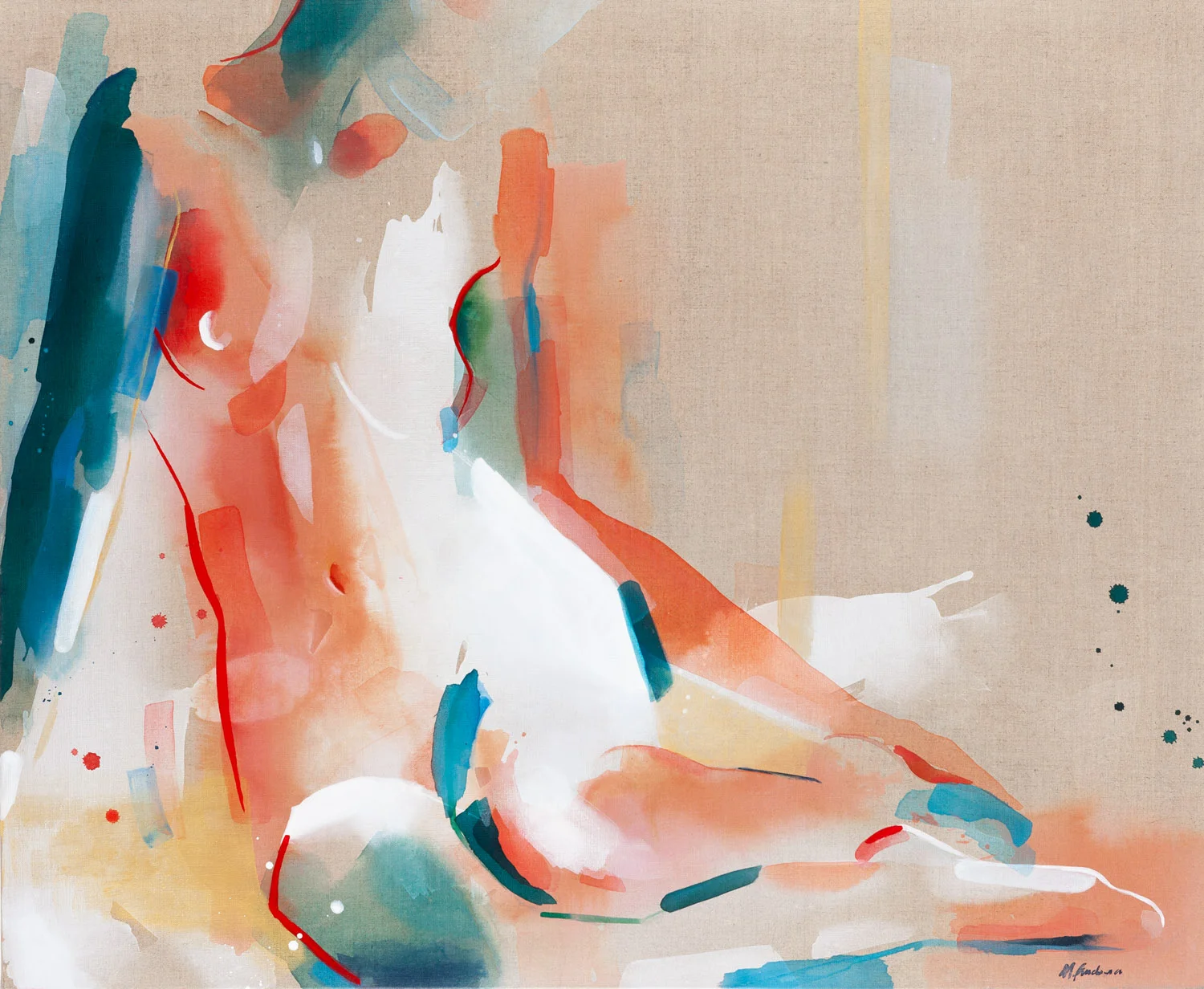
Watercolor paints are another type based on water. In this technique, paper, usually specialized and textured, is commonly used as the support. Painting in watercolor involves gradually applying thin, semi-transparent layers of paint through which we can see the support. This technique is considered one of the more challenging ones, as it requires precision and accuracy in applying the paint to the paper, which, due to its properties, presents difficulties in making corrections. Watercolor is also a medium capable of creating effects that are unpredictable even to the artist. Thanks to the delicacy of the pigment, watercolor allows for the attainment of extraordinary subtlety and evanescence in the artwork. When purchasing watercolors, it is important to remember that they are particularly susceptible to light and fading. Prolonged exposure to sunlight can even lead to their complete disappearance.
Gouache
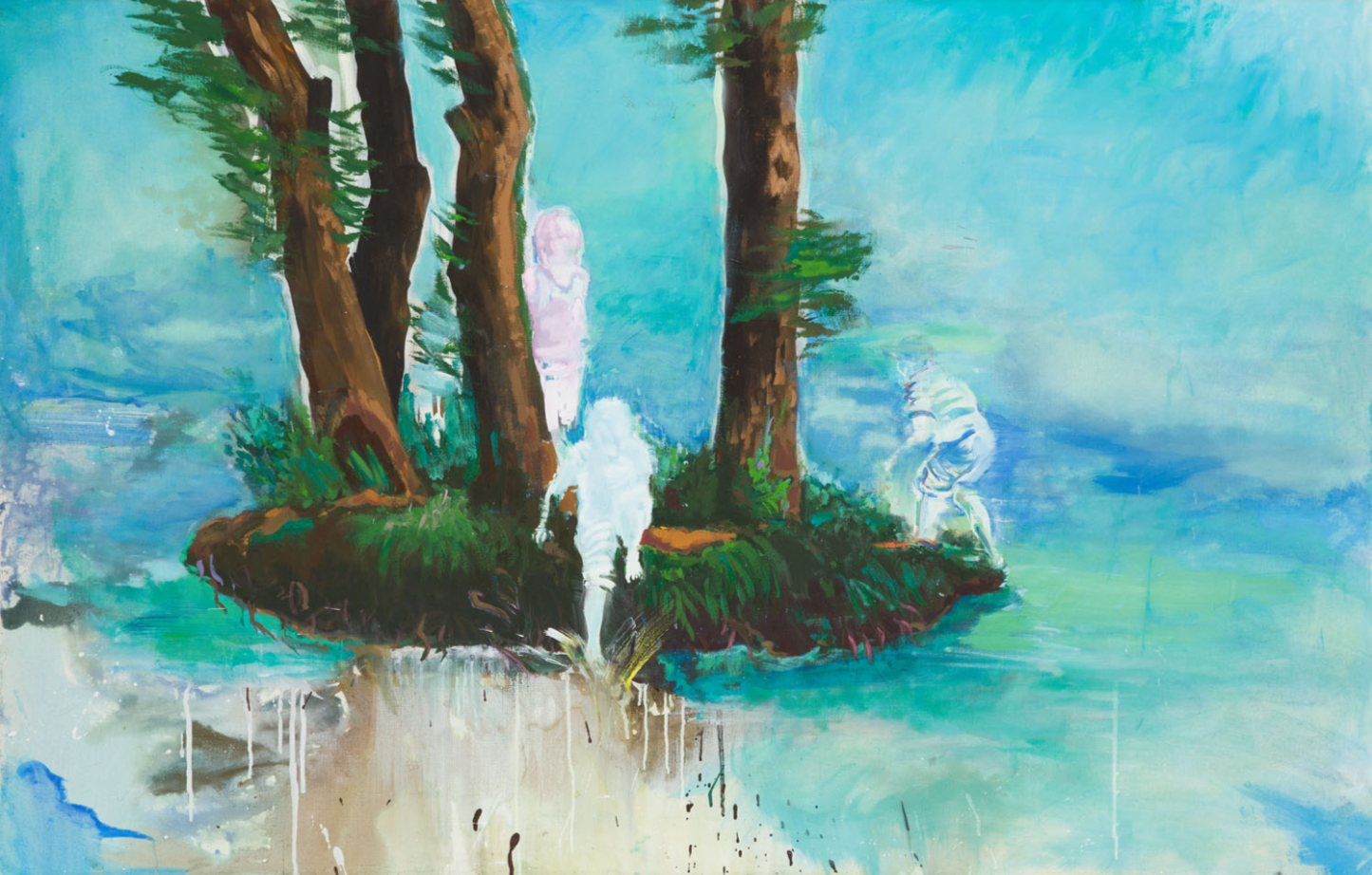
Gouache is also a water-based paint, very similar to watercolor. The only difference is the addition of white pigments (such as zinc white or lead white and chalk) to the paint, which increases its opacity. After drying, gouache loses some of its intensity, but its colors remain vibrant. Before applying the paint, it is necessary to properly prime the surface (typically paper or cardboard) to prevent excessive absorption of the paint. Gouache is also susceptible to sunlight, so it is important to protect it with varnish and display it in shaded areas.
Tempera
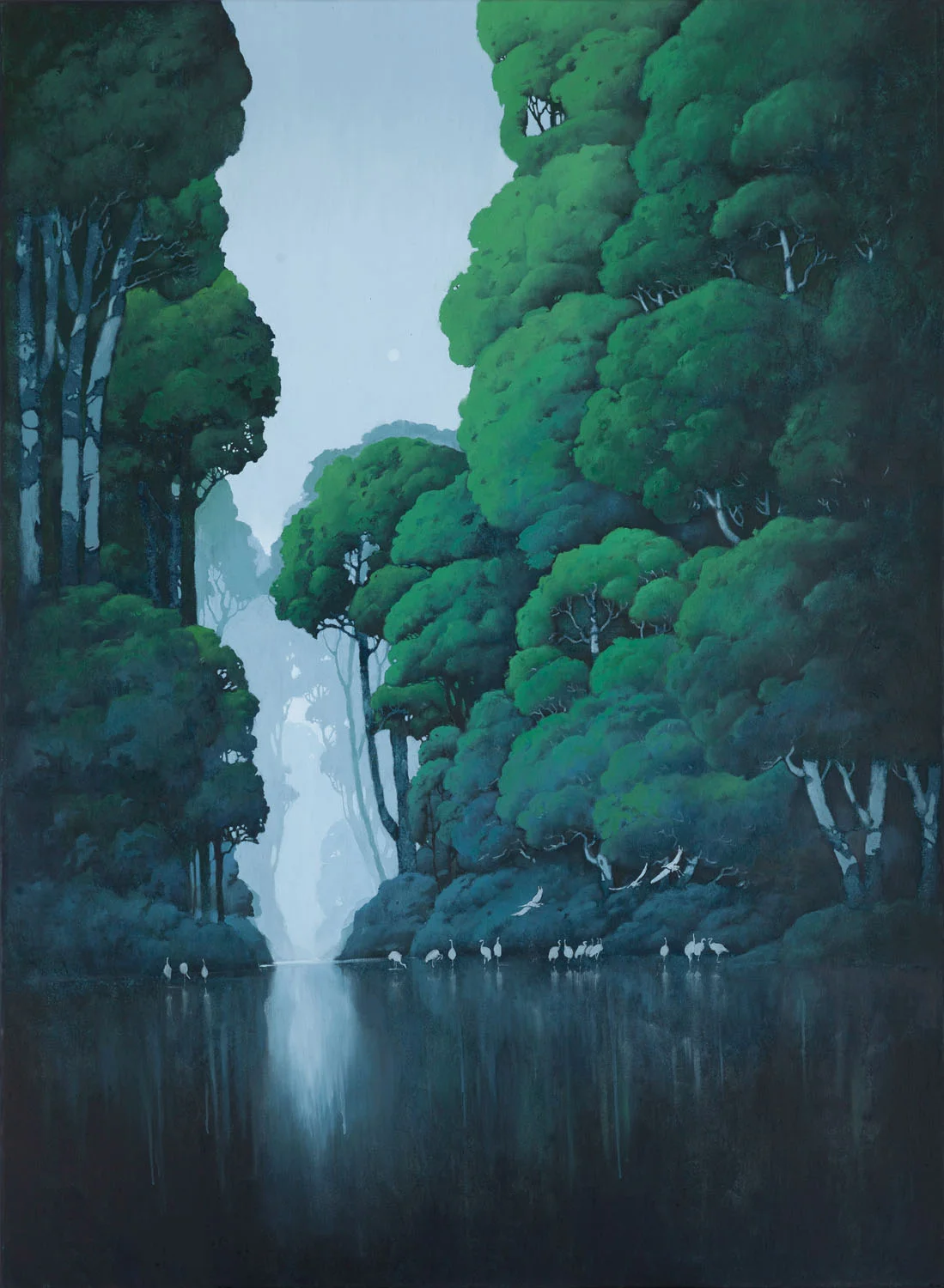
Tempera is a technique that combines the above-mentioned methods. Its binder consists of emulsions, which are water suspensions in oil or oil suspensions in water. It is a technique that can be used on both paper and in easel painting, wall painting, or polychrome works. Depending on the binder, we distinguish egg tempera, gum tempera, casein tempera, resin tempera, and many others. This technique is characterized by precise lines, quick drying, retained flexibility after drying, and the possibility of creating glazes and opaque layers. Another advantage of tempera is its fast drying and the unnecessary use of a primer. Tempera is the oldest painting technique, used, for example, in icon painting.
Personal and mixed techniques
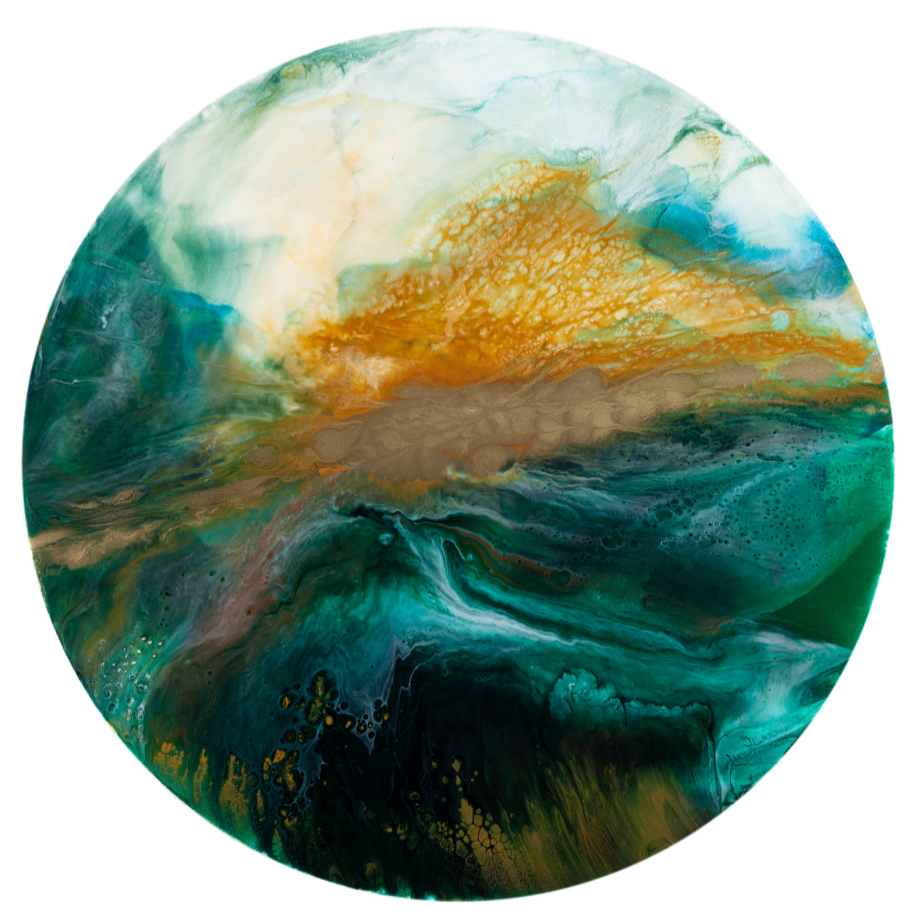
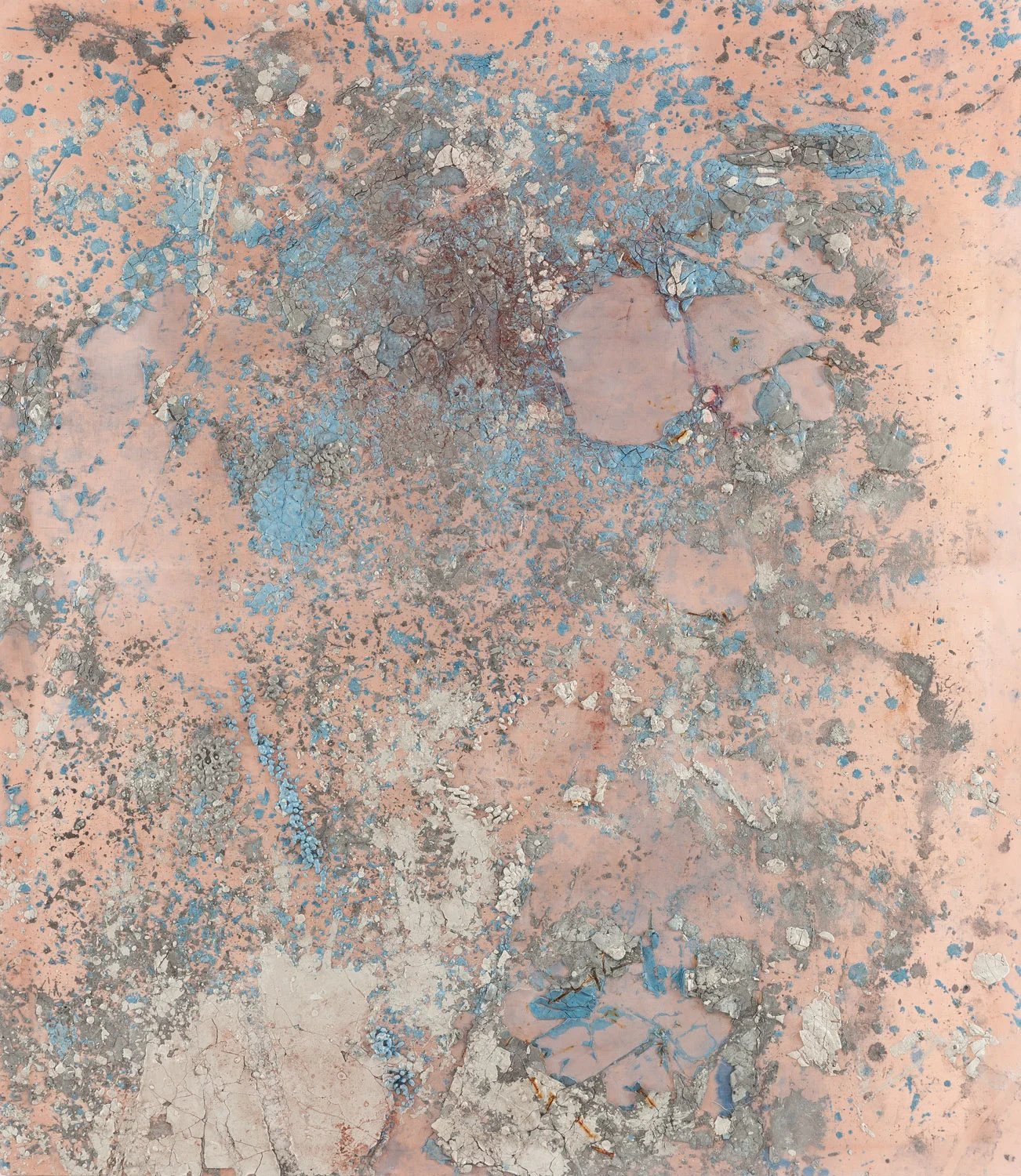
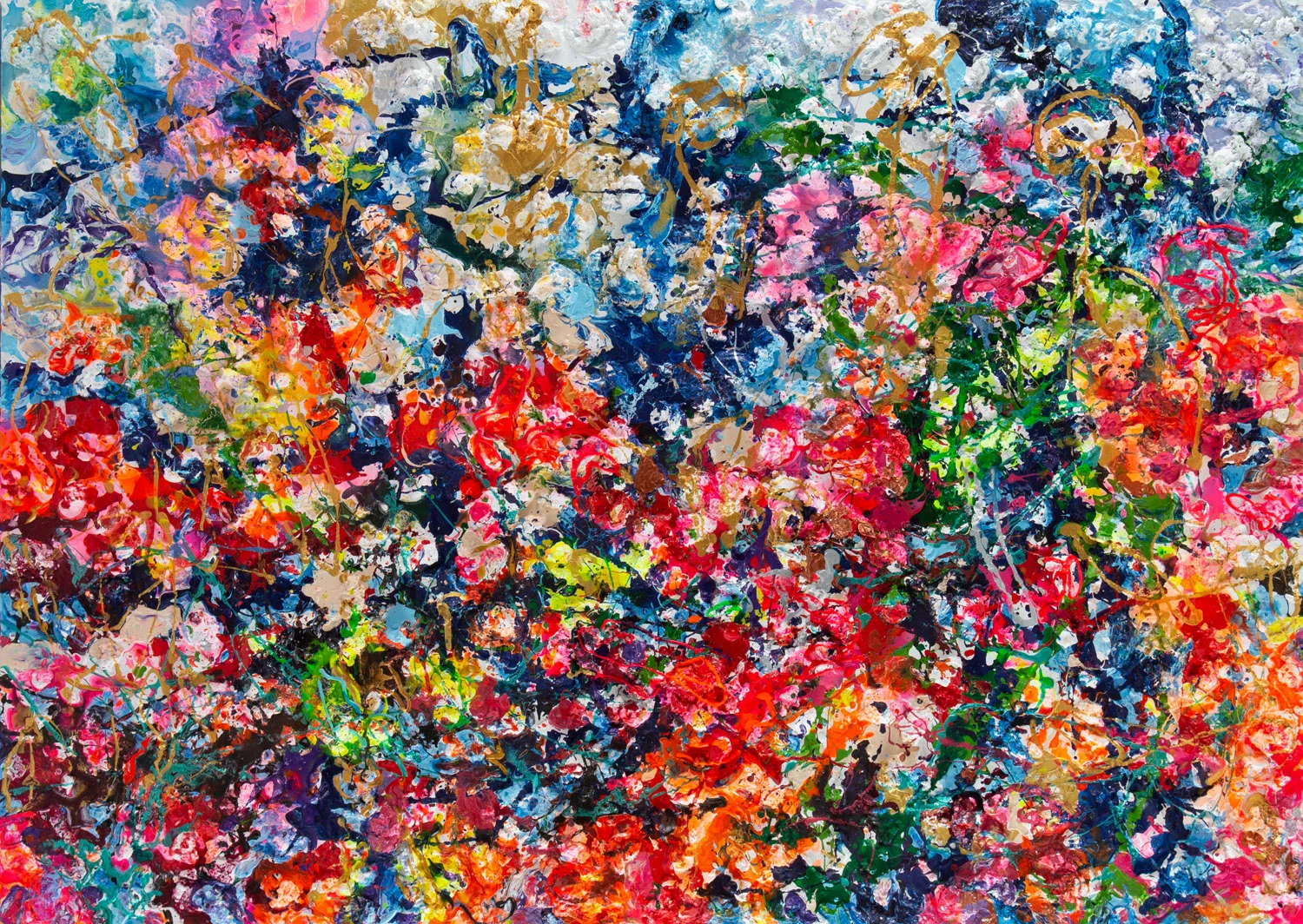
Finally, we have the broad category of personal and mixed techniques. Many artists combine different types of paints in their works and often use non-painting materials as well. Since the 20th century, collage (sometimes highly dimensional), industrial pigments, and various structural masses have appeared in painting. Jackson Pollock was a pioneer in using industrial paints and varnishes in painting, and with the introduction of action painting, he changed the perspective of traditional painting techniques. In contemporary art, heavy paintings that resemble bas-reliefs can often be seen. Their surfaces are covered with gypsum mass enriched with sand or resin. In recent years, particularly popular spatial techniques include the aforementioned epoxy resin, which allows for achieving a glass-like effect on submerged surfaces, and metal leaf, which best captures the illusion of gold. On canvases, one can also find materials completely unrelated to the traditional concept of a studio. Expressive textures are now formed using insulation foam, metal sheets, or plastic.