
Neo-rococo
Monika Zabiełowicz
The rococo aesthetic revived its “renaissance" in 19th century Europe. It spread throughout different areas of art – painting, and architecture but also interior design. The sudden admiration for the rococo style reappeared in the second half of the 19th century – only 70 years after it went out of style.
The rococo style – just like its later version – was expressed most fully through objects of a utilitarian and decorative value. In the 18th century, the rococo stylistics dominated craftsmanship, especially the French craftsmen. King Louis XV - along with his favourite Madame de Pompadour - admired the frivolous way of life. The 19th-century artists took inspiration from the experiences of the artists working on the Court of Louis XIV and Louis XV. They competed in the creation of even more advanced, original, and eccentric silver and porcelain works.
The rococo style stands in opposition to classical order, symmetry, frugal decorations, and the limitations of geometry. With time it grew more popular in the aristocratic circles. The neo-rococo artists combined the asymmetry of detail and curvilinear forms with the naturalistic ornaments popular in the 19th century. That way they managed to link old, 18th-century patterns with modern forms. Due to that method, wavy lines, meticulous adornments, rich gildings, and fantasy ornaments broke conventions and again won over a large group of admirers.
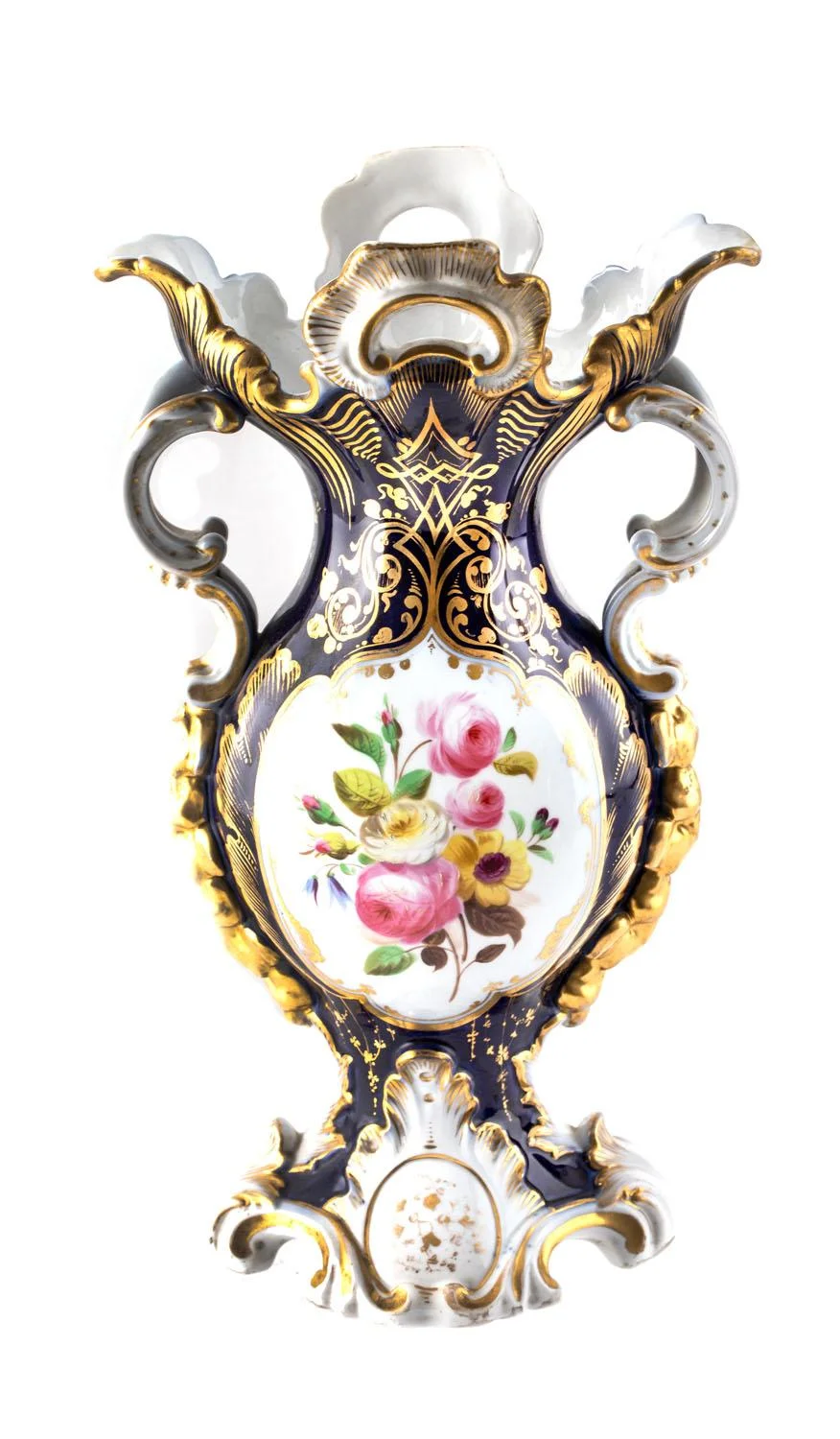
England was the first country that again began to value the rococo style. Prince Regent, later known as George IV, was the one to initiate the rococo-fascination. He collected silvers referring to the late Louis XV style. The prince's taste influenced the rise in the English aristocracy's interest in the rococo style. It was also thanks to technological development that the richly decorated objects became available to the broader public. Earlier, they could only be enjoyed by the most affluent. The refined rococo silvers that previously symbolised luxury, were now being copied in the manufacture in Sheffield. They were made from a material named “Sheffield Plate", which combined silver and copper. The mass production in Sheffield contributed to the propagation of the neo-rococo patterns in the whole of England.
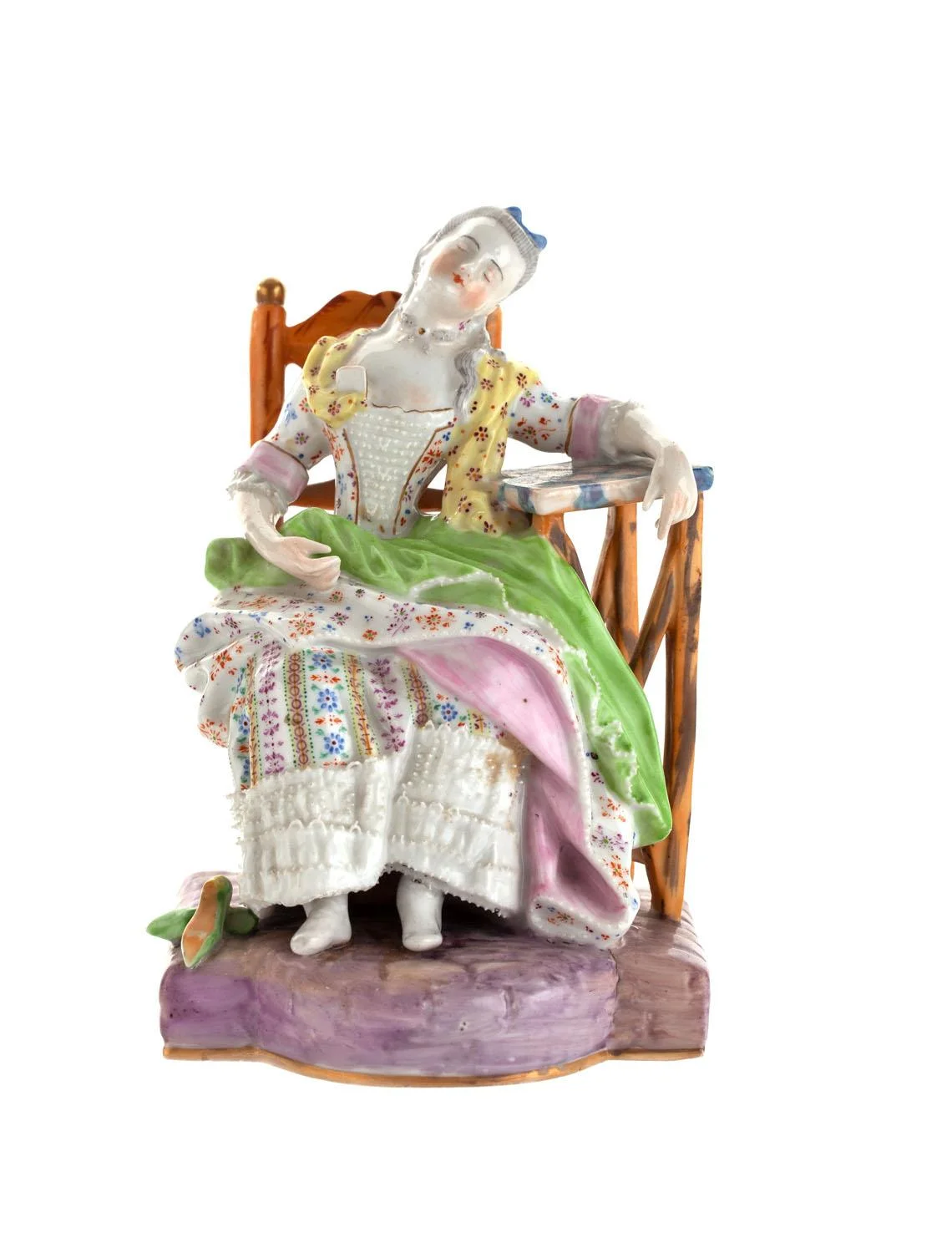
The style was especially popular in France, where rococo was considered a national style. Owning neo-rococo-style objects was perceived as a reflection of high status and affluence. The neo-rococo French artistic craftsmanship was characterised by lightness, elegance, and gracefulness. The craftsmen were keen to decorate objects with the motives of flowers or fruit. They took care of the intricate chiselling and the precision of furniture carving. They could also link the asymmetry of detail with the perfect balance of the whole.
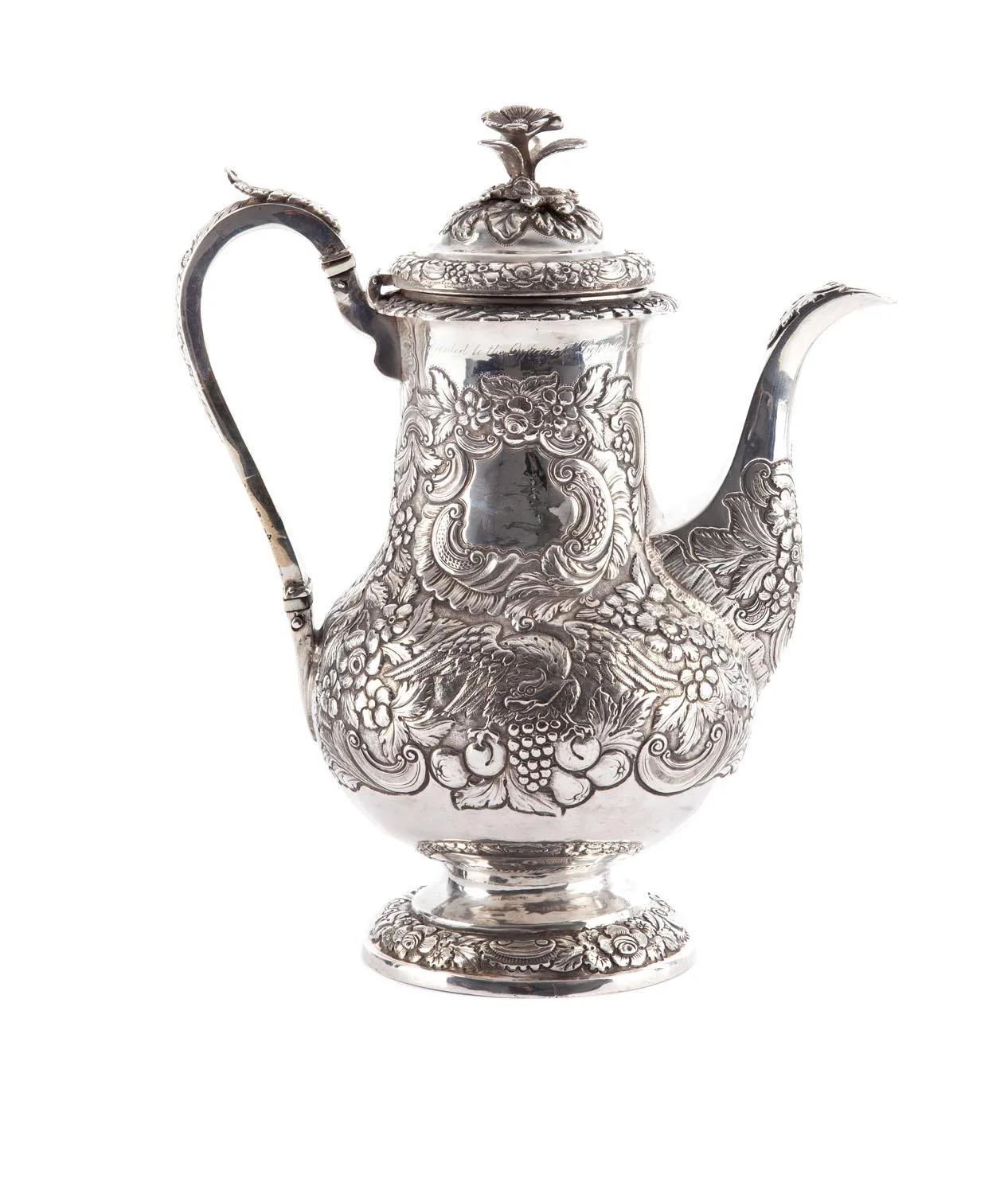
The rococo patterns were also adopted in Austria, where Franz Joseph I had Hofburg and the Schönbrunn Palace decorated with gilded furniture that had wavy and flowy forms. The revived rococo style was also promoted at Austrian industrial exhibitions, where neo-rococo spaces decorated by the Viennese craftsmen were presented. “Kaiser Salon" gained the most popularity and was promptly appreciated by the critics. After some time, the aristocracy started decorating the simple Biedermeier interiors with elegant neo-rococo-style objects.
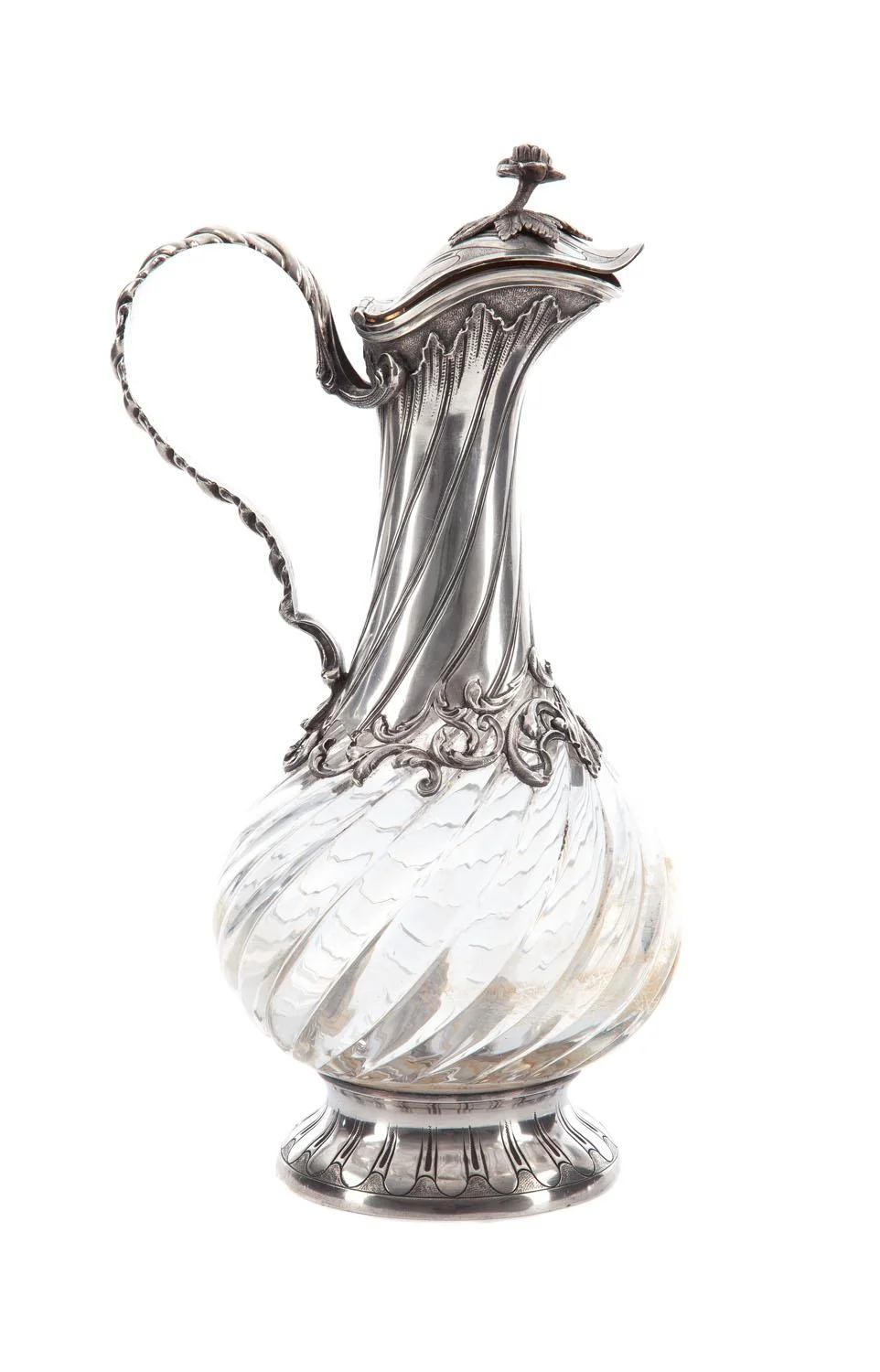
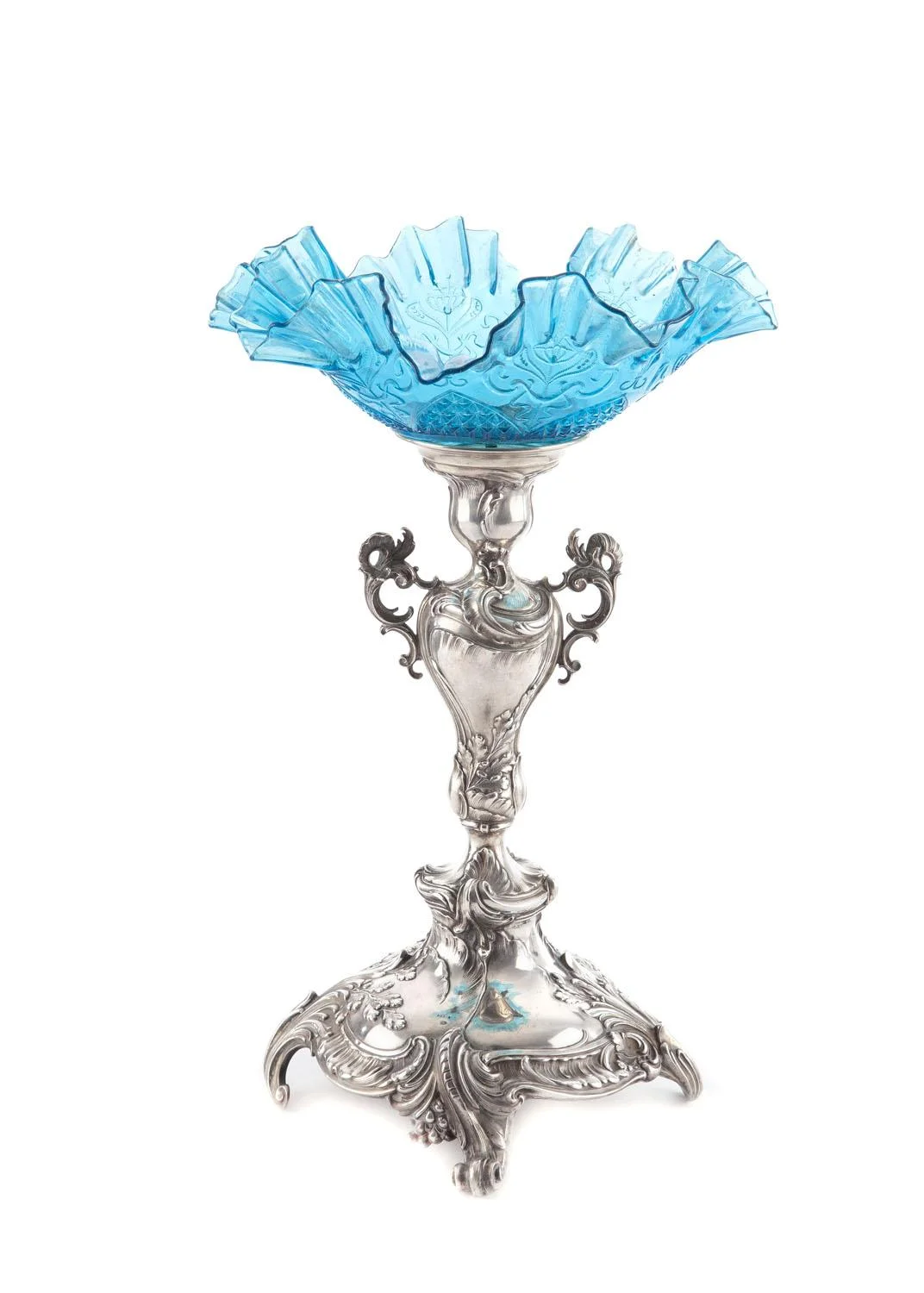
The neo-rococo took 19th century Europe by storm. Its fame exceeded the European continent and found its admirers in the United States. Porcelain objects with
Porcelain with picturesque, idyllic scenes, elegant dishes with slender and fanciful forms, and furniture with bent legs decorated with floral and exotic ornaments – those are just some of the objects that gained an audience and enjoyed popularity.