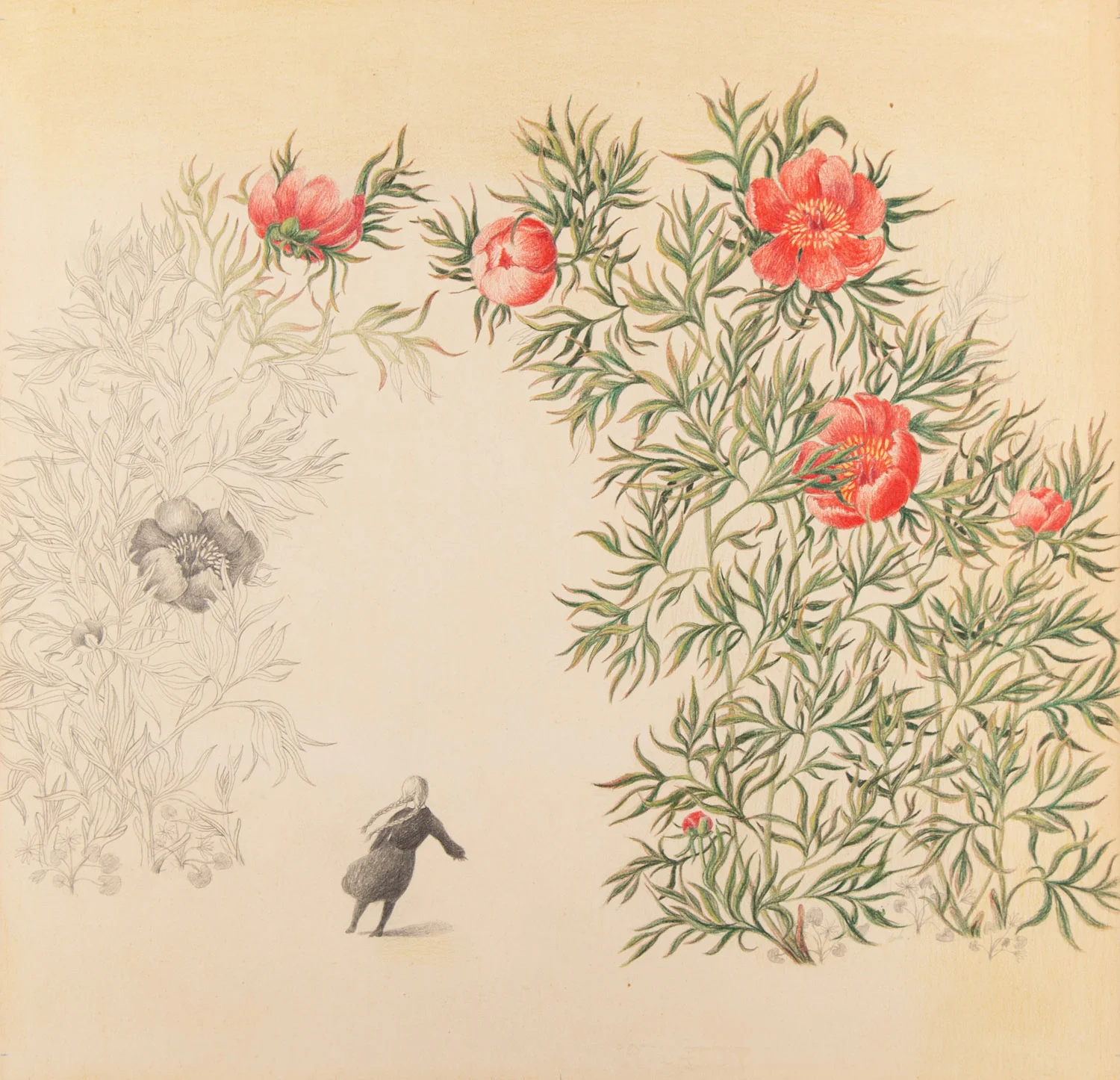
Master of drawing
Joanna Concejo's works are unique, very precise, subtle, and balanced. They have given the artist recognition on a global scale by winning the most prestigious awards in the field of illustration and frequently being displayed at exhibitions.
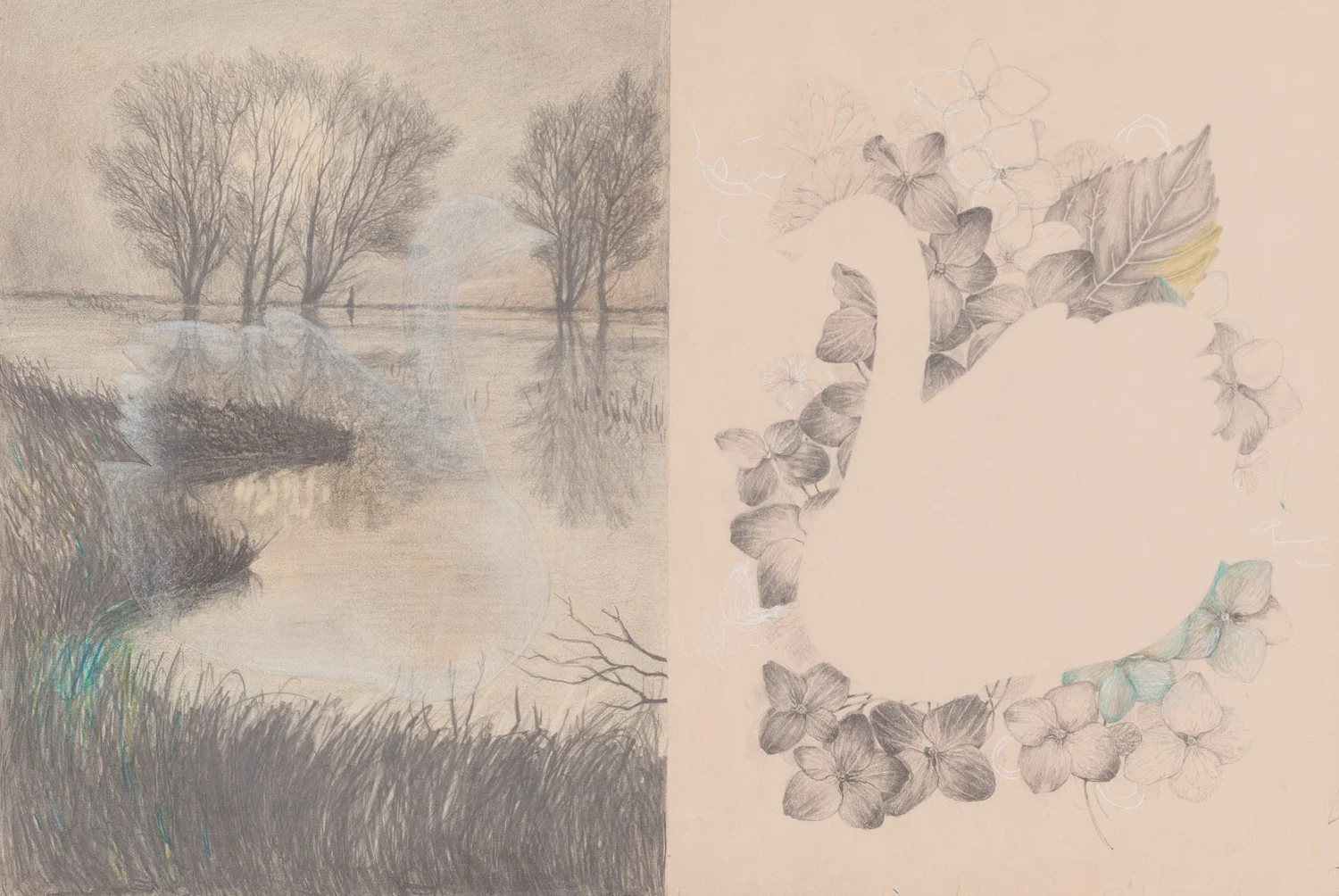
Joanna Concejo graduated from the Academy of Fine Arts in Poznań in 1998. She lives and works in France. One of her most important exhibitions took place at the Busan Biennale in South Korea in 2002. In 2004, she presented her works at the Children's Book Fair in Bologna, and her illustrations were first published by Topipittori (Italy) in Il Signor Nessuno in 2008. In 2013, she won the Polish Ibby Award in the Best Book category. Her visual literary work "Zagubiona dusza" ("Lost Soul"), which she co-created with the writer Olga Tokarczuk, was awarded at the Children's Book Fair in Bologna in 2018. The Bologna Ragazzi Award is the most prestigious international award for illustrated children's literature.
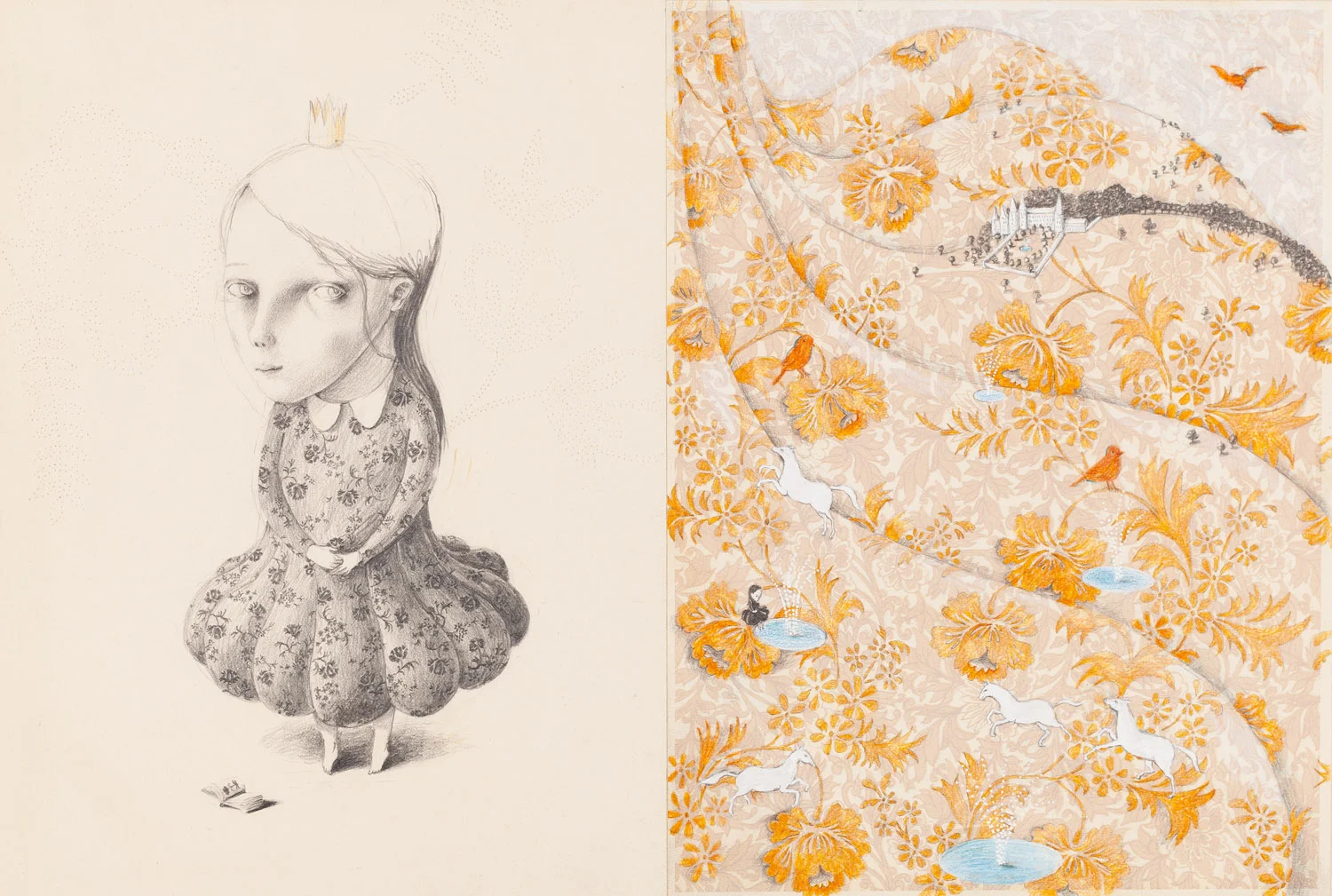
Before being qualified for an illustrators' exhibition at the largest International Children's Book Fair in Bologna in 2004, she tried to break into the world of art with her installations. Joanna took part in several collective exhibitions for young artists in South Korea, Berlin, and Paris. Additionally, she tried collage, painting, and large format. She ultimately made the decision to engage in making illustrations in which she fully expresses herself. She sees a pencil as an extension of her thoughts. She looks for memories and emotions in words, which she later captures in her pictures.
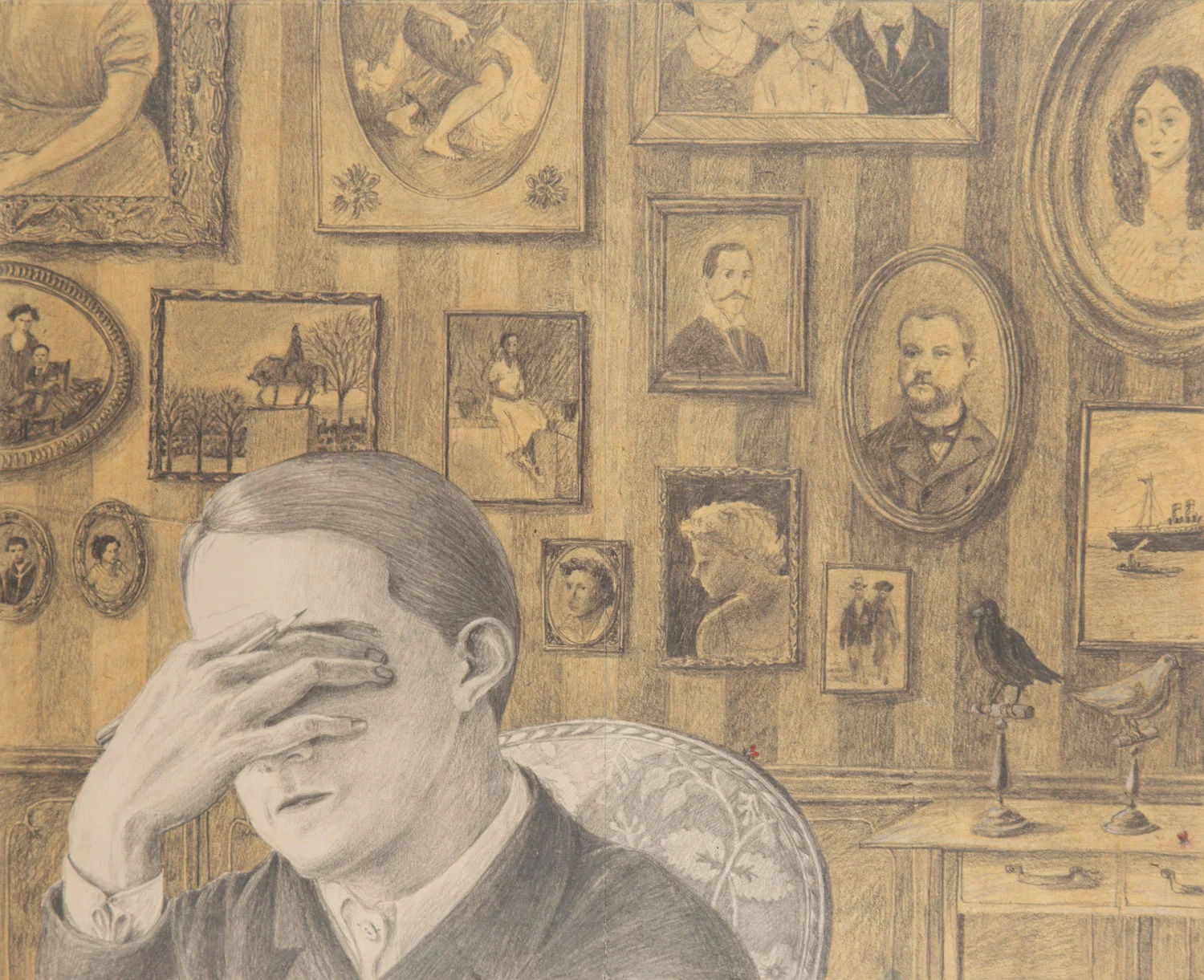
When talking about herself, the artist often emphasizes her provincial origin. Concejo was born and raised in the village near Słupsk. She spent her childhood in close proximity to nature, but she also recalls those years as a time when the rhythm of nature would prevail and her rural agricultural family had to meet their responsibilities. Her grandmother played a major role in Joanna Concejo's upbringing, as she passed on her extraordinary manual skills. In an environment of love and care, the young artist picked up drawing skills as well as embroidery, crocheting, and other crafts that require precision and focus.
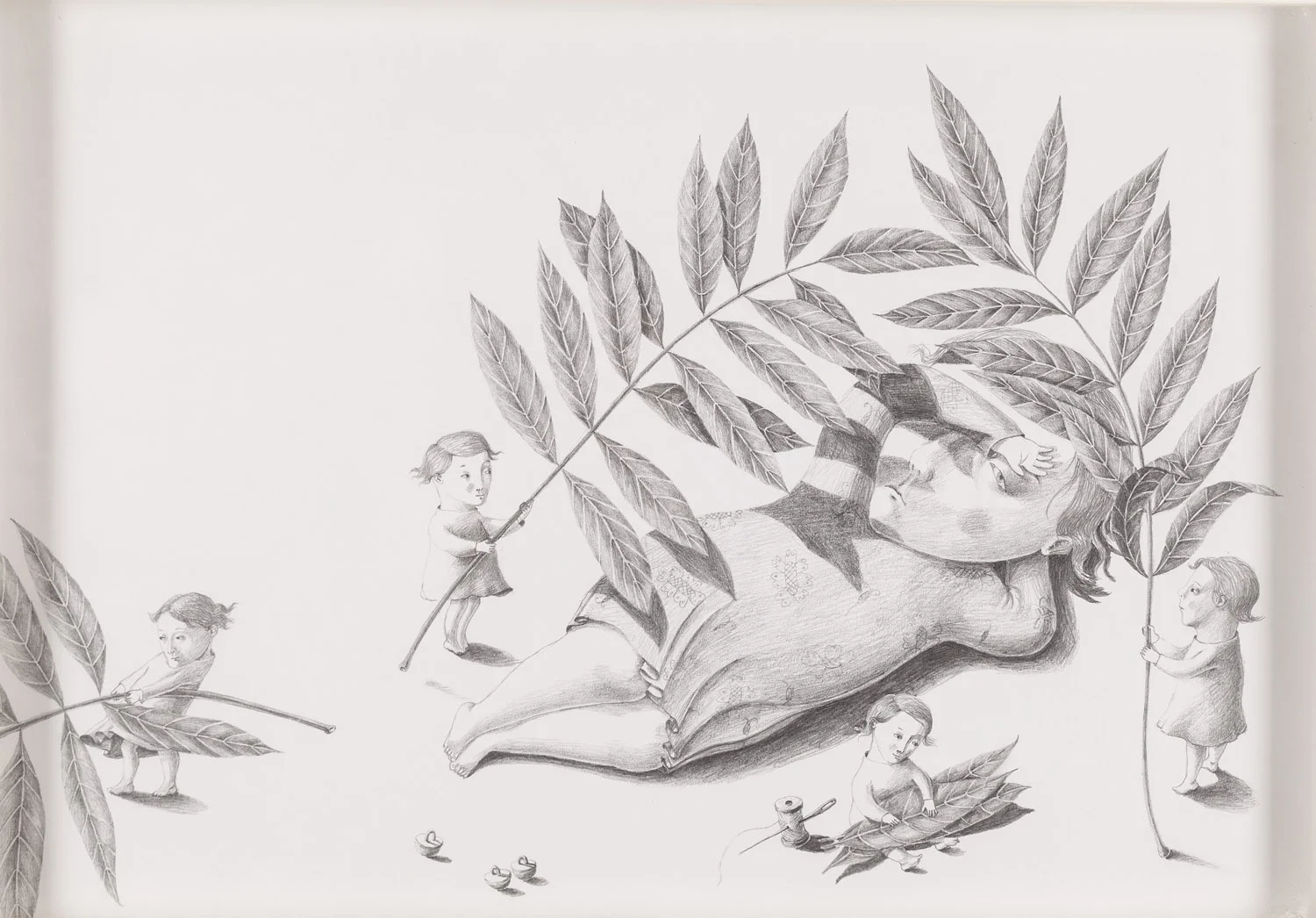
Her early years were therefore full of both a mystical aura and systematic work. She was able to develop an unlimited creative imagination that she shares with her audience thanks to the intimate family setting and the mighty force of nature. By taking us to the landscape where she grew up, she grabs the viewer by the hand and moves him instantly to a place of meditation and tranquility. She always does it on her own terms, never following fashion trends or styles. Growing up in a rural area of Kashubia and being surrounded by nature had an impact on the recurring themes: stylized flowers that resemble embroidery patterns, leaves, fruits, and forest scenes.