
In the land of horror and grotesque by Aleksandra Waliszewska
Undoubtedly, the year 2022 belonged to Aleksandra Waliszewska. "The Dark Arts. Aleksandra Waliszewska and the Symbolism from the East and North" exhibition, which could be viewed three months ago and was organized at the Museum of Modern Art in Warsaw, its numerous reviews, articles, and interviews with the artist made Waliszewska's work widely shown and viewed, with the author becoming recognizable not only among art collectors.
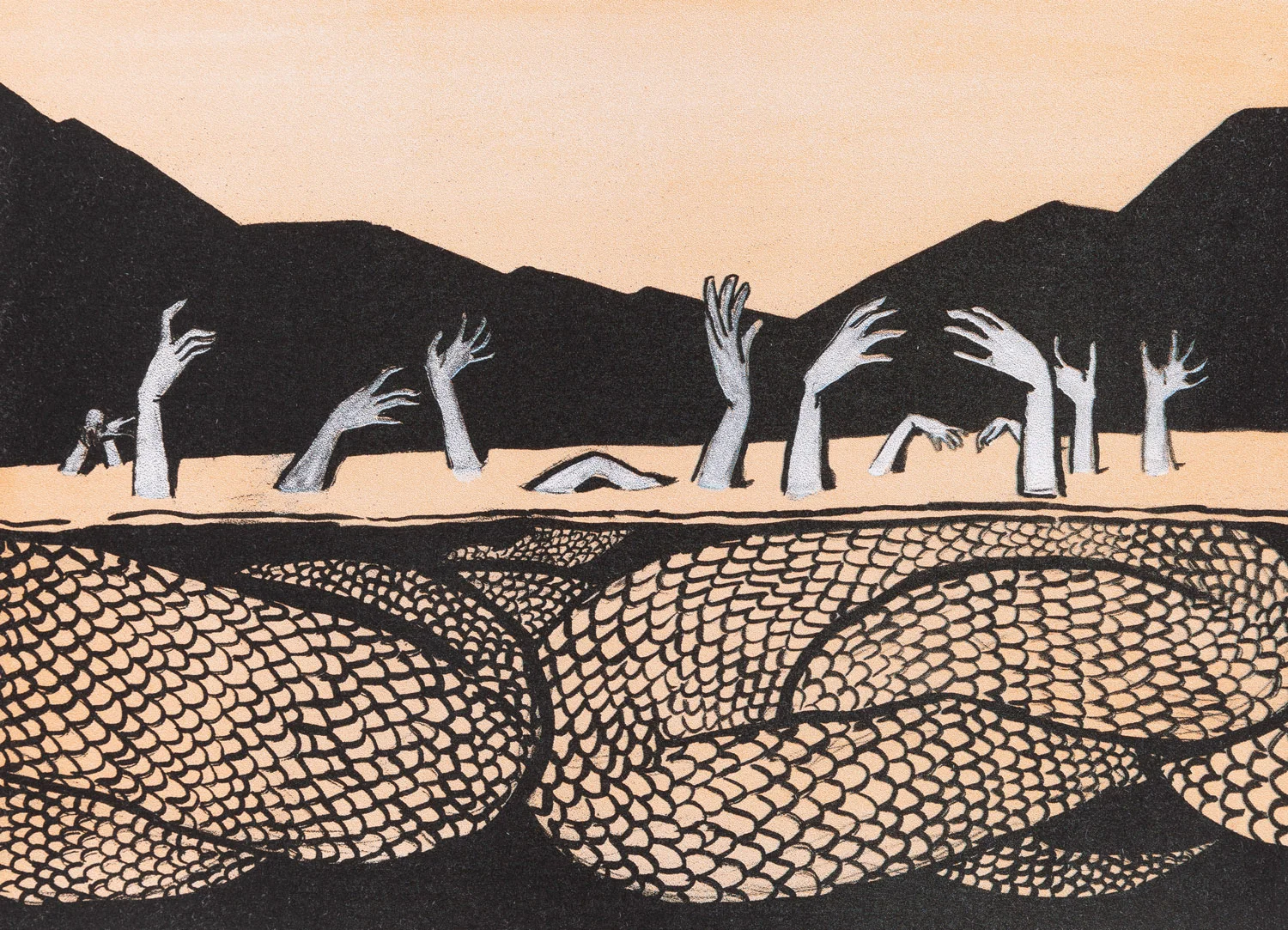
Waliszewska's painting is ambiguous. The author also doesn't resort to the simple technique of painting for the sake of appealing to the audience. She paints what she wants and makes sure that the creative process is a pleasure for her. Therefore, she creates in solitude and does not accept orders for her works. Only an unforced creative act causes the artist to reach the limits of her imagination and transpose the ghostly creatures and phantasms onto canvas or paper, putting them in scenes taken from terrible fairy tales, in which dense forests and swamps are the background to the most cruel horrors. As Ewa Gorządek wrote:
"Waliszewska's paintings are created to provoke certain emotional states, to activate layers of sensitivity, or perhaps to tame fears. The artist's fascinations are directed towards the dark side, where it is easy to succumb to temporary madness, where the macabre meets the grotesque, and beauty is accompanied by horror. The viewers enter the world created by Waliszewska and encounter an intricate tangle of meanings, the key to which is skillfully hidden from them. They should therefore seek their own clues, relying on the hints that their subconscious mind guides them to, with an instinct that tracks distant associations and reverberations of images from the vast repository of visual culture."
- Ewa Gorządek, Aleksandra Waliszewska. Przykre dziecko, https://u-jazdowski.pl/program/project-room/aleksandra-waliszewska?tid=t_content, access: 11.05.2022
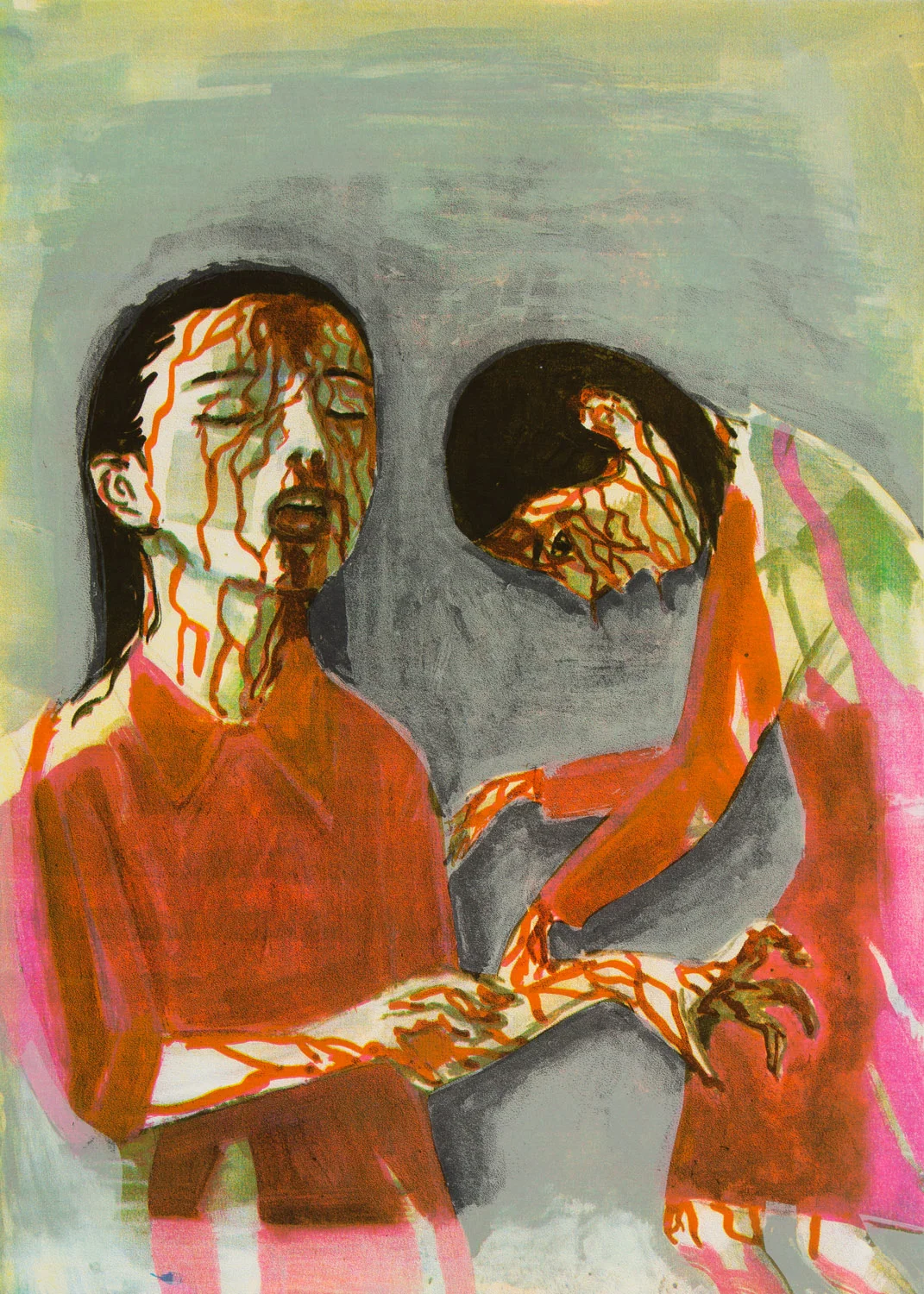
In this world, Waliszewska created her own bestiary, for which she drew inspiration from the works of medieval artists. But these are not the only incentives used by the artist. Piotr Policht wrote about it as follows:
"Apart from symbolism, we can find traces of, among others, medieval illuminations, Quattrocento and Northern Renaissance painting, or Japanese woodcuts in Waliszewska's works. Although usually described primarily through the prism of iconography, her painting is also formally diverse. Despite the fact that one can recognize her style in every convention, the artist operates with a wide range of means, mixing conventions and ways of building an image, using strong outlines and blurred spots, realistic details and illustrative simplifications, illusionistic perspective, and conventional planes."
- Piotr Policht, Istota potworności. "The Dark Arts. Aleksandra Waliszewska and the Symbolism from the East and North" at the Museum of Modern Art in Warsaw, culture.pl, 15.06.2022, https://culture.pl/pl/artykul/istota-potwornosci-opowiesci-okrutne-aleksandra-waliszewska-i-symbolizm-wWschodu-i-polnoci-w-muzeum-sztuki-nowoczesnej-w-warszawie, access: 28.02.2023
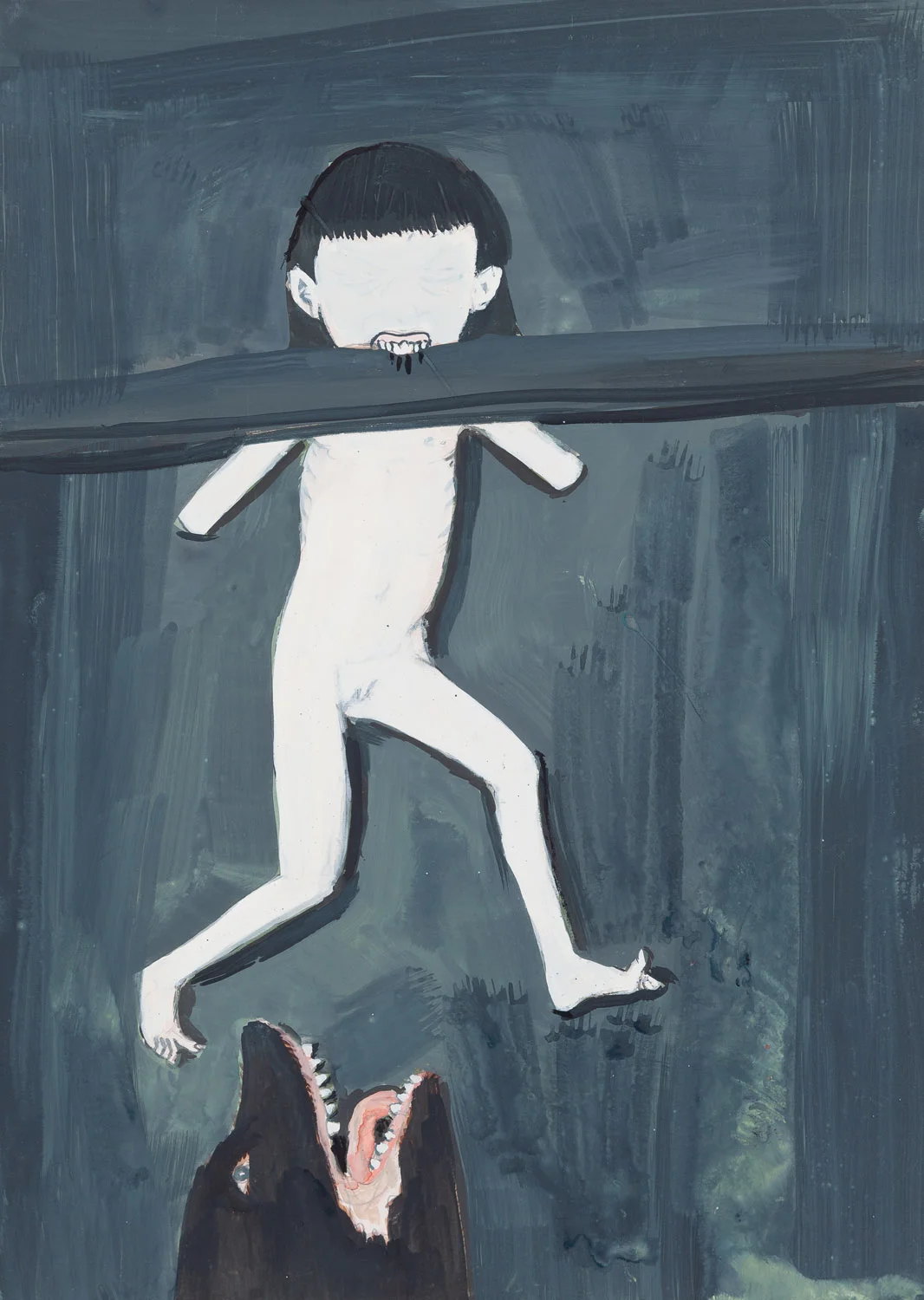
The characters present in the artist's work are usually immersed in a specific combination of eroticism and horror. We see young women surrounded by fauns, goats, and other fantastic creatures in disturbing and sometimes truly cruel scenes dripping with blood, often obscene and macabre, but most times grotesque.
Animals are the recurring motifs in Waliszewska's works. One of Waliszewska's favorite animals is Mitusia, the artist's white cat. However, even her beloved cat often turns into a hybrid of a cat and a monster that attack defenseless girls. An important part of Aleksandra Waliszewska's work are also self-portraits and portraits that the artist created while walking around the park and depicting people she met.