History of faience factory in Pacyków
To this day, ceramic works from the Faience Factory in Pacyków arouse great interest both among Polish and foreign collectors. Although the manufactory was active only for a short period, it achieved spectacular successes worldwide. It was possible thanks to, among others, high-quality clay and an excellent team of artists, who created elaborate vessels and figures.
The beginnings of Faience Factory in Pacyków date back to 1912, when, inspired by his brother's thriving ceramic store in Lviv, Aleksander Rogala-Lewicki decided to set up his own business. However, unlike his brother Kazimierz Lewicki who sold foreign ceramics, under-painted in a studio next to the shop, Rogala-Lewicki started producing vessels and figures instead of importing them. He located his manufactory (its full name was First Galician Factory of Artistic Faience and Terracotta Pacyków) in Pacyków, a village near Lviv. This location was chosen not without a reason. The place had a long-established tradition of pottery craftsmanship. Thanks to this, Lewicki managed to organize a team of the best potters, molders, and painters from among the local experts.
"The factory employs first-class sculptors and painters, who make precious works and that is why 'Pacyków' stands high in terms of both sculpting and painting. Its products are popular all around the world, extolling Polish art.", reports contemporary press.
("Tygodnik Ilustrowany", No. 40, 1922, p. 645)
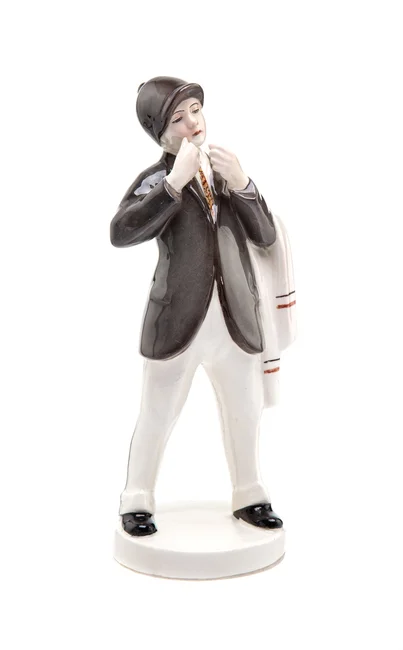
Specialized staff guaranteed that products made in Pacyków were of a great artistic class and remarkable craftsmanship. Their quality was also influenced by the use of the best pottery clay, which was additionally enriched with kaolin. The specialists used high-grade imported raw materials for production. The enriched clay was used to produce creamware, which allowed for creating products of impeccable color, meeting the requirements of even the most discerning clientele. The products were fired three times. Prior to painting they were fired at the highest temperature, and after decorating the works with a paint layer and applying glaze at lower temperatures. The latter process gave the faience a unique golden color. People were delighted with the color of the products from Pacyków since the very beginning of its functioning,
"The colorless overglaze with a very discreet golden tone fuses to clay without smudges (a great advantage!), which gives a warm, vibrant tone to the unpainted parts of the products."
("Tygodnik Ilustrowany", 1914, No. 5, p. 85)
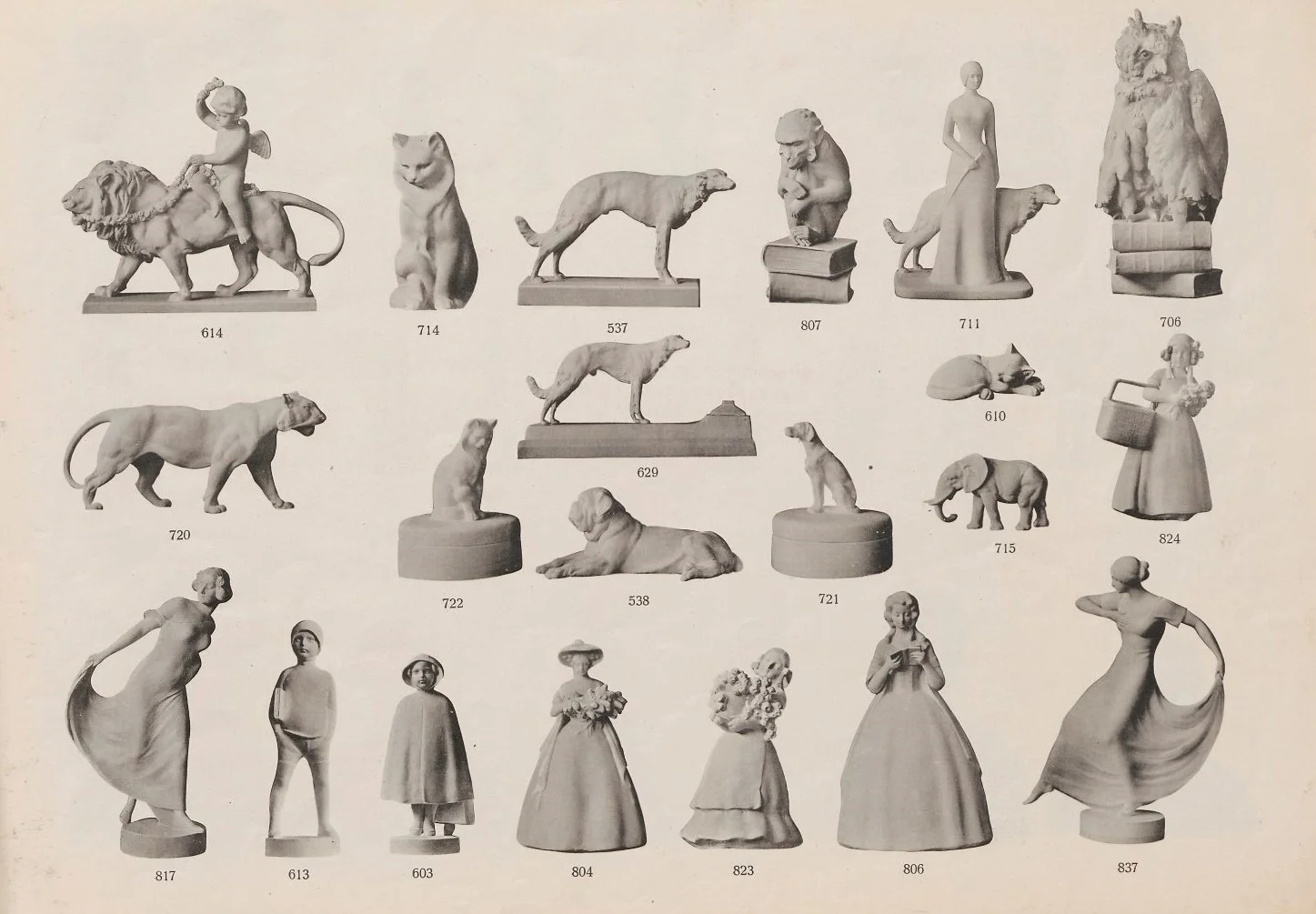
Pacyków was also famous for its wide range of designs. The factory's catalogs included, among others, figures of dancing couples in costumes characteristic of the 1920s and the 1930s, figures in folk costumes, often from the highlands, and even circus scenes with pierrotts and clowns. However, the most popular were the figures presenting pets and farm animals, that is horses, cats, dogs, as well as exotic animals, for instance elephants, tigers, and lions. Faience birds were also popular: storks, pheasants, guinea fowls, vultures.
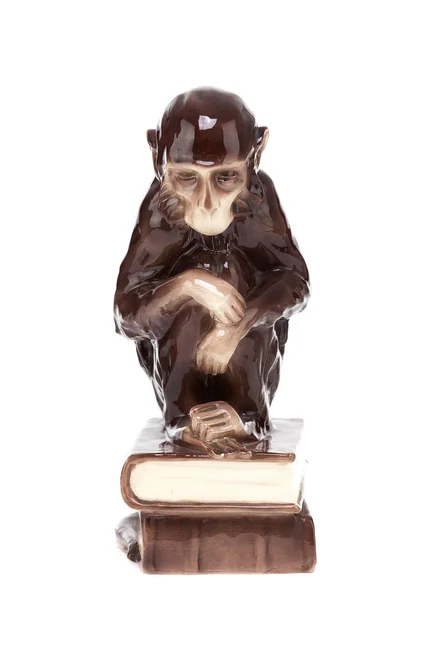
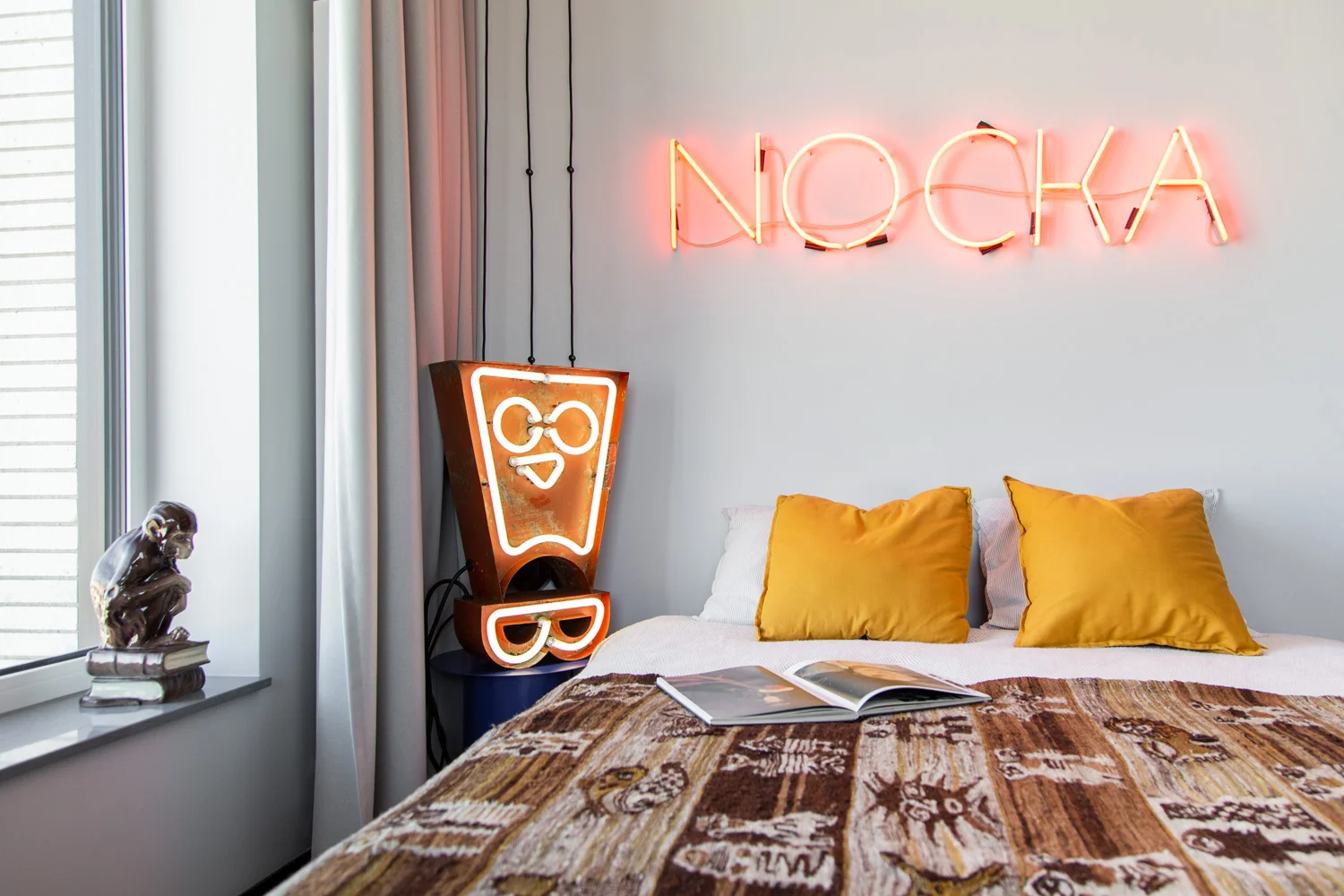
Monkey sitting on books 1920s-1930s Faience Manufacture in Pacykow
A monkey sitting on books, 1920--30s. Faience Factory in Pacyków
One of the most interesting themes was a figure of a monkey with books, which was presented in various poses. The assortment of the faience factory also included busts of famous figures from the world of art and politics, such as Stefan Żeromski, Juliusz Słowacki, Leo Tolstoy, or Napoleon.
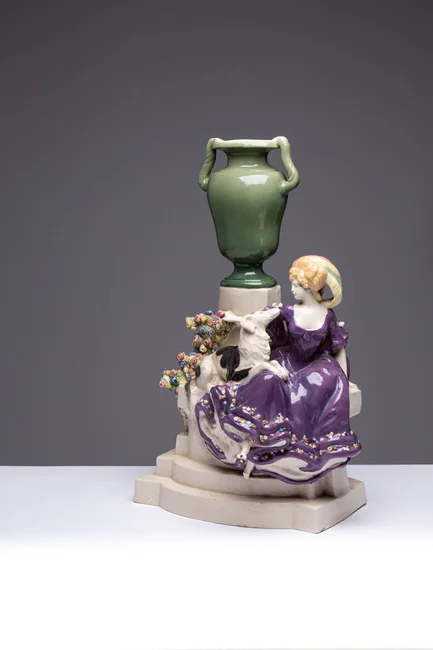
Works referring to the Vienna Secession also enjoyed great popularity, e.g. park scenes, ladies with umbrellas, arrangements with flowers and animals. A great example of such a work is a figure of a woman with a dog designed by Stanisław Czapek, included in DESA Unicum's "Polish Design" auction.
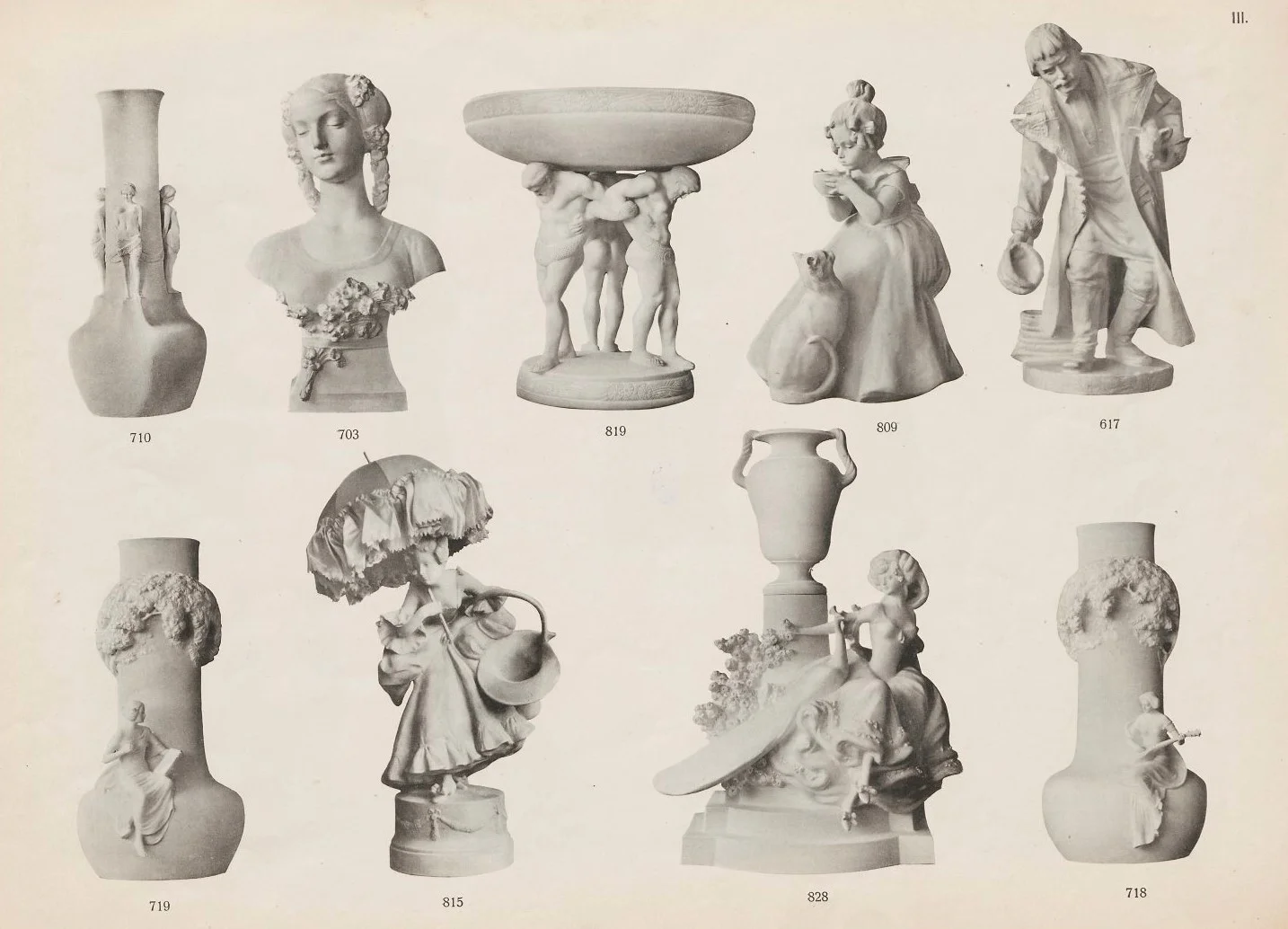
The author of the work played an extremely important role in the history of the Pacyków factory. Czapek studied at the School of Applied Arts in Lviv and then at the Academy of Fine Arts in Vienna. He was a manager of Goldscheider Porcelain Manufactory in Vienna, and later, between 1912 and 1914, he was employed as a technical and artistic director at the factory in Pacyków. His greatest achievements include, among others, "hiring specialized foreign staff, who maintained such quality of the products that they could compete with foreign producers. At the same time, the specialists gave the works beauty of Polish porcelain, which is known under this name not only in Poland but also abroad" (Polska fabryka fajansów "Pacyków", "Świat", 1927, No. 41, p. 24). Many artists working in the Faience Factory studied abroad, which allowed them to get acquainted with the European market of luxury ceramics and modern world trends.
A wide range of designs at Pacyków caught the attention of demanding customers all around the world. Faience products from Lviv were exported to Germany, Austria, France, England, the Czech Republic, Romania, Yugoslavia, or even to China and the countries of North and South America. Among the Polish diasporas, the most popular were folk patterns – the figures of highlanders, Hucul ponies, or dancing couples in regional costumes. The artist Jakub Lewicki, a student of Konstanty Laszczka, specialized in this type of motifs. Products from Pacyków appeared at various Polish and European fairs and reviews. They represented Poland at the International Exhibition of Modern Decorative and Industrial Arts and at the 1939 New York World's Fair. The foreign clientele was delighted with the craftsmanship and perfection of the products. They were also distinguished by their affordable price, competitive to Viennese or Copenhagen products.
The elegant products made in Pacyków impress to this day with their refinement. Contemporary collectors appreciate them for the same qualities as customers a hundred years ago. However, they are much less available. Some models virtually do not appear on the market. Therefore, including as many as three of the figures made in Pacyków in our upcoming Polish Design auction offer is goint to be a big event for Polish collectors of pre-war faience.