Guide to Polish glassworks
The beauty and functionality of utility glassware produced in Polish glassworks from the second half of the 20th century amaze not only design collectors to this day. We invite you to learn about the stories of three glassworks, from which the majority of the objects presented at the upcoming "Glass. Art & Design" auction come.
The "Sudety" Glassworks in Szczytna Śląska
The tradition of glass production in the area of Szczytna Śląska, a town located at the foot of the Stołowe Mountains, dates back to the Middle Ages, when forest glassworks operated nearby. In 1770, a glassworks was founded in Batorów, now a district located in Szczytna. It became the basis for the establishment later operating under the name "Sudety." The glassworks expanded and prospered, especially in the 19th century, producing pieces in the Art Nouveau style.
Further intensive development of the "Sudety" glassworks took place in the second half of the 20th century, when Zbigniew Horbowy, the head of the Design Center from 1959 to 1974, and his successor, Stefan Sadowski, who managed the pattern workshop until 2008, began working there. The glassworks in Szczytna Śląska stood out from other facilities with its quality of craftsmanship and functional forms.
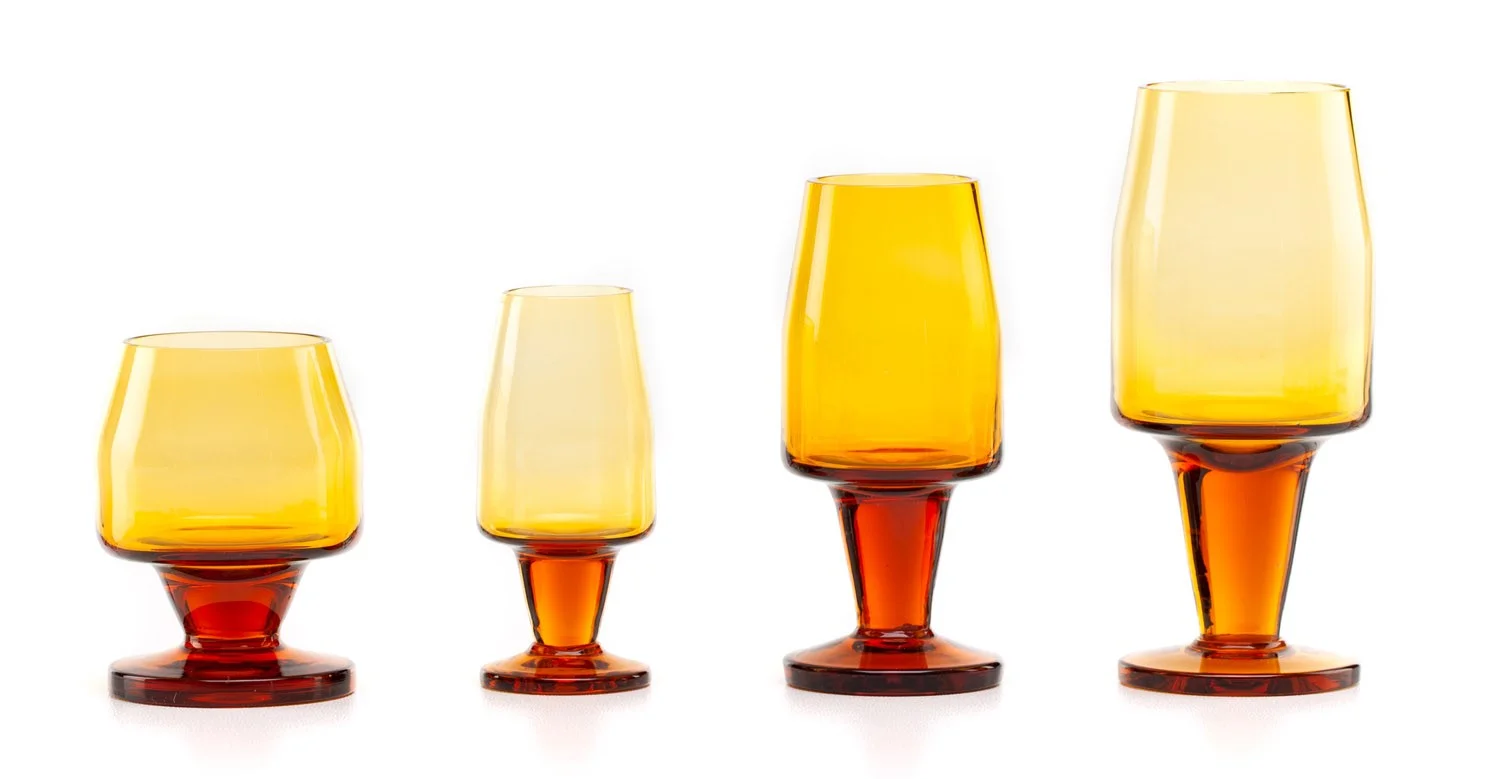
At the "Sudety" Glassworks, Zbigniew Horbowy perfected the technique of body-tinted soda glass. It was in Szczytna Śląska that the famous bottles from the "Alicja" set were produced; today they are an icon of Polish design and are highly sought after by collectors. The range of colors in which "Alicja" glass is available is extremely diverse. These forms were created in many shades of red and green, as well as in amber and subtle beige colors. Horbowy also introduced two-color gradient glasses into mass production, often in shades of red and orange.
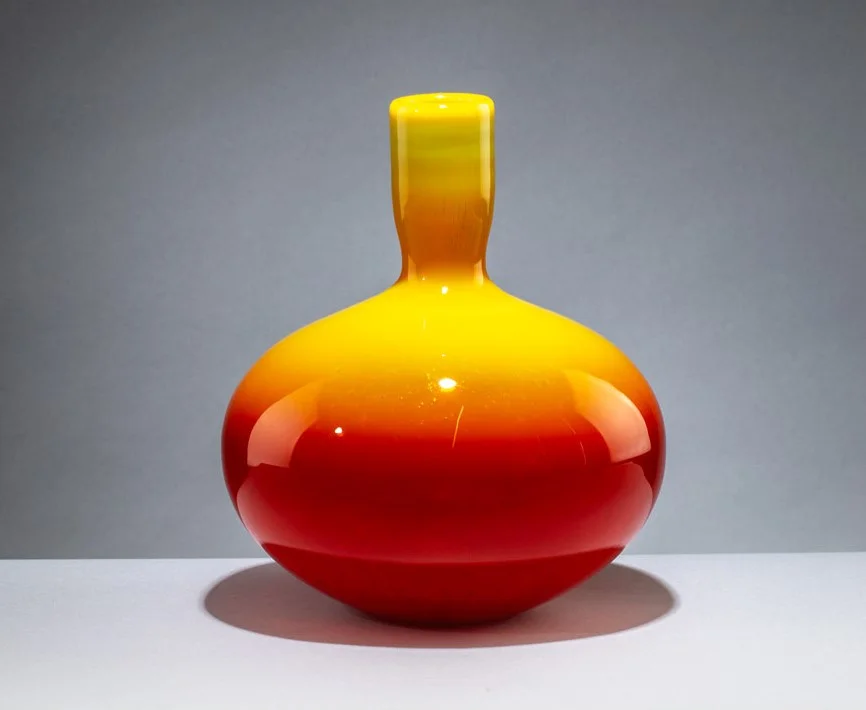
At the "Sudety" Glassworks, unique vases, bottles, and decorative forms made of foam "antico" glass were also produced. Zbigniew Horbowy mastered this technique to perfection. The uniqueness of compositions produced from "antico" glass lies in the structure of the glass mass and precisely the enormous amounts of glass bubbles interblended in it. This technique makes each form one-of-a-kind. The true master of this method was the leading Polish designer of utility glass, Zbigniew Horbowy.
The "Barbara" Artistic Glassworks in Polanica-Zdrój
The "Barbara" Artistic Glassworks operated in Polanica-Zdrój, a picturesque spa town located near the border with the Czech Republic. Its activity began in the mid-1950s, when the glassworks belonged to the Polanica-Zdrój Spa and produced bottles for the mountain resort. The Artistic Glassworks started to operate under the name "Barbara" in 1974 when the establishment was taken over by the "Sudety" Glassworks in Szczytna Śląska.
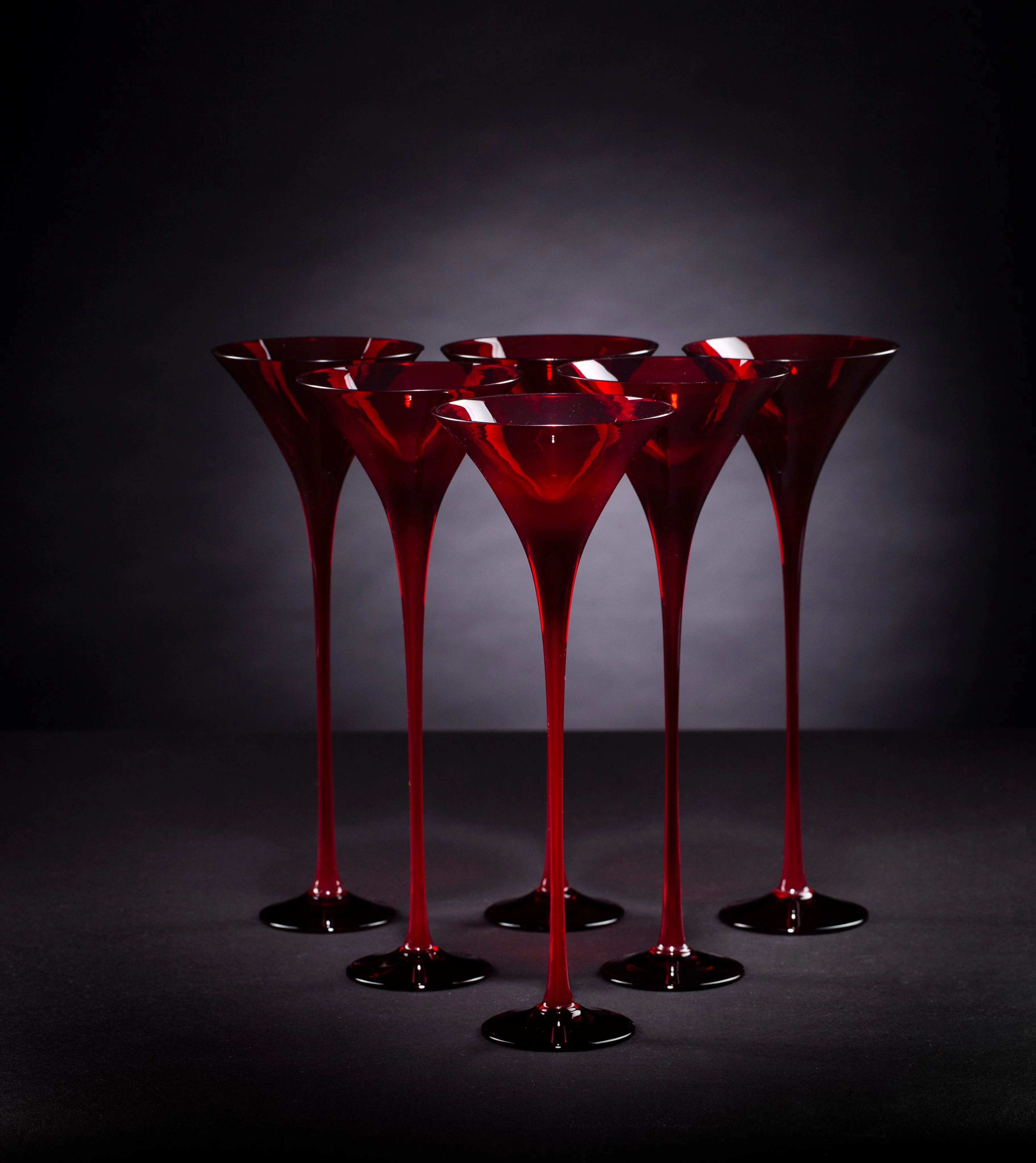
In 1974, Zbigniew Horbowy was also appointed as the artistic director, and his main task was to coordinate the work of the design team, which consisted of the most important designers of utility glass at that time, including Czesław Zuber, Lucyna Pijaczewska, Kazimierz Krawczyk, and Ludwik Ferenc.
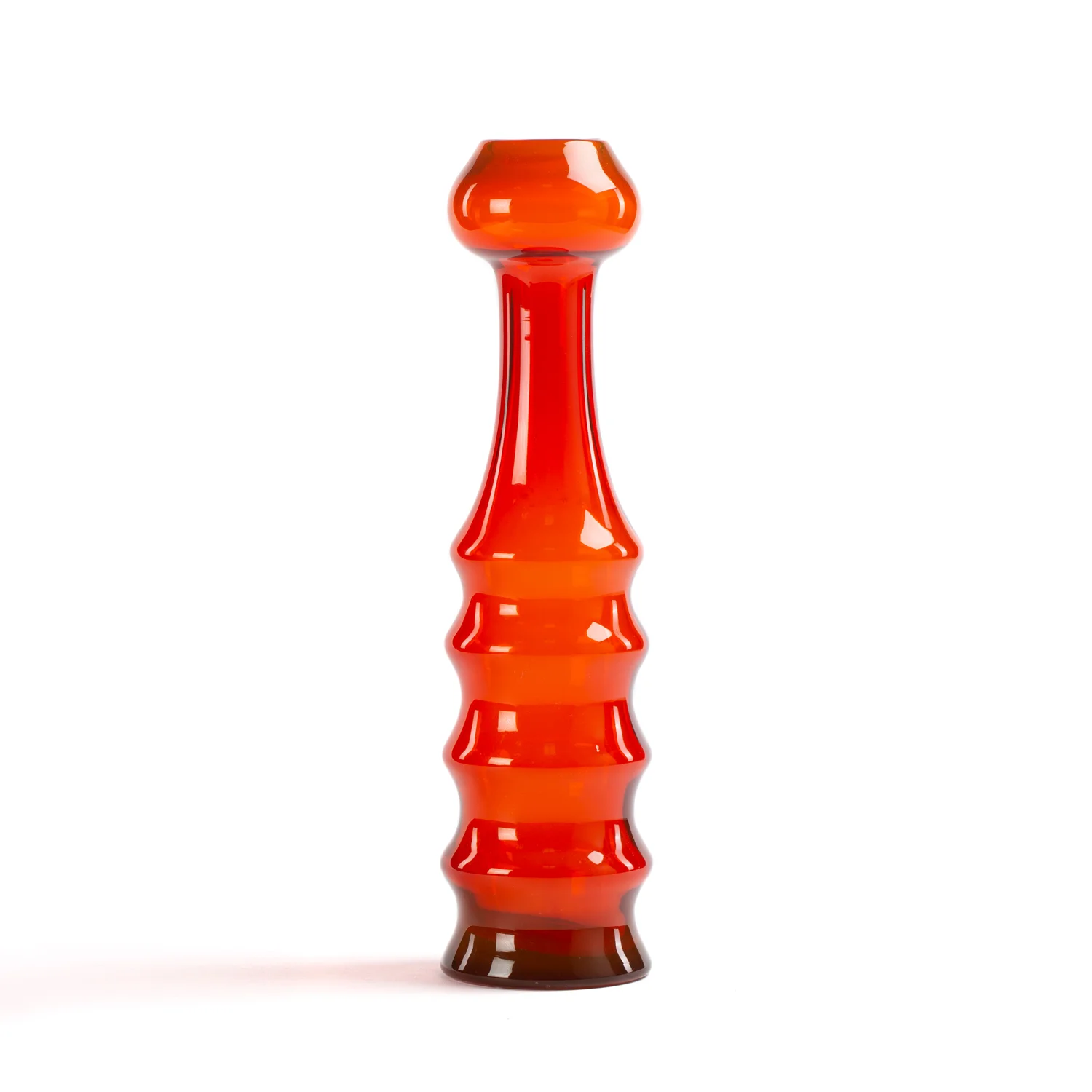
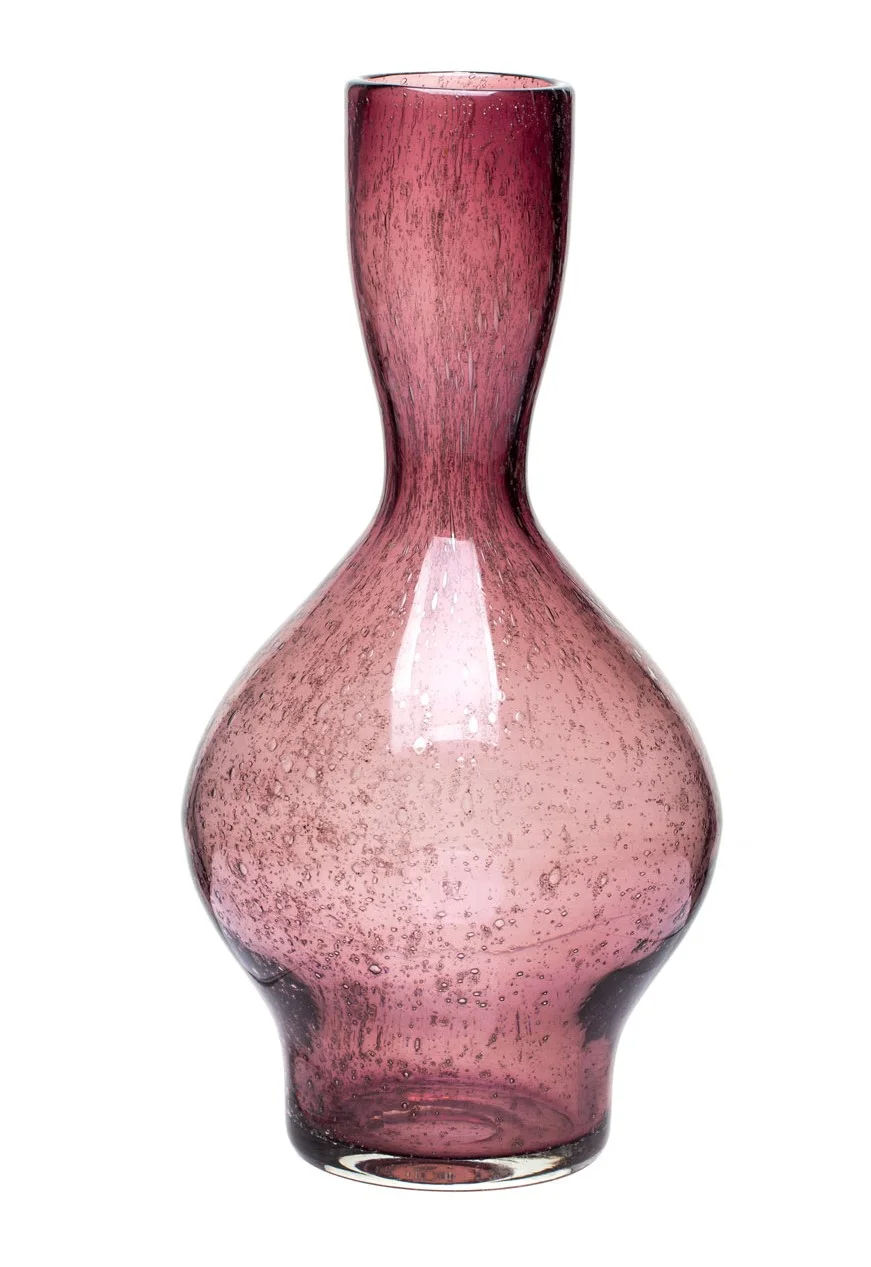
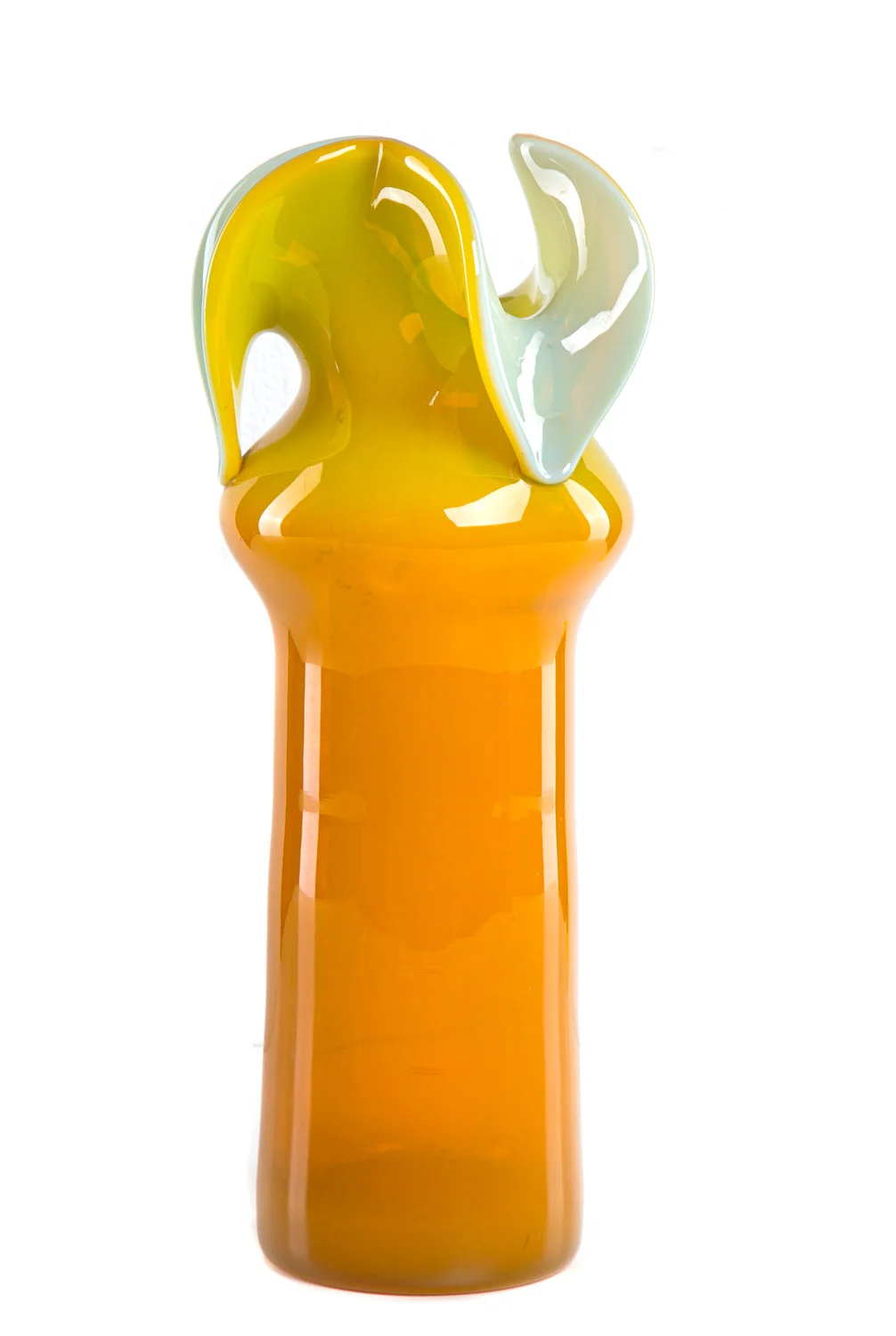
"Barbara" produced vases designed by Kazimierz Krawczyk, which are among the most recognizable designs of this artist. In Polanica-Zdrój, ashtrays and vases with a flared rim designed by Czesław Zuber were also produced. Zbigniew Horbowy's most famous creations produced at the "Barbara" Artistic Glassworks were glasses and chalices standing on long and thin stems, which were produced in various designs and colors.
"Ząbkowice" Glassworks in Dąbrowa Górnicza
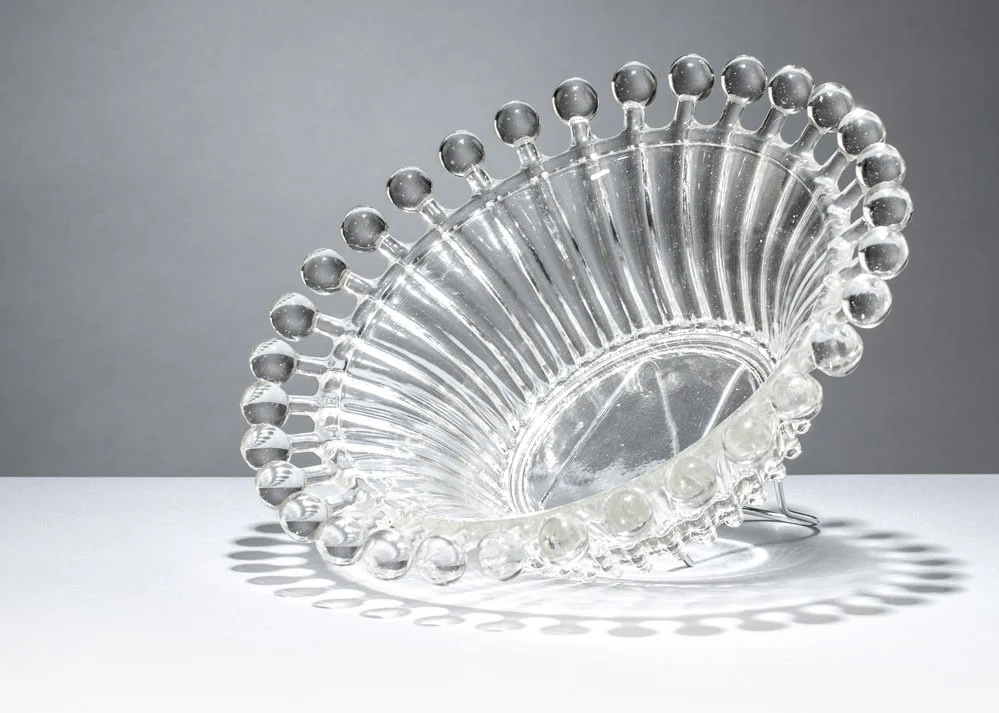
The origins of the "Ząbkowice" glassworks date back to the 19th century, when Józef Schreiber founded the Ząbkowice Glass Factory. At that time, the production only included blown glass, and pressed glass production began at the beginning of the 20th century, which eventually became the most characteristic product of the glassworks. Pressed glass was used to make cups, glasses, plates, vases, and candle holders. The glassworks exported its products to China and England, among others.
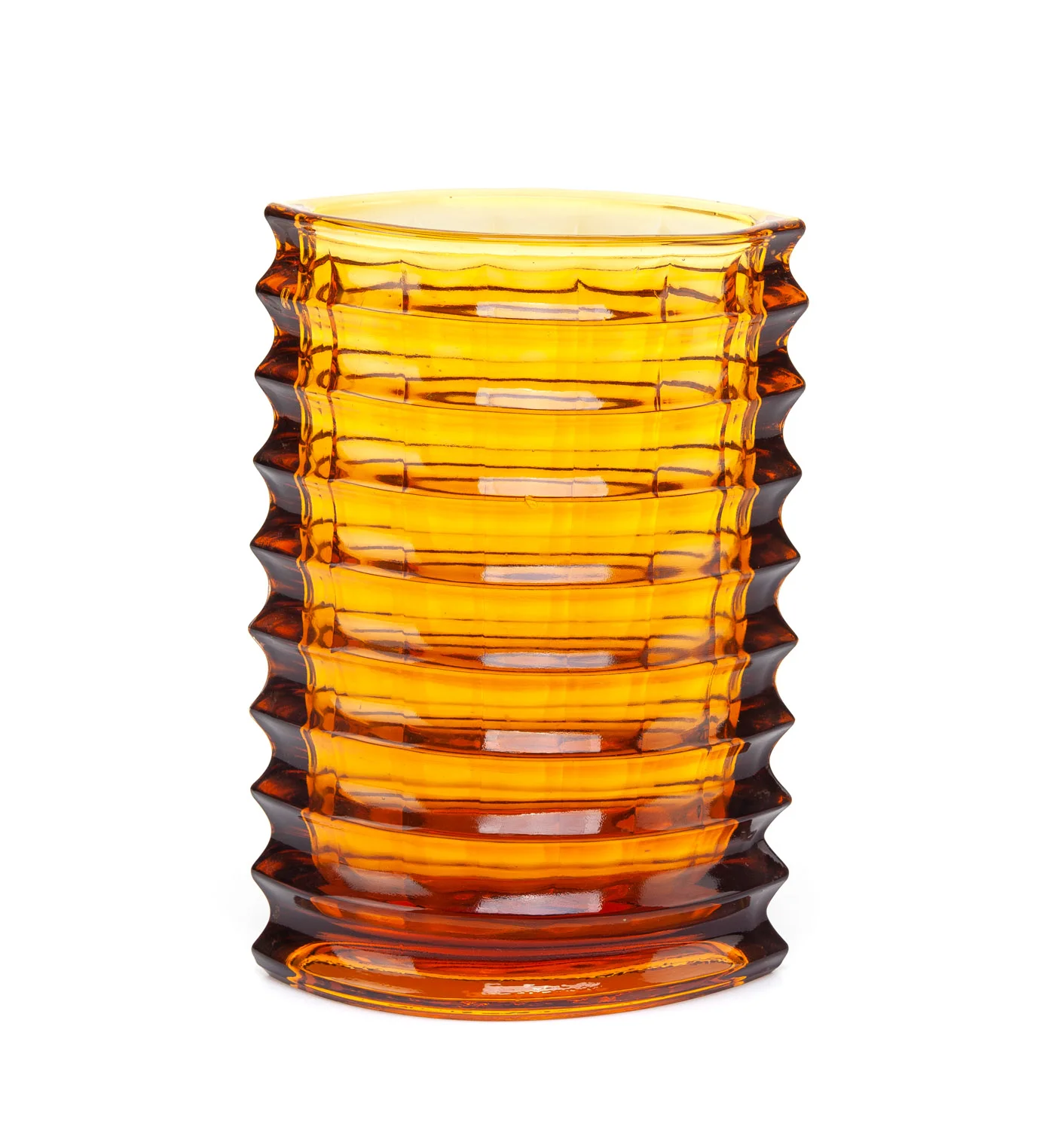
Due to the crisis that took place in 1935, the activities of the glassworks were suspended. Mass production was resumed only after World War II. In 1960, the name of the factory was changed to "Ząbkowice" Glassworks. Since that year, the author of all the most important designs produced at the factory, Jan Sylwester Drost, was associated with the glassworks, and a few years later, his wife, Eryka Trzewik-Drost, joined him.
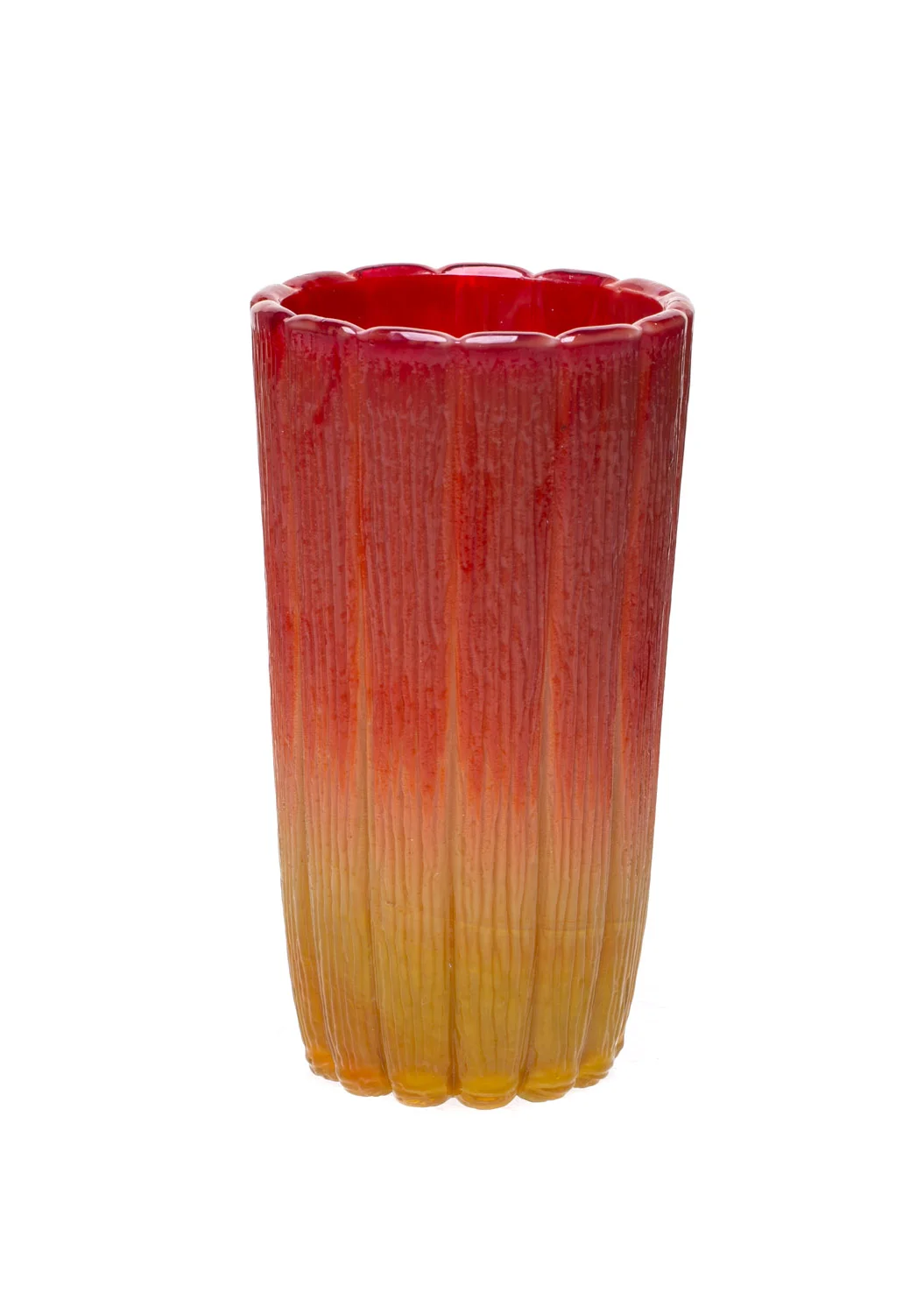
Jan Sylwestr Drost mastered the technique of pressed glass, which did not enjoy a good reputation among designers. Prejudices against this method were mainly related to the high cost of producing new casting forms. Therefore, old models were still being replicated according to patterns that had been created even before World War I. The Drost family demonstrated an innovative approach to the technique of pressed glass. Eryka Trzewik-Drost, while working on the new material, was able to make use of her previous experience gained from her work in the "Bogucice" Porcelain Factory. The Drosts moved away from designing forms from blown and crystal glass, proposing more modern solutions. Some of Jan Sylwestr Drost's most recognizable designs include the "Radiant," "Asteroid," and "Diatret" sets, which can reach extremely high prices on the auction market.