Great names of Polish comic art
Comics made their reappearance in Polish press after World War II, with publications like "Nowy Świat Przygód" and "Express Ilustrowany." However, it quickly became evident that they did not align with the cultural policy of the communist authorities. The stigmatization of comics led to their almost complete disappearance from newspapers, and those that remained took on a strong propagandistic character. It wasn't until the thaw of 1956 that the comic market in Poland began to rebuild. Decision-makers believed it was worth using the visual format to spread socialist content.
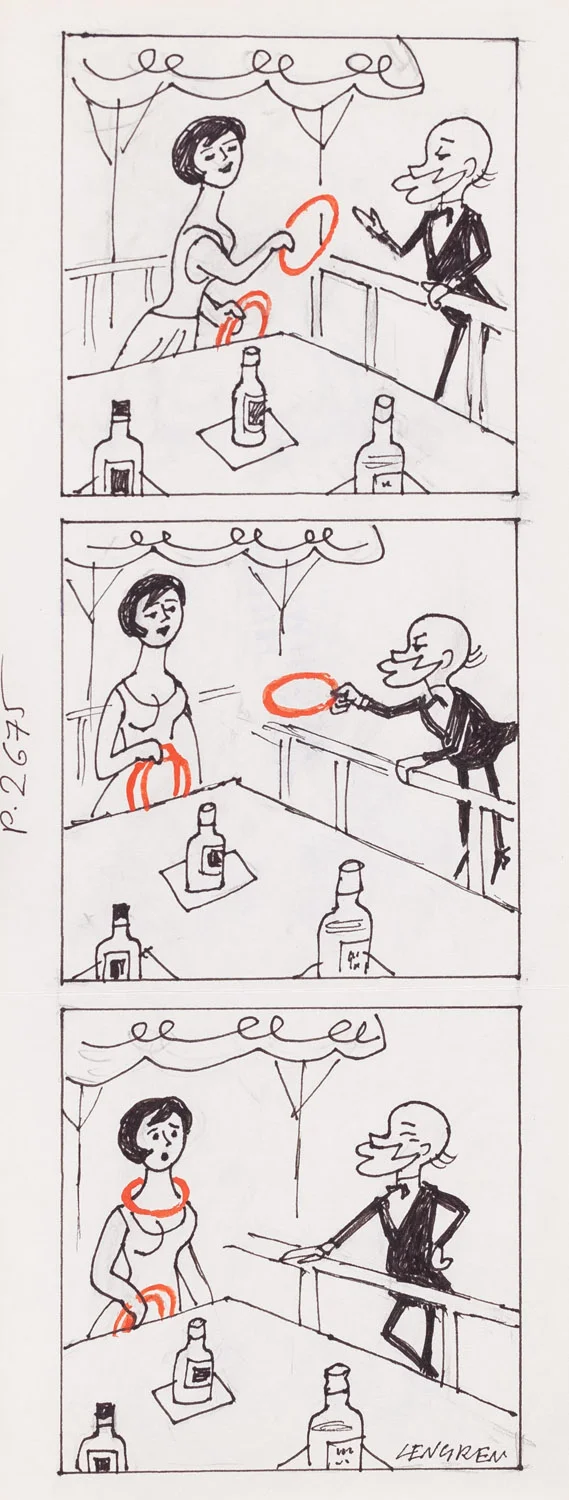
This is often considered the golden age of comics in Poland. In "Przekrój," the adventures of Professor Filutek had been appearing since 1948 and continued uninterrupted for 55 years, making it one of the longest comic series in Poland. It's worth noting that a somewhat similar comic series about Professor Nimbus had been published in France since 1934. Like Filutek, he was a well-dressed scientist. Lengren also mentioned that the character Adamson, known in interwar Poland, served as inspiration. Filutek became the hallmark of the "Przekrój" magazine, and between 1955 and 1956, four colorful animated films were produced by the Animated Film Studio in Bielsko. Thanks to publications in Czechoslovakia, the USSR, China, the GDR, and even West Germany, Professor Filutek became recognizable behind the Iron Curtain.
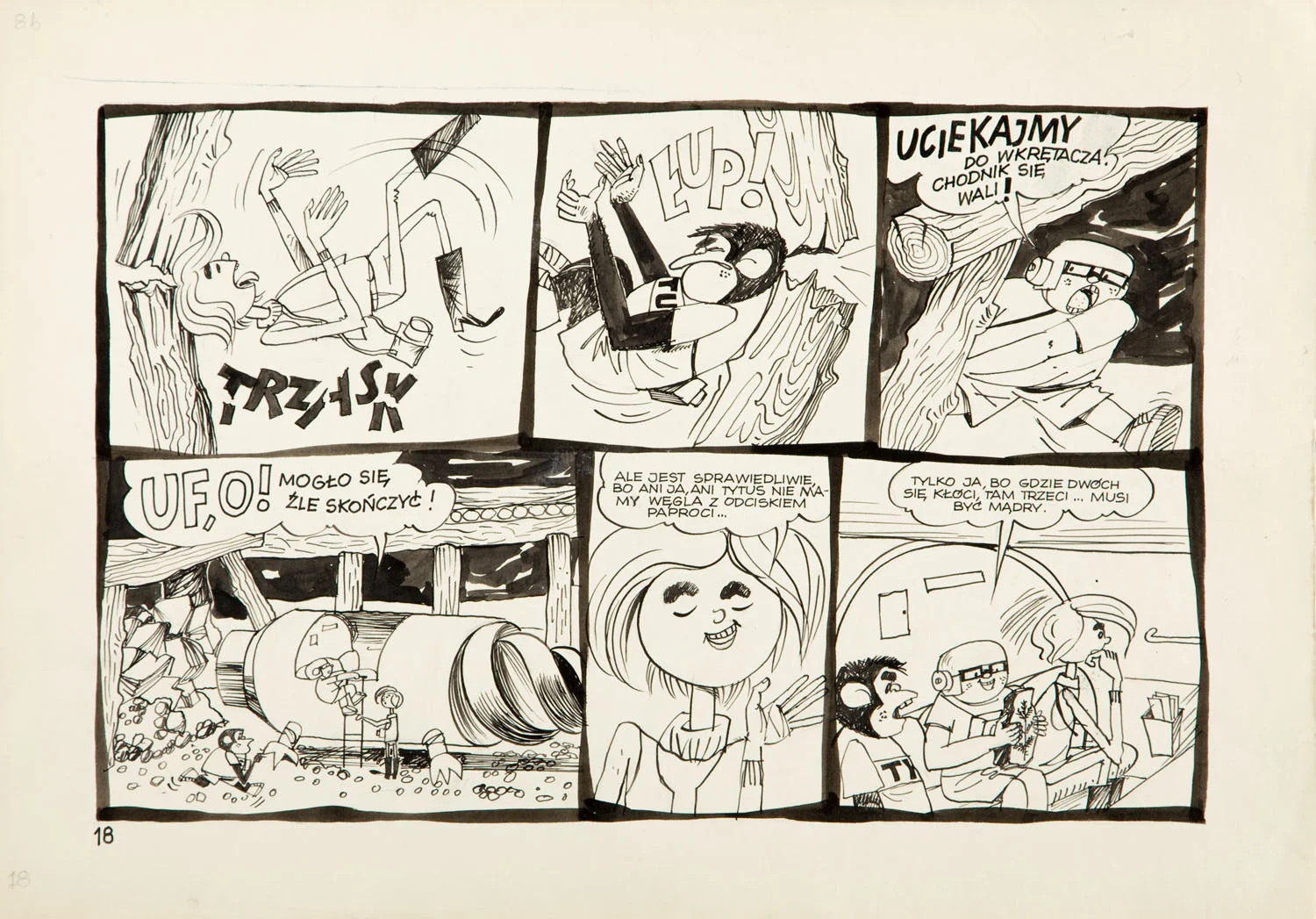
In 1957, a series was released that permanently influenced the history of Polish comics. To commemorate the launch of the first satellite by the USSR, a humorous story about Romek and A'Tomek and their adventures in space with the monkey Tytus was published. Henryk Jerzy Chmielewski worked as a graphic artist first at "Świat Przygód" magazine until its liquidation in 1949, and then at "Świat Młodych." The humorous story was discreetly didactic but mainly used youth language. It generated great enthusiasm among readers and became a permanent part of the magazine. Although A'Tomek was the leader of the group, it was the mischievous and playful chimpanzee who gained the greatest popularity. In 1966, the Wydawnictwo Harcerskie publishing house took the risk and started publishing comics in the form of booklets. They were released approximately every year and contained new stories, not those previously printed. This was the first regularly published comic book series in Poland. Alongside the main characters in the stories, Papcio Chmiel himself and the eccentric Professor T.Alent also appeared. The comic, now published in the form of 'books,' enjoyed immense popularity This was the first regularly published comic book series in Poland. Alongside the main characters in the stories, we could see Papcio Chmiel himself and the eccentric Professor T.Alent.
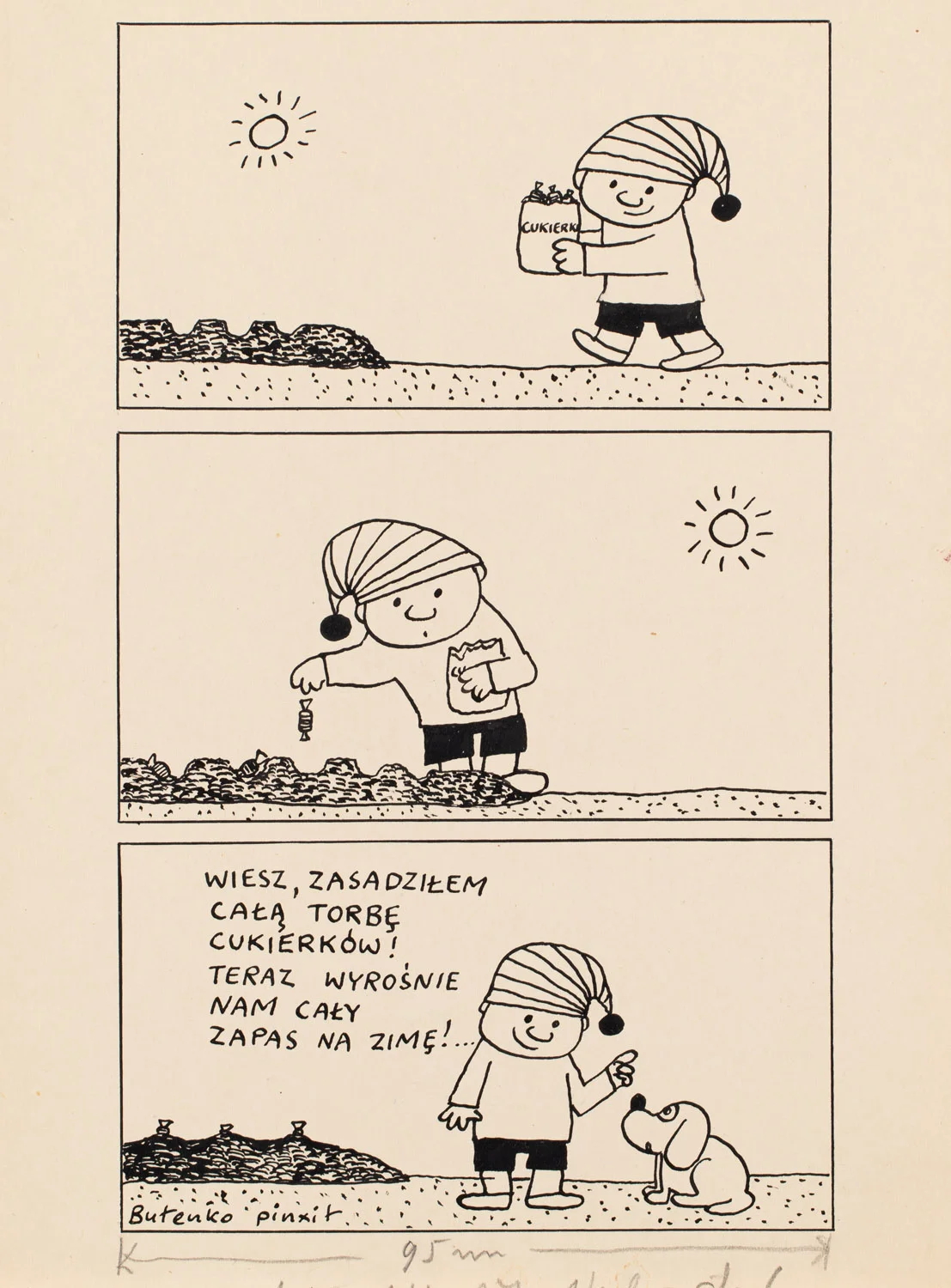
Another person who made a significant contribution to the development of Polish comics was Bohdan Butenko. His stories were aimed at the youngest readers and were published in children's magazines. The artist began creating comics in 1957 for "Świat Młodych" and created a whole series of characters. The most famous character was Gapiszon – a happy and always cheerful preschooler in a large striped hat with a pompom. The little boy also appeared in a TV program for the youngest in 1958. Later, he caught the attention of the Se-ma-for animation studio in Łódź – a series called "The Adventures of Gapiszon" was released in 1964. The amusing character also appeared in the "Miś" magazine from 1965. Silent comics showing funny but educational adventures of Gapiszon were drawn in a simple, childlike style. The story was devoid of aggression; the character was always friendly and willing to help. Reality mixed with grotesque, magic, and the presented world was always friendly. Gapiszon appeared in "Miś" until 2005, then in "Bluszcz," and today he mainly appears in the form of album editions. The adorable preschooler also won the hearts of children abroad, with publications appearing in Czechoslovakia, Great Britain, France, Bulgaria, Yugoslavia, and Germany. From the 1970s, anthologies of stories with Gapiszon in the lead role and completely new adventures of the cheerful character and his friends were published in Poland.
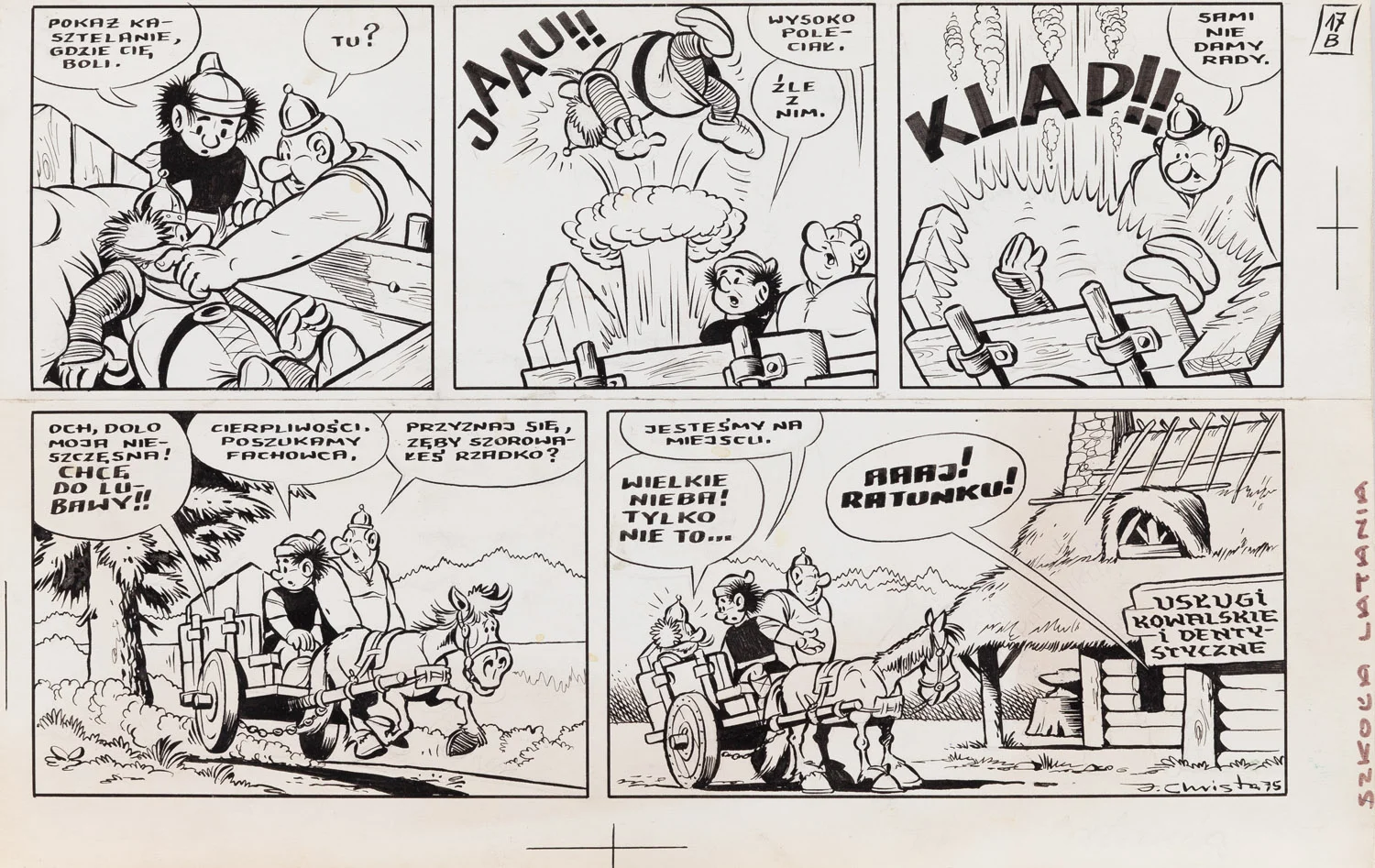
It's hard to talk about Polish comics without mentioning Kajko and Kokosz. The extraordinary adventures of these two characters were drawn and written by Janusz Christa for years. The prototypes of the characters were Kajtek and Koko – sailors from a series published in "Wieczór Wybrzeża" magazine from 1958 to 1972. Kajko and Kokosz have adventures in Polish lands in pagan times, although we can only guess this since it's not directly specified. Among the comic's characters are brave Slavs and wicked Bandits, which we can infer were Germans. Kajko and Kokosz live in Mirmiłowo, a town ruled by the castellan Mirmił. Among the important characters, it's worth mentioning Kokosz's aunt – the witch Jaga and her husband Łamignat. The appearance of the dragon Miluś in the town adds a fantastical dimension to the plot. Janusz Christa did not admit to being inspired by French characters Asterix and Obelix; instead, he pointed to his fascination with Walt Disney's productions.
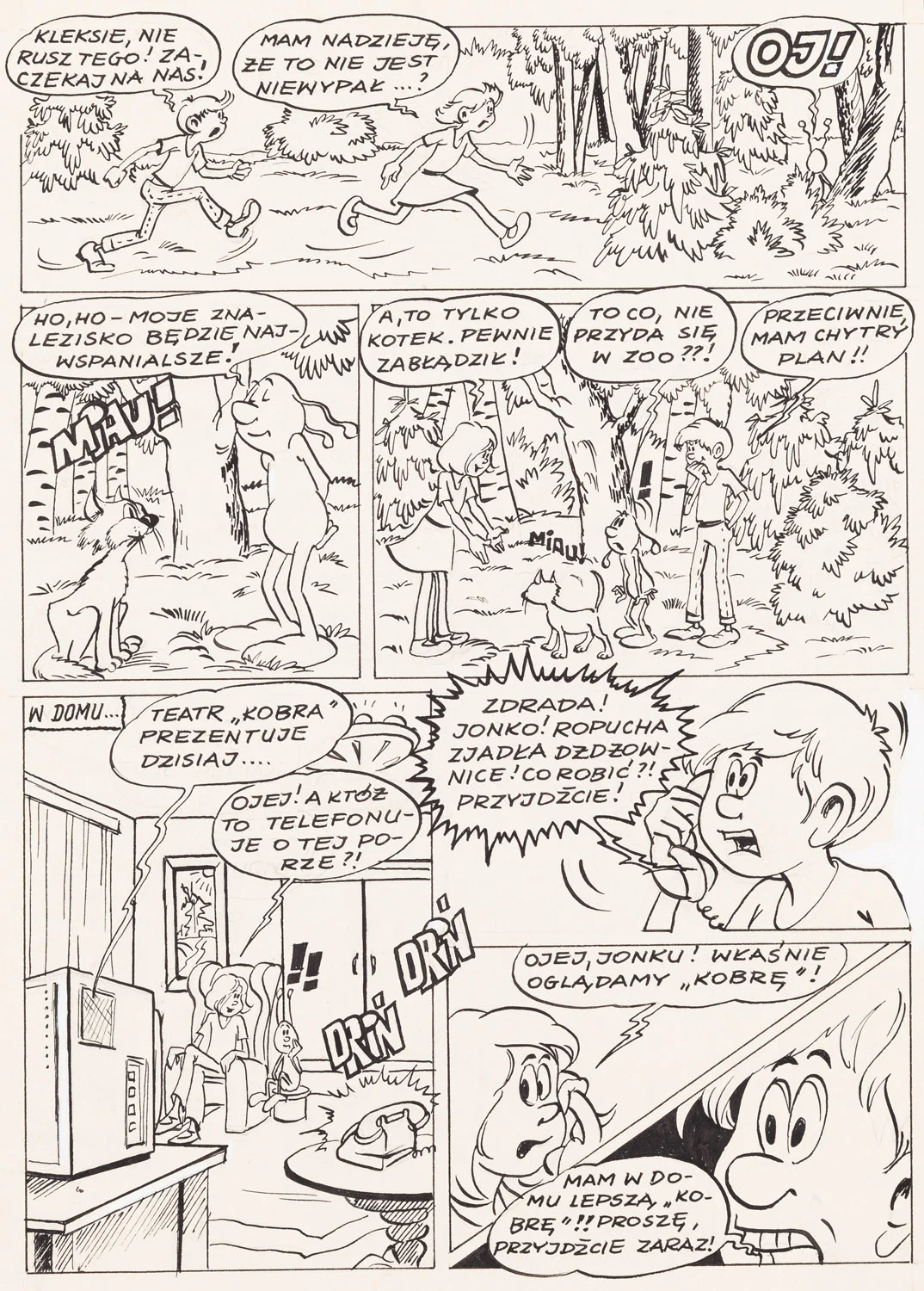
Another significant artist is Szarlota Pawel, whose main comic series about Jonka, Jonek, and Kleks was created for "Świat Młodych." The premiere episodes were printed in 1974. Pawel, or rather Eugenia Pawel-Kroll, was a graduate of the Warsaw Academy of Fine Arts. After completing her studies, she began working at the editorial office of "Świat Młodych," to which she was introduced by Papcio Chmiel. The artist created stories that depicted the reality of life in Poland at the time, skillfully weaving children's adventures and Kleks into them. This unusual character had long antennae, blue skin, and, like Tytus Chmielewski's character, was created from an ink blot. However, his temperament and disposition were completely different from the cheerful chimpanzee – he displayed great creativity and entrepreneurship and possessed magical powers. In this way, the adventures of three characters intended for the youngest readers had something from the real world but always developed in a fantastical way. Initially, comic episodes were loosely connected, but after a few years, the stories became longer. The stories appeared in 'Świat Młodych' until 1992, as the magazine stopped publishing comics. From the early 1980s, some of the stories about Jonc, Jonka, and Kleks were published in booklet form.