
Feminism and women's art in Poland
Dorota Monkiewicz
For centuries, women's presence on the artistic scene was incidental. Deprived of access to education and art schools, they engaged in amateur pursuits in less esteemed areas of art such as needlework, embroidery, drawing, or watercolor. In Poland, the status of women in art was firstly addressed through a museum exhibition by the National Museum in Warsaw in 1991. It was commissioned by Agnieszka Morawińska, the then-curator of the Department of Polish Art (19th century). The exhibition was titled "Polish Female Artists" and showcased many historical artifacts of this kind.
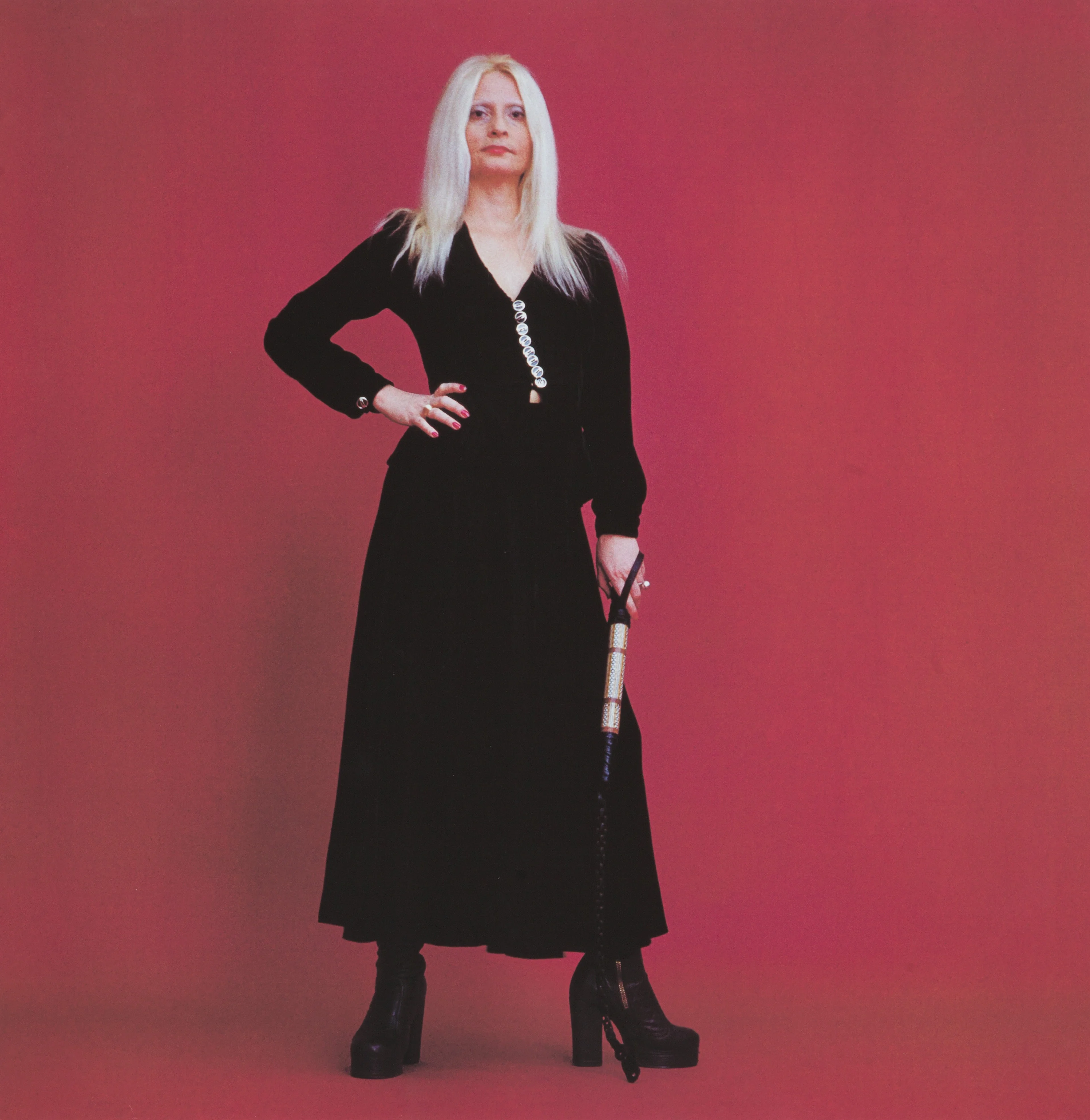
Strengthening the position of women in art was part of the feminist agenda, however, feminist art "per se", that is, one whose subject is women's issues, appeared in Poland in 1974 thanks to the conceptual activity of Ewa Partum, who announced that "my problem is a woman's problem", and four years later she put up posters with this slogan on the advertising board in front of the headquarters of the Central Committee of the Polish United Workers' Party in Warsaw. This slogan appeared ludicrous and absurd to the art critics of the time. Within the pervasive and universal, read: patriarchal and male, culture, there was no room for a separate voice for a female and her distinct experience. However, feminist ideas of emancipation began gradually penetrating the "iron curtain" from the West into Poland.
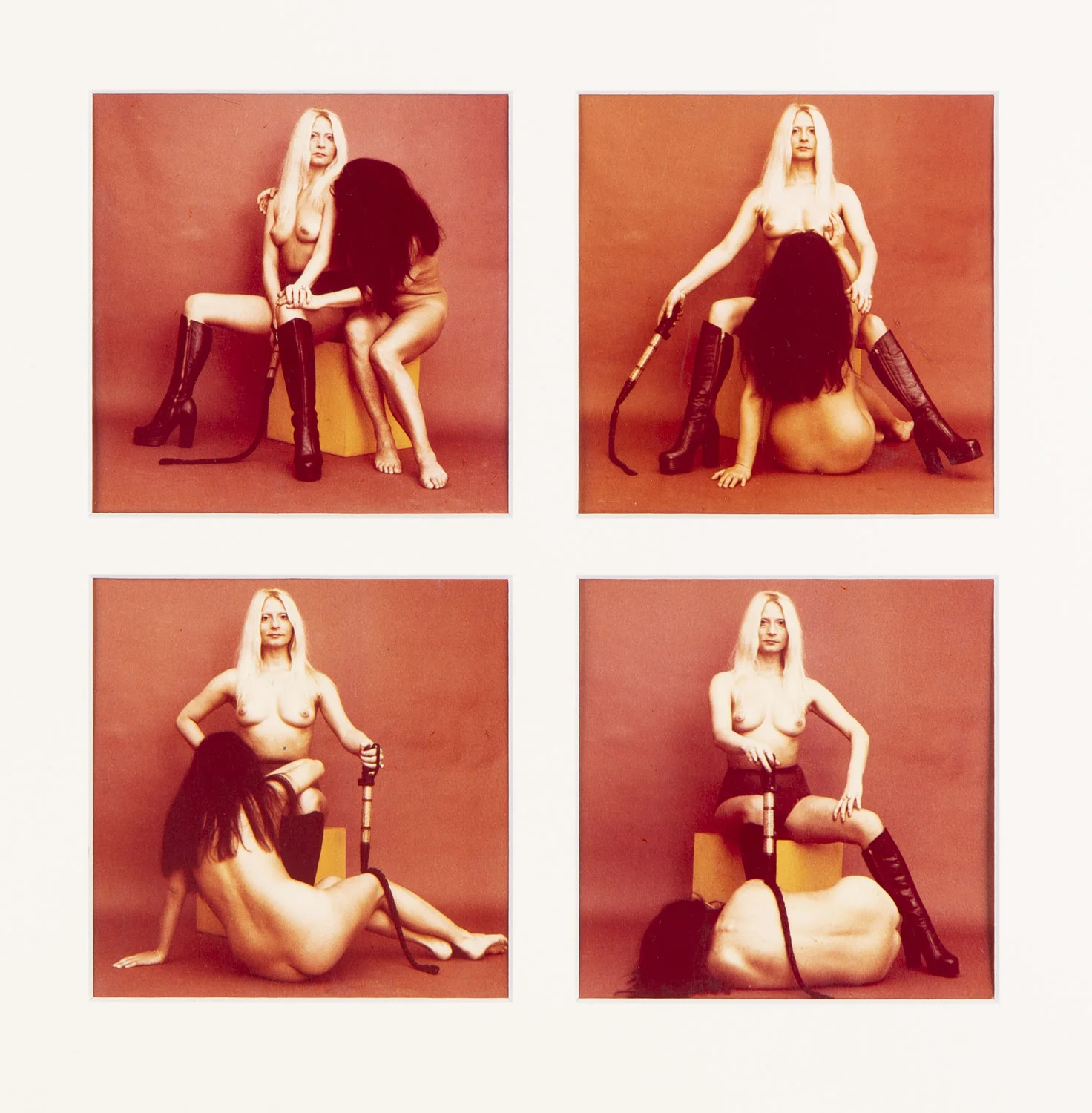
Natalia LL was the first artist from Poland to be involved in the international feminist movement. As early as 1975, she participated in the exhibition "Frauen – Kunst – Neue Tendenzen" at the Krinzinger Gallery in Innsbruck. Lachowicz exhibited alongside artists like Valie Export, and the organizer of these exhibitions, Ursula Krinzinger, who was engaged in women's issues in the 1970s and would later become a prominent Viennese gallerist. As a consequence of Natalia LL's international engagement, she organized an exhibition of feminist artists at the Jatki PSP Gallery in Wrocław in 1978. This exhibition also included artists like Carolee Schneemann, Suzy Lake, and Noemi Maidan. A few months earlier, female artists in Poznań organized an exhibition inspired by similar motivations. This was the "Three Women" show at the BWA Arsenał Gallery, featuring Anna Bednarczyk, Izabella Gustowska, and Krystyna Piotrowska. Another artist evolving towards feminism during this time in Krakow was Maria Pinińska-Bereś, who created soft, pink sculptures.
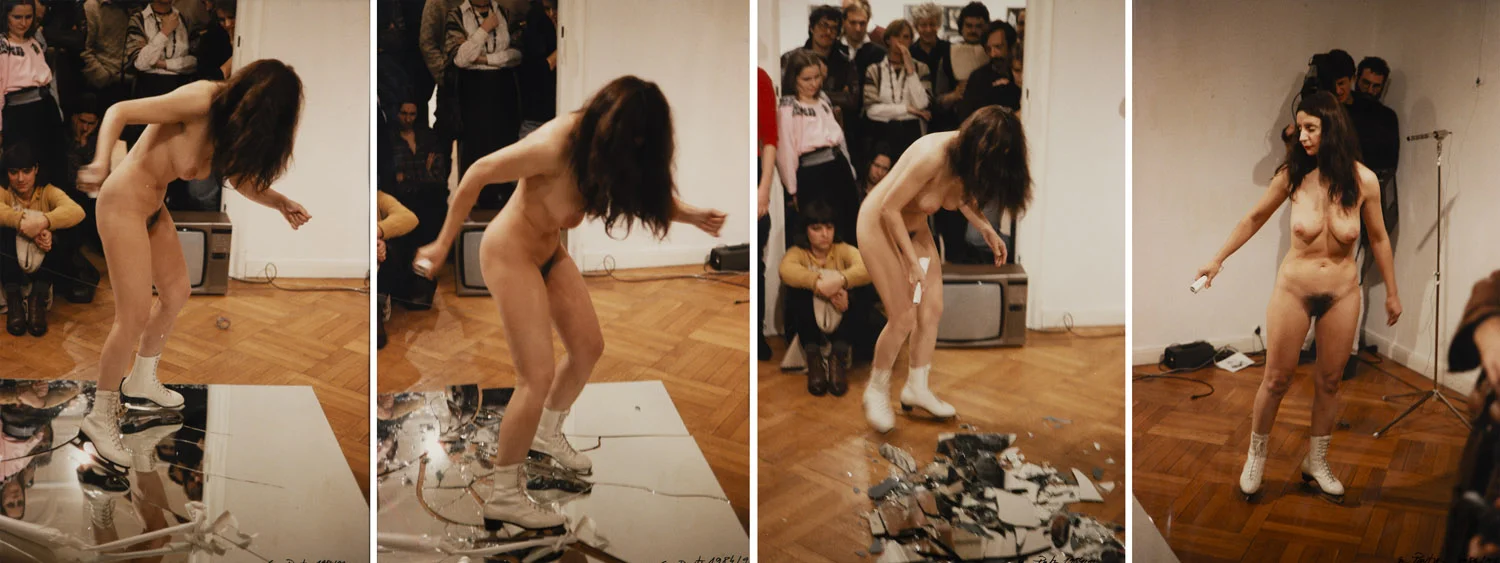
All these attempts and efforts were largely abandoned during the decade of martial law, and the reclaiming of achievements from the 1970s took another decade. A crucial role was played by the series of exhibitions titled "Woman about Woman" at the Bielska BWA Gallery (1996, 2001, 2007), which brought together female creators from different generations and using various media. In the context of contemporary art, feminism primarily involved women artists turning toward their own bodies, marking the territories of their sexuality, exploring and examining the female genitalia – seen as obscene in the public sphere. One of the most scandalous works of that era was the undoubtedly shocking birthing of a Barbie doll through a real vagina, presented with documentary immediacy in Alicja Żebrowska's video work "Original Sin" (1994). After years, the aestheticized female vagina became the dominant motif in Iwona Demko's work as a symbol of pride and acceptance of her own sexuality.
In the 1990s, a discussion also began around the canonical vision of women in art history. This was evident in films like those of Katarzyna Kozyra, who observed female figures in the Gellért Baths in Budapest, portraying them far from the idealized nudes of the male-centric art world's vision. In turn, Jadwiga Sawicka dedicated much of her work to the role of women in popular culture. Her paintings were inspired by the headlines concerning female offenders found in crime chronicles ("Young Murderers," 1997; "She Took Everything," 1999; "Evil," 1999; "She Lied," 2007) and soap opera summaries from the "Gazeta Telewizyjna" magazine, aimed at housewives. These themes were later continued by Agata Zbylut in her photographic works and installations, referring critically to the standards of female beauty present in the mainstream press, aesthetic medicine advertisements, or fashion tips. While there were no direct artworks about the issue of abortion bans in the 1990s, many artists dealt with the dominant position of the Catholic Church in the post-communist Poland, its influence on social life, and women's societal status.
A handy subject for blasphemous manifestations was the theme of the Christian iconography of the Holy Family. For instance, Katarzyna Górna's photographic series "Madonnas" presented naked women and girls in poses and arrangements reminiscent of iconic depictions of the Virgin Mary and the Pieta. Marta Deskur created a photographic series titled "Family" (1999), depicting family members and friends in scenes like "The Visitation," "Adoration of the Magi," "The Last Supper," and "The Washing of the Feet." This went against the triumphal and excluding agenda of the Church, portraying an evangelical world of love and friendship. The theme of family was closely tied to the deconstruction of the myths of idealized motherhood, including the processing of toxic relationships among related women. Monika Zielińska (Mamzeta) created the work "Scar from Mother" (1999), depicting a human navel surrounded by the titular inscription. This image appeared on four hundred billboards in Poland in the AMS Outer Gallery from November 2000 to January 2001. Anna Baumgart's sculptural work "I Got It from My Mother" (2002) presented a mother and adult daughter in wedding attire, pointing to the transmission of oppressive social roles among women closest to each other – marital bondage, subordination, and the confinement of women to the domestic sphere. After 2000, works by Bogna Burska appeared, continuing the line of body art. Their subject was blood, symbolizing life, violence, and feminine physiology.
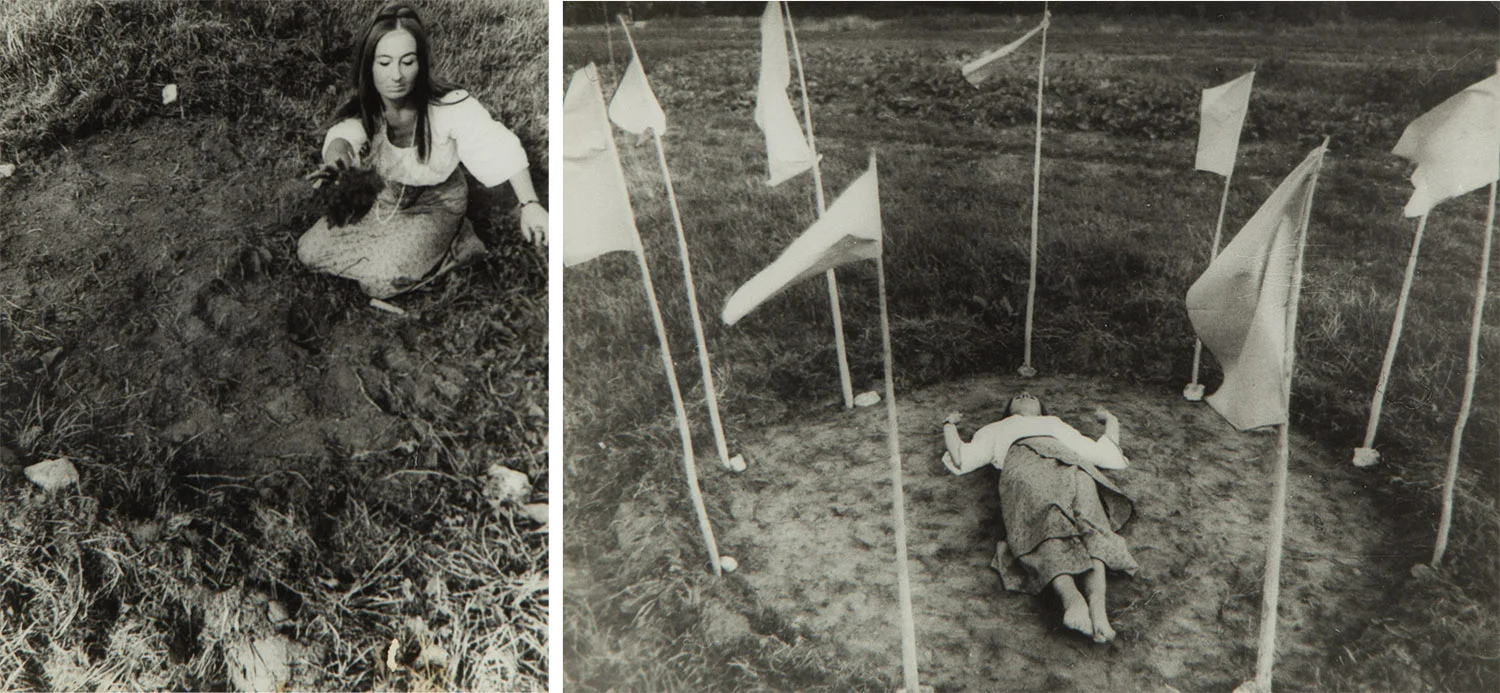
A new facet of feminism in the work of the youngest artists is known as "ecofeminism." It is based on the belief in the unity of women and nature, both of whom suffer oppression and extermination in patriarchal society. Essentially, it is about reversing meanings. What was repressed and negatively attributed to women in culture as irrational, animalistic, and instinctual is revalued. In the face of climate catastrophe and the extinction of plant and animal species, ecofeminism emphasizes interspecies sisterhood, highlighting the role of water as a giver of life. There is a connection between the nature of femininity and the river element, personified by pagan goddesses and witches as well as mythical mermaids. New figures of fluid identity and non-heteronormative sexuality emerge – such as in the works of Liliana Zeic. This trend reinvigorated the work of Teresa Murak – the author of actions involving plant sowings since the 1970s. Examples of ecofeminist projects include Agnieszka Brzeżańska and Ewa Ciepielewska's artistic residency on the boat "Flow," which traveled down the Vistula River to Gdańsk, "Wet Me Wild" by Justyna Górowska, "Sisters of the River" by Cecylia Malik, and "Center of Living Things" by Diana Lelonek. Ecofeminism is not just art but also social activism and protests in defense of nature.
Over the past 30 years in Poland, women artists have won the battle for visibility in the art scene and art market. "Herstories" written by women about women from a female perspective are emerging, research is being conducted, and galleries dedicated to the accomplishments of women in art are thriving. Nonetheless, there are still proportionally too few women in professorial positions at art universities or in museum collections. Changes, however, are ongoing and inevitable. On a less positive note, the fight for women's reproductive rights remains challenging. When, in 2020, the Constitutional Tribunal removed the eugenic grounds for legal abortion, Polish women took to the streets with a new symbol of their protest – the red lightning bolt. This symbol found its way into art, becoming a visible marker of the views of its female and male creators alike.