
Contemporary Primitivists
The auction "Naive and Contemporary Art. Sources – Relations – Contexts" is a unique project that brings together the works of artists operating in the fields of naive and contemporary art. This innovative juxtaposition highlights the unique value of both groups, which is a fresh perspective and independence from external authorities. We observe the repetition of motifs, inspiration from folklore, and simplicity in the visions among both non-professional and artistically educated artists.
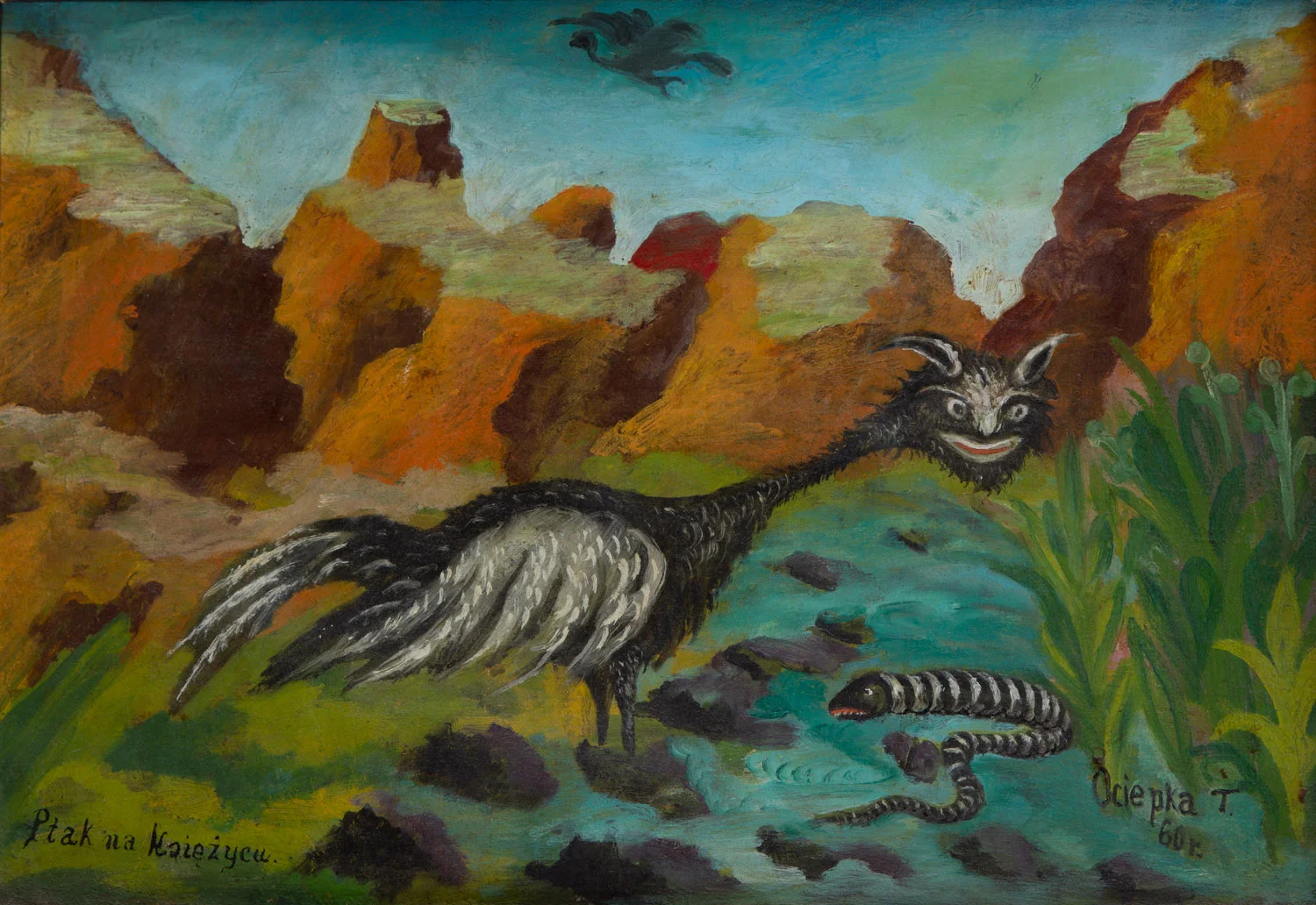
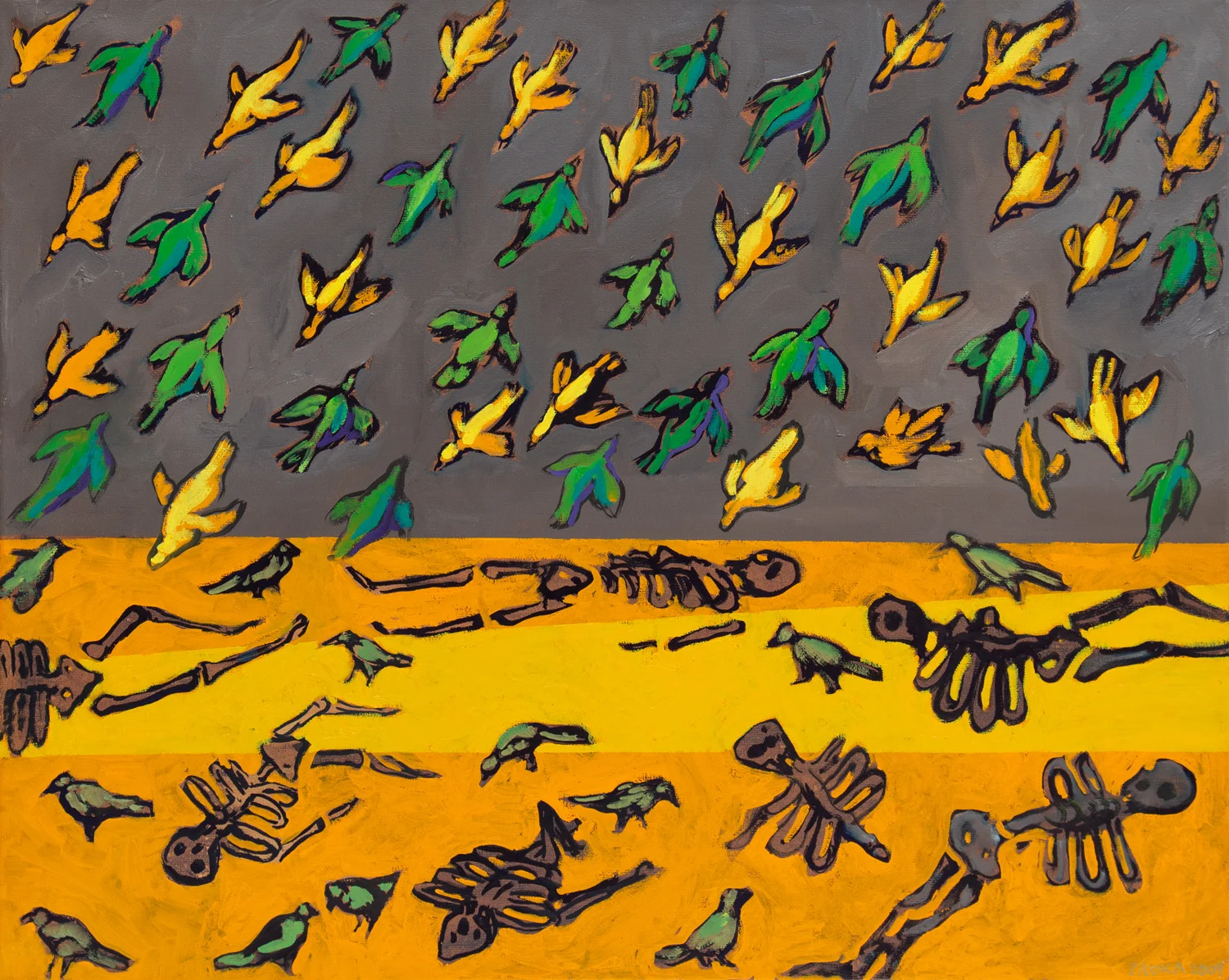
On the example of the selected names, we observe this phenomenon and present a collection of the most interesting achievements, being aware that this is not a complete assemblage and that it can still evolve depending on the direction of our collecting strategy. The auction provides an opportunity to seek connections and a new perspective on the work of artists referred to as naive, as well as to refer to interesting figures from contemporary art in which we find common threads. We are particularly interested in the direct references made by contemporary male and female artists to the extraordinary simplicity of vision found in Nikifor Krynicki or Teofil Ociepka. By examining the works of artists such as Edward Dwurnik, Aleksandra Czerniawska, Maria Anto, or Ryszard Grzyb, we cannot help but notice a community of vision, naive realism, and simplicity of representation.
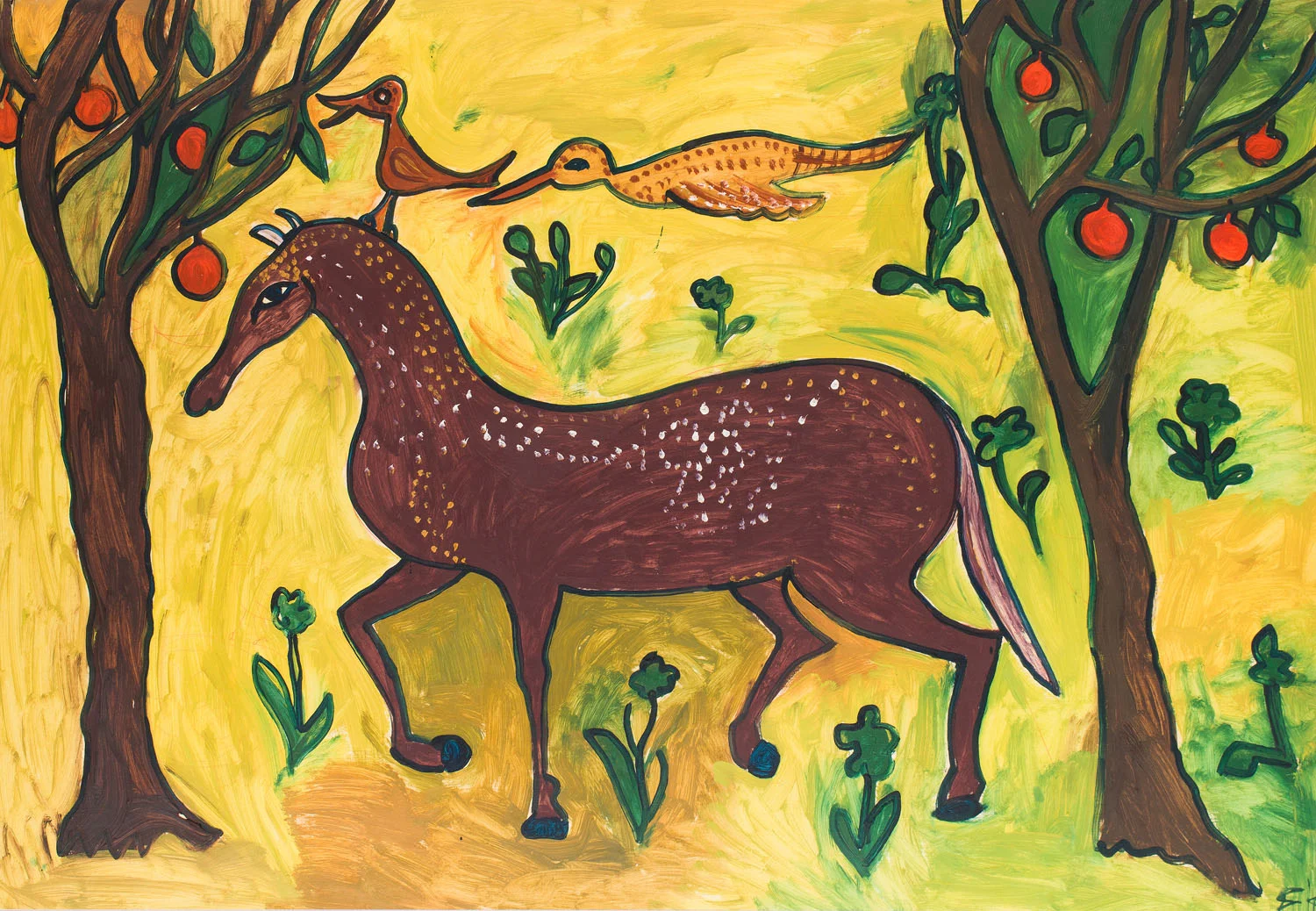
Another common ground they share is the use of similar means of expression. In addition to the most obvious ones, such as perspective distortion or its absence, we also notice individual techniques and strategies, particularly visible in the juxtaposition of works painted on glass and gouaches. Undoubtedly, both groups of artists, male and female, explore themes such as folk beliefs and their iconography, genre scenes from everyday life, as well as the richness of the natural world and the animal kingdom.
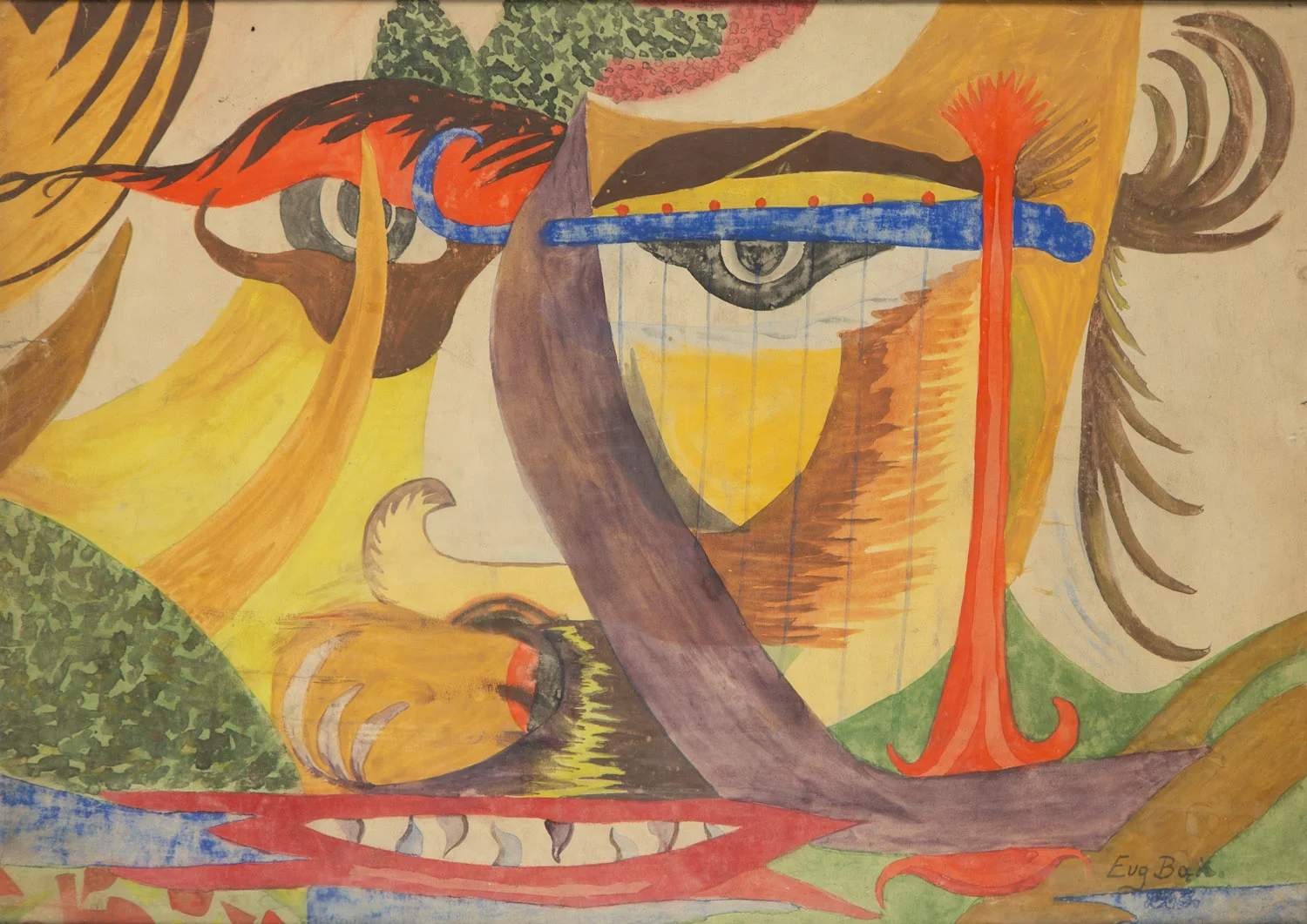
The phenomenon of nonprofessional artists can be traced back to the late 19th century in the French artistic milieu, especially in Paris, where worked one of the most famous representatives of naive art, Henri Rousseau, known as "Le Douanier" or "Customs Officer" due to his previous occupation. In Poland, particularly after World War II, we observe increased interest in the art of "primitivists." Political and social changes that took place during this period contributed to a shift in the perception of folk art and culture. Rural areas became significant for the ideology of power, and their creations became an integral and undeniable part of Polish national tradition. Initiatives were undertaken to protect and preserve this heritage, resulting in an increase in the number of ethnographic museums and the discovery of artists who had previously created in the privacy of their homes and for their own satisfaction.
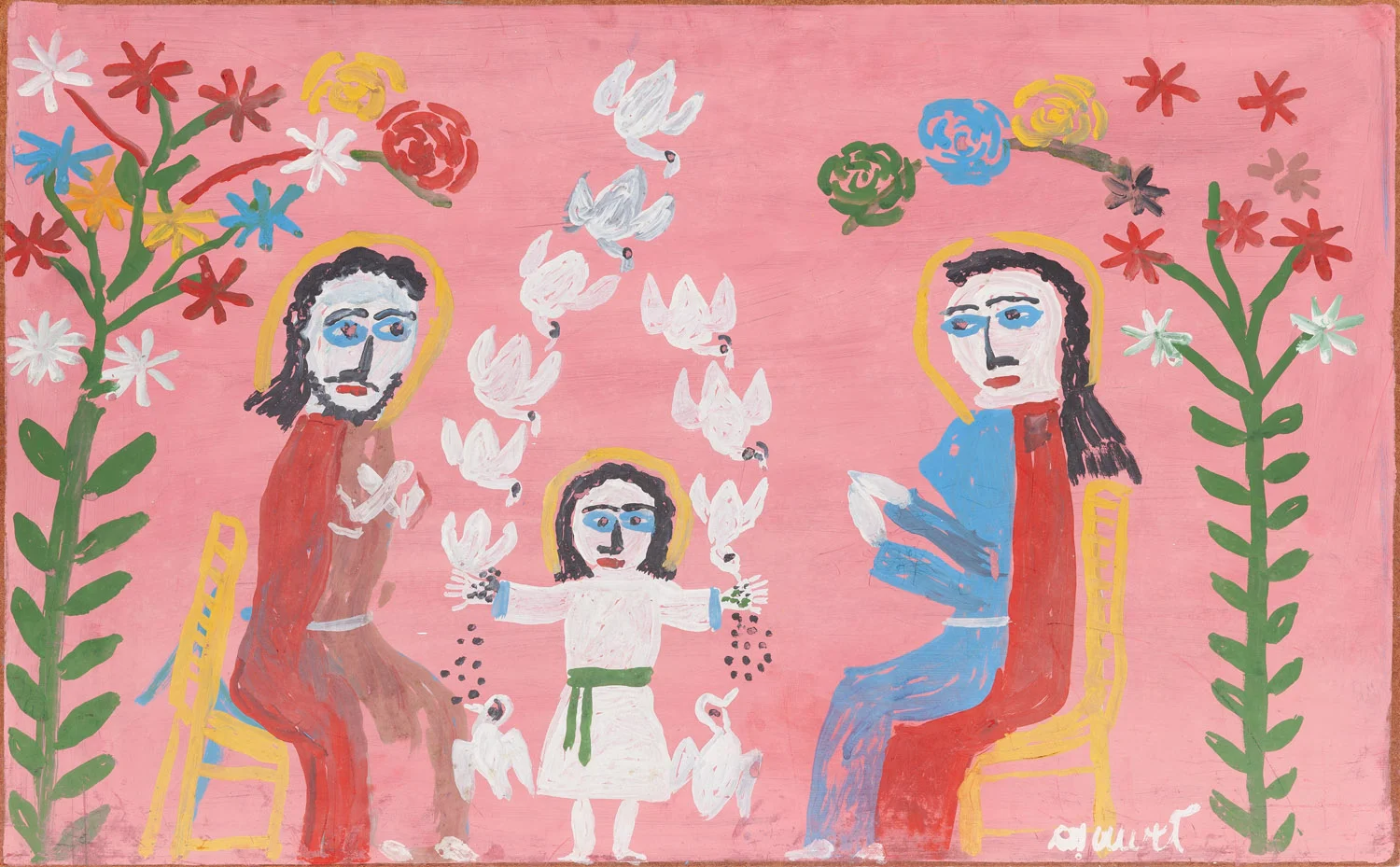
The majority of naive artists come from rural areas and are engaged in agricultural work or other physical occupations. Through their works and individual approaches, they broke the conventions of folk art. By introducing new elements, they transformed traditional patterns of folk craftsmanship. These artists also shared a biographical aspect – often starting their artistic careers in mature age, after acquiring rich life and professional experiences. Their motivations were diverse – financial, religious, but above all, they sought self-expression and the expression of their own interpretation of the surrounding world. They did so despite numerous difficulties, overcoming their weaknesses and struggling with a lack of technical skills. They often represented reality in a symbolic and stylized manner, paying attention to numerous details.
Various competitions, exhibitions, and systematic enlargement of museum collections had a significant impact on the intensification of the activities of many artists who sought to develop their work and present their achievements. As a result of these activities, many artists were discovered who were appreciated and permanently inscribed in the canon of Polish and sometimes even world non-professional art. Today, names such as Epifaniusz Drowniak, known as Nikifor Krynicki, Teofil Ociepka, Władysław Matlęga or Katarzyna Gawłowa are undeniably associated with the most interesting manifestations of naive art. The phenomenon of artistic creation of "primitives" continues, and new artists are constantly joining the group of inquisitive translators of the world.