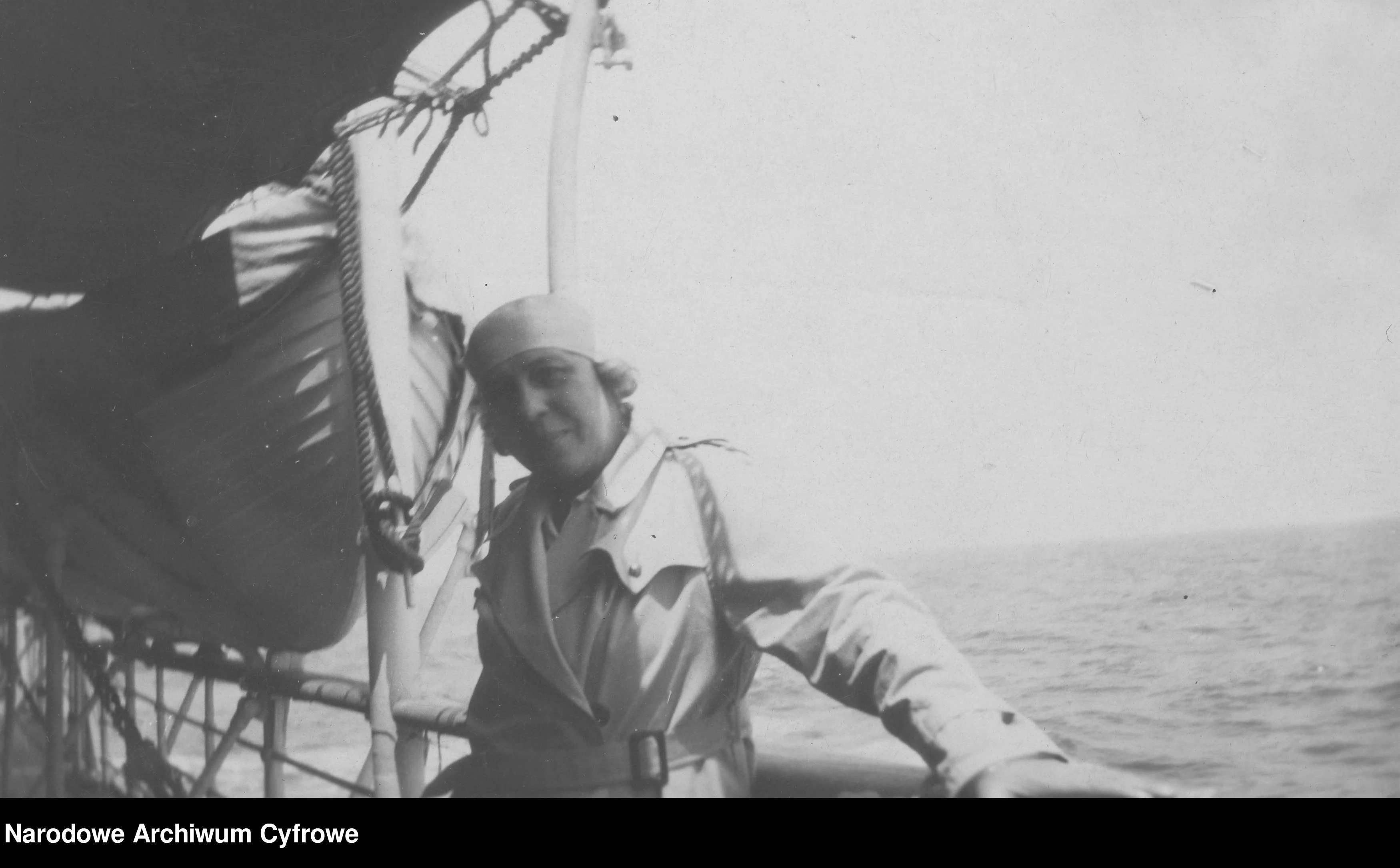
Bronisława Rychter-Janowska power of character and ephemerality of soul
At the turn of the 19th and 20th centuries, more and more liberated female visual artists appeared in Polish art. They vigorously entered the artistic scene, gaining popularity and recognition, also in the international arena. They are clearly different from their male counterparts. The reason for this is that female painters and sculptors make use of their deep sensitivity, typical of an ephemeral female soul, and subtlety coupled with self-confidence and uncompromising character. While reflecting on the artists of that time, we need to mention such names as, for example, Anna Bilińska-Bohdanowiczowa, Olga Boznańska, Mela Muter, Zofia Albinowska-Minkiewiczowa, Zofia Stryjeńska, and Magdalena Gross. One may wonder what these exceptional women have in common... They all have strong personalities with highly developed sense of individuality. Painter Bronisława Rychter-Janowska is a figure that definitely stands out against others.
The artist was born in Krakow, however, she was constantly travelling throughout her life. In Europe, she visited, among others, Italy, France, Spain, or Austria, and also Turkey. The artist drew a lot of inspirations from her journeys, which is noticeable in her landscapes. However, the most reoccurring motif in her works is very characteristic and closely related to Polish culture. It presents manor houses of Polish nobility - typical, limewashed, with a porch and two columns, with interiors full of history. Bronisława Rychter-Janowska undertook some sort of a mission. Observing the deteriorating manor houses on the Polish Eastern Borderlands during World War I, she commenced eagerly recording this reality, which slowly faded into oblivion. Manor houses and their culture-forming role have been strongly rooted in Polish tradition. The painter brilliantly "portrayed" these exceptional examples of architecture immersed in nature and located somewhere far away in a rural, idyllic province. The atmospheric landscapes and interiors of the manor houses present the artist's delicacy, however, if we retrace her biography, we will promptly find out that she was not a frail woman but a strong and persistent fighter, involved in the work of the Red Cross during World War I, and after its end, also in helping captives.
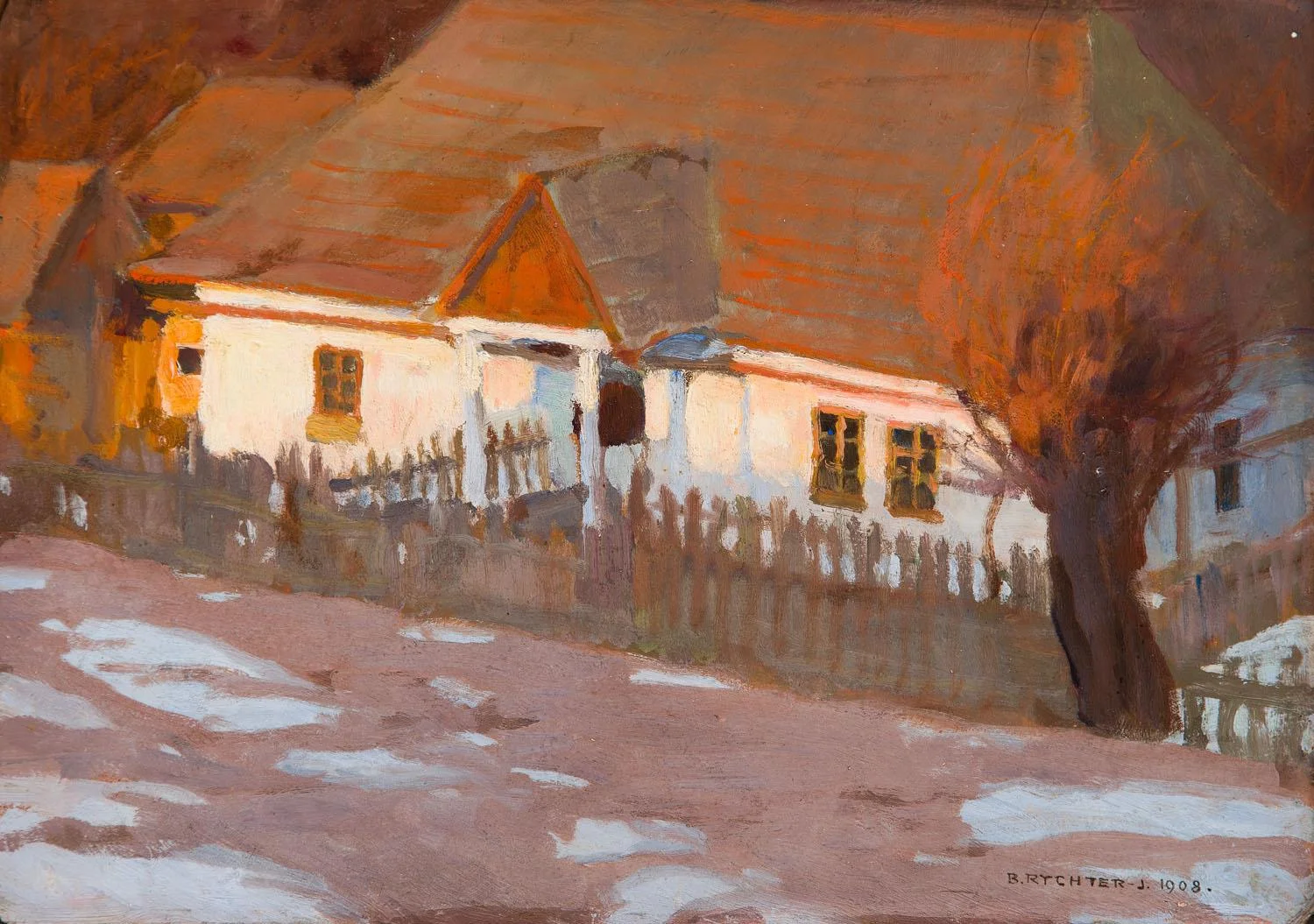
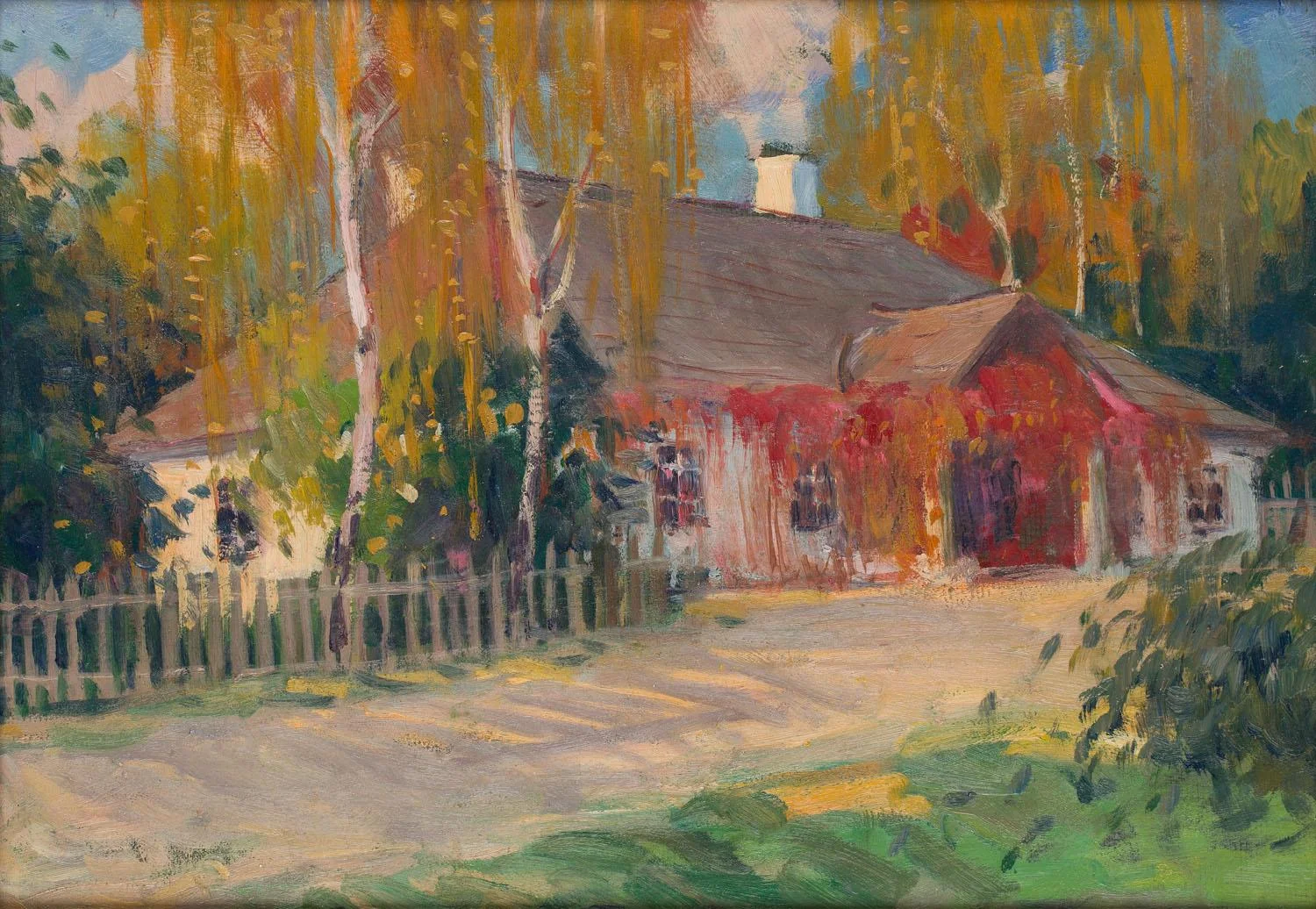
Rychter-Janowska expressed herself mainly through small-scale oil painting. Less often, she dealt with watercolor. An important part of her oeuvre are also tapestries and compositions made in the cut-out technique, for which she used fragments of fabrics. It seems that Rychter-Janowska's female sensitivity is best demonstrated by this medium. In this aspect, works of another artist, maintained in a similar atmosphere, are also worth mentioning, that is "romances capitonnées" ("imprinted romances") by Alicja Halicka. We would like to present you with two unique landscapes by Bronisława Rychter-Janowska at our auction "Peaceful Village, Cheerful Village". Their subject is related to the countryside, in which manor houses occupy a special place. One of the works comes from 1902 and displays an autumn landscape. The composition is filled with a blaze of colors, enhanced by the red-golden leaves of birch trees growing in the garden and red, wild grapevine frivolously entwining the porch of the manor house. The second work from 1908 is different in its character. It presents a slightly nostalgic, winter landscape depicting a manor house on a sunny, but frosty day. The relatively frugal composition reveals the great workmanship of the painter, who, in this case, proves us to be an outstanding luminist.