
Beauty of Nature by Józef Hałas
The artist Józef Hałas has recently gained significant media attention. In 2023, his works were added to the official collection of the Pompidou Center in Paris. This was a great recognition for the painter and a significant event in the history of Polish art. At the auction "Works on Paper. Post-War and Contemporary Art," two of his paper works will be up for sale.
"By painting nature, I discovered that in nature everything is opposed: statics, dynamics, colors, and directions. For example, the horizon-tree trunk, opposed by the vertical to the horizontal, in the tree horizontal branches opposed again to the vertical trunk, and the veining of leaves opposed to each other. And in this way, the whole of nature is built, on a structure that I called 'opposition' and began to paint from this perspective."
- Józef Hałas
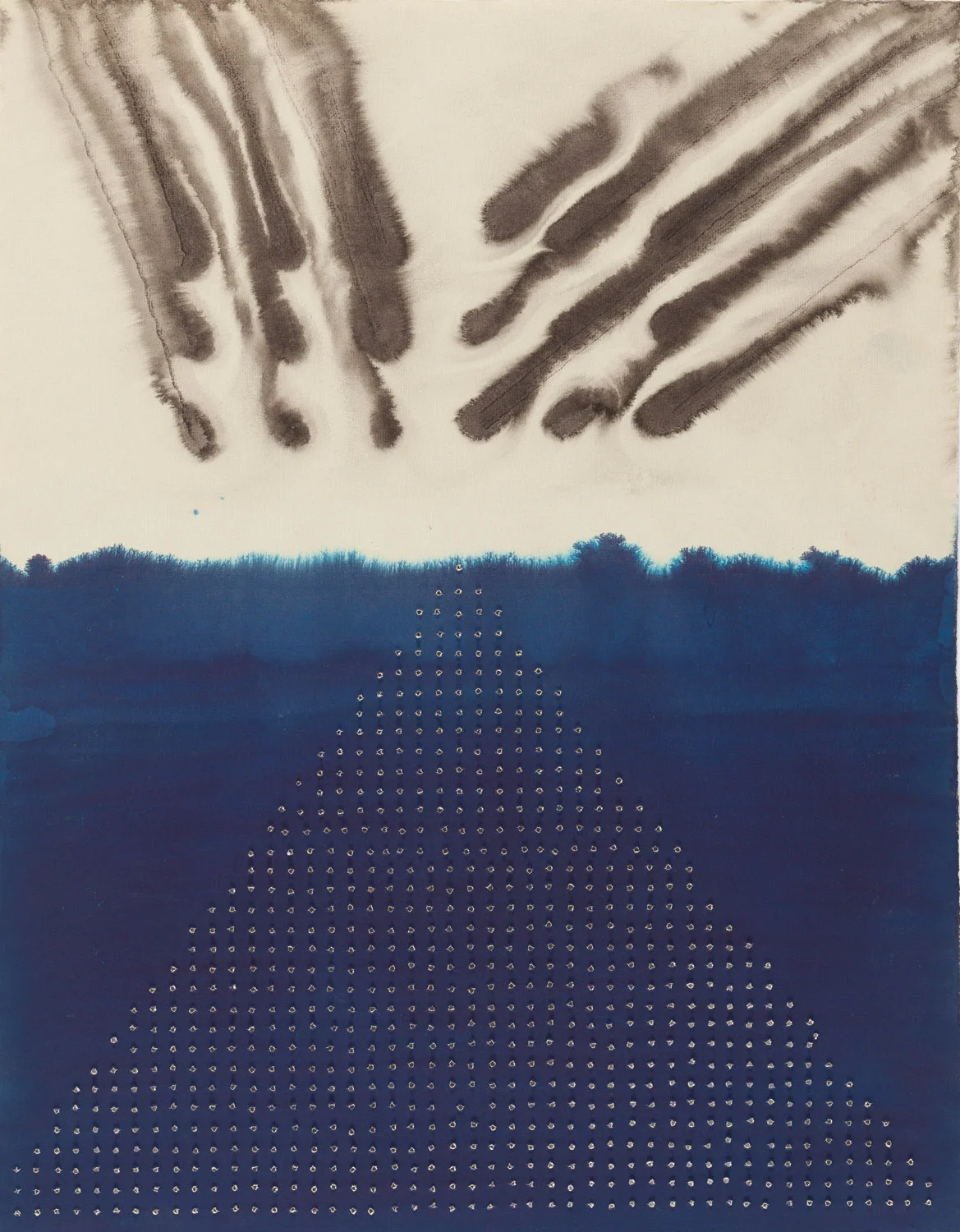
Just as on canvas, the painter tackled themes related to color, matter, and composition on paper. The gouache technique, particularly important to Hałas, was a constant effort to understand nature, requiring great attentiveness. Within his compositions, the artist realized numerous oppositions of statics and dynamics, contrasting colors and directions, in which he saw absolute harmony. A particular problem addressed here is the static and the observed dynamism in nature, resulting in various variations around the forms of points and lines. With the wealth of forms, his paintings also refer to metaphysical dualism, choices, and continuous confrontations. At the same time, a certain unease permeates them, which is subconsciously stimulated in the viewer's mind.
Nature was an inexhaustible source of inspiration for him. Józef Hałas came from Nowy Sącz, where he drew inspiration from the mountainous surroundings. The atmospheric phenomena experienced there, sunrises, and sunsets, were a moving, abstract, geometric sign for Hałas. Simultaneously, painting was a concrete moment for him, allowing the mutual permeation of color and tonal layers until unique reflections expressing the absolute were achieved. The artist himself wrote in his notes from 1980:
"That's why I dealt with the most banal themes – mountains and the sea. I think – maybe I meant everything, both modern landscape painting and a deeper abstraction derived from nature studies, and an internal expression, independent of time. I wanted everything"
(Józef Hałas, source: http://mkidn.gov.pl/pages/posts/zmarl-prof.-jozef-halas---malarz-klasyk-polskiej-sztuki-wspolczesnej-5218.php, accessed: 25.08.2023).
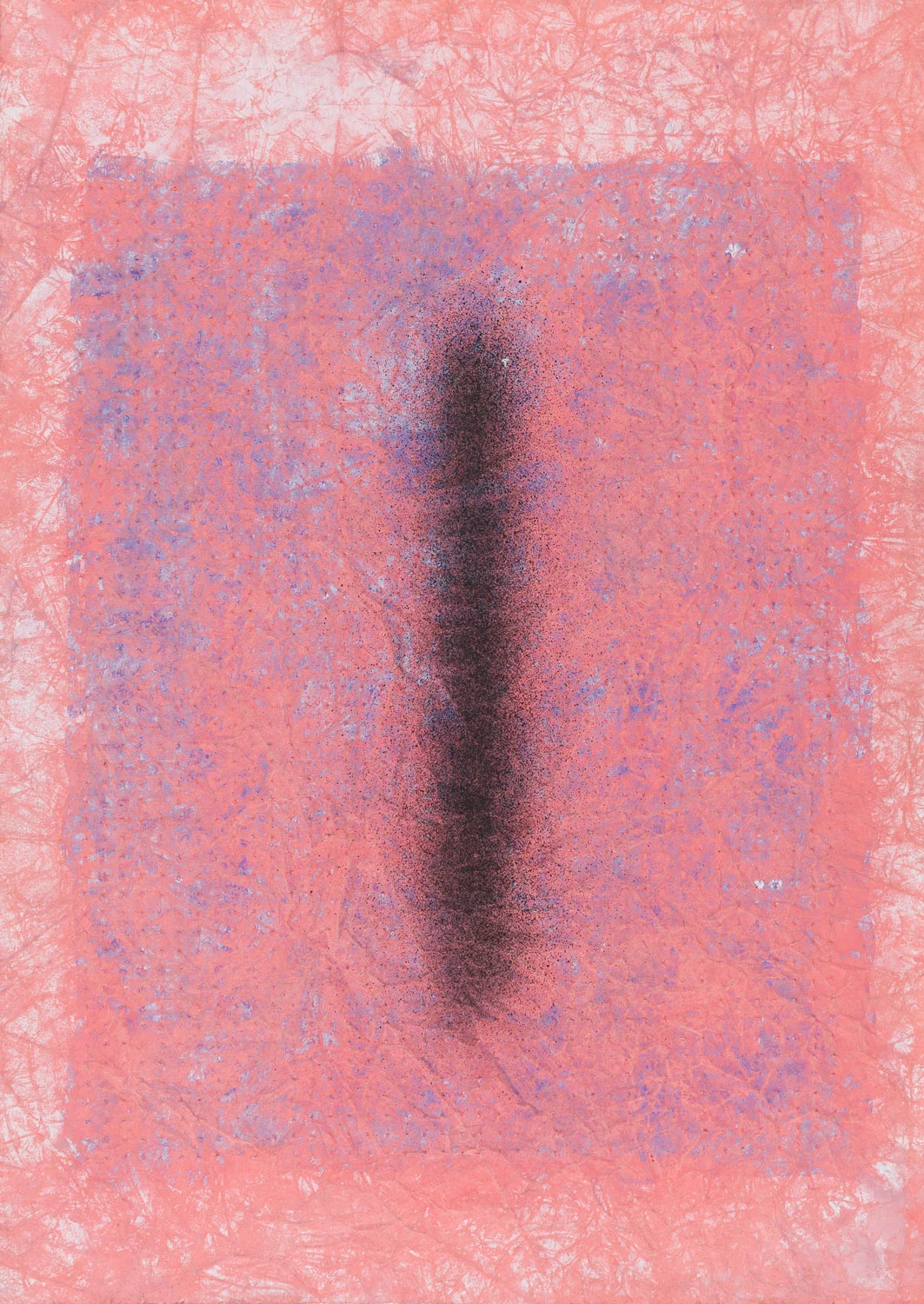
The forests and hills of his homeland can be found in his works. But not only that. Hałas loved mountain hiking and sailing, which fascinated him from a young age. Andrzej Jarosz wrote as follows about the sea, which was equally important as inspiration to the artist:
""However, let us be aware that compositions built based on a thousand-fold multiplied points had a very concrete source for Hałas. The artist was fascinated by the sea, seen for the first time before the war. In his mature years, Hałas undertook several sea voyages, indulging in the infinity of the seen landscape - it's hard to resist the impression that he transferred its poetics to his painting. Only a fragment could appear in the paintings, encompassing the framed sea surface and the sky stretching above it. By using horizontal canvas layouts, Hałas brought his 'marines' closer to panoramic views, although the scale and proportions of the synthesized landscape are difficult to capture"
- Andrzej Jarosz, Józef Hałas, Wydawnictwo Akademia Sztuk Pięknych we Wrocławiu im. Eugeniusza Gepperta, Wrocław 2007, p. 52.